
La Scultura del giorno: il busto di Louise Engels come Flora di Rauch
La scultura del giorno che vi propongo oggi è il busto di Loiuse Engels come Flora, scolpito da Christian Daniel Rauch tra il 1835 e il 1839.
Rauch fu uno degli scultori tedeschi neoclassici più celebri dell’Ottocento e una figura di spicco della scuola berlinese.
Poco conosciuto in Italia ma molto noto in Germania, Rauch elaborò raffinate sculture dotate di grazia e leggerezza, proprio come il busto di Flora.
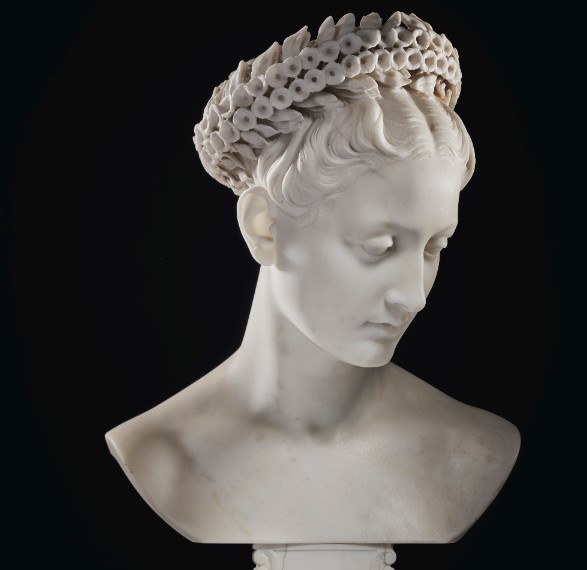
L’opera fu pensata in origine come lo studio di una testa di Danaide, commissionata all’artista dall’imperatore Nicola I di Russia.
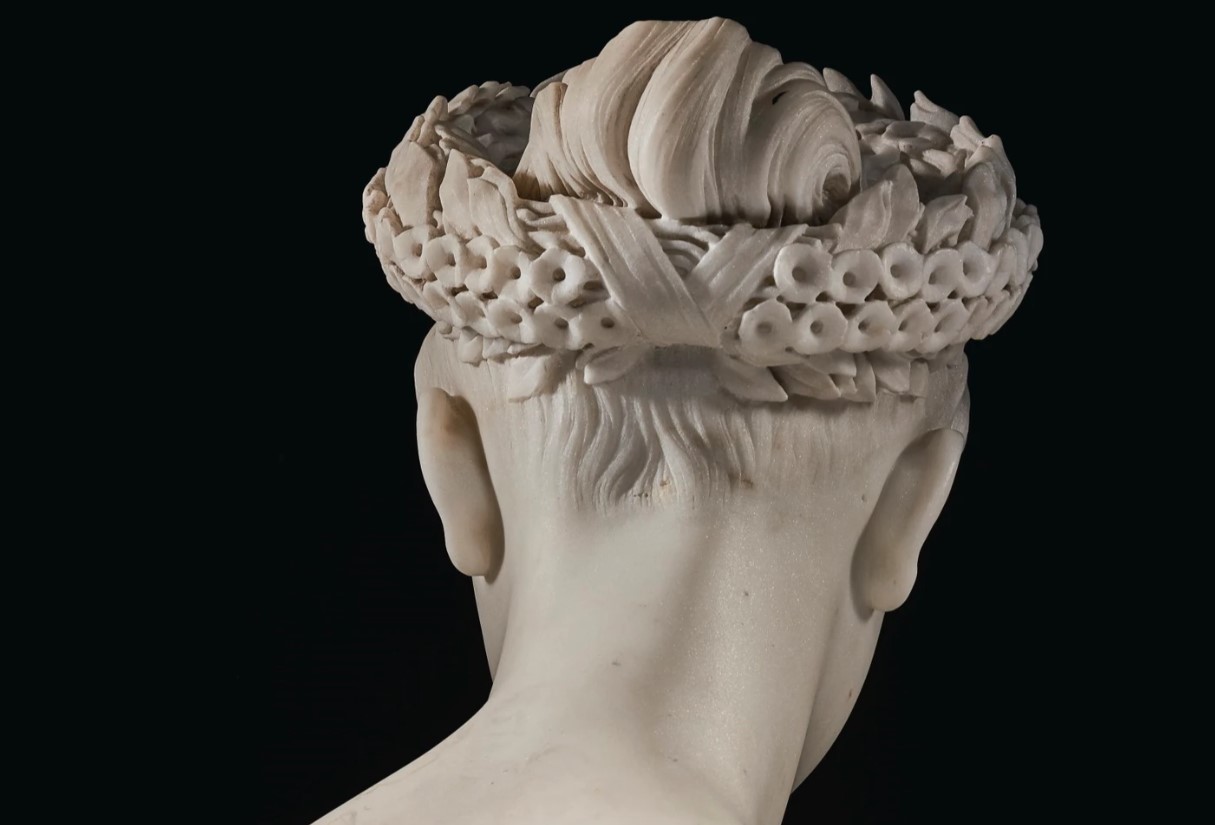
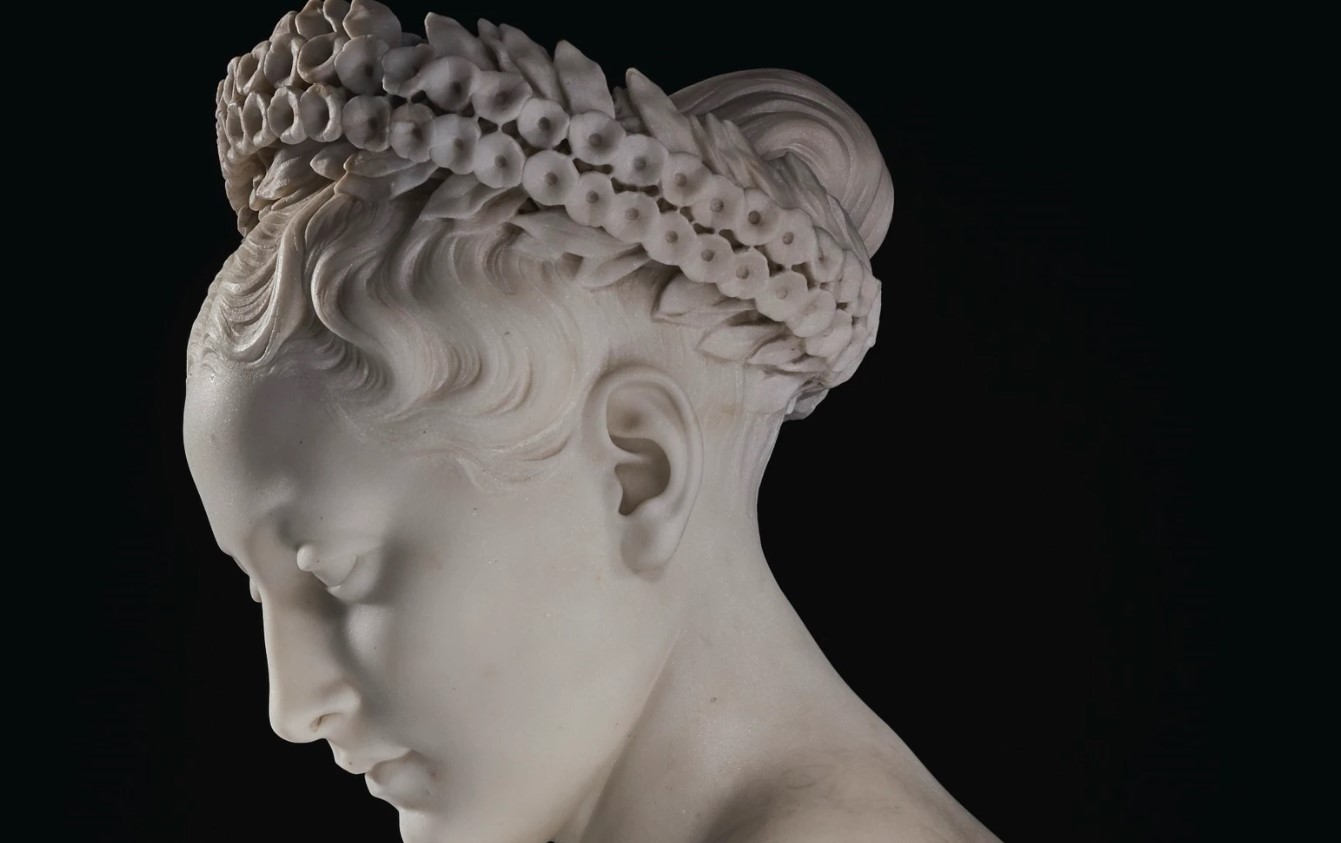
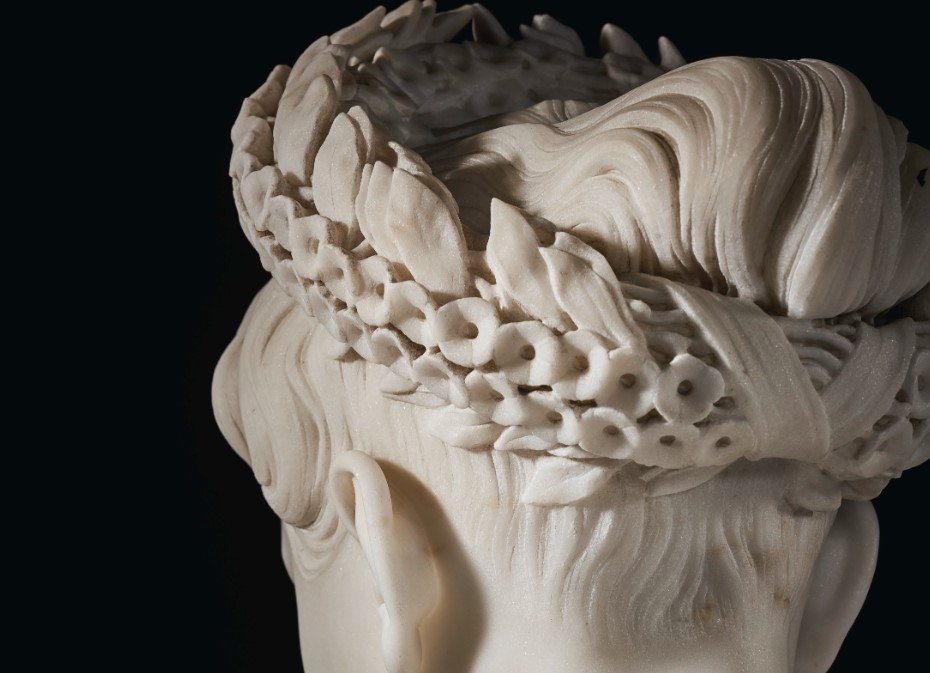
Rauch scelse come modella Louise Angel, una giovane nota per la sua avvenenza e i suoi lineamenti eterei. Lo scultore, spesso insoddisfatto delle sue opere, si sentì incapace di catturare l’espressione della ragazza che potesse in qualche modo farla identificare in Danaide e volle trasformare il soggetto iniziale in una Flora, scolpendo anche una elaborata corona realizzata con due fasce di fiori.
Rauch, in una lettera del 1839 scritta all’allievo Rietschel, racconta di aver inviato Flora all’imperatrice Alexandra Feodorovna. L’imperatrice tanto amò quel busto che volle ringraziare lo scultore regalandogli un anello di diamanti decorato con le proprie iniziali.
Dovete sapere che esistono tre busti di Flora in marmo scolpiti da Rauch: il primo fu donato all’imperatrice, il secondo arrivato fino ai nostri giorni molto danneggiato appartiene a una collezione privata di Berlino mentre il terzo viene registrato solo nel libro contabile dell’artista ma non è stato ritrovato fino al momento.

La versione di Flora che vedete nelle foto è quella che fu regalata all’imperatrice. Messa in vendita qualche anno fa, adesso appartiene a una collezione privata.
Le opere di Christian Daniel Rauch decorano molte piazze di città tedesche. Oltre per la raffinatezza dei suoi busti, era particolarmente ricercato per la realizzazione di monumenti pubblici. Fu molto apprezzato da collezionisti reali e aristocratici come per esempio la famiglia regnante prussiana e le case reali di Baviera e Hannover.
Dopo aver appreso i primi rudimenti della scultura in Germania, Rauch arrivò a Roma nel 1804 per perfezionarsi grazie a una borsa di studio. Rimase sei anni nella città eterna e trovò nelle opere di Canova e Thorvaldsen l’ispirazione che stava cercando.
Dopo la sua morte, lo stato prussiano acquistò le opere rimaste nel laboratorio dell’artista per formare il Rauch Museum, ospitato nel luogo di nascita dell’artista, Arolsen.
Per il momento il sempre vostro Michelangelo Buonarroti vi saluta dandovi appuntamento ai prossimi post e sui social.
© Riproduzione riservata
Sculpture of the Day: Rauch’s Bust of Louise Engels as Flora
The sculpture of the day that I propose to you today is the bust of Louise Engels as Flora, sculpted by Christian Daniel Rauch between 1835 and 1839.
Rauch was one of the most famous German neoclassical sculptors of the nineteenth century and a leading figure of the Berlin school. Little known in Italy but very well known in Germany, Rauch created refined sculptures endowed with grace and lightness just like the bust of Flora.
The work was originally conceived as a study of a head of Danaid, commissioned to the artist by Emperor Nicholas I of Russia.
Rauch chose Louise Angel as his model, a young woman known for her beauty and ethereal features. The sculptor, often dissatisfied with his works, felt unable to capture the girl’s expression that could somehow identify her as Danaid and wanted to transform the initial subject into a Flora, also sculpting an elaborate crown made with two bands of flowers.
Rauch, in a letter from 1839 written to his student Rietschel, says he sent Flora to Empress Alexandra Feodorovna. The Empress loved the bust so much that she wanted to thank the sculptor by giving him a diamond ring decorated with her initials.
You should know that there are three marble busts of Flora sculpted by Rauch: the first was donated to the Empress, the second, which has survived to this day in very bad condition, belongs to a private collection in Berlin, while the third is only recorded in the artist’s account book but has not been found until now.
The version of Flora that you see in the photos is the one that was given to the Empress. Put on sale a few years ago, it now belongs to a private collection.
Christian Daniel Rauch’s works decorate many squares in German cities. In addition to the refinement of his busts, he was particularly sought after for the creation of public monuments. He was highly appreciated by royal and aristocratic collectors such as the Prussian royal family and the royal houses of Bavaria and Hanover.
After learning the first rudiments of sculpture in Germany, Rauch arrived in Rome in 1804 to perfect himself thanks to a scholarship. He remained six years in the eternal city and found in the works of Canova and Thorvaldsen the inspiration he was looking for.
After his death, the Prussian state purchased the works remaining in the artist’s workshop to form the Rauch Museum housed in the artist’s birthplace, Arolsen.
For the moment, yours truly Michelangelo Buonarroti bids you farewell and invites you to the next posts and on social media.
© All rights reserved

Sostienici – Support Us
Se questo blog ti piace e ti appassiona, puoi aiutarci a farlo crescere sempre più sostenendoci in modo concreto condividendo i post, seguendo le pagine social e con un contributo che ci aiuta ad andare avanti con il nostro lavoro di divulgazione. . ENGLISH: If you like and are passionate about this blog, you can help us make it grow more and more by supporting us in a concrete way by sharing posts, following social pages and with a contribution that helps us to move forward with our dissemination work.
10,00 €
-
Festival La Versiliana 2026: tra musica, teatro e grandi narrazioni
Dal 17 luglio al 23 agosto 2026, la pineta di Marina di Pietrasanta ospiterà la 47ª edizione del Festival La Versiliana. Una kermesse aperta a tutti nella quale linguaggi diversi dialogano tra loro in un equilibrio tra tradizione e contemporaneità.
-
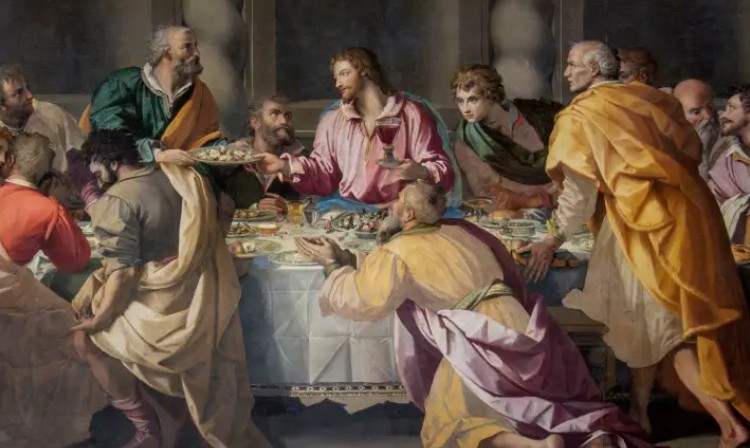
Giovedì Santo: l’Ultima Cena di Allori che pochi conoscono a Firenze
🇮🇹Nel cuore di Museo di Santa Maria Novella, a Firenze, si conserva una delle interpretazioni più affascinanti e meno note dell’Ultima Cena: quella realizzata da Alessandro Allori nel 1584… 🇬🇧In the heart of the Santa Maria Novella Museum in Florence, one of the most fascinating and least-known interpretations of the Last Supper is preserved: the…
-
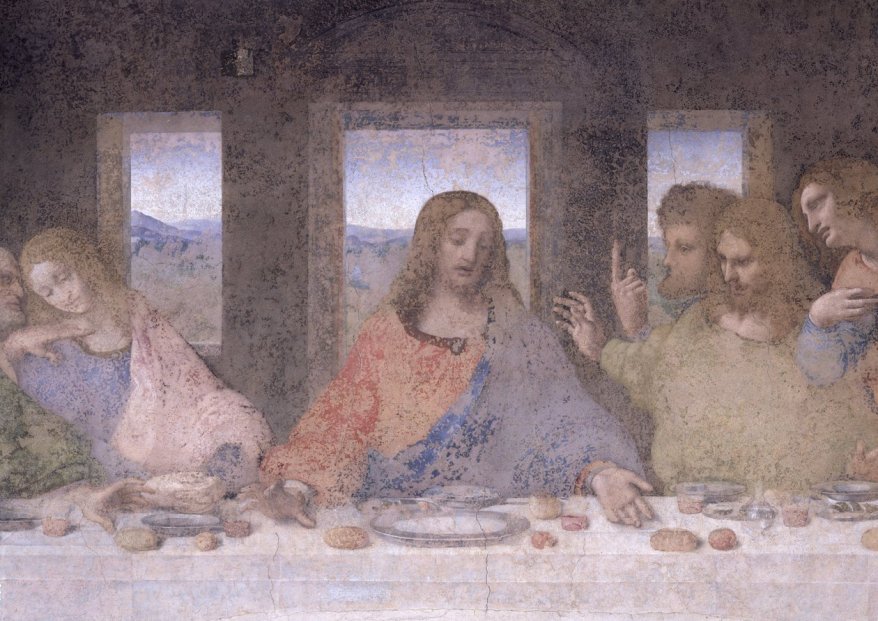
Cenacolo di Leonardo: i dettagli che raccontano il tradimento
🇮🇹Nel Cenacolo di Leonardo da Vinci, custodito a Santa Maria delle Grazie, Cristo annuncia il tradimento e il tempo si ferma… 🇬🇧In Leonardo da Vinci’s Last Supper, housed in Santa Maria delle Grazie, Christ announces the betrayal and time stands still…
Condividi:


Questo sono io





sostienici

Sostienici – Support Us
Se questo blog ti piace e ti appassiona, puoi aiutarci a farlo crescere sempre più sostenendoci in modo concreto condividendo i post, seguendo le pagine social e con un contributo che ci aiuta ad andare avanti con il nostro lavoro di divulgazione. . ENGLISH: If you like and are passionate about this blog, you can help us make it grow more and more by supporting us in a concrete way by sharing posts, following social pages and with a contribution that helps us to move forward with our dissemination work.
€10,00


Incredible la bellezza del l’acconciatura, da ogni punto la si osservi. Una sorta di corona importante che a mio avviso contrasta con l’espressione e l’orientamento dello sguardo che denota umiltà e dolcezza. Opera grandiosa
"Mi piace"Piace a 1 persona