
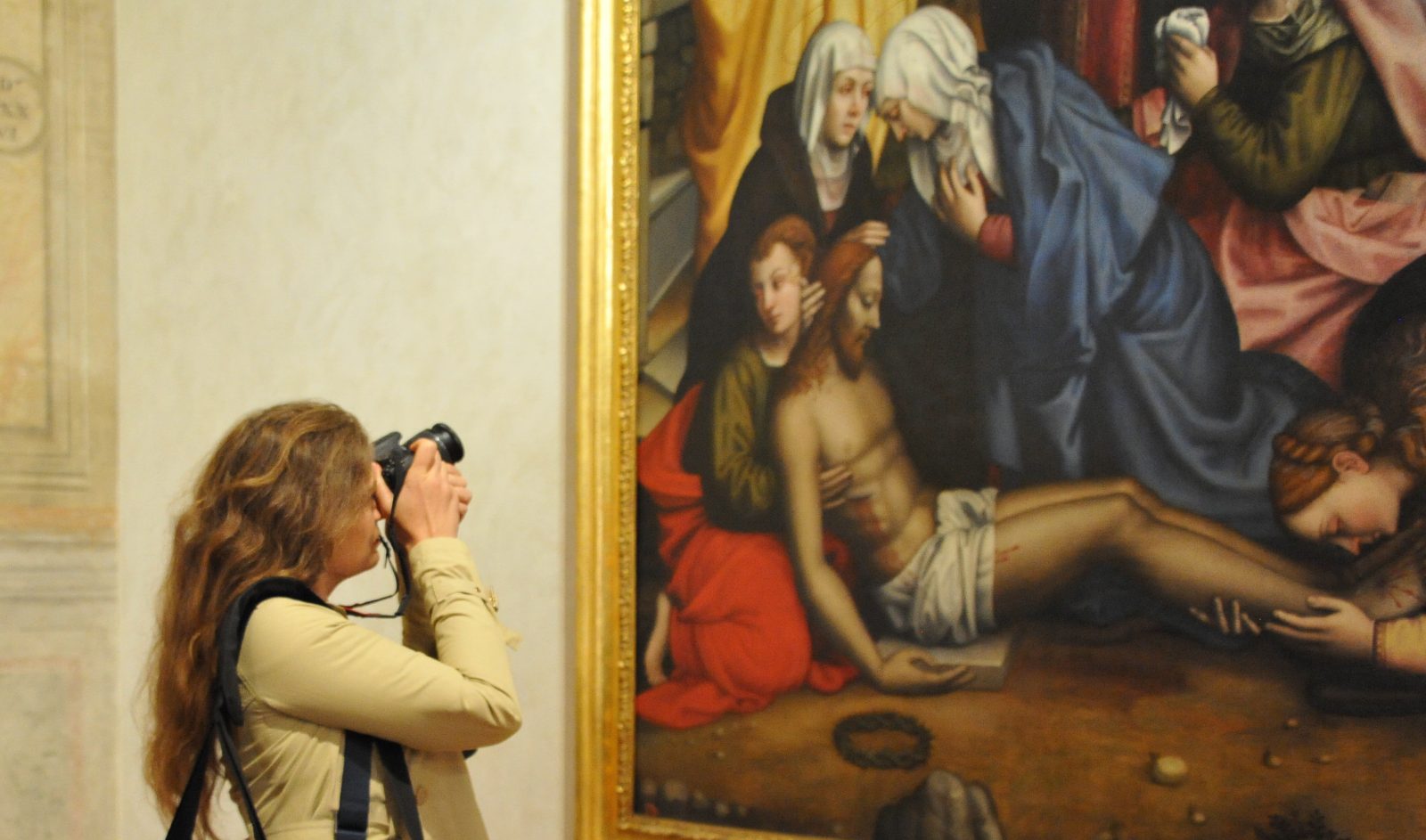
Cappella Sistina: i 17 cardinali con il naso all’insù
“Non esiste nell’universo delle arti un altro esempio di si geniale trasposizione di qualcosa che sta al di sopra dei nostri sensi di un episodio di assoluta, limpida comunicazione sensoriale”, scrisse lo storico dell’arte svizzero Jacob Burckhardt nell’Ottocento facendo riferimento alla volta della Cappella Sistina.
Quegli affreschi ammutolirono il mondo.
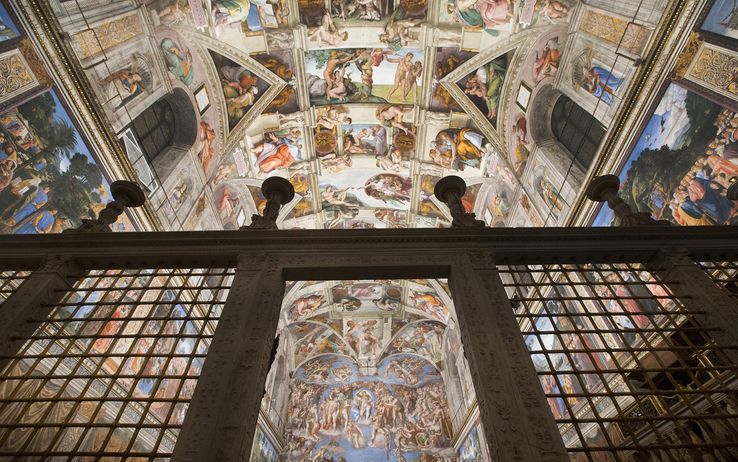
Dopo quattro anni di lavoro, interrotto mio malgrado per colpa di papa Giulio II che non mi stava elargendo più danari dopo la sua dipartita da Roma per Bologna, dopo liti e discussioni sempre col terribile della Rovere, il 31 ottobre del 1512, la grandiosa opera fu rivelata.
Grandiosa lo dico non per pavoneggiarmi. Tanto oramai sono morto e posso concedermi di celebrare le opere mie senza temere d’esser tacciato di vana gloria.
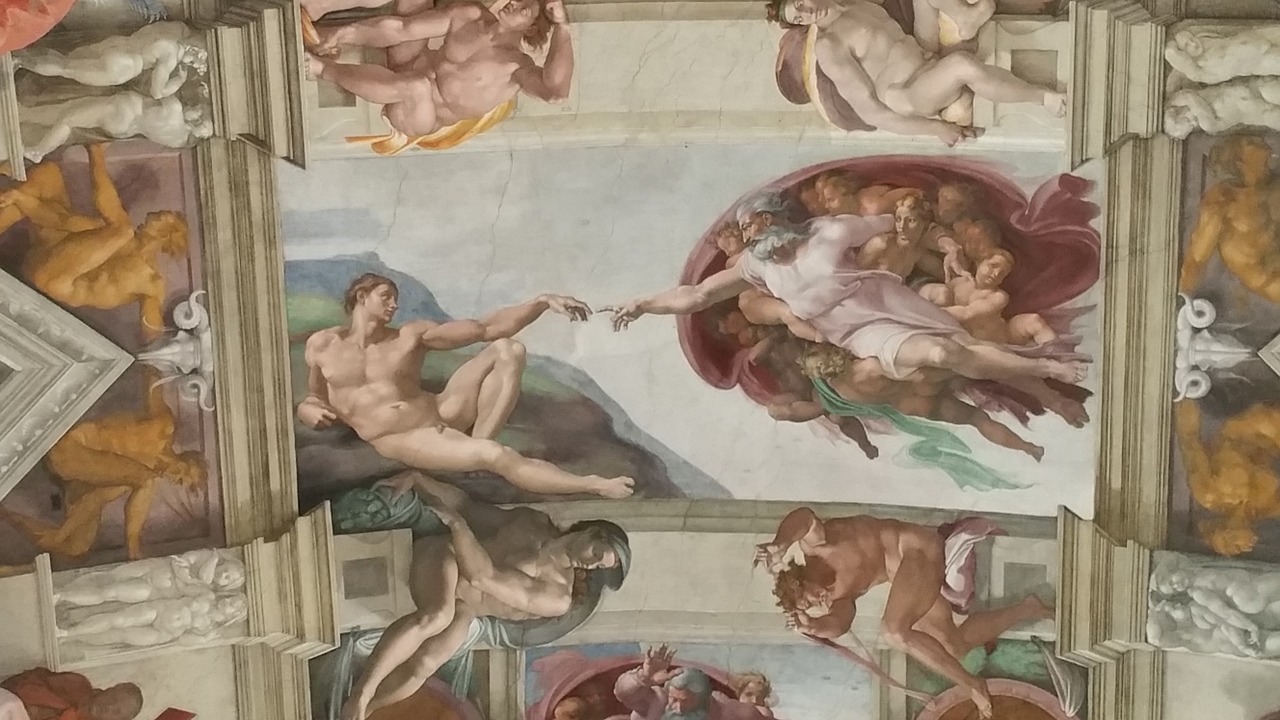
Sapete, il giorno dell’inaugurazione della volta della Sistina, papa Giulio II aveva chiamato al cospetto un ristretto gruppo di invitati ai quali offerse prima un lauto banchetto seguito dalla recita di due commedie in volgare.
La Messa inaugurale fu celebrata lui stesso subito dopo che camminò solennemente lungo la navata centrale accompagnato da 17 porporati vestiti a festa.
Vedere quei cardinali che non guardavano dinanzi a loro ma incedevano con il naso all’insù, rischiando di cadere, fu alquanto bizzarro.

Affascinati da quella visione, ne rimasero abbagliati. Un’opera grandiosa, mai vista prima. I tempi in cui la nudità era considerata scandalosa erano ancora lontani, sarebbero arrivati dopo anche se a conti fatti nn avrebbero interessato la volta.
Per il momento il sempre vostro Michelangelo Buonarroti vi saluta dandovi appuntamento ai prossimi post sui social.

Sostienici – Support Us
Se questo blog ti piace e ti appassiona, puoi aiutarci a farlo crescere sempre più sostenendoci in modo concreto condividendo i post, seguendo le pagine social e con un contributo che ci aiuta ad andare avanti con il nostro lavoro di divulgazione. . ENGLISH: If you like and are passionate about this blog, you can help us make it grow more and more by supporting us in a concrete way by sharing posts, following social pages and with a contribution that helps us to move forward with our dissemination work.
10,00 €
Sistine Chapel: The 17 Cardinals with Their Noses Up
“There is no other example in the universe of the arts of such a brilliant transposition of something that is above our senses than an episode of absolute, clear sensorial communication,” wrote the Swiss art historian in the 19th century, referring to the vault of the Sistine Chapel.
Those frescoes silenced the world.
After four years of work, interrupted in spite of myself because of Pope Julius II who was no longer giving me money after his departure from Rome for Bologna, after arguments and discussions always with the terrible della Rovere, on October 31, 1512, the grandiose work was revealed.
Grandiose I say, not to boast. After all, I am now dead and I can allow myself to celebrate my works without fear of being accused of vain glory.
You know, on the day of the inauguration of the Sistine vault, Pope Julius II had called a small group of guests to whom he first offered a sumptuous banquet followed by the recitation of two comedies in the vernacular.
He himself celebrated the inaugural Mass immediately after he walked solemnly along the central nave accompanied by 17 cardinals dressed for the occasion.
Seeing those cardinals who were not looking in front of them but were walking with their noses in the air, risking falling was bizarre.
Enraptured by that vision, they were dazzled by such wonder: a grandiose work, never seen before. The times when nudity was considered scandalous were still far away, they would come later even if in the end they would not have affected the vault.
For the moment, yours truly Michelangelo Buonarroti bids you farewell, making an appointment with you for the next posts on social media.
Sostienici – Support Us
Se questo blog ti piace e ti appassiona, puoi aiutarci a farlo crescere sempre più sostenendoci in modo concreto condividendo i post, seguendo le pagine social e con un contributo che ci aiuta ad andare avanti con il nostro lavoro di divulgazione. . ENGLISH: If you like and are passionate about this blog, you can help us make it grow more and more by supporting us in a concrete way by sharing posts, following social pages and with a contribution that helps us to move forward with our dissemination work.
10,00 €
-
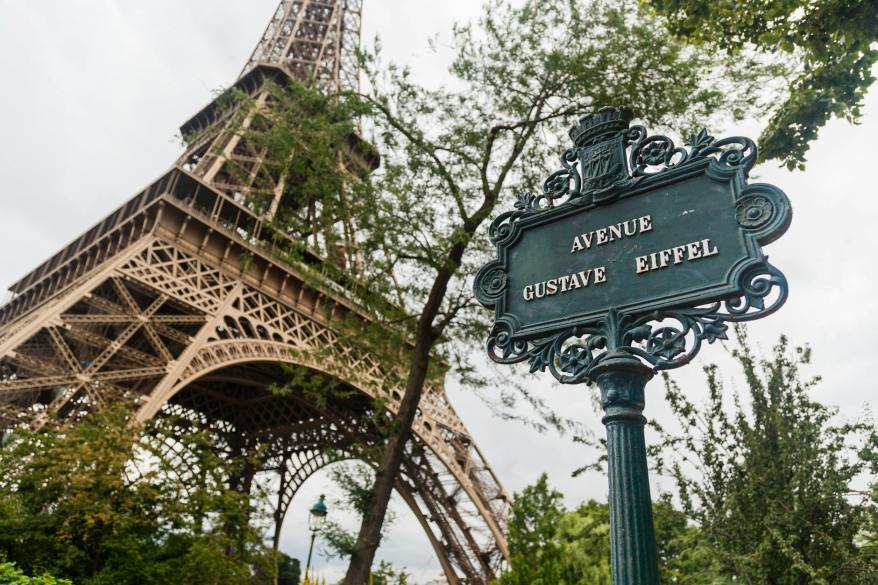
31 marzo 1889: inaugurata la Torre Eiffel tra critiche feroci e un destino inaspettato
🇮🇹Il 31 marzo 1889 segna una data destinata a cambiare per sempre il volto di Parigi e dell’immaginario collettivo globale: viene inaugurata la Torre Eiffel, l’opera più audace e discussa del suo tempo… 🇬🇧March 31, 1889 marks a date destined to change the face of Paris and the global collective imagination forever: the Eiffel Tower,…
-
Sodoma in mostra a Torino: il Rinascimento al Museo Accorsi-Ometto
🇮🇹Al Museo di Arti Decorative Accorsi-Ometto arriva una mostra dedicata al Sodoma: oltre 50 opere, alcune mai viste prima, raccontano la formazione dell’artista e il suo dialogo con maestri come Pinturicchio… 🇬🇧An exhibition dedicated to Sodoma arrives at the Accorsi-Ometto Museum of Decorative Arts: over 50 works, some never before seen, recount the artist’s development…
-
Il Compianto sul Cristo morto di Correggio: pathos e devozione
🇮🇹Con l’inizio della Settimana Santa, vi propongo il Compianto sul Cristo morto di Antonio Allegri, più noto come il Correggio: uno dei vertici assoluti della pittura emiliana del Cinquecento… 🇬🇧With the beginning of Holy Week, I propose the Lamentation over the Dead Christ by Antonio Allegri, better known as Correggio: one of the absolute peaks…
Condividi:


Questo sono io





sostienici

Sostienici - Support Us
Se questo blog ti piace e ti appassiona, puoi aiutarci a farlo crescere sempre più sostenendoci in modo concreto condividendo i post, seguendo le pagine social e con un contributo che ci aiuta ad andare avanti con il nostro lavoro di divulgazione. . ENGLISH: If you like and are passionate about this blog, you can help us make it grow more and more by supporting us in a concrete way by sharing posts, following social pages and with a contribution that helps us to move forward with our dissemination work.
€10,00


