

Il Mosè e l’esplosione dello sdegno domata
Tanto si è detto e tanto si è scritto sul Mosè che scolpii per la tomba di Giulio II. Fiumi di carta sono stati a lui dedicati da perfetti sconosciuti e da illustri letterati, storici dell’arte e pure da Freud.
Trovo particolarmente calzante la lettura che ne fece Charles de Tolnay, celebre storico dell’arte di origini ungheresi che per gran parte della sua vita studiò le mie opere e la mia esistenza, avendo modo poi di divenire il direttore di Casa Buonarroti, a Firenze.

“Il pathos del dramma interiore si traduce nelle volute dei capelli, nel turgore della fronte increspata di rughe e nello sguardo schiacciante che cade dalle orbite incavate; ma il fremito delle forti labbra sensuali dgli angoli calati, il corrucciato arricciamento del naso esprimono il sovrano disdegno che questo gigante prova dinanzi alle turpitudini umane”
Secondo il suo modo di vedere del lato sinistro e del lato destro della figura, accentuai il contrasto fra le due parti dell’opera. Mentre il lato sinistro, quello delle forze maligne contro cui Mosè si rivolge, ha una sagoma mossa e aperta mentre il lato destro propone una chiusura e una più evidente stabilità nelle emozioni.
Quello della differenziazione fra il lato destro protetto da Dio e quello sinistro che si apre al malvagio, è una lettura che ricorre in Tolnay per un gran numero di opere mie, David compreso.

“Il Mosè è la figura di un colosso seduto, fremente di indignazione: cataclisma fatto uomo. La potenza della passione scatena qui tutte le forze elementari. Il flutto della barba smisurata, la vigorosa spinta del ginocchio rupestre che si apre la via attraverso il ricadere del manto come attraverso una colata di lava, non sono che emanazioni d’uno sconvolgimento interiore, sotto il colpo dello sdegno e della collera”
Per il momento il sempre vostro Michelangelo Buonarroti vi saluta dandovi appuntamento ai prossimi post e sui social.

Moses and the tamed explosion of indignation
Much has been said and much has been written about the Moses that I sculpted for the tomb of Julius II. Rivers of paper have been dedicated to him by complete strangers and illustrious men of letters, art historians and even Freud.
I find particularly fitting the reading made by Charles de Tolnay, a famous art historian of Hungarian origins who studied my works and my existence for most of his life, later becoming the director of Casa Buonarroti in Florence. .
“The pathos of the internal drama is translated into the curls of the hair, the turgidity of the forehead creased with wrinkles and the overwhelming gaze that falls from the sunken eye sockets; but the quiver of the strong sensual lips of the lowered corners, the frowning wrinkle of the nose express the sovereign disdain that this giant feels before human turpitude”
According to his way of seeing the left and right sides of the figure, I accentuated the contrast between the two parts of the work. While the left side, that of the evil forces against which Moses turns, has a moving and open shape while the right side offers a closure and a more evident stability in the emotions. The differentiation between the right side protected by God and the left side which is open to the wicked is a reading that recurs in Tolnay for a large number of my works, including David.
“Moses is the figure of a seated colossus, trembling with indignation: cataclysm made man. The power of passion unleashes all the elementary forces here. The flow of the immense beard, the vigorous push of the rocky knee that opens its way through the falling mantle as if through a flow of lava, are nothing but emanations of an internal upheaval, under the blow of indignation and anger.”
For the moment, your always Michelangelo Buonarroti greets you and will meet you in the next posts and on social media.

Sostienici – Support Us
Se questo blog ti piace e ti appassiona, puoi aiutarci a farlo crescere sempre più sostenendoci in modo concreto condividendo i post, seguendo le pagine social e con un contributo che ci aiuta ad andare avanti con il nostro lavoro di divulgazione. . ENGLISH: If you like and are passionate about this blog, you can help us make it grow more and more by supporting us in a concrete way by sharing posts, following social pages and with a contribution that helps us to move forward with our dissemination work.
10,00 €
-
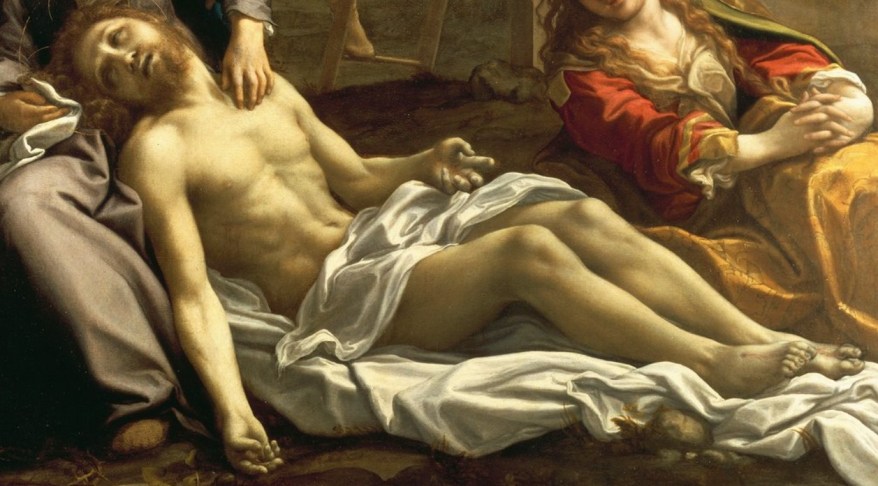
Il Compianto sul Cristo morto di Correggio: pathos e devozione
🇮🇹Con l’inizio della Settimana Santa, vi propongo il Compianto sul Cristo morto di Antonio Allegri, più noto come il Correggio: uno dei vertici assoluti della pittura emiliana del Cinquecento… 🇬🇧With the beginning of Holy Week, I propose the Lamentation over the Dead Christ by Antonio Allegri, better known as Correggio: one of the absolute peaks…
-
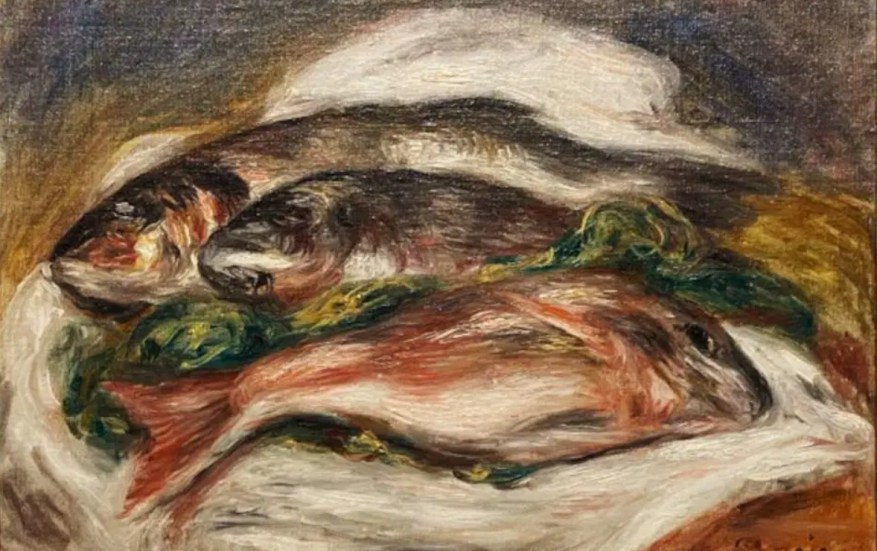
Furto milionario alla Magnani Rocca: rubati Renoir, Cézanne e Matisse
🇮🇹‼Tre capolavori storici spariti in meno di tre minuti: Les Poissons di Renoir, Tasse et plat de cerises di Cézanne e Odalisque sur la terrasse di Matisse sono stati rubati nella dalla Fondazione Magnani Rocca a Mamiano di Traversetolo, nel Parmense… 🇬🇧‼Three historic masterpieces disappeared in less than three minutes: Renoir’s Les Poissons, Cézanne’s Tasse…
-
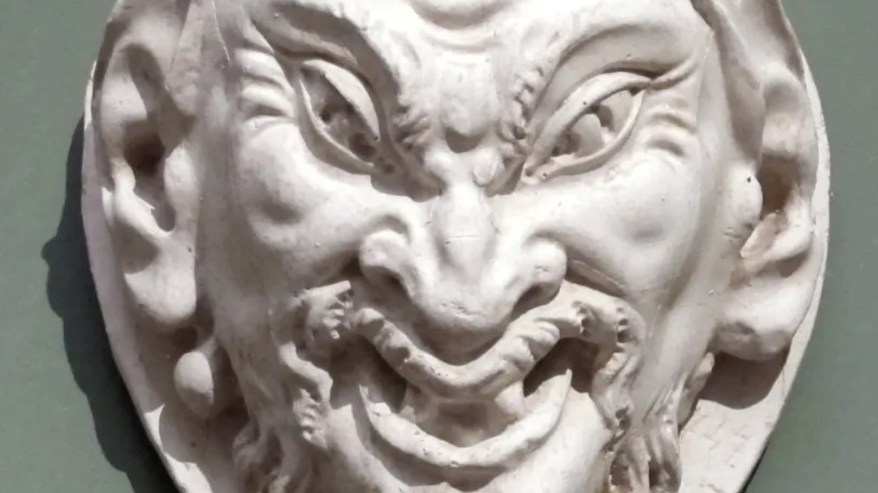
Fauno rubato: 15.000$ per ritrovarlo dopo 80 anni
🇮🇹Ero un ragazzino quando scolpii il Mascherone del Fauno sdentato. Oggi quel volto è perduto, rubato nella notte della guerra e da oltre 80 anni nessuno sa dove sia. Ora una ricompensa di 15.000$ riaccende la ricerca… 🇬🇧I was a boy when I sculpted the Toothless Faun Mask. Today that face is lost, stolen on…
Condividi:


Questo sono io





sostienici

Sostienici – Support Us
Se questo blog ti piace e ti appassiona, puoi aiutarci a farlo crescere sempre più sostenendoci in modo concreto condividendo i post, seguendo le pagine social e con un contributo che ci aiuta ad andare avanti con il nostro lavoro di divulgazione. . ENGLISH: If you like and are passionate about this blog, you can help us make it grow more and more by supporting us in a concrete way by sharing posts, following social pages and with a contribution that helps us to move forward with our dissemination work.
€10,00


