
Il verso e il recto per lo studio di uno dei 20 ignudi
Lo studio sul verso e sul recto che vi propongo oggi è relativo alla posa e alla muscolatura di un ignudo che poi affrescai sulla volta della Cappella Sistina.
Sul recto disegnai la figura intera di un corpo maschile, definendo la muscolatura in modo dettagliato mentre sul verso ingrandii il piede sinistro studiando in modo approfondito l’alluce, realizzandone tre schizzi.

Probabilmente era quello il modo che avevo di affrontare tutti i venti ignudi maschili dal corpo atletico, ideati per svolgere una funzione di supporto agli angoli delle scene dell’Antico Testamento.
Tracciai questo studio fra il 1510 e il 1511 senza lasciare nulla al caso.

Mi preme precisare che gli ignudi non hanno solamente uno scopo decorativo ma anche funzionale. Sorreggono le ghirlande di foglie di rovere a ricordare la casata di appartenenza del pontefice committente, Giulio II della Rovere, e al contempo tengono i nastri ai quali sono direttamente collegati per mezzo di cinque fenditure i medaglioni bronzei istoriati.
Si potrebbe leggere in queste figure atletiche anche una sorta di personificazione delle anime che dinanzi a Dio sono spoglie di qualsiasi difesa. Insomma, gli ignudi visti come l’essere inermi dinnanzi alla potenza divina.
Per il momento il sempre vostro Michelangelo Buonarroti vi saluta dandovi appuntamento ai prossimi post e sui social.

The reverse and recto for the study of one of the 20 naked figures
The study on the reverse and recto that I propose to you today is related to the pose and musculature of a nude figure that I then frescoed on the vault of the Sistine Chapel.
On the front I drew the entire figure of a male body, defining the muscles in detail, while on the back I enlarged the left foot and studied the big toe in detail, making three sketches.
I probably studied in this very detailed way all the twenty naked male figures with athletic bodies who perform a support function at the corners of the scenes of the Old Testament.
I traced this study between 1510 and 1511 leaving nothing to chance.
I would like to point out that the nudes have not only a decorative purpose but also a functional one. They hold the garlands of oak leaves to remember the family of the commissioning pontiff, Julius II della Rovere, and at the same time hold the ribbons to which the historiated bronze medallions are directly connected by means of five slits.
One could also read in these athletic figures a sort of personification of the souls that are stripped of any defense before God. In short, the naked seen as being helpless before divine power.
For the moment, your always Michelangelo Buonarroti greets you and will meet you in the next posts and on social media.

Sostienici – Support Us
Se questo blog ti piace e ti appassiona, puoi aiutarci a farlo crescere sempre più sostenendoci in modo concreto condividendo i post, seguendo le pagine social e con un contributo che ci aiuta ad andare avanti con il nostro lavoro di divulgazione. . ENGLISH: If you like and are passionate about this blog, you can help us make it grow more and more by supporting us in a concrete way by sharing posts, following social pages and with a contribution that helps us to move forward with our dissemination work.
8,00 €
-
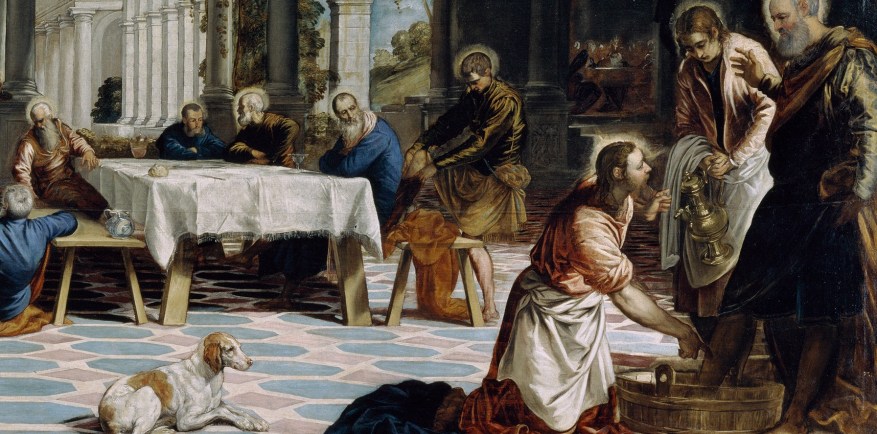
La Lavanda dei Piedi di Tintoretto: Il Capolavoro Veneziano al Prado
🇮🇹Tra i capolavori più affascinanti del Rinascimento veneziano, “La Lavanda dei Piedi” di Jacopo Tintoretto rappresenta un perfetto equilibrio tra spiritualità, innovazione compositiva e straordinaria forza narrativa… 🇬🇧Among the most fascinating masterpieces of the Venetian Renaissance, Jacopo Tintoretto’s “The Washing of the Feet” represents a perfect balance between spirituality, compositional innovation, and extraordinary narrative force…
-
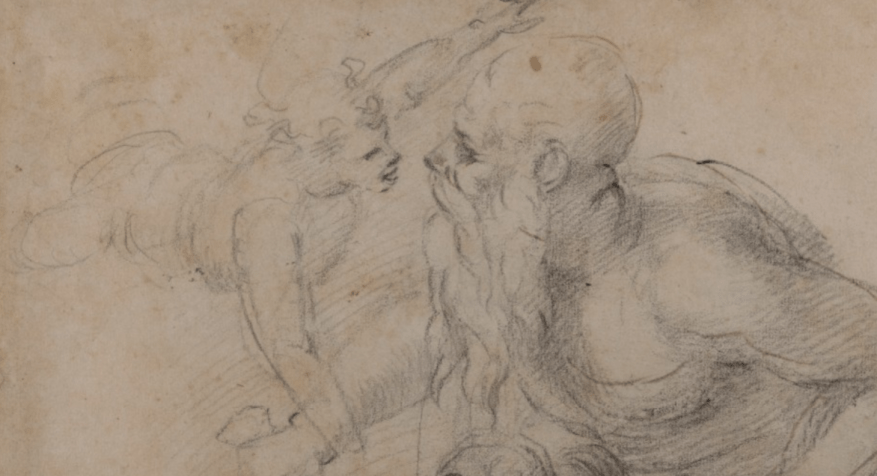
Il Sacrificio di Isacco e quel momento tra la vita e la morte
🇮🇹Oggi voglio raccontarvi alcuni dettagli sul mio disegno del Sacrificio di Isacco, conservato oggi a Casa Buonarroti. Su quel foglio volli tracciare il momento preciso in cui la paura fa spazio al miracolo… 🇬🇧Today I want to tell you some details about my drawing of the Sacrifice of Isaac, now preserved at Casa Buonarroti. On…
-
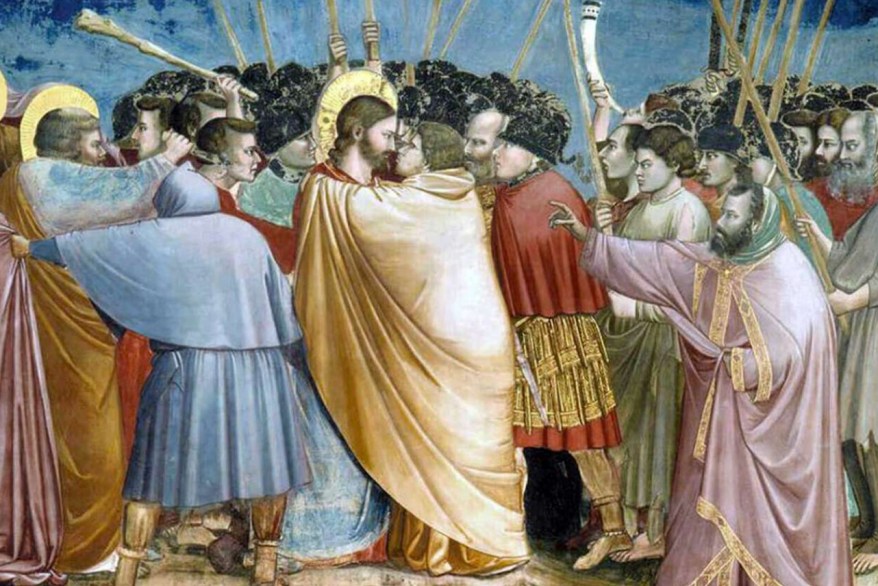
Mercoledì Santo: il giorno del tradimento di Giuda affrescato da Giotto
🇮🇹Il Mercoledì Santo è il giorno del silenzio, della riflessione e del tradimento. È il momento in cui Giuda sceglie di vendere Gesù per trenta denari, segnando uno dei passaggi più dolorosi della Settimana Santa…. 🇬🇧Holy Wednesday is a day of silence, reflection, and betrayal. ✝It is the moment when Judas chooses to sell Jesus…
Condividi:


Questo sono io





sostienici

Sostienici - Support Us
Se questo blog ti piace e ti appassiona, puoi aiutarci a farlo crescere sempre più sostenendoci in modo concreto condividendo i post, seguendo le pagine social e con un contributo che ci aiuta ad andare avanti con il nostro lavoro di divulgazione. . ENGLISH: If you like and are passionate about this blog, you can help us make it grow more and more by supporting us in a concrete way by sharing posts, following social pages and with a contribution that helps us to move forward with our dissemination work.
€10,00


