

Cappella Sistina: gli Ultimi atti della vita di Mosè del Signorelli e di Bartolomeo della Gatta
Oggi vi voglio parlare di uno dei grandi affreschi che decorano il secondo registro della Cappella Sistina.
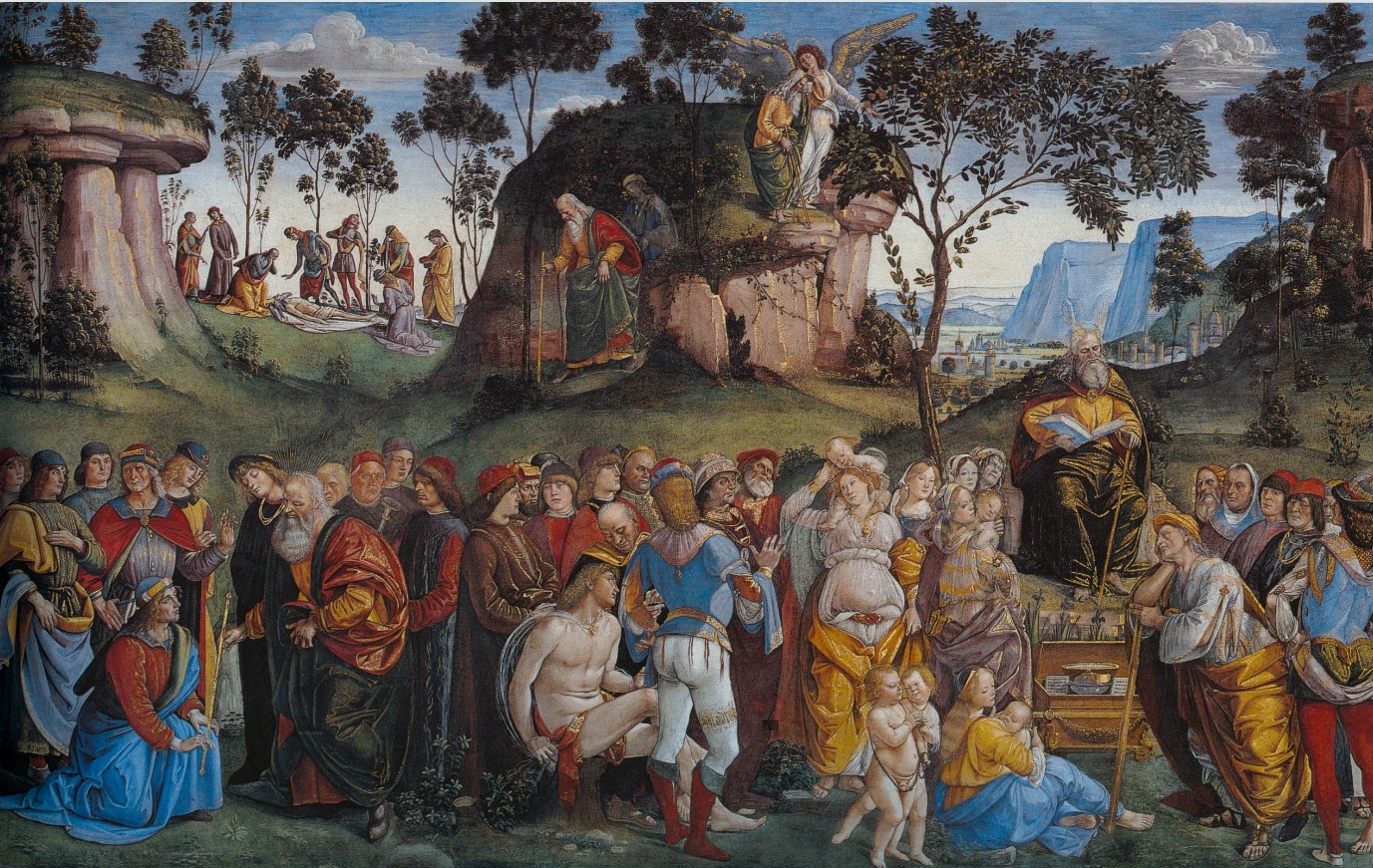
Fu realizzato per volere di papa Sisto IV da Luca Signorelli e Bartolomeo della Gatta nel 1482 e ha come soggetto gli Ultimi atti della vita di Mosé.
Ora dovete sapere che nessuno dei due pittori, della Gatta e Signorelli, faceva parte di quel gruppo di artisti che il papa volle ad affrescare la Cappella appena riedificata. Non compaiono infatti le loro firme sul contratto ufficiale stipulato il 27 ottobre del 1481, al fianco di quelle del Botticelli, Ghirlandaio, Cosimo Rosselli e Pietro Perugino.
Molto probabilmente erano al seguito del Perugino che, come soprintendendente di tutti gli affreschi con le storie di Cristo e di Mosè, affidò a loro l’incarico.
L’impianto della scena così come il disegno è attribuibile al Perugino mentre la stesura pittorica in parte è del Signorelli e in parte di Bartolomeo della Gatta.

L’affresco è caratterizzato da un grandissimo numero di dettagli apprezzabili a distanza ravvicinata. Abiti finemente ricamati con fili d’oro, acconciature rinascimentali particolarmente ricche, il paesaggio sullo sfondo e mirabili panneggi quasi si perdono nella grandezza della Sistina e al cospetto dei miei affreschi che catturano per primi lo sguardo dello spettatore.
Il racconto degli Ultimi atti della vita di Mosé, ormai giunto assieme al suo popolo sulla sponda orientale del Giordano, ha inizio a destra del riquadro.
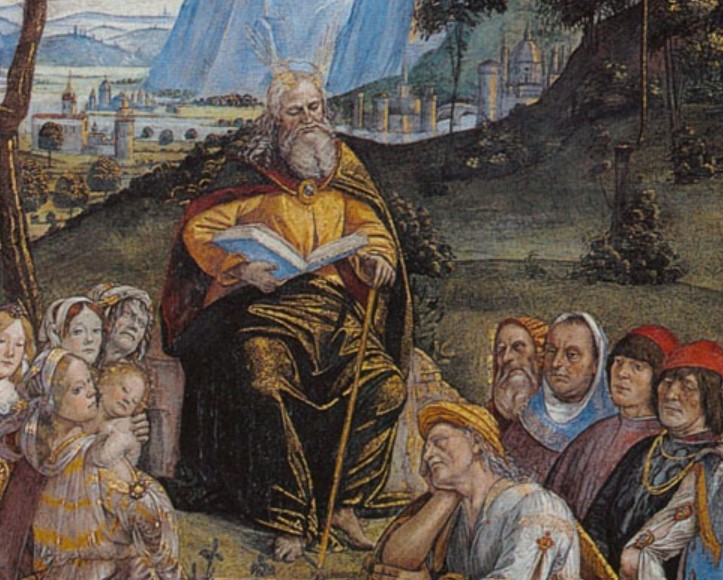
Mosè, seduto su un trono celato dalla sua ampia veste, fa il punto della situazione ricordando le peregrinazioni del suo popolo ed emana la seconda Legge.
Ai suoi piedi si vede l’Arca dell’Alleanza che custodisce le tavole con i comandamenti e la manna che ha permesso agli Ebrei di sopravvivere nel deserto.

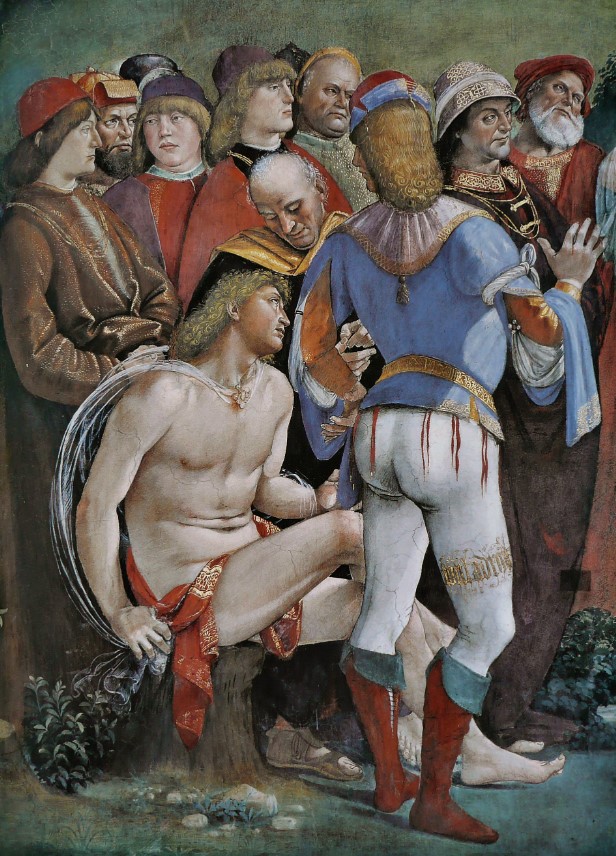
Al centro della scena si nota la presenza di un giovane nudo, con i fianchi celati parzialmente da un drappo rosso con ricami d’oro: ebbene, raffigura la tribù di Levi, destinata a non avere mai terre di proprietà.
A sinistra si vede sempre Mosè che cede il bastone del comando a Giosuè, il successore che condurrà il popolo nella Terra Promessa.
In alto un angelo indica all’anziano Mosè la terra promessa, dalla cima del monte Nebo. Nella scena successiva si vede il patriarca che scende dal monte e ancora dopo, è disteso a terra oramai morto.
Secondo la narrazione biblica, si spense a 120 anni, e il suo corpo nudo è circondato dalla gente del suo popolo.

Per il momento il sempre vostro michelangelo Buonarroti vi saluta dandovi appuntamento ai prossimi post e sui social.


Sistine Chapel: the Last Acts of the Life of Moses by Signorelli and Bartolomeo della Gatta
Today I want to talk to you about one of the large frescoes that decorate the second register of the Sistine Chapel.
It was created at the behest of Pope Sixtus IV by Luca Signorelli and Bartolomeo della Gatta in 1482 and has as its subject the Last Acts of the Life of Moses.
Now you must know that neither of the two painters, della Gatta and Signorelli, were part of that group of artists that the Pope wanted to fresco the newly rebuilt Chapel. In fact, their signatures do not appear on the official contract stipulated on 27 October 1481, alongside those of Botticelli, Ghirlandaio, Cosimo Rosselli and Pietro Perugino.
Most likely they were following Perugino who, as superintendent of all the frescoes with the stories of Christ and Moses, entrusted the task to them.
The layout of the scene as well as the drawing can be attributed to Perugino while the pictorial layout is partly by Signorelli and partly by Bartolomeo della Gatta.
The fresco is characterized by a huge number of details that can be appreciated at close range. Dresses finely embroidered with gold threads, particularly rich Renaissance hairstyles, the landscape in the background and admirable drapery almost get lost in the grandeur of the Sistine Chapel and in the presence of my frescoes which first capture the viewer’s gaze.
The story of the last acts of the life of Moses, who now arrived together with his people on the eastern bank of the Jordan, begins on the right of the panel.
Moses, sitting on a throne hidden by his loose robe, takes stock of the situation, recalling the wanderings of his people and issues the second Law.
At his feet you can see the Ark of the Covenant which houses the tablets with the commandments and the manna that allowed the Jews to survive in the desert.
At the center of the scene we see a naked young man, with his hips partially hidden by a red cloth with gold embroidery: well, he represents the tribe of Levi, destined to never have land of their own.
On the left we always see Moses handing over the staff of command to Joshua, the successor who will lead the people to the Promised Land.
Above you can see an angel pointing out the promised land to the elderly Moses, from the top of Mount Nebo. In the next scene we see the patriarch coming down from the mountain and again later, he is lying on the ground now dead.
According to the biblical narrative, he passed away at the age of 120, and his naked body is surrounded by his people.
For the moment, your always Michelangelo Buonarroti greets you and will meet you in the next posts and on social media.

Sostienici – Support Us
Se questo blog ti piace e ti appassiona, puoi aiutarci a farlo crescere sempre più sostenendoci in modo concreto condividendo i post, seguendo le pagine social e con un contributo che ci aiuta ad andare avanti con il nostro lavoro di divulgazione. . ENGLISH: If you like and are passionate about this blog, you can help us make it grow more and more by supporting us in a concrete way by sharing posts, following social pages and with a contribution that helps us to move forward with our dissemination work.
8,00 €
-
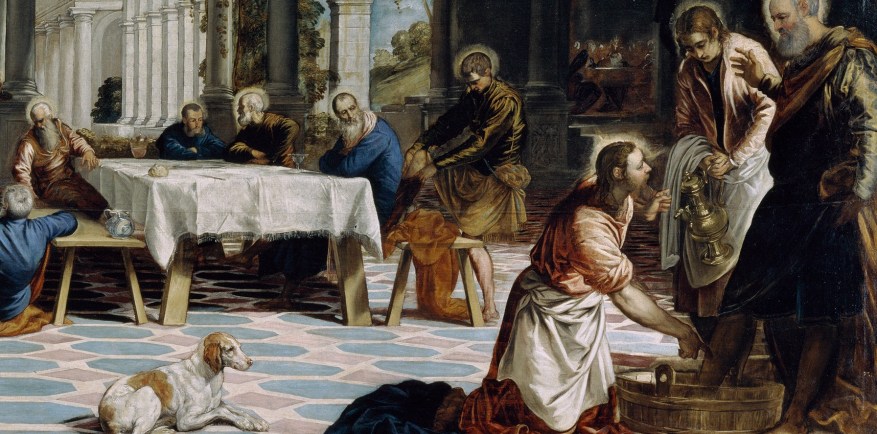
La Lavanda dei Piedi di Tintoretto: Il Capolavoro Veneziano al Prado
🇮🇹Tra i capolavori più affascinanti del Rinascimento veneziano, “La Lavanda dei Piedi” di Jacopo Tintoretto rappresenta un perfetto equilibrio tra spiritualità, innovazione compositiva e straordinaria forza narrativa… 🇬🇧Among the most fascinating masterpieces of the Venetian Renaissance, Jacopo Tintoretto’s “The Washing of the Feet” represents a perfect balance between spirituality, compositional innovation, and extraordinary narrative force…
-
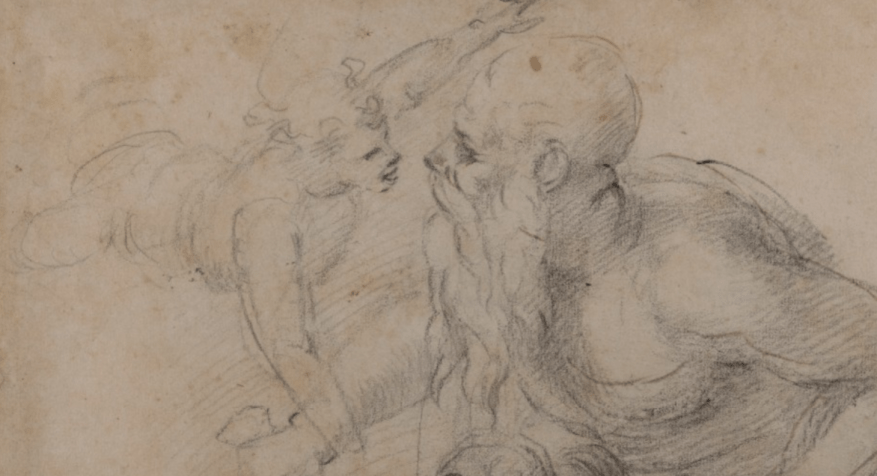
Il Sacrificio di Isacco e quel momento tra la vita e la morte
🇮🇹Oggi voglio raccontarvi alcuni dettagli sul mio disegno del Sacrificio di Isacco, conservato oggi a Casa Buonarroti. Su quel foglio volli tracciare il momento preciso in cui la paura fa spazio al miracolo… 🇬🇧Today I want to tell you some details about my drawing of the Sacrifice of Isaac, now preserved at Casa Buonarroti. On…
-
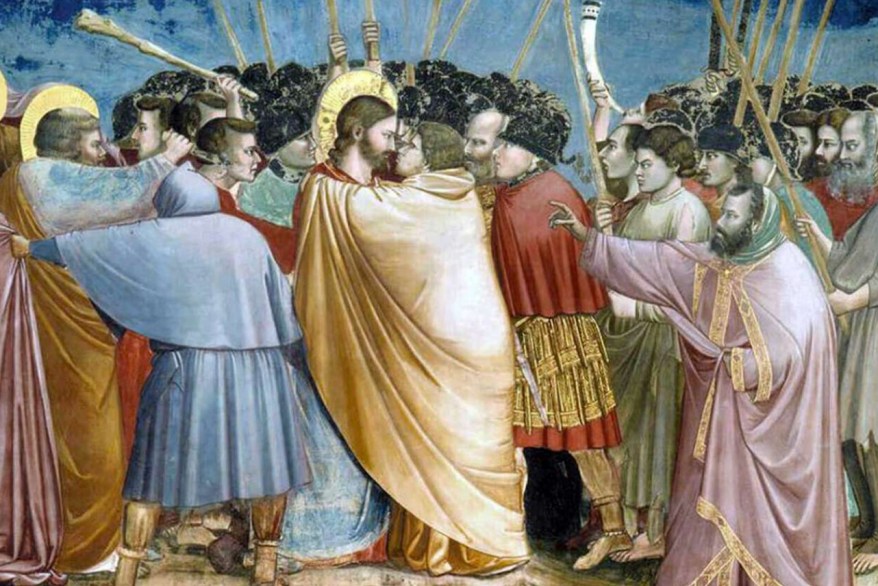
Mercoledì Santo: il giorno del tradimento di Giuda affrescato da Giotto
🇮🇹Il Mercoledì Santo è il giorno del silenzio, della riflessione e del tradimento. È il momento in cui Giuda sceglie di vendere Gesù per trenta denari, segnando uno dei passaggi più dolorosi della Settimana Santa…. 🇬🇧Holy Wednesday is a day of silence, reflection, and betrayal. ✝It is the moment when Judas chooses to sell Jesus…
Condividi:


Questo sono io





sostienici

Sostienici - Support Us
Se questo blog ti piace e ti appassiona, puoi aiutarci a farlo crescere sempre più sostenendoci in modo concreto condividendo i post, seguendo le pagine social e con un contributo che ci aiuta ad andare avanti con il nostro lavoro di divulgazione. . ENGLISH: If you like and are passionate about this blog, you can help us make it grow more and more by supporting us in a concrete way by sharing posts, following social pages and with a contribution that helps us to move forward with our dissemination work.
€10,00


