
Il Dipinto del giorno: la Maddalena dell’Allori con il salmo penitenziale fra le mani
Il dipinto del giorno che vi propongo oggi è l’olio su tela con la Maddalena Penitente realizzato da Alessandro Allori, oggi custodito nel Museo Stibbert di Firenze.
L’artista Allori, nato il 31 maggio del 1535 a Firenze, talvolta viene appellato Bronzino dal nome del suo maestro, creando un po’ di confusione in chi lo scambia per l’appunto con Agnolo Bronzino.

Entrò a bottega dal maestro che era un bimbetto e, a soli quattordici anni, divenne un pittore autonomo.
Lavorò per la famiglia Medici e grazie al Bronzino, riuscì a intessere rapporti con personaggi ecclesiastici di spicco, letterati e artisti.
Sapete, l‘Allori fu uno degli artisti che partecipò attivamente all’allestimento dell’apparato scenografico che fu messo in piedi per il mio maestoso funerale del 14 luglio del 1574.

Nel dipinto in questione della Maria Maddalena penitente, l’Allori volle dipingere la donna vestita in modo elegante mentre in ginocchio medita davanti al Crocifisso in legno policromo che si eleva da un tronco spezzato da un fulmine, simbolo del rinnovamento dello Spirito.
Fra le mani, poggiato sul grembo, tiene un libro su cui è possibile leggere le parole “Beati quorum remissae sunt iniquitates” ovvero “Beati coloro chi sono rimesse le colpe”. E’ parte del versetto che apre il salmo 31, un salmo penitenziale che viene citato anche da San Paolo nella lettera ai Romani.
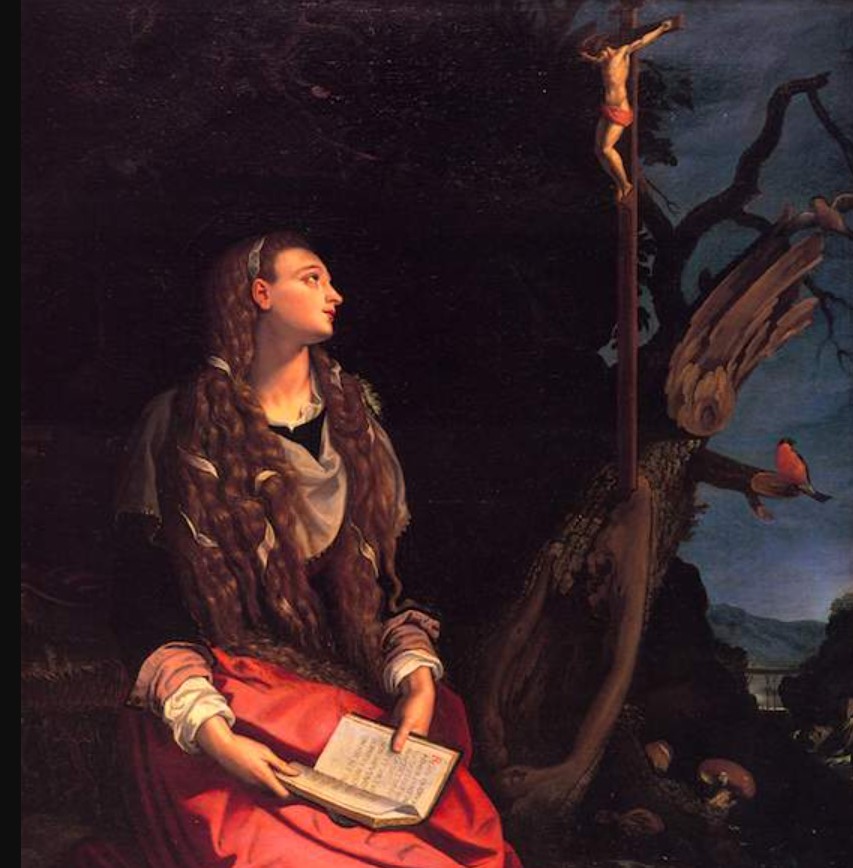
E’ un’opera della maturità dell’artista che volle allontanarsi dalla maniera tradizionale di raffigurare la Santa, abitualmente rappresentata in una grotta, spesso con il corpo coperto dai soli capelli lunghi completamente sciolti.
L’opera entrò a far parte del Guardaroba ducale nel 1602 e non è da escludere che l’artista, realizzando il dipinto, tenne in conto i gusti dei Medici. Sono presenti infatti piante e uccelli, raffigurati con una precisione tale da sembrare scientifica mentre il paesaggio sembra ispirato dalla maniera fiamminga: tutte caratteristiche care a Ferdinando I.
Per il momento il sempre vostro Michelangelo Buonarroti vi saluta dandovi appuntamento ai prossimi post e sui social.
The Painting of the day: Allori’s penitent Magdalene with the penitential psalm in her hands
The painting of the day that I propose to you today is the oil on canvas with the Penitent Magdalene created by Alessandro Allori, now kept in the Stibbert Museum in Florence.
The artist Allori, born on 31 May 1535 in Florence, is sometimes called Bronzino after the name of his master, creating a bit of confusion in those who mistake him for Agnolo Bronzino.
He entered the workshop of the master who was a child and, at only fourteen years old, he became an independent painter. He worked for the Medici family and thanks to Bronzino, he managed to build relationships with prominent ecclesiastical figures, writers and artists.
You know, Allori was one of the artists who actively participated in the preparation of the scenographic apparatus that was put in place for my majestic funeral on 14 July 1574.
In the painting in question of the penitent Mary Magdalene, Allori wanted to paint the woman elegantly dressed, kneeling and meditating in front of the polychrome wooden Crucifix rising from a trunk broken by lightning, symbol of the renewal of the Spirit.
In her hands, resting on her lap, he holds a book on which it is possible to read the words “Beati quorum remissae sunt iniquitates” or “Blessed are those whose sins are forgiven”. It is part of the verse that opens Psalm 31, a penitential psalm that is also cited by Saint Paul in his letter to the Romans.
It is a work of the artist’s maturity who wanted to move away from the traditional way of depicting the Saint, usually represented in a cave, often with her body covered only by her long, completely loose hair.
The work became part of the ducal wardrobe in 1602 and it cannot be ruled out that the artist took the tastes of the Medici into account when creating the painting. In fact, there are plants and birds, depicted with such precision that it seems scientific while the landscape seems inspired by the Flemish style: all characteristics dear to Ferdinand I.
For the moment, your always Michelangelo Buonarroti greets you and will meet you in the next posts and on social media.

Sostienici – Support Us
Se questo blog ti piace e ti appassiona, puoi aiutarci a farlo crescere sempre più sostenendoci in modo concreto condividendo i post, seguendo le pagine social e con un contributo che ci aiuta ad andare avanti con il nostro lavoro di divulgazione. . ENGLISH: If you like and are passionate about this blog, you can help us make it grow more and more by supporting us in a concrete way by sharing posts, following social pages and with a contribution that helps us to move forward with our dissemination work.
8,00 €
-
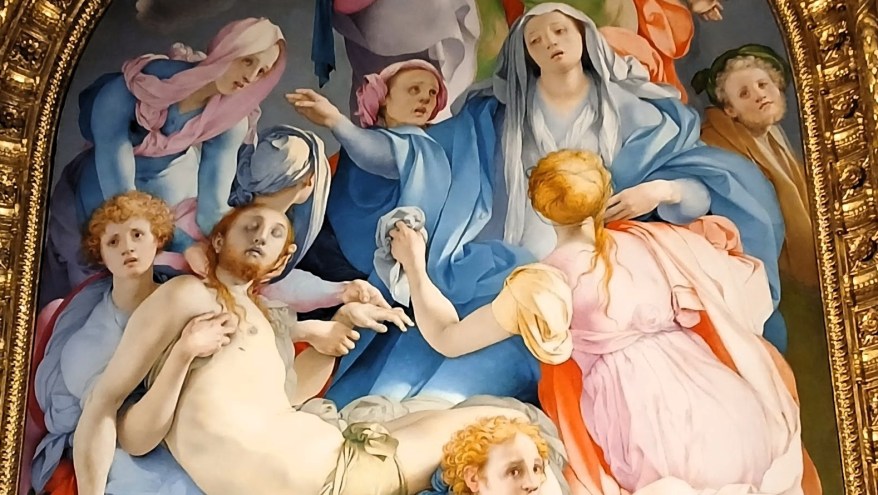
La Deposizione del Pontormo: il capolavoro dell’artista
🇮🇹Ti coinvolge. Ti mette a disagio. Ti costringe a sentire. E’ la Deposizione dalla Croce, dipinta da Jacopo Pontormo tra il 1525 e il 1528 per la Cappella Capponi… 🇬🇧It draws you in. It makes you uncomfortable. It forces you to feel. It’s the Deposition from the Cross, painted by Jacopo Pontormo between 1525 and…
-
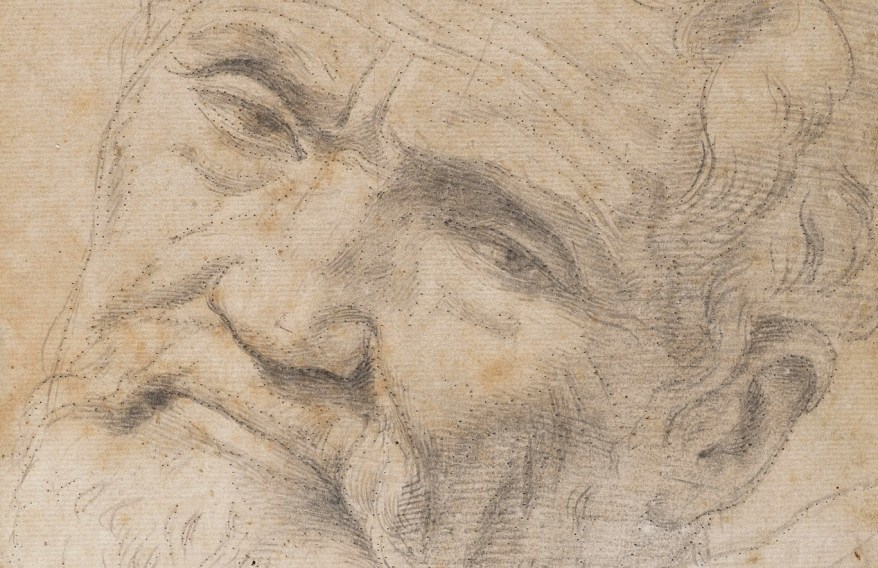
Non chiamatelo Braghettone: il 4 aprile del 1566 muore Daniele da Volterra, l’artista che salvò il Giudizio Universale
🇮🇹Braghettone? No, molto di più. Il 4 aprile 1566 moriva Daniele da Volterra, il mio allievo più fedele, l’uomo che mi rimase accanto fino all’ultimo respiro e che salvò il mio Giudizio Universale dalla distruzione… 🇬🇧Braghettone? No, much more. On April 4, 1566, Daniele da Volterra died, my most faithful student, the man who remained…
-
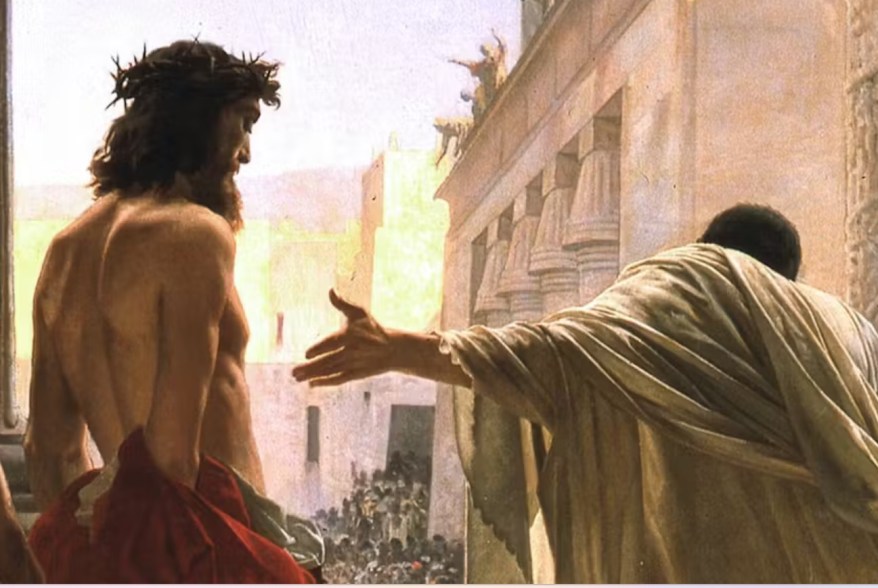
Venerdì Santo: gli “Ecce Homo” più intensi della storia dell’arte
🇮🇹Ecce Homo. Da Antonello da Messina a Tintoretto, fino al sorprendente capolavoro di Antonio Ciseri, questo soggetto ha attraversato i secoli raccontando dolore, umanità e coscienza… 🇬🇧Ecce Homo. From Antonello da Messina to Tintoretto, to Antonio Ciseri’s astonishing masterpiece, this subject has spanned the centuries, recounting pain, humanity, and conscience…
Condividi:


Questo sono io





sostienici

Sostienici - Support Us
Se questo blog ti piace e ti appassiona, puoi aiutarci a farlo crescere sempre più sostenendoci in modo concreto condividendo i post, seguendo le pagine social e con un contributo che ci aiuta ad andare avanti con il nostro lavoro di divulgazione. . ENGLISH: If you like and are passionate about this blog, you can help us make it grow more and more by supporting us in a concrete way by sharing posts, following social pages and with a contribution that helps us to move forward with our dissemination work.
€10,00


