

Apollo del Belvedere: stabilità a rischio. Iniziato il restauro
Il celeberrimo Apollo del Belvedere è stato celato alla vista nell’omonimo cortile dei Musei Vaticani che lo ospita fin da quando lì lo fece collocare papa Giulio II e, per un po’ di tempo, non sarà più visibile al pubblico.
È iniziato il restauro dell’opera databile attorno alla metà del II secolo d.C., replica del bronzo che fu fuso fra il 330 e il 320 a. C. da Leochares, uno degli artisti ateniesi che lavorò anche al Mausoleo di Alicarnasso.

L’ultimo restauro che ha interessato l’Apollo del Belvedere risale a oltre venti anni fa. Quell’intervento purtroppo ne ha compromesso sensibilmente la stabilità e quindi i restauratori dovranno restituire al capolavoro un perfetto equilibrio per garantirne una migliore conservazione per le future generazioni.
Il progetto di restauro è sostenuto economicamente dall’Art Conservation Project 2021 di Bank of America mediante la collaborazione del capitolo Italiano e Internazionale dei Patrons of the Arts in the Vatican Museums.
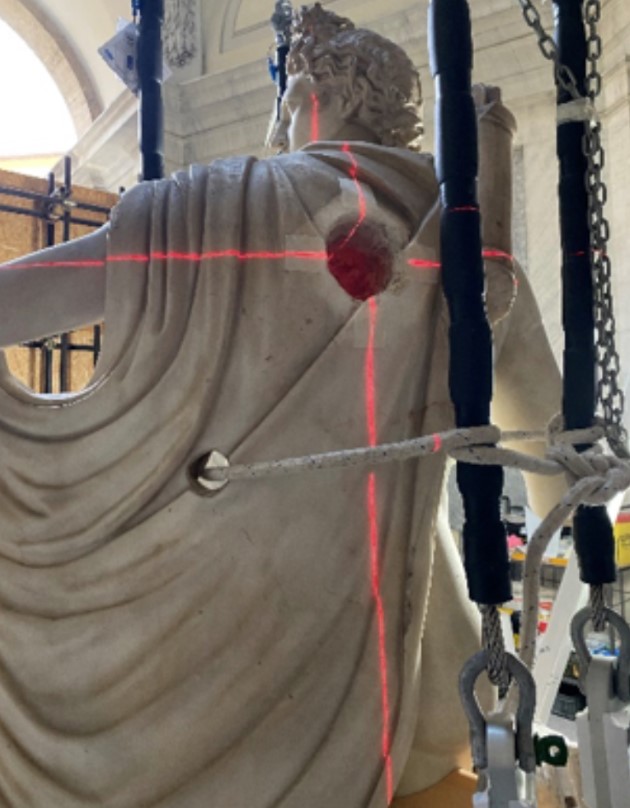
L‘Apollo fa parte del nucleo fondativo dei Musei Vaticani. In origine apparteneva alle collezioni del cardinale Giuliano della Rovere ed era custodito nel suo palazzo privato romano. Quando poi salì al soglio pontificio con il nome di papa Giulio II, nel 1503, l’opera fu portata in Vaticano poco dopo e risulta posizionata laddove si trova oggi fin dal 1508.
“di tutte le opere dell’antichità scampate alla distruzione, la statua di Apollo rappresenta il più alto ideale dell’arte. “
Johann Joachim Winckelmann
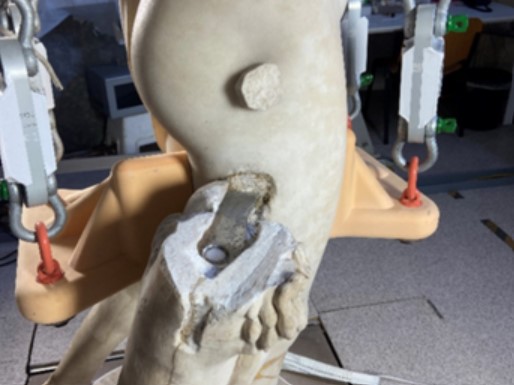
Come accennato prima, il restauro sarà incentrato soprattutto sulla parte strutturale dell’opera. Per far ciò la scultura dovrà essere sistemata all’interno di una struttura di sostegno realizzata in fibra di carbonio e tiranti in acciaio, al momento in fase di relizzazione da parte dell’azienda specializzata Aviacompositi, seguendo le direttive date dal Dipartimento di Antichità greche e romane, il Laboratorio di Restauro del Marmo e il Laboratorio di Ricerche Scientifiche dei Musei Vaticani.
L’innovativa struttura permetterà di bilanciare in modo adeguato i carichi che gravano sull’opera che interessano soprattutto la gamba destra e il broncone. La tenuta di questi due elementi è stata infatti gravemente compromessa dagli interventi eseguiti precedentemente.
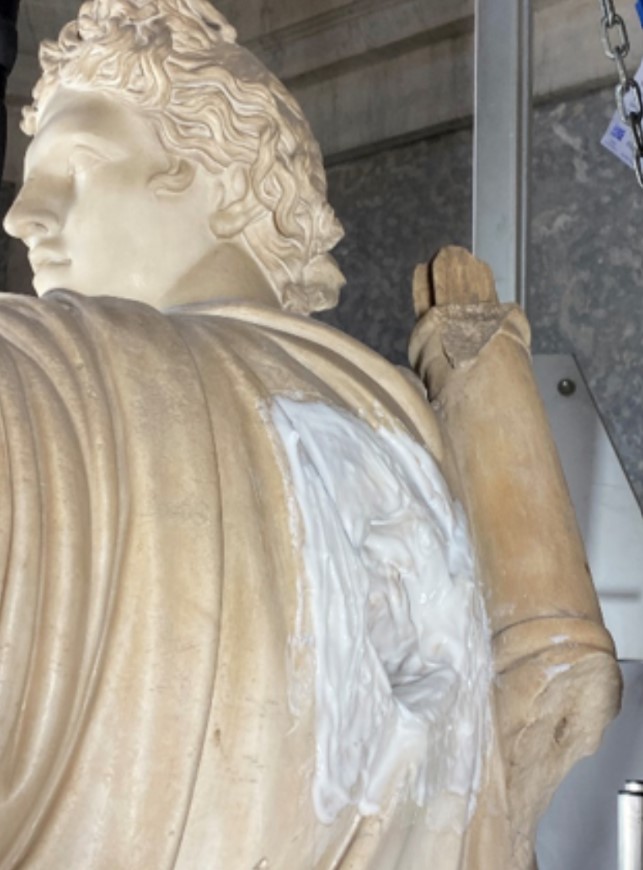
Nel corso dell’Ottocento l’Apollo del Belvedere già era stato fissato saldamente alla muratura che ha alle spalle adoperando una sbarra di ferro proprio per alleggerire il carico.
Nel corso delle indagini diagnostiche è stata rilevata la presenza di barre, fori e perni relativi a restauri precedenti. Nei prossimi giorni verranno eseguite ulteriori indagini diagnostiche con un’accurata campagna radiografica per determinare l’entità delle reintegrazioni eseguite nel corso dei secoli.
Il restauro si pone l’obiettivo primario di ripristinare tutti quegli elementi che hanno una funzione portante che possano restituire all’opera la corretta stabilità.
Per il momento il sempre vostro Michelangelo Buonarroti vi saluta dandovi appuntamento ai prossimi post e sui social.
Apollo del Belvedere: stability at risk. The restoration has begun
The famous Apollo del Belvedere has been removed from the courtyard of the same name of the Vatican Museums which has hosted it since Pope Julius II had it placed there and will no longer be visible to the public for some time.
In fact, the restoration of the work dating back to around the middle of the 2nd century AD has begun, a replica of the bronze that was melted between 330 and 320 BC. C. by Leochares, one of the Athenian artists who also worked on the Mausoleum of Halicarnassus.
The last restoration involving the Apollo del Belvedere dates back to over twenty years ago. Unfortunately, that intervention significantly compromised its stability and therefore the restorers will have to restore perfect balance to the masterpiece to ensure better conservation for future generations.
The restoration project is financially supported by the Art Conservation Project 2021 of Bank of America through the collaboration of the Italian and International chapter of the Patrons of the Arts in the Vatican Museums.
The Apollo sculpture is part of the founding nucleus of the Vatican Museums. It originally belonged to the collections of Cardinal Giuliano della Rovere and was kept in his private Roman palace. When he ascended to the papal throne with the name of Pope Julius II, in 1503, the work was brought to the Vatican shortly after and has been positioned where it is today since 1508.
“Of all the works of antiquity that escaped destruction, the statue of Apollo represents the highest ideal of art. “
Johann Joachim Winckelmann
As mentioned before, the restoration will focus mainly on the structural part of the work. To do this, the sculpture will have to be placed inside a support structure made of carbon fiber and steel tie rods being created by the specialized company Aviacompositi, following the directives given by the Department of Greek and Roman Antiquities, the Marble Restoration Laboratory and the Scientific Research Laboratory of the Vatican Museums.
The innovative structure will allow the loads weighing on the work, which mainly affect the right leg and the lower leg, to be adequately balanced. The stability of these two elements was in fact seriously compromised by the interventions carried out previously.
During the nineteenth century, the Apollo del Belvedere had already been firmly fixed to the masonry behind it using an iron bar to lighten the load.
During the diagnostic investigations, the presence of bars, holes and pins relating to previous restorations was detected. In the next few days, further diagnostic investigations will be carried out with an accurate radiographic campaign to determine the extent of the reintegrations carried out over the centuries.
The restoration has the primary objective of restoring all those elements that have a load-bearing function that can restore the correct stability to the work.
For the moment, your always Michelangelo Buonarroti greets you and will meet you in the next posts and on social media.

Sostienici – Support Us
Se questo blog ti piace e ti appassiona, puoi aiutarci a farlo crescere sempre più sostenendoci in modo concreto condividendo i post, seguendo le pagine social e con un contributo che ci aiuta ad andare avanti con il nostro lavoro di divulgazione. . ENGLISH: If you like and are passionate about this blog, you can help us make it grow more and more by supporting us in a concrete way by sharing posts, following social pages and with a contribution that helps us to move forward with our dissemination work.
8,00 €
-
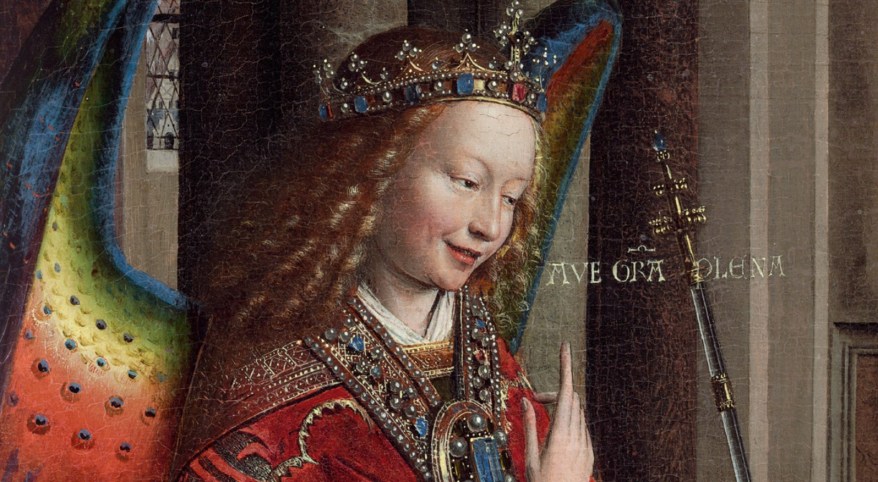
25 marzo: l’Annunciazione di Jan van Eyck, capolavoro fiammingo
🇮🇹Nel giorno del 25 marzo, tradizionalmente legato al mistero dell’Annunciazione, lo sguardo si posa su uno dei capolavori più raffinati della pittura nordica: l’Annunciazione di Jan van Eyck… 🇬🇧On March 25, traditionally linked to the mystery of the Annunciation, our gaze falls on one of the finest masterpieces of Northern European painting: The Annunciation by…
-
Van Dyck a Genova: la mostra che emoziona tra luce, mirabili dettagli e sguardi indimenticabili
🇮🇹Ho avuto modo di visitare la mostra “Van Dyck l’Europeo” a Genova: un viaggio emozionante tra Anversa, Genova e Londra attraverso dettagli, sguardi e capolavori senza tempo… 🇬🇧I had the opportunity to visit the exhibition “Van Dyck the European” in Genoa: an exciting journey between Antwerp, Genoa, and London through details, glances, and timeless masterpieces…
-
Quando il Capodanno cadeva il 25 marzo: l’Annunciazione di Alessandro Franchi
🇮🇹Il 25 marzo si celebra l’Annunciazione che per secoli, a Firenze e nel resto della Toscana, segnava l’inizio del nuovo anno. Tra le opere più suggestive che raffigurano l’Annunciazione, vi propongo il cartone realizzato da Alessandro Franchi intorno al 1884… 🇬🇧March 25th marks the celebration of the Annunciation, which for centuries marked the beginning of…
Condividi:


Questo sono io





sostienici

Sostienici - Support Us
Se questo blog ti piace e ti appassiona, puoi aiutarci a farlo crescere sempre più sostenendoci in modo concreto condividendo i post, seguendo le pagine social e con un contributo che ci aiuta ad andare avanti con il nostro lavoro di divulgazione. . ENGLISH: If you like and are passionate about this blog, you can help us make it grow more and more by supporting us in a concrete way by sharing posts, following social pages and with a contribution that helps us to move forward with our dissemination work.
€10,00


1 commento »