
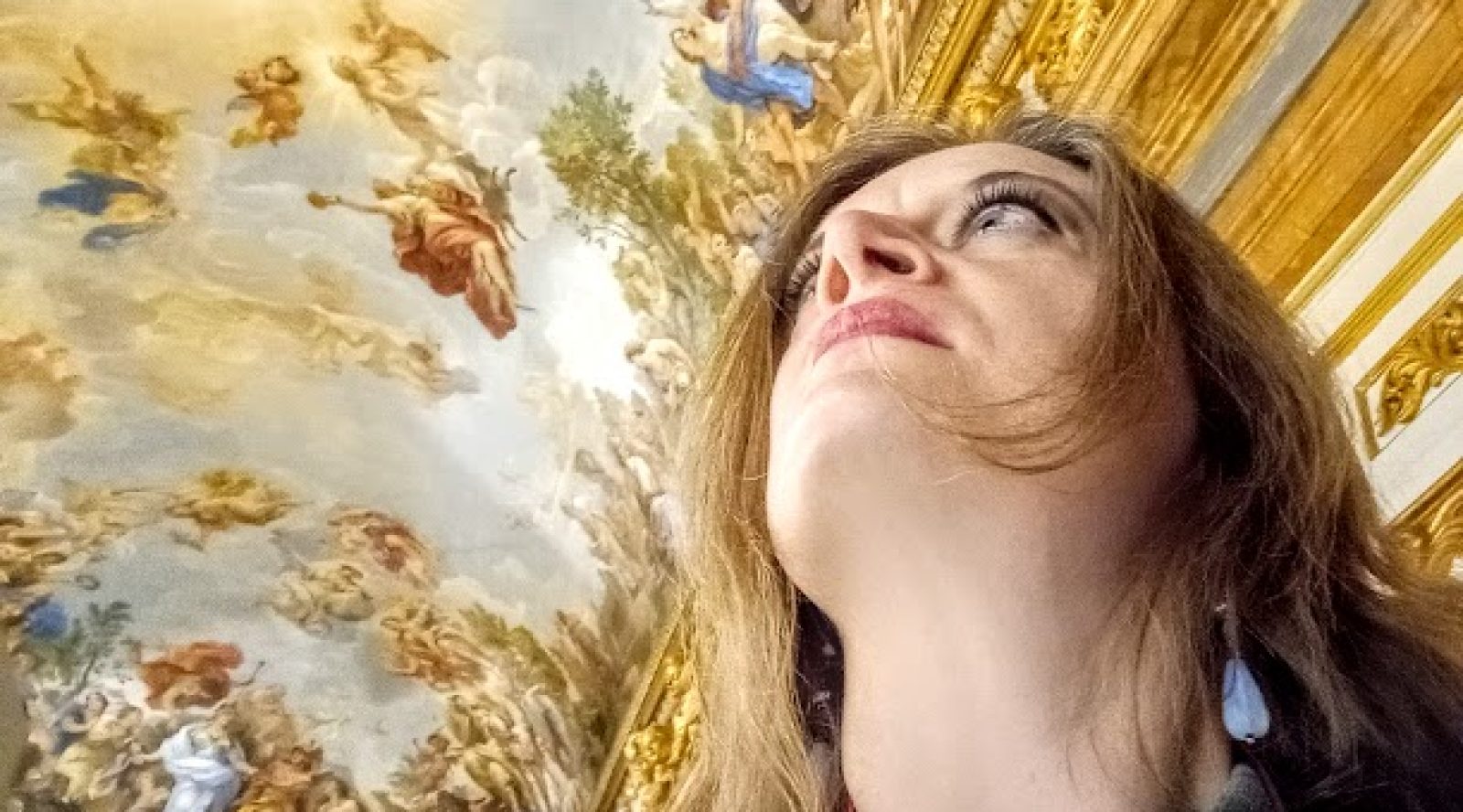
6 aprile 1604: la posa della prima pietra della Cappella dei Principi
Il 6 aprile del 1604 fu posta la prima pietra per la costruzione della Cappella dei Principi, a Firenze, per volere del Granduca Ferdinando I. In pochi sanno però che ci vollero ben 358 anni per completare quel grandioso complesso, ultimato solo el 1962.
Suo fratello Don Giovanni de’ Medici, volle mettere l’idea che aveva di questa cappella nero su bianco mentre du l’architetto Matteo Nigetti, nel 1604, a dare l’avvio effettivo ai lavori. Il progetto originale fu poi modificato negli anni a seguire in alcune parti dal Buontalenti.
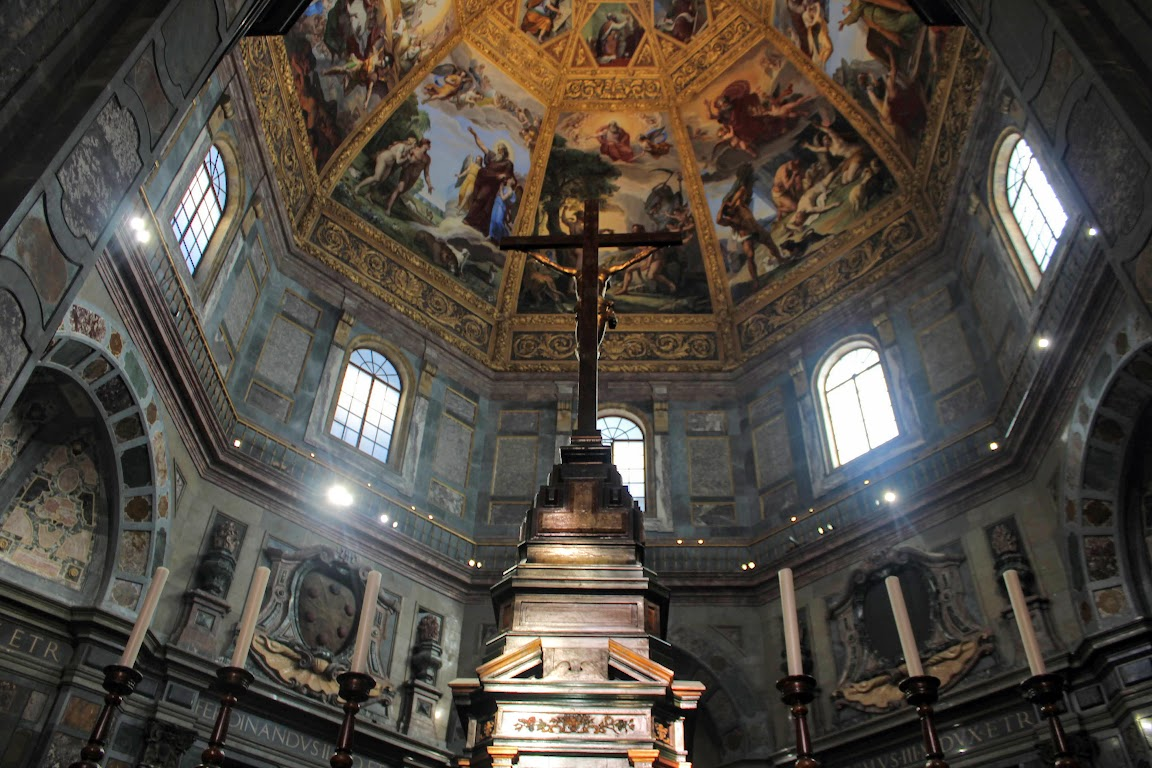
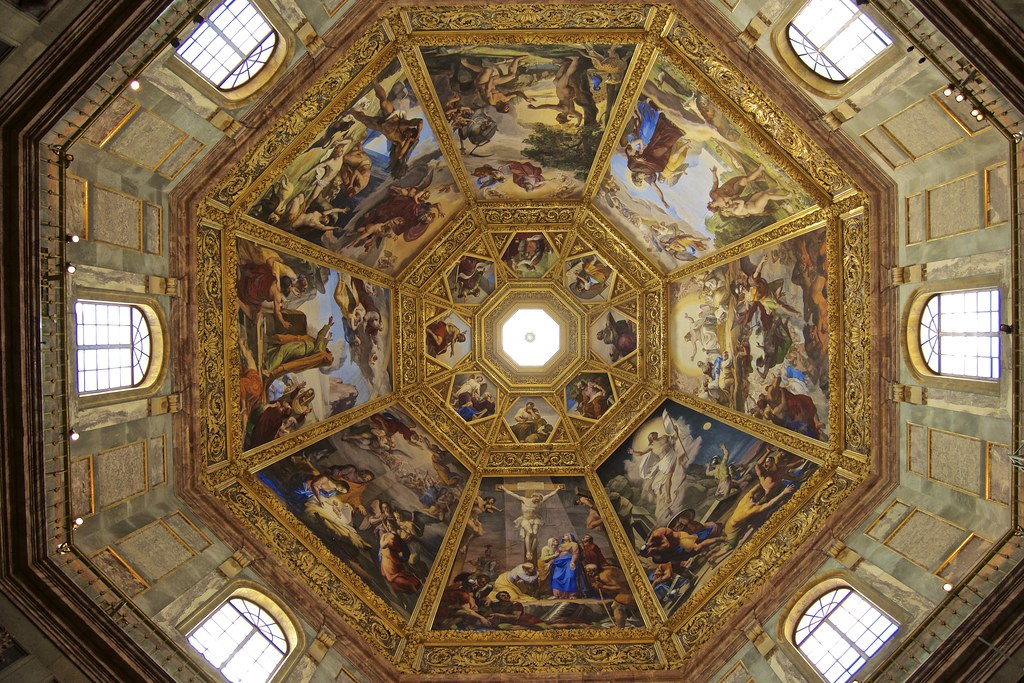
La cupola che la sovrasta, alta 59 metri, è la seconda per altezza a Firenze dopo quella gigantesca del Brunelleschi.
Pensate che proprio per la realizzazione di questi pregevoli lavori fu fondato l’Opificio delle Pietre Dure.
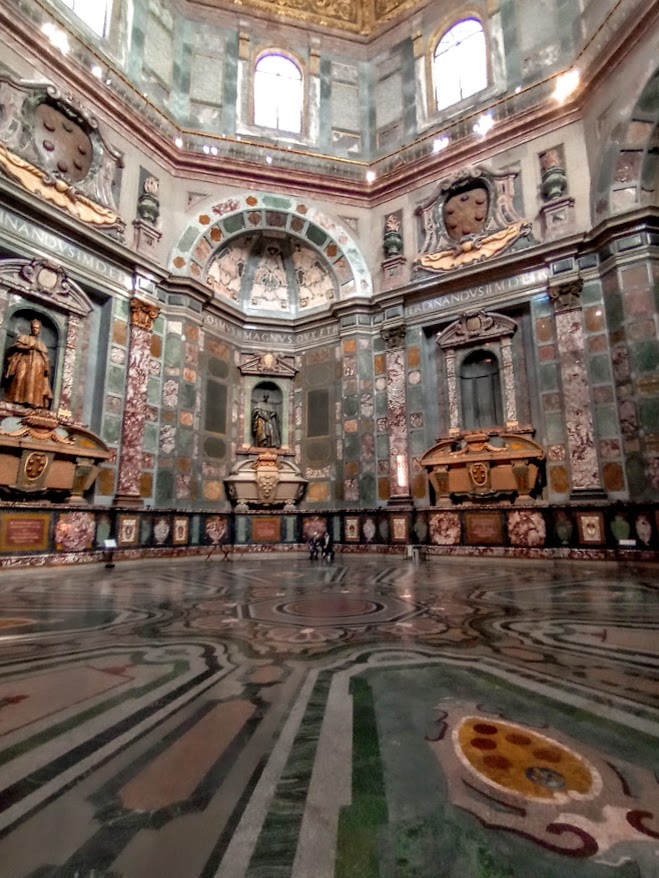
Mentre i graniti e i porfidi adoperati per rivestire le pareti hanno colorazioni poco sgargianti, sia il pavimento che le decorazioni della fascia più bassa della zoccolatura sono ricche di pietre colorate semi preziose come i lapislazzuli ma anche corallo e madreperla.
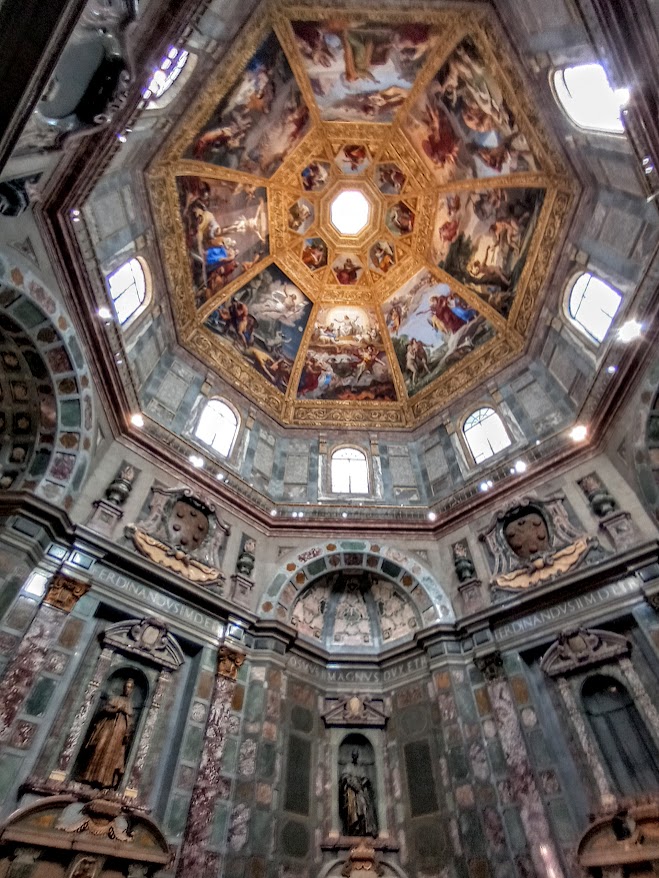
Se aguzzate la vista vedrete riprodotti in commesso fiorentino tutti gli stemmi delle città toscane che al tempo erano fedeli alla dinastia de’ Medici.
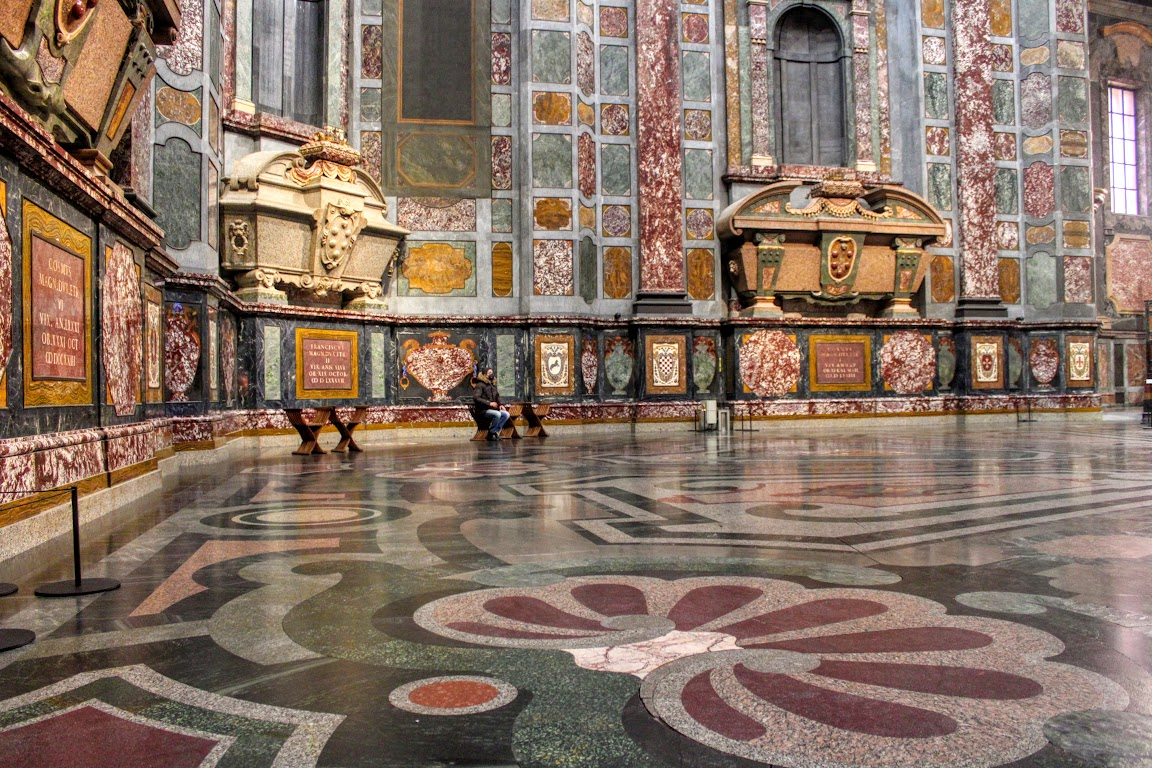
Le nicchie avrebbero dovuto accogliere le sculture l bronzo di tutti i granduchi ma alla fine ne vennero realizzate solo due da Pietro Tacca ovvero Cosimo II e Ferdinando I.
L’intenzione della famiglia de’ Medici era quella di sistemare al centro dell’atrio il Santo Sepolcro.
Al tempo le trattative per comprarlo erano assai febbrili ma alla fine non riuscirono a trovare un accordo significativo sulla Santissima reliquia di Gerusalemme che avrebbe dato ancora più prestigio alla ricca famiglia.
Sapete, per portare a termine quel grandioso complesso monumentale, ci vollero secoli. In pochi sanno che lo stupendo pavimento è stato ultimato in tempi assai recenti.
Era infatti il 1962 quando finalmente la pavimentazione fu portata a termine.
Per il momento il sempre vostro Michelangelo Buonarroti vi saluta dandovi appuntamento ai prossismi post e sui social.
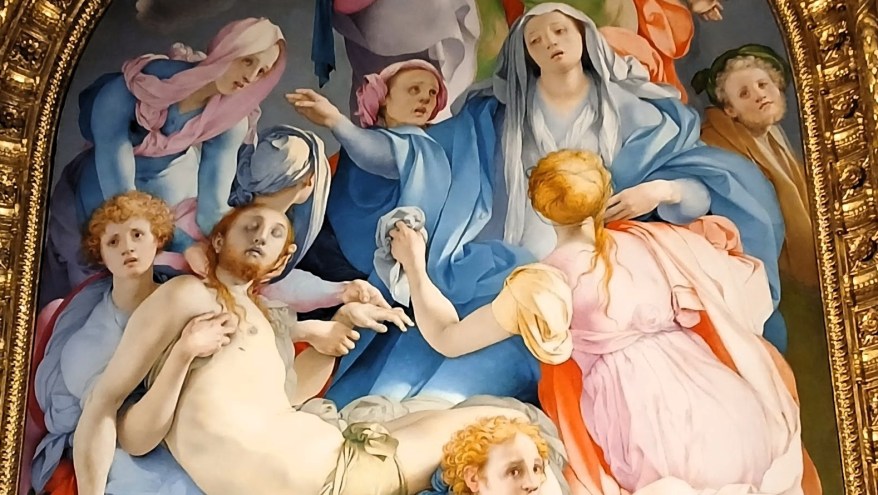
6 April 1604: the laying of the foundation stone of the Chapel of the Princes
On 6 April 1604, the first stone was laid for the construction of the Chapel of the Princes in Florence, at the behest of Grand Duke Ferdinand I. However, few people know that it took 358 years to complete that grandiose complex, which was only completed in 1962.
His brother Don Giovanni de’ Medici, wanted to put the idea he had of this chapel in black and white while the architect Matteo Nigetti, in 1604, actually started the works. The original project was then modified in the following years in some parts by Buontalenti. The dome that dominates it, 59 meters high, is the second tallest in Florence after Brunelleschi’s gigantic one.
Consider that the Opificio delle Pietre Dure was founded precisely for the creation of these valuable works.
While the granites and porphyries used to cover the walls have not very bright colours, both the floor and the decorations of the lower part of the plinth are rich in semi-precious colored stones such as lapis lazuli but also coral and mother of pearl.
If you look carefully you will see all the coats of arms of the Tuscan cities that at the time were loyal to the Medici dynasty reproduced in Florentine woodwork.
The niches were supposed to accommodate the bronze sculptures of all the grand dukes but in the end only two were created by Pietro Tacca, namely Cosimo II and Ferdinand I.
The intention of the Medici family was to place the Holy Sepulcher in the center of the atrium.
At the time the negotiations to buy it were very feverish but in the end they failed to find a significant agreement on the Holy Relic of Jerusalem which would have given even more prestige to the rich family.
You know, it took centuries to complete that grandiose monumental complex. Few people know that the wonderful floor was completed very recently.
In fact, it was 1962 when the paving was finally completed.
For the moment, your always Michelangelo Buonarroti greets you and will meet you in the next posts and on social media.

Sostienici – Support Us
Se questo blog ti piace e ti appassiona, puoi aiutarci a farlo crescere sempre più sostenendoci in modo concreto condividendo i post, seguendo le pagine social e con un contributo che ci aiuta ad andare avanti con il nostro lavoro di divulgazione. . ENGLISH: If you like and are passionate about this blog, you can help us make it grow more and more by supporting us in a concrete way by sharing posts, following social pages and with a contribution that helps us to move forward with our dissemination work.
8,00 €
-
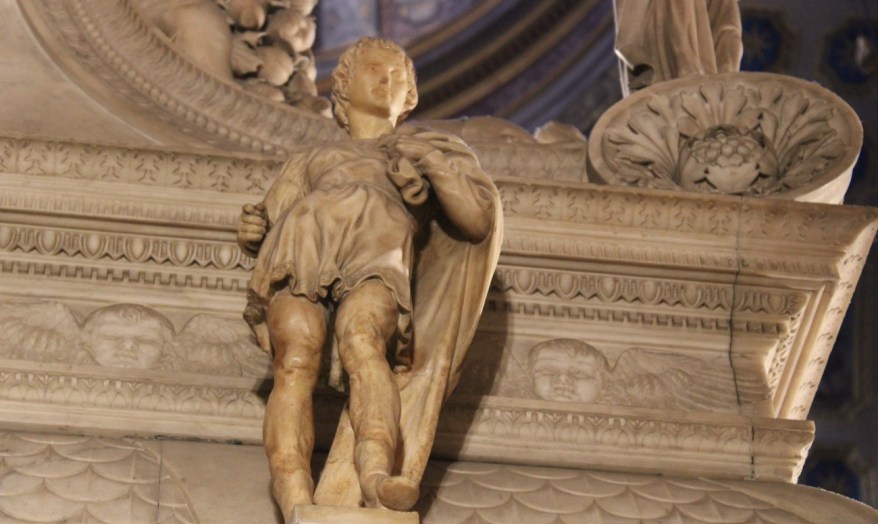
Il mio primo soggiorno a Bologna e l’incontro con Giovan Francesco Aldrovandi
🇮🇹Fuggii da Firenze a soli 19 anni. Senza certezze, senza protezioni. Solo con il mio talento. A Bologna trovai rifugio nella casa di Giovan Francesco Aldrovandi… 🇬🇧I fled Florence at just 19. Without certainties, without protection. Only with my talent. In Bologna, I found refuge in the home of Giovan Francesco Aldrovandi…
-
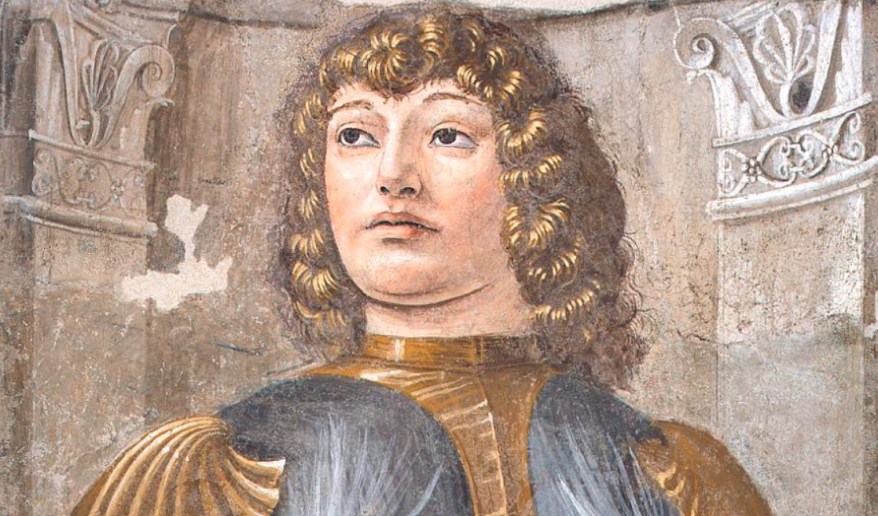
11 aprile 1514: muore Donato Bramante, il genio della scala elicoidale
🇮🇹Era l’11 aprile 1514 quando Donato Bramante morì a Roma. La sua scomparsa non cancellò però le tensioni, le rivalità e i giudizi contrastanti che avevano accompagnato tutta la sua carriera… 🇬🇧It was April 11, 1514, when Donato Bramante died in Rome. His passing, however, did not erase the tensions, rivalries, and conflicting opinions that…
-
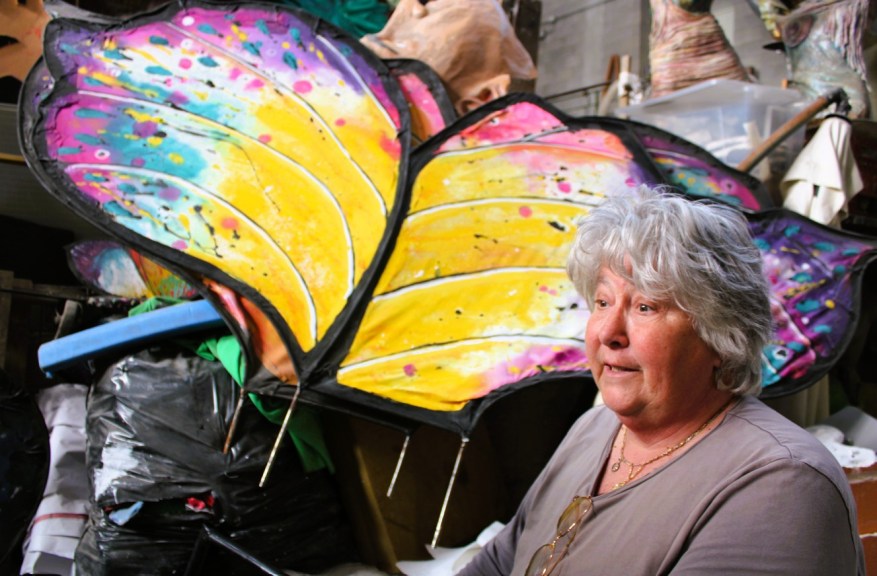
Dentro l’hangar 12 del Carnevale di Viareggio: dove la cartapesta prende vita con Marzia Etna
🇮🇹Ho incontrato Marzia Etna, maestra carrista da 40 anni: mentre racconta, le brillano gli occhi. E capisci subito una cosa: questo non è solo un lavoro, è vita tra carta a calco, ferro e sogni… 🇬🇧I met Marzia Etna, a master float builder for 40 years: her eyes sparkle as she talks. And you immediately…
Condividi:


Questo sono io





sostienici

Sostienici - Support Us
Se questo blog ti piace e ti appassiona, puoi aiutarci a farlo crescere sempre più sostenendoci in modo concreto condividendo i post, seguendo le pagine social e con un contributo che ci aiuta ad andare avanti con il nostro lavoro di divulgazione. . ENGLISH: If you like and are passionate about this blog, you can help us make it grow more and more by supporting us in a concrete way by sharing posts, following social pages and with a contribution that helps us to move forward with our dissemination work.
€10,00


