

Il mio ultimo affresco e quell’anima che si ribella al corpo
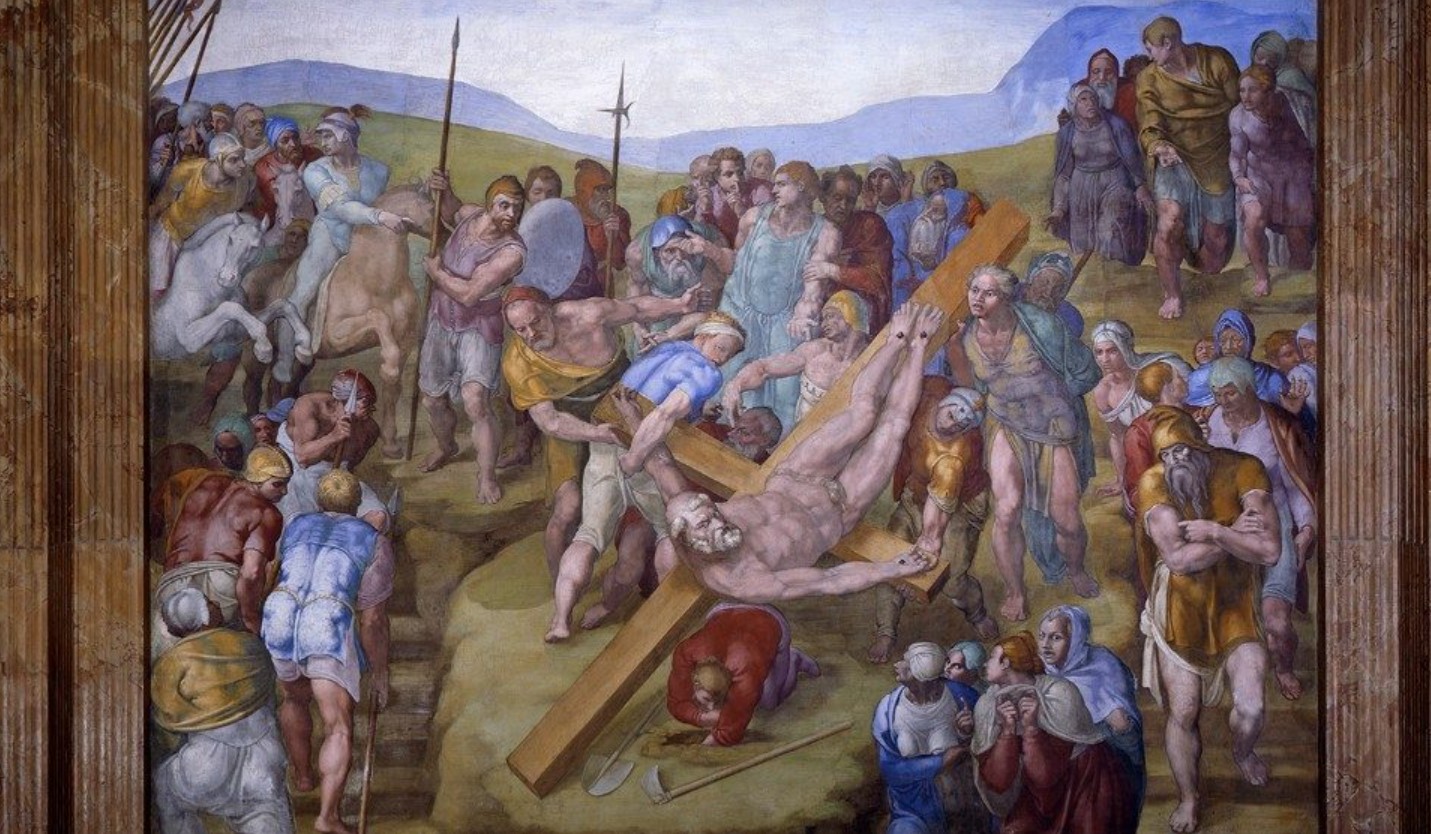
L’ultima volta che misi mano ai pennelli per realizzare un grande affresco fu nel 1545, per realizzare la Crocifissione di San Pietro nella Cappella Paolina, la cappella privata del papa.
Era stato papa Paolo III Farnese a commissionarmi quel lavoro, assieme alla Conversione di Saulo, dopo che avevo terminato di lavorare al Giudizio Universale per la Sistina.

Incentrai tutta l’attenzione della composizione attorno alla diagonale che crea la croce capovolta. L’immagine di San Pietro a testa in giù, che fissa lo sguardo negli occhi dello spettatore e con le sue dimensioni maggiori rispetto alle altre figure, è il fulcro dell’opera.
Dipinsi su quella parete l’anima del Santo che si ribella a un corpo sul quale oramai non può più nulla. In fondo anch’io mi sentivo così, con un animo indomito intrappolato fra membra segnate e indebolite dal passare degli anni.

Grazie al recente restauro eseguito fra il 2002 e il 2009, è stato scoperto che ritoccai in più occasioni il volto di San Pietro anche a secco, per dargli quell’espressione intensa che lo caratterizza.
E che dire dei chiodi? Non furono opera mia ma aggiunte successive. Volevo mettere in luce probabilmente il fatto che lui stesso si fosse consegnato al martirio.
Terminai di lavorare alla Crocifissione di San Pietro nel 1550 e accantonai pennelli e colori. Non dipinsi più. Disegnai molto, mi dedicai a opere architettoniche e scultoree ma non toccai più tele, tavole e pareti da affrescare.
Papa Paolo III che quel lavoro me l’aveva commissionato tempo prima, passò a miglior vita il 10 novembre del 1549 senza poter vedere la sua opera conclusa ma son sicuro ne sarebbe rimasto soddisfatto.

Per il momento il sempre vostro Michelangelo Buonarroti vi saluta dandovi appuntamento ai prossimi post e sui social.
My latest fresco: the soul rebelling against the body
The last time I put my hand to the brushes to create a large fresco was in 1545, to create the Crucifixion of Saint Peter in the Cappella Paolina, the pope’s private chapel.
It was Pope Paul III Farnese who commissioned that work from me, together with the Conversion of Saul, after I had finished working on the Last Judgment for the Sistine Chapel.
I focused all the attention of the composition around the diagonal that creates the upside-down cross. The image of St. Peter upside down, staring into the eyes of the spectator and with its larger dimensions compared to the other figures, is the fulcrum of the work.
I painted on that wall the soul of the Saint who rebels against a body over which he can no longer do anything. Deep down I felt like that too, with an indomitable soul trapped between limbs marked and weakened by the passing of the years.
Thanks to the recent restoration carried out between 2002 and 2009, it was discovered that I retouched the face of Saint Peter on several occasions, even when dry, to give it that intense expression that characterizes it.
And what about nails? They were not my work but later additions. I probably wanted to highlight the fact that he himself had given himself up to martyrdom.
I finished working on the Crucifixion of St. Peter in 1550 and put aside my brushes and paints. I didn’t paint anymore. I drew a lot, I dedicated myself to architectural and sculptural works but I no longer touched canvases, tables and walls to fresco.
Pope Paul III, who had commissioned that work to me some time before, passed away on 10 November 1549 without being able to see his work completed but I am sure he would have been satisfied with it.
For the moment, your always Michelangelo Buonarroti greets you and will meet you in the next posts and on social media.

Sostienici – Support Us
Se questo blog ti piace e ti appassiona, puoi aiutarci a farlo crescere sempre più sostenendoci in modo concreto condividendo i post, seguendo le pagine social e con un contributo che ci aiuta ad andare avanti con il nostro lavoro di divulgazione. . ENGLISH: If you like and are passionate about this blog, you can help us make it grow more and more by supporting us in a concrete way by sharing posts, following social pages and with a contribution that helps us to move forward with our dissemination work.
10,00 €
-
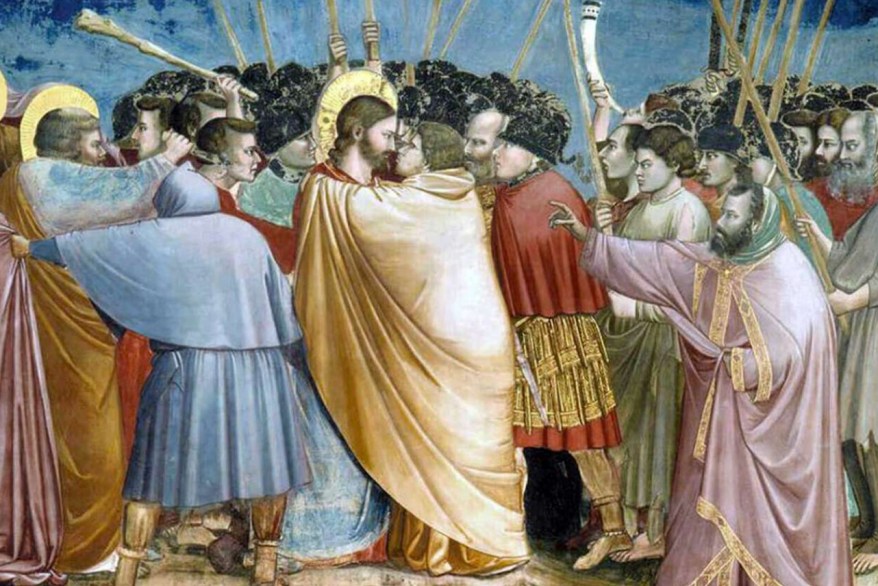
Mercoledì Santo: il giorno del tradimento di Giuda affrescato da Giotto
🇮🇹Il Mercoledì Santo è il giorno del silenzio, della riflessione e del tradimento. È il momento in cui Giuda sceglie di vendere Gesù per trenta denari, segnando uno dei passaggi più dolorosi della Settimana Santa…. 🇬🇧Holy Wednesday is a day of silence, reflection, and betrayal. ✝It is the moment when Judas chooses to sell Jesus…
-
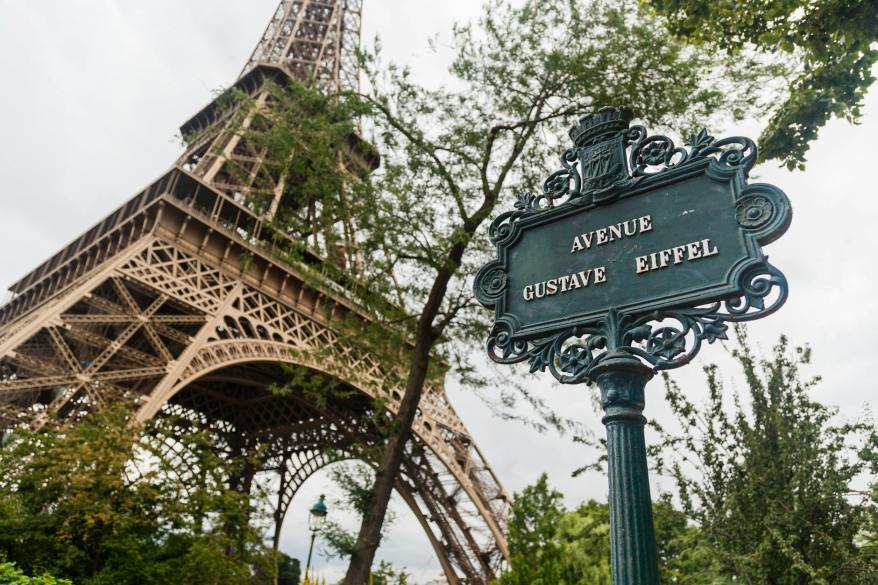
31 marzo 1889: inaugurata la Torre Eiffel tra critiche feroci e un destino inaspettato
🇮🇹Il 31 marzo 1889 segna una data destinata a cambiare per sempre il volto di Parigi e dell’immaginario collettivo globale: viene inaugurata la Torre Eiffel, l’opera più audace e discussa del suo tempo… 🇬🇧March 31, 1889 marks a date destined to change the face of Paris and the global collective imagination forever: the Eiffel Tower,…
-
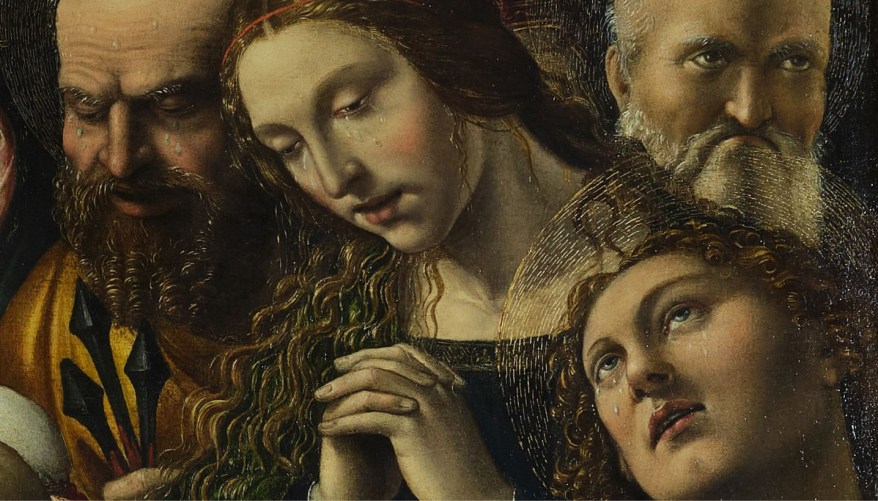
Sodoma in mostra a Torino: il Rinascimento al Museo Accorsi-Ometto
🇮🇹Al Museo di Arti Decorative Accorsi-Ometto arriva una mostra dedicata al Sodoma: oltre 50 opere, alcune mai viste prima, raccontano la formazione dell’artista e il suo dialogo con maestri come Pinturicchio… 🇬🇧An exhibition dedicated to Sodoma arrives at the Accorsi-Ometto Museum of Decorative Arts: over 50 works, some never before seen, recount the artist’s development…
Condividi:


Questo sono io





sostienici

Sostienici - Support Us
Se questo blog ti piace e ti appassiona, puoi aiutarci a farlo crescere sempre più sostenendoci in modo concreto condividendo i post, seguendo le pagine social e con un contributo che ci aiuta ad andare avanti con il nostro lavoro di divulgazione. . ENGLISH: If you like and are passionate about this blog, you can help us make it grow more and more by supporting us in a concrete way by sharing posts, following social pages and with a contribution that helps us to move forward with our dissemination work.
€10,00


