

Riattivati i giochi d’acqua nella Grotta degli animali della Villa Medicea di Castello
I giochi d’acqua sono tornati ad animare la Stupefacente Grotta degli animali della Villa Medicea di Castello.
Dopo diversi anni di lavoro è giunto al termine il complesso intervento di restauro che ha interessato la preziosa grotta che il Granduca di Toscana Cosimo I de’ Medici aveva commissionato nel 1539 a Niccolò Tribolo.
Il progetto fu proseguito da Giorgio Vasari successivamente fra il 1554 e portato a termine nel 1574. Non fu solo il Vasari però a lavorare a quel complesso scultoreo.
Nel 1550 infatti risultava dai documenti al lavoro anche Davide Fortini e, successivamente, lo scultore Antonio Lorenzini.
La Grotta, detta anche ‘del diluvio’ è una sorta di teatro delle acque. Posta a coronamento del giardino e a conclusione dell’asse prospettico che aveva inizio dalla fontana di Ercole e Anteo dell’Ammannati, che oggi svetta sulla prima terrazza al centro del disegno geometrico delle aiuole.
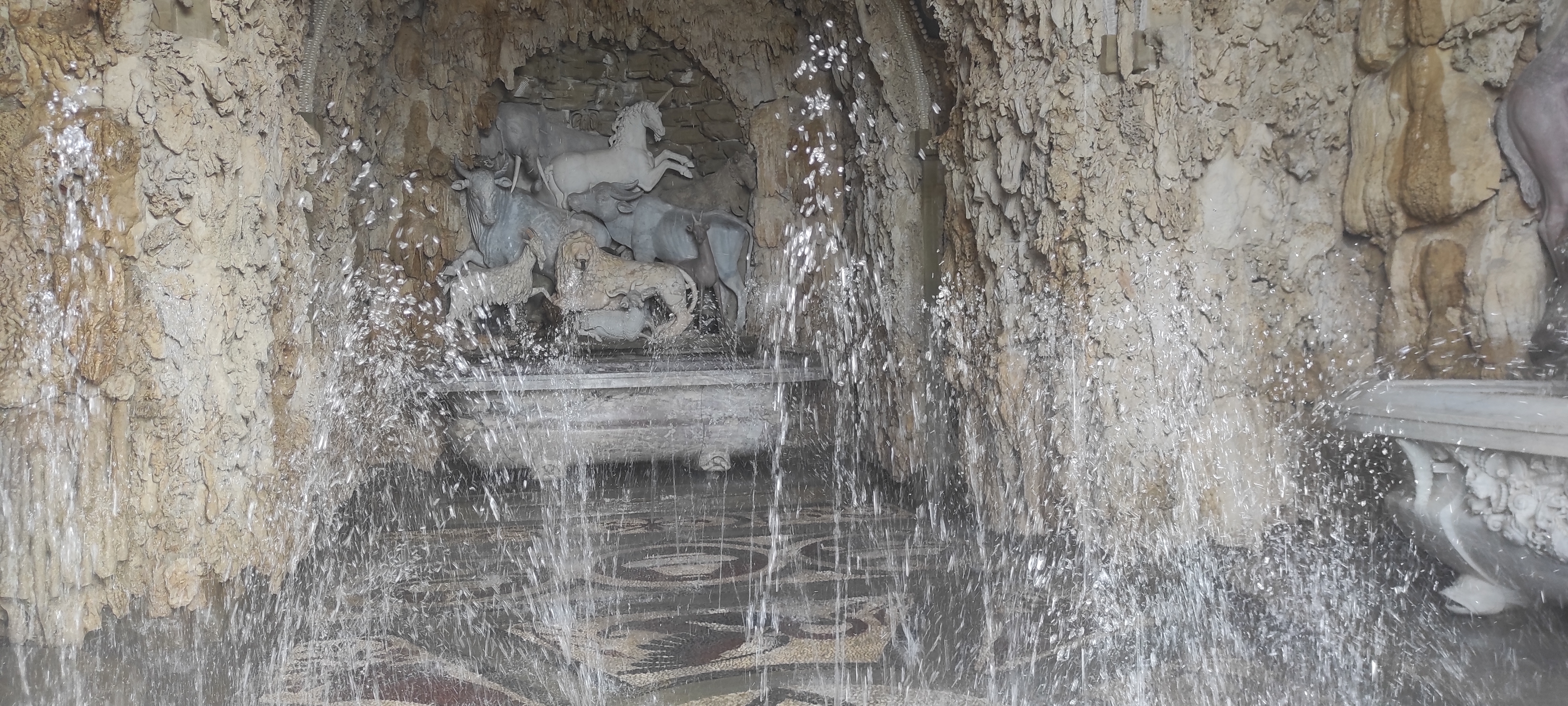
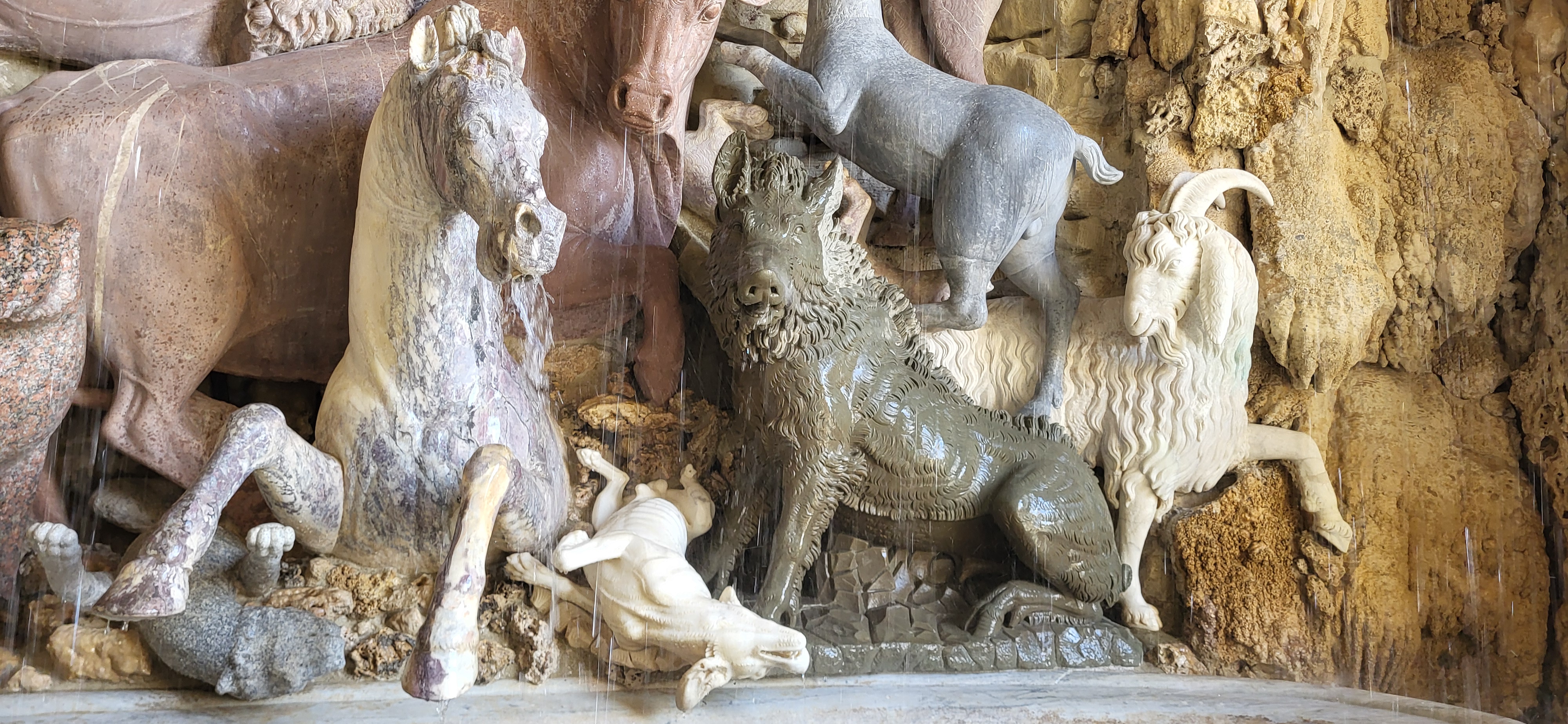
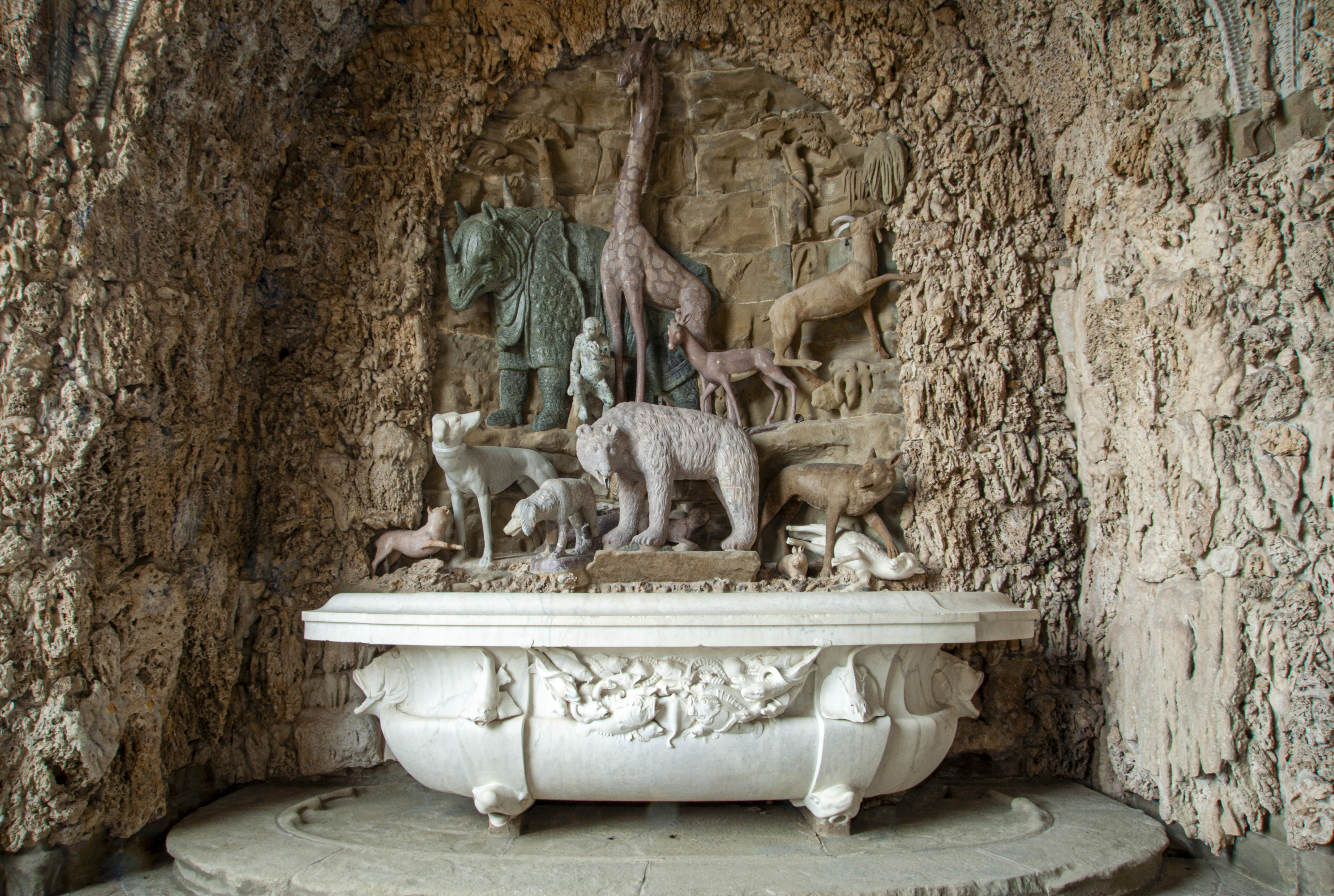
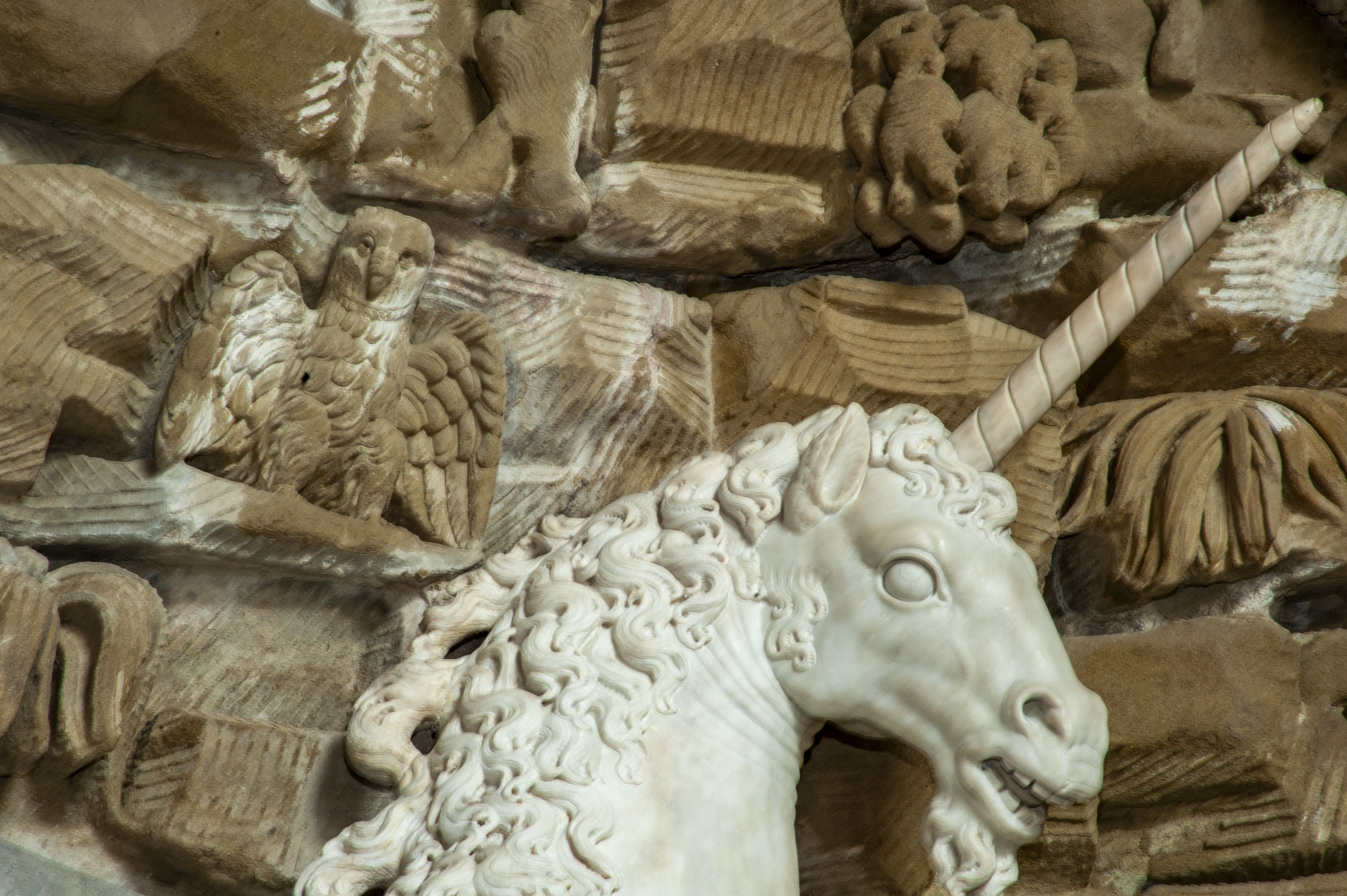
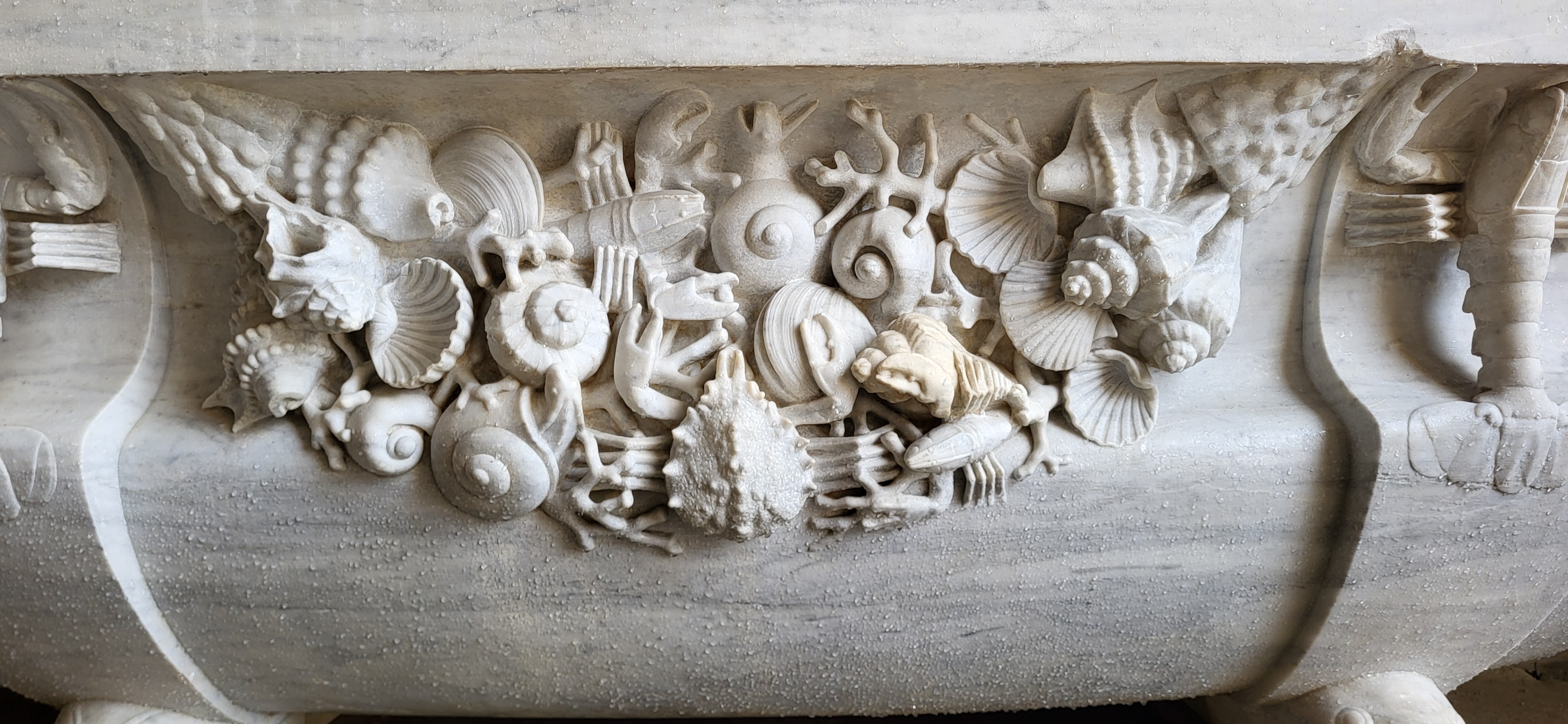
All’interno della grotta sono presenti tre vasche e ciascuna di esse è decorata con composizioni scenografiche comprensive di decine di mammiferi, pesci, crostacei e molluschi.
Quando vengono attivati i giochi d’acqua, le pietre di colori differenti bagnate sembrano riprodurre i diversi velli degli animali.
Ad aumentare l’effetto di meraviglia ci sono gli effetti cangianti dati dai mosaici di conchiglie sulla volta.
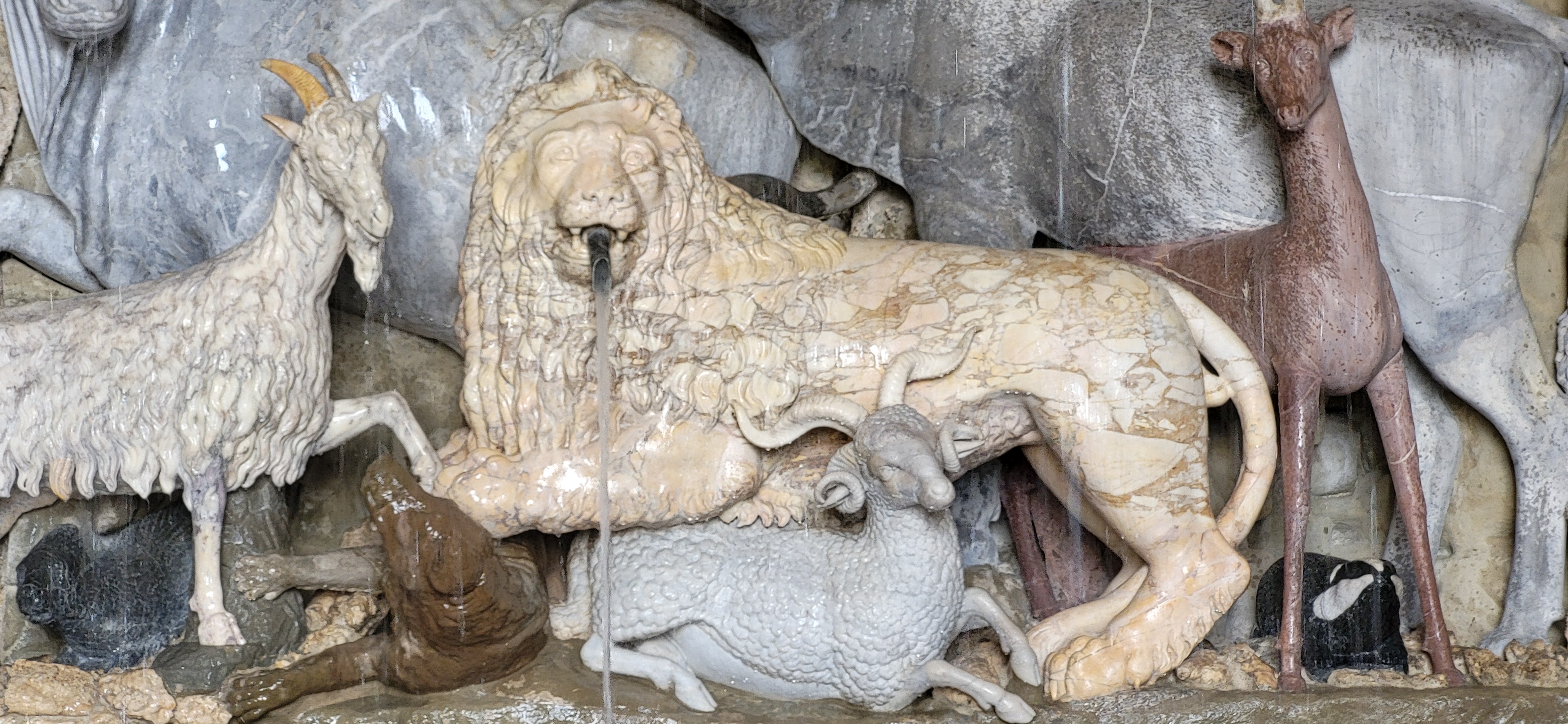
Le decorazioni scultoree fanno direttamente riferimento ai tre elementi ovvero alla terra, all’aria e dell’acqua. Al centro della vasca che si trova in fondo alla grotta si vede un unicorno, animale fantastico che secondo la leggenda avrebbe cla facoltà di di risanare le acque con il suo corno poderoso, qui simboleggiante l’azione benefica della politica di Cosimo I de’ Medici.
In linea con lo spirito neoplatonico del tempo, quando si riteneva che l’uomo potesse rivaleggiare e controllare la natura, i giochi d’acqua non avevano soltanto la funzione di stupire e divertire gli astanti, ma rappresentavano una testimonianza dell’ingegno e delle capacità umane.

Già nelle aperture festive di Pasqua i visitatori potranno apprezzare le superfici originali dei marmi delle vasche, dei singoli animali, delle pietre multicolore, consolidate e ripulite dai depositi che ne oscuravano la varietà cromatica.
I giochi d’acqua entreranno in funzione da fine aprile nel fine settimana grazie a una accensione temporizzata che si attiverà quattro volte al giorno, con un sistema idraulico che assicura il recupero dell’acqua riducendo gli sprechi idrici ed energetici e che in futuro potrà essere collegato anche alle altre fontane del giardino.
“Riaprire al pubblico la Grotta degli animali e riattivare i giochi d’acqua per secoli la maggiore attrattiva di uno dei più importanti capolavori rinascimentali e del Giardino di Castello, definito dal Vasari il più ricco, il più magnifico et il più ornato giardino d’Europa, tappa imprescindibile del Grand Tour, è un risultato non scontato frutto della sinergia e dell’impegno di Ministero della Cultura e della Regione Toscana, sostenuto da Publiacqua spa.
– Stefano Casciu, Direttore regionale musei della Toscana –
Il pubblico potrà vedere la grotta dall’esterno e in occasione delle aperture festive di Pasqua e di lunedì 1° aprile, mentre dall’11 aprile fino al 30 giugno potrà visitarla internamente partecipando alle speciali visite gratuite, accompagnato dal personale del museo.
Dal 26 marzo riaprirà anche l’intera area del Parco dove due querce centenarie hanno nel corso dei secoli adattato le loro radici alla conformazione della grotta sottostante e dove si può nuovamente ammirare la fontana dell’Appennino.
Programma
Visite gratuite alla Grotta degli animali a cura del personale del museo
dall’11 aprile al 30 giugno, da giovedì a domenica – ore 11 e 17, senza prenotazione con partenza dall’ingresso del giardino.
Per il momento il sempre vostro Michelangelo Buonarroti vi saluta dandovi appuntamento ai prossimi post e sui social.
The water games have been reactivated in the Animal Cave of the Medici Villa in Castello
Water games have returned to animate the amazing animal cave of the Medici Villa in Castello.
After several years of work, the complex restoration project involving the precious cave that the Grand Duke of Tuscany Cosimo I de’ Medici had commissioned from Niccolò Tribolo in 1539 has come to an end.
The project was continued by Giorgio Vasari subsequently between 1554 and completed in 1574. However, it was not only Vasari who worked on that sculptural complex.
In fact, in 1550 the documents showed that Davide Fortini was also at work and, subsequently, the sculptor Antonio Lorenzini.
The Grotto, also called ‘of the flood’, is a sort of theater of the waters. Located at the crown of the garden and at the end of the perspective axis that began from the fountain of Hercules and Antaeus by Ammannati, which today stands out on the first terrace in the center of the geometric design of the flowerbeds.
Inside the cave there are three tanks and each of them is decorated with scenographic compositions including dozens of mammals, fish, crustaceans and molluscs.
When the water features are activated, the wet stones of different colors seem to reproduce the different fleeces of the animals.
As Michel de Montaigne wrote after his journey in 1580-1581 “[…] there is a beautiful cave where, depicted in life, animals of every species are seen spraying the water of the said fountains, some from their beaks, some from their wings, some by claws or ears or nose.”
To increase the effect of wonder there are the iridescent effects given by the shell mosaics on the vault.
The sculptural decorations directly refer to the three elements: earth, air and water. In the center of the tub located at the bottom of the cave you can see a unicorn, a fantastic animal which according to legend has the ability to heal the waters with its powerful horn, here symbolizing the beneficial action of the politics of Cosimo I de’ Medici .
In line with the Neoplatonic spirit of the time, when it was believed that man could rival and control nature, water features not only had the function of surprising and entertaining onlookers, but represented a testimony to the ingenuity and ability human.
Already during the Easter holiday openings, visitors will be able to appreciate the original surfaces of the marble of the tanks, of the individual animals, of the multicolored stones, consolidated and cleaned of the deposits that obscured their chromatic variety.
The water features will come into operation from the end of April at the weekend thanks to a timed switch-on that will be activated four times a day, with a hydraulic system that ensures water recovery, reducing water and energy waste and which in the future can be also connected to the other fountains in the garden.
“Reopening the Animal Cave to the public and reactivating the water features has for centuries been the greatest attraction of one of the most important Renaissance masterpieces and of the Castello Garden, defined by Vasari as the richest, most magnificent and most ornate garden of Europa, an essential stop on the Grand Tour, is an unexpected result, the result of the synergy and commitment of the Ministry of Culture and the Tuscany Region, supported by Publiacqua spa.
– Stefano Casciu, Regional Director of Tuscany Museums –
The public will be able to see the cave from the outside and during the Easter holiday openings and on Monday 1st April, while from 11th April to 30th June they will be able to visit it internally by taking part in the special free visits, accompanied by museum staff.
From 26 March the entire area of the Park will also reopen where two centenary oaks have adapted their roots over the centuries to the conformation of the cave below and where the Apennine fountain can once again be admired.
Plan
Free visits to the Animal Cave by museum staff
from 11 April to 30 June, from Thursday to Sunday – 11am and 5pm, without reservation starting from the garden entrance.
For the moment, your always Michelangelo Buonarroti greets you and will meet you in the next posts and on social media.

Sostienici – Support Us
Se questo blog ti piace e ti appassiona, puoi aiutarci a farlo crescere sempre più sostenendoci in modo concreto condividendo i post, seguendo le pagine social e con un contributo che ci aiuta ad andare avanti con il nostro lavoro di divulgazione. . ENGLISH: If you like and are passionate about this blog, you can help us make it grow more and more by supporting us in a concrete way by sharing posts, following social pages and with a contribution that helps us to move forward with our dissemination work.
8,00 €
-
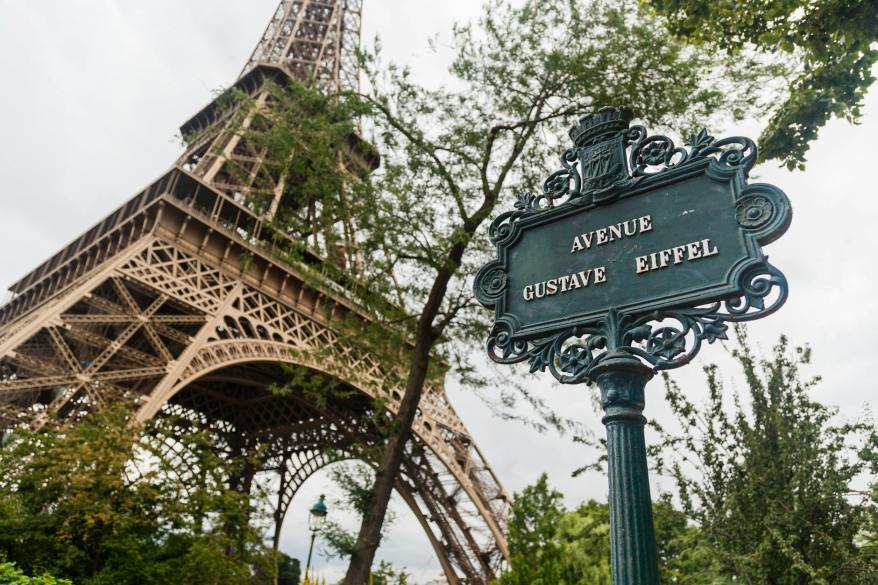
31 marzo 1889: inaugurata la Torre Eiffel tra critiche feroci e un destino inaspettato
🇮🇹Il 31 marzo 1889 segna una data destinata a cambiare per sempre il volto di Parigi e dell’immaginario collettivo globale: viene inaugurata la Torre Eiffel, l’opera più audace e discussa del suo tempo… 🇬🇧March 31, 1889 marks a date destined to change the face of Paris and the global collective imagination forever: the Eiffel Tower,…
-
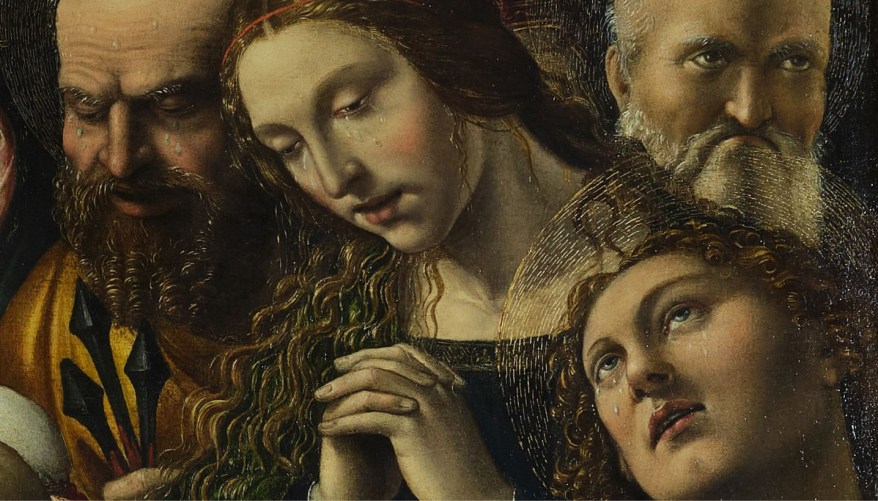
Sodoma in mostra a Torino: il Rinascimento al Museo Accorsi-Ometto
🇮🇹Al Museo di Arti Decorative Accorsi-Ometto arriva una mostra dedicata al Sodoma: oltre 50 opere, alcune mai viste prima, raccontano la formazione dell’artista e il suo dialogo con maestri come Pinturicchio… 🇬🇧An exhibition dedicated to Sodoma arrives at the Accorsi-Ometto Museum of Decorative Arts: over 50 works, some never before seen, recount the artist’s development…
-
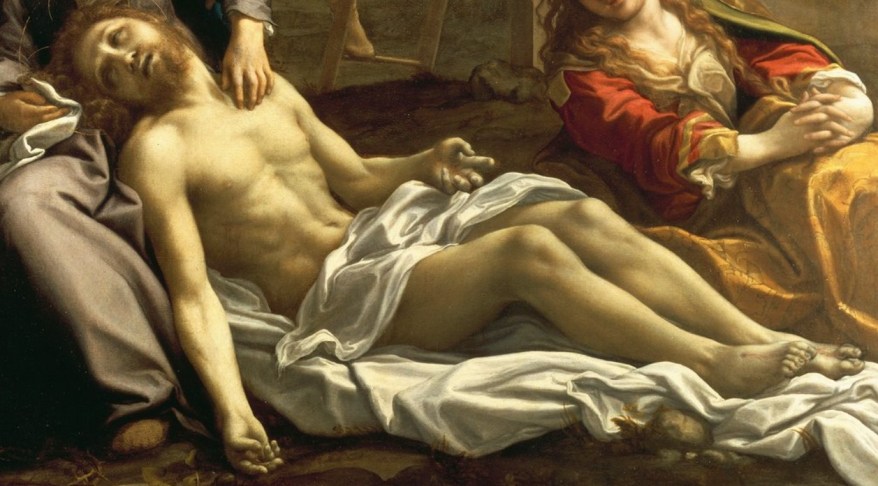
Il Compianto sul Cristo morto di Correggio: pathos e devozione
🇮🇹Con l’inizio della Settimana Santa, vi propongo il Compianto sul Cristo morto di Antonio Allegri, più noto come il Correggio: uno dei vertici assoluti della pittura emiliana del Cinquecento… 🇬🇧With the beginning of Holy Week, I propose the Lamentation over the Dead Christ by Antonio Allegri, better known as Correggio: one of the absolute peaks…
Condividi:


Questo sono io





sostienici

Sostienici - Support Us
Se questo blog ti piace e ti appassiona, puoi aiutarci a farlo crescere sempre più sostenendoci in modo concreto condividendo i post, seguendo le pagine social e con un contributo che ci aiuta ad andare avanti con il nostro lavoro di divulgazione. . ENGLISH: If you like and are passionate about this blog, you can help us make it grow more and more by supporting us in a concrete way by sharing posts, following social pages and with a contribution that helps us to move forward with our dissemination work.
€10,00


1 commento »