

Il Dipinto del giorno: il Trasporto di Cristo di Raffaello
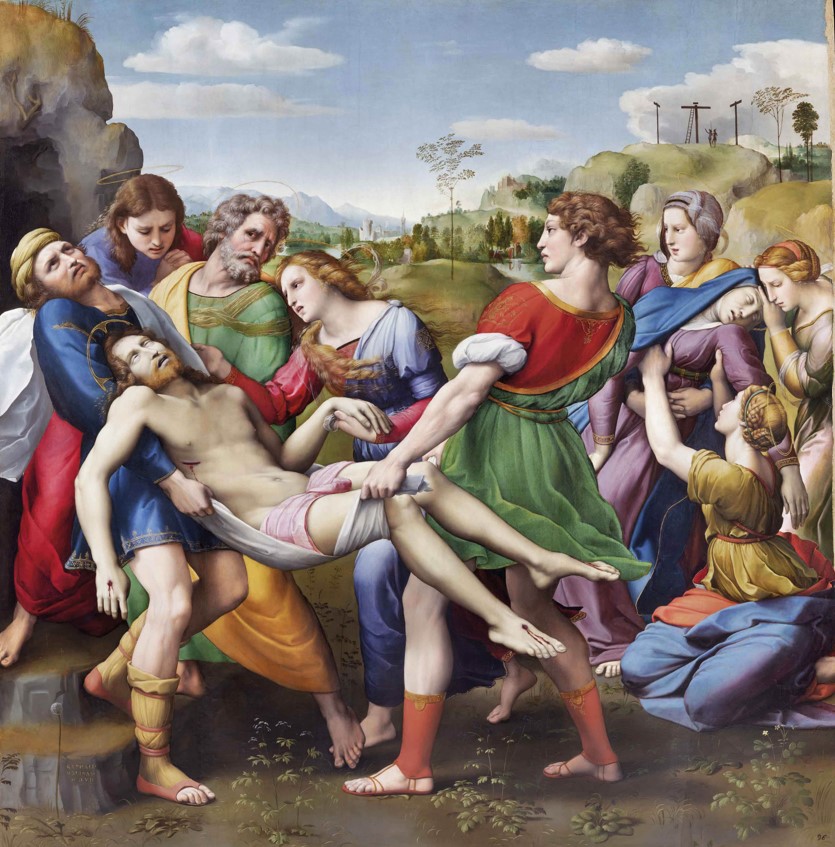
Il dipinto del giorno che vi propongo oggi è a tema pasquale ed è il Trasporto di Cristo nel Sepolcro di Raffaello, noto anche come Deposizione Baglioni, opera realizzata dall’artista a olio su tavola nel 1507.
La tavola, firmata da Raffaello sul gradino in basso a sinistra con la dicitura RAPHAEL URBINAS MDVII, fu commissionata da Atalanta Baglioni, nobildonna di Perugia, come pala d’altare per la chiesa di San Francesco al Prato.
Ora dovete sapere che in origine questo capolavoro comprendeva una cimasa con raffigurato Dio Padre benedicente che oggi è custodito alla Galleria Nazionale dell’Umbria, a Perugia.
Un’opera realizzata da un collaboratore di Raffaello che però venne lasciata al suo posto quando il cardinale Scipione Borghese fece trafugare il dipinto di Raffaello nel 1608, non senza la complicità dei francescani custodi della chiesa in cui si trovava.
Il cardinale voleva a tutti i costi quel capolavoro di Raffaello per arricchire la sua preziosa collezione e se lo prese con la forza nonostante le proteste degli abitanti del luogo.
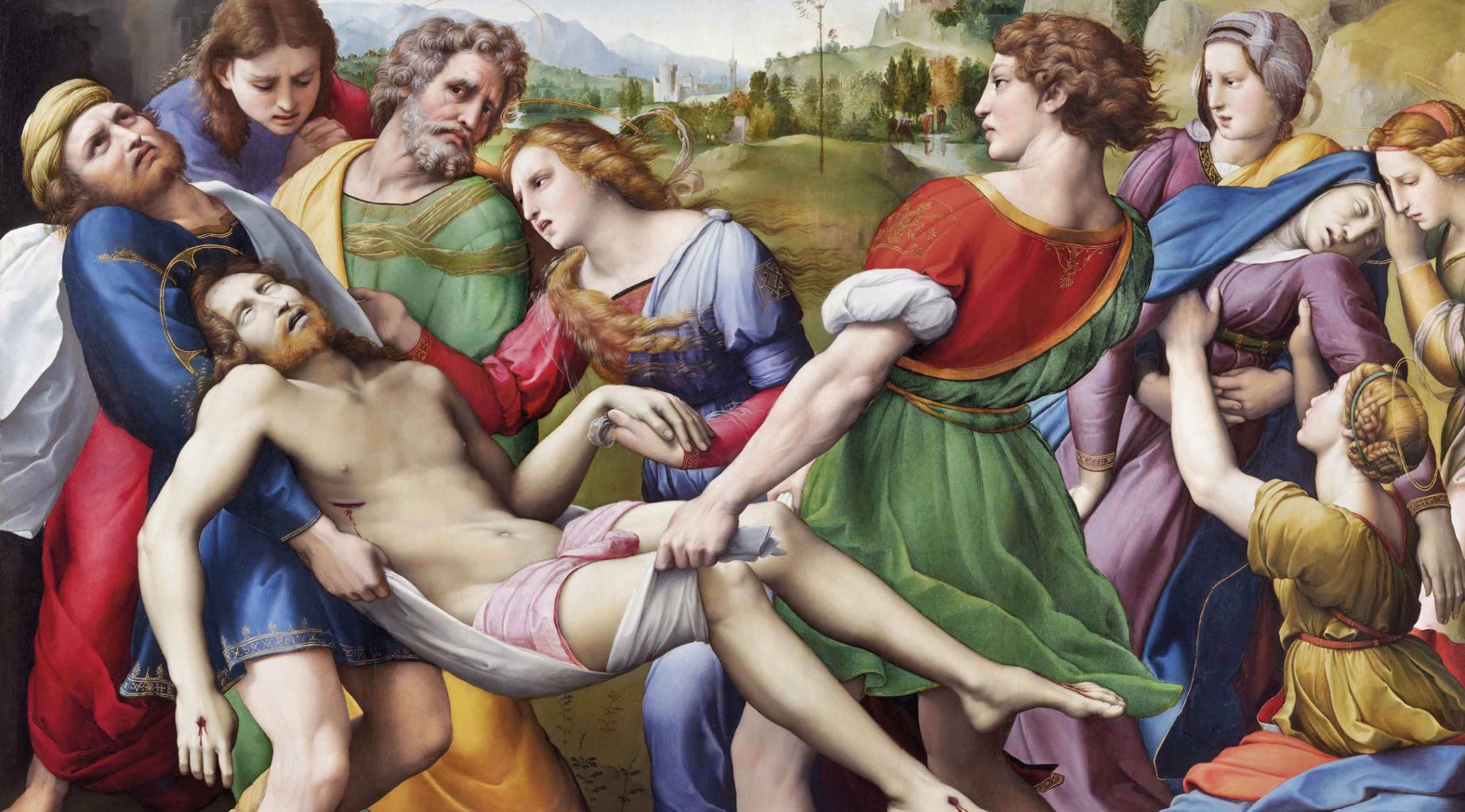
Raffaello in quest’opera dipinse il trasporto del corpo di Cristo al sepolcro che compare a sinistra come l’entrata di una grotta. A destra invece si vede la Madonna che sviene a causa dell’insostenibile dolore ed è sostenuta dalle pie donne.
Sullo sfondo luminoso si vedono le tre croci oramai vuote sul Golgota e la scala che è stata appoggiata a quella che sosteneva prima il Corpo di Cristo.
L’opera fu commissionata all’artista urbinate per ricordare la morte straziante di Grifoneto Baglioni, figliolo della committente che era rimasto ucciso durante una faida cittadina.
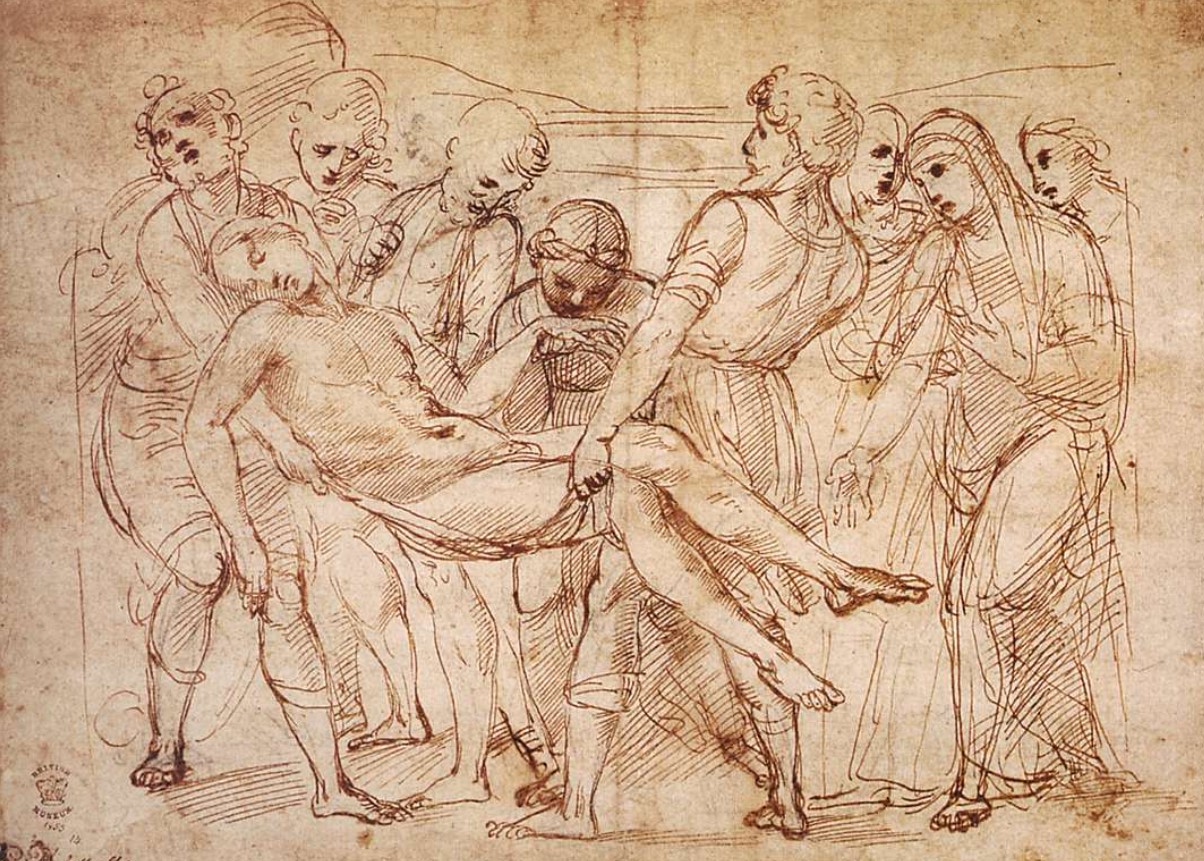
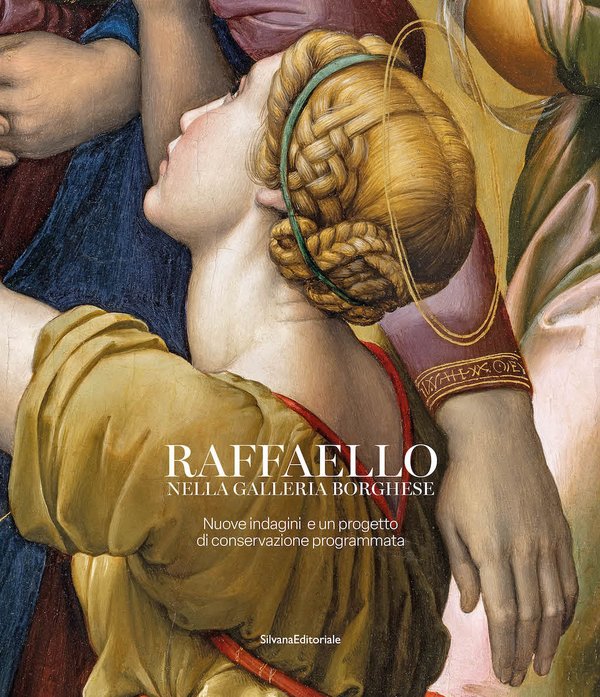
Nel dipinto, come era solito fare Raffaello, cita o meglio direi io, copia, la posa della Vergine che dipinsi nel Tondo Doni poco tempo prima per dar forma a una delle pie donne che sostiene dal basso la Madonna svenute.
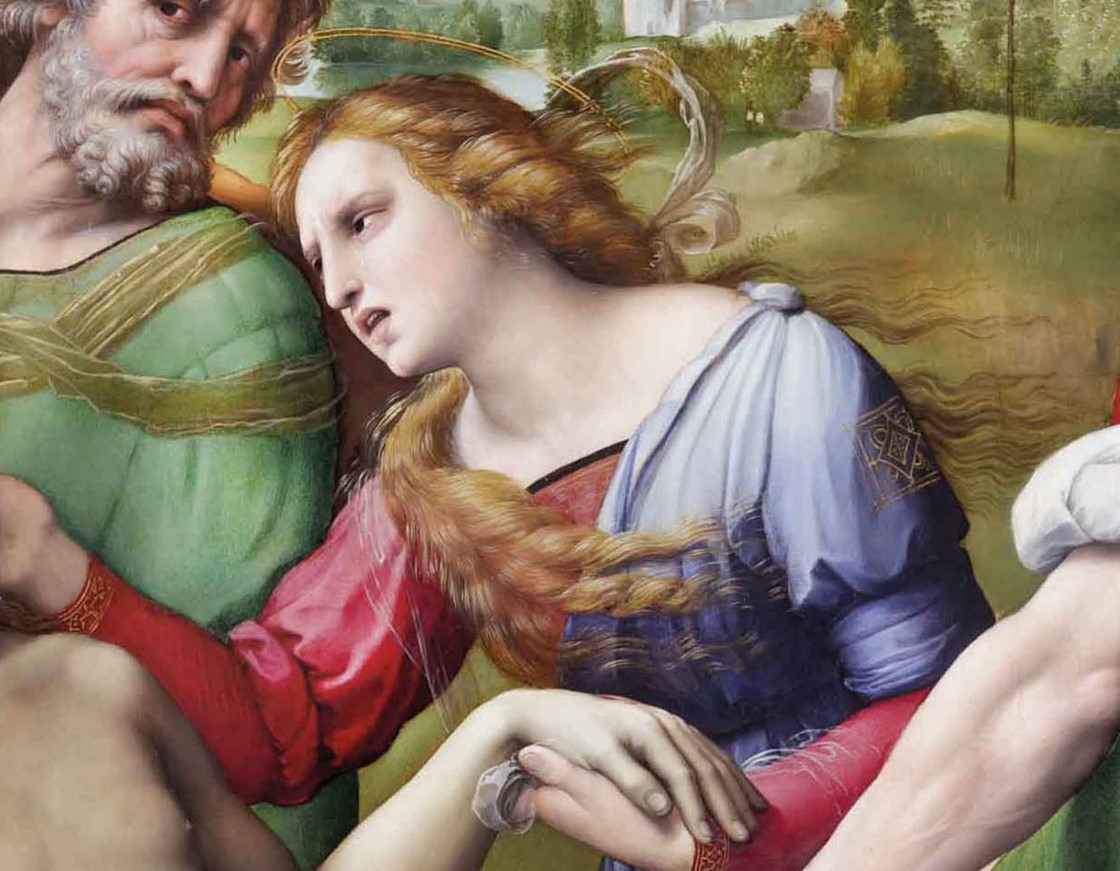
La resa dei dettagli come sempre accade nelle opere di Raffaello, è sublime. Il sapiente utilizzo dei colori luminosi abbinata a una cura quasi maniacale dei particolari, rende quest’opera sublime.
Se volete vederla dal vero, non vi rimane che andare a Galleria Borghese a Roma.
Per il momento il sempre vostro Michelangelo Buonarroti vi saluta dandovi appuntamento ai prossimi post e sui social.

Painting of the day: Raphael’s Transportation of Christ
The painting of the day that I propose to you today is Easter themed and is the Transportation of Christ into the Sepulcher by Raphael, also known as the Baglioni Deposition, a work created by the artist in oil on panel in 1507.
The panel, signed by Raphael on the bottom left step with the words RAPHAEL URBINAS MDVII, was commissioned by Atalanta Baglioni, a noblewoman from Perugia, as an altarpiece for the church of San Francesco al Prato.
Now you should know that originally this masterpiece included a cymatium depicting God the Father blessing which is today kept in the National Gallery of Umbria, in Perugia. A work created by a collaborator of Raphael which however was left in his place when Cardinal Scipione Borghese had Raphael’s painting stolen in 1608, not without the complicity of the Franciscan guardians of the church in which it was located.
The cardinal wanted Raphael’s masterpiece at all costs and took it by force despite the protests of the local inhabitants.
In this work, Raphael depicted the transport of Christ’s body to the tomb which appears on the left like the entrance to a cave. On the right, however, we see the Madonna fainting due to unbearable pain and being supported by the pious women.
In the bright background you can see the three now empty crosses on Golgotha and the ladder that was supported by the one that previously supported the Body of Christ.
The work was commissioned to the artist from Urbino to commemorate the heartbreaking death of Grifoneto Baglioni, the client’s son who was killed during a town feud.
In the painting, as Raphael was wont to do, he cites or rather I would say, copies, the pose of the Virgin that I painted in the Doni Tondo shortly before to give shape to one of the pious women who supports the unconscious Madonna from below.
The rendering of details, as always happens in Raphael’s works, is sublime. The skilful use of bright colors combined with an almost obsessive attention to detail makes this work sublime.
If you want to see it for real, all you have to do is go to the Galleria Borghese in Rome.
For the moment, your always Michelangelo Buonarroti greets you and will meet you in the next posts and on social media.

Sostienici – Support Us
Se questo blog ti piace e ti appassiona, puoi aiutarci a farlo crescere sempre più sostenendoci in modo concreto condividendo i post, seguendo le pagine social e con un contributo che ci aiuta ad andare avanti con il nostro lavoro di divulgazione. . ENGLISH: If you like and are passionate about this blog, you can help us make it grow more and more by supporting us in a concrete way by sharing posts, following social pages and with a contribution that helps us to move forward with our dissemination work.
10,00 €
-
25 marzo: l’Annunciazione di Jan van Eyck, capolavoro fiammingo
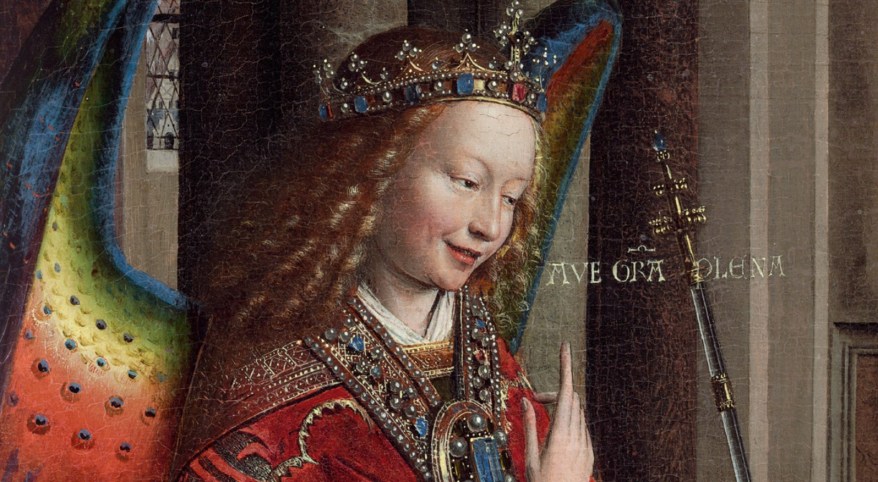
🇮🇹Nel giorno del 25 marzo, tradizionalmente legato al mistero dell’Annunciazione, lo sguardo si posa su uno dei capolavori più raffinati della pittura nordica: l’Annunciazione di Jan van Eyck… 🇬🇧On March 25, traditionally linked to the mystery of the Annunciation, our gaze falls on one of the finest masterpieces of Northern European painting: The Annunciation by…
-
Van Dyck a Genova: la mostra che emoziona tra luce, mirabili dettagli e sguardi indimenticabili
🇮🇹Ho avuto modo di visitare la mostra “Van Dyck l’Europeo” a Genova: un viaggio emozionante tra Anversa, Genova e Londra attraverso dettagli, sguardi e capolavori senza tempo… 🇬🇧I had the opportunity to visit the exhibition “Van Dyck the European” in Genoa: an exciting journey between Antwerp, Genoa, and London through details, glances, and timeless masterpieces…
-
Quando il Capodanno cadeva il 25 marzo: l’Annunciazione di Alessandro Franchi
🇮🇹Il 25 marzo si celebra l’Annunciazione che per secoli, a Firenze e nel resto della Toscana, segnava l’inizio del nuovo anno. Tra le opere più suggestive che raffigurano l’Annunciazione, vi propongo il cartone realizzato da Alessandro Franchi intorno al 1884… 🇬🇧March 25th marks the celebration of the Annunciation, which for centuries marked the beginning of…
Condividi:


Questo sono io





sostienici

Sostienici - Support Us
Se questo blog ti piace e ti appassiona, puoi aiutarci a farlo crescere sempre più sostenendoci in modo concreto condividendo i post, seguendo le pagine social e con un contributo che ci aiuta ad andare avanti con il nostro lavoro di divulgazione. . ENGLISH: If you like and are passionate about this blog, you can help us make it grow more and more by supporting us in a concrete way by sharing posts, following social pages and with a contribution that helps us to move forward with our dissemination work.
€10,00


