

Baldacchino del Bernini: avviato il cantiere di restauro
È appena stato allestito il grande ponteggio che per i prossimi mesi circonderà l’imponente baldacchino in bronzo, capolavoro del Bernini che sovrasta l’Altare Maggiore della Basilica di San Pietro.
A distanza di quasi quattro secoli dalla sua realizzazione, il Baldacchino sarà sottoposto a un accurato intervento di restauro in vista dell’oramai prossimo Giubileo.
Portata a termine nel 1625, la grande struttura fu realizzata sotto la direzione dei lavori di Gian Lorenzo Bernini, non senza la collaborazione del Borromini e del Maderno.
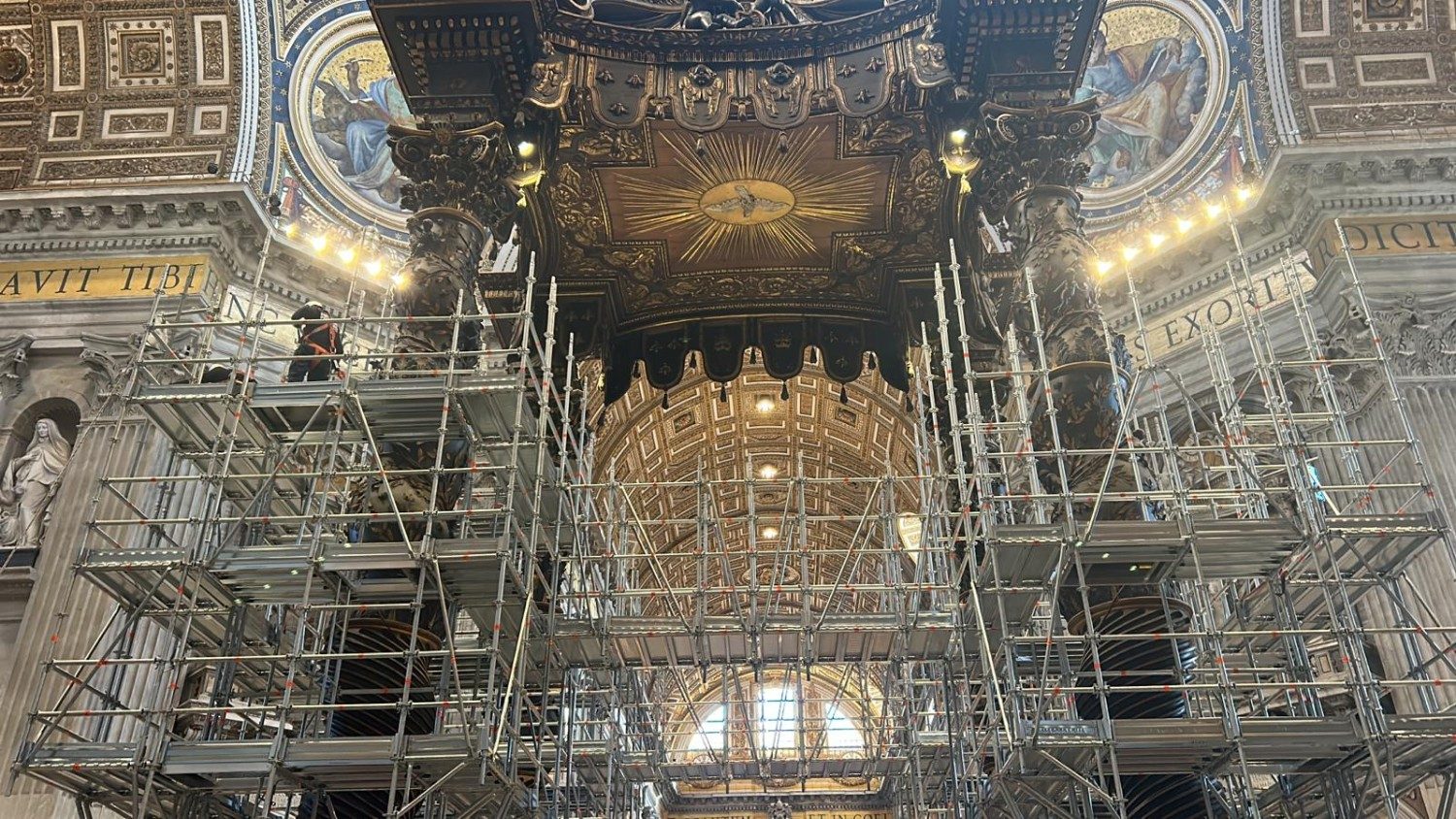
“Un cantiere grande di un’opera grande, e lo è sia dal punto di vista della sua accezione storica, ma anche della dimensione. È come un palazzo di dieci piani, 30 metri di altezza dal basamento alla croce.
Il primo step dei lavori, iniziato oggi, è l’approccio con le opere provvisionali alle superfici oggetto del restauro. Le impalcature sono arrivate già ai due terzi dell’altezza totale e avvolgono, senza toccarlo, tutto il perimetro del Baldacchino. Aabbiamo scelto di creare e di mantenere libero lo spazio per la praticabilità dell’altare papale, per consentire le funzioni dell’anno. Tutte le celebrazioni papali che si svolgono normalmente in Basilica avranno modo di continuare a esserci”.
Alberto Capitanucci, ingegnere responsabile dell’area tecnica della Fabbrica di San Pietro
Padre Enzo Fortunato, direttore della comunicazione della Basilica di San Pietro, riferisce alla stampa che entro il mese di novembre il restauro dovrebbe essere ultimato e quindi verrà mostrata di nuovo la struttura libera dai ponteggi alla vigilia del Giubileo.

Il Baldacchino, oltre a essere un capolavoro artistico, ha un forte valore simbolico per la sua collocazione al di sopra della Tomba di San Pietro. Occupa infatti un luogo cardine nella Basilica ed è lì sotto, alla sua ombra, che il pontefice celebra l’Eucarestia, culmine della vita cristiana.
Intanto l’altare e i gradini sono stati coperti con delle tavole di legno per consentire il regolare svolgimento delle funzioni liturgiche e proteggere al contempo quelle zone così delicate. L’area di non calpestabilità è stata ridotta al massimo.
Su tutti i punti d’appoggio del ponteggio autoportante è stato approntato un sistema di ripartizione ed equilibrio per proteggere la pavimentazione da eccessive sollecitazioni.
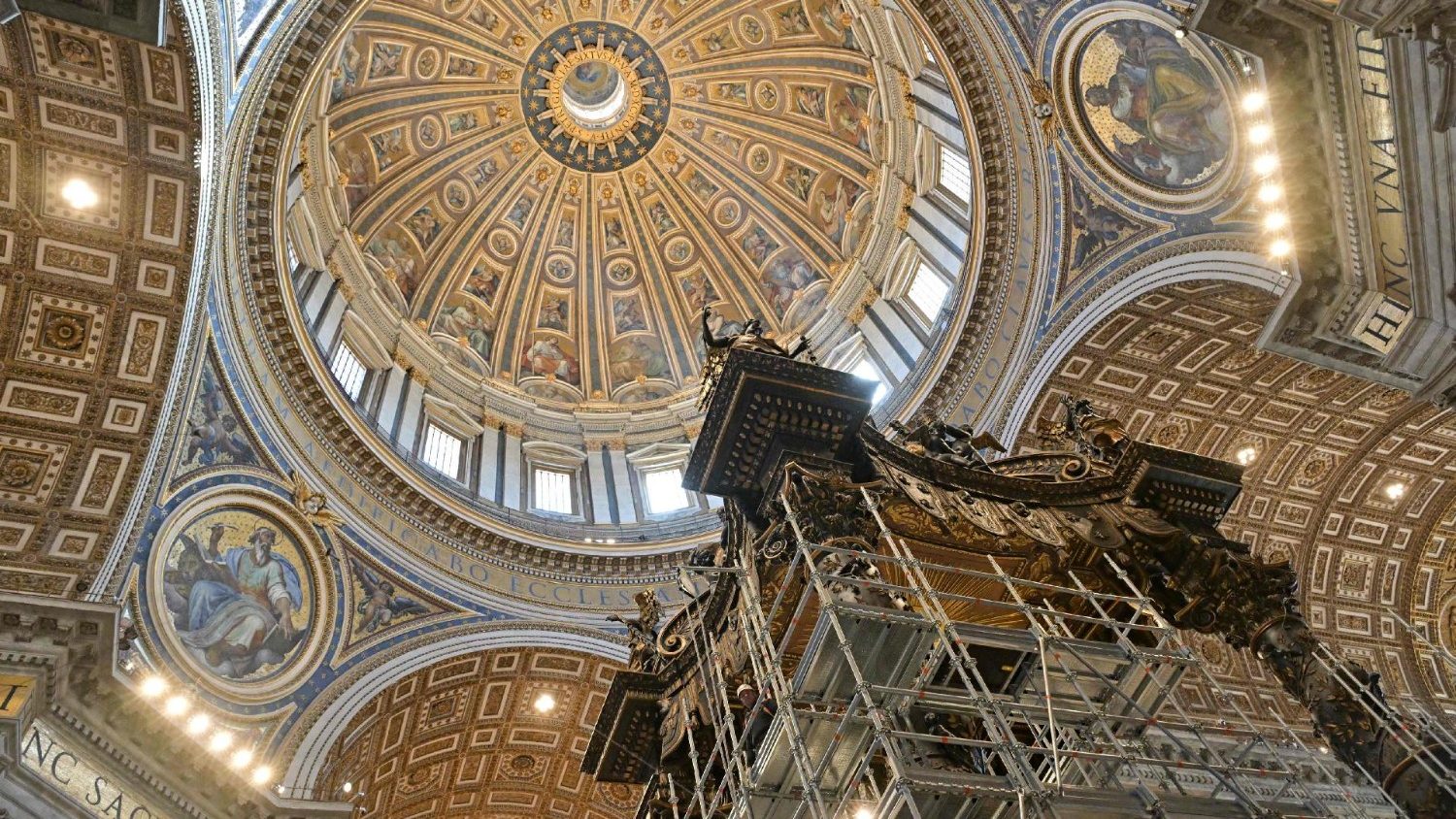
L’intervento di restauro sarà preceduto da una fase di diagnostica. Sebbene i tempi del restauro siano ristretti Capitanucci assicura che verrà fatto un eccellente lavoro sotto la sua direzione: “Lavorando, si stabilisce il da farsi. Non voglio sembrare eccessivamente olistico, ma c’è un approccio, una componente che non è motivazionale ma è data anche dall’empatia che si forma fra chi lavora e l’oggetto del restauro. A un certo punto non è più un oggetto del restauro, non è fuori di te, ma diventa un pezzetto di te, ed è questo che suggerisce come operare“.
Per il momento il sempre vostro Michelangelo Buonarroti vi saluta dandovi appuntamento ai prossimi post e sui social.
© Riproduzione riservata

Bernini’s canopy: restoration work has begun
The large scaffolding which for the next few months will surround the imposing bronze canopy, Bernini’s masterpiece which overlooks the High Altar of St. Peter’s Basilica, has just been set up.
Almost four centuries after its creation, the Baldacchino will undergo a careful restoration in view of the now upcoming Jubilee. Completed in 1625, the large structure was built under the direction of Gian Lorenzo Bernini, not without the collaboration of Borromini and Maderno.
“A large construction site for a large work, and it is both from the point of view of its historical meaning, but also of its size. It is like a ten-story building, 30 meters high from the base to the cross.
The first step of the work, which began today, is the approach with temporary works to the surfaces undergoing restoration. The scaffolding has already reached two thirds of the total height and envelops, without touching it, the entire perimeter of the Baldacchino. We have chosen to create and keep free the space for the use of the papal altar, to allow the functions of the year. All the papal celebrations that normally take place in the Basilica will be able to continue to take place.”
Alberto Capitanucci, engineer responsible for the technical area of the Fabbrica di San Pietro
Father Enzo Fortunato, communications director of St. Peter’s Basilica, reports to the press that the restoration should be completed by November and therefore the structure will be shown again free of scaffolding on the eve of the Jubilee.
The Baldacchino, in addition to being an artistic masterpiece, has a strong symbolic value due to its location above the Tomb of St. Peter.
He occupies a key place in the Basilica and it is there, in his shadow, that the pontiff celebrates the Eucharist, the culmination of Christian life.
Meanwhile, the altar and the steps have been covered with wooden planks to allow the regular carrying out of liturgical functions and at the same time protect those very delicate areas. The non-walkable area has been reduced to the maximum.
A distribution and balance system has been set up on all the support points of the self-supporting scaffolding to protect the flooring from excessive stress.
The restoration intervention will be preceded by a diagnostic phase. Although the restoration times are tight, Capitanucci assures that an excellent job will be done under his direction: “By working, you decide what to do. I don’t want to seem excessively holistic, but there is an approach, a component that is not motivational but is also given by the empathy that forms between those who work and the object of the restoration. At a certain point it is no longer an object of restoration, it is not outside of you, but it becomes a little piece of you, and this is what suggests how to operate”.
For the moment, your always Michelangelo Buonarroti greets you and will meet you in the next posts and on social media.
© Reproduction reserved

Sostienici – Support Us
Se questo blog ti piace e ti appassiona, puoi aiutarci a farlo crescere sempre più sostenendoci in modo concreto condividendo i post, seguendo le pagine social e con un contributo che ci aiuta ad andare avanti con il nostro lavoro di divulgazione. . ENGLISH: If you like and are passionate about this blog, you can help us make it grow more and more by supporting us in a concrete way by sharing posts, following social pages and with a contribution that helps us to move forward with our dissemination work.
10,00 €
-
Festival La Versiliana 2026: tra musica, teatro e grandi narrazioni
Dal 17 luglio al 23 agosto 2026, la pineta di Marina di Pietrasanta ospiterà la 47ª edizione del Festival La Versiliana. Una kermesse aperta a tutti nella quale linguaggi diversi dialogano tra loro in un equilibrio tra tradizione e contemporaneità.
-
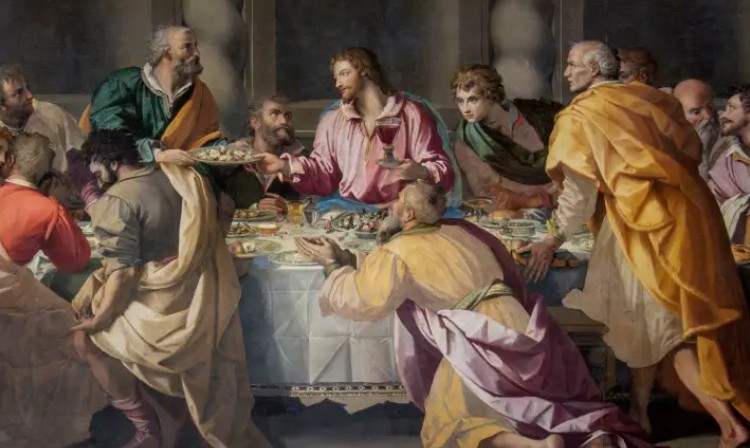
Giovedì Santo: l’Ultima Cena di Allori che pochi conoscono a Firenze
🇮🇹Nel cuore di Museo di Santa Maria Novella, a Firenze, si conserva una delle interpretazioni più affascinanti e meno note dell’Ultima Cena: quella realizzata da Alessandro Allori nel 1584… 🇬🇧In the heart of the Santa Maria Novella Museum in Florence, one of the most fascinating and least-known interpretations of the Last Supper is preserved: the…
-
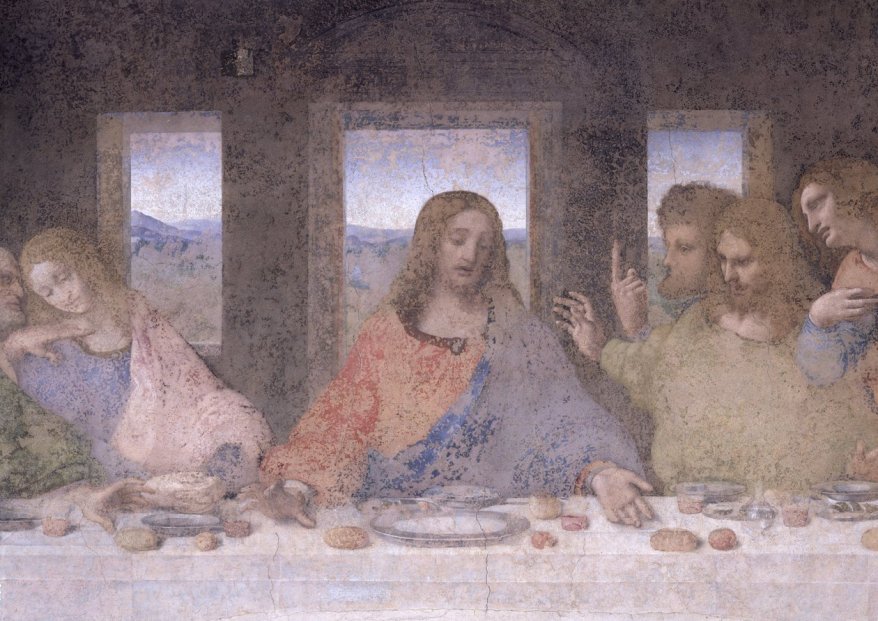
Cenacolo di Leonardo: i dettagli che raccontano il tradimento
🇮🇹Nel Cenacolo di Leonardo da Vinci, custodito a Santa Maria delle Grazie, Cristo annuncia il tradimento e il tempo si ferma… 🇬🇧In Leonardo da Vinci’s Last Supper, housed in Santa Maria delle Grazie, Christ announces the betrayal and time stands still…
Condividi:


Questo sono io





sostienici

Sostienici – Support Us
Se questo blog ti piace e ti appassiona, puoi aiutarci a farlo crescere sempre più sostenendoci in modo concreto condividendo i post, seguendo le pagine social e con un contributo che ci aiuta ad andare avanti con il nostro lavoro di divulgazione. . ENGLISH: If you like and are passionate about this blog, you can help us make it grow more and more by supporting us in a concrete way by sharing posts, following social pages and with a contribution that helps us to move forward with our dissemination work.
€10,00


1 commento »