
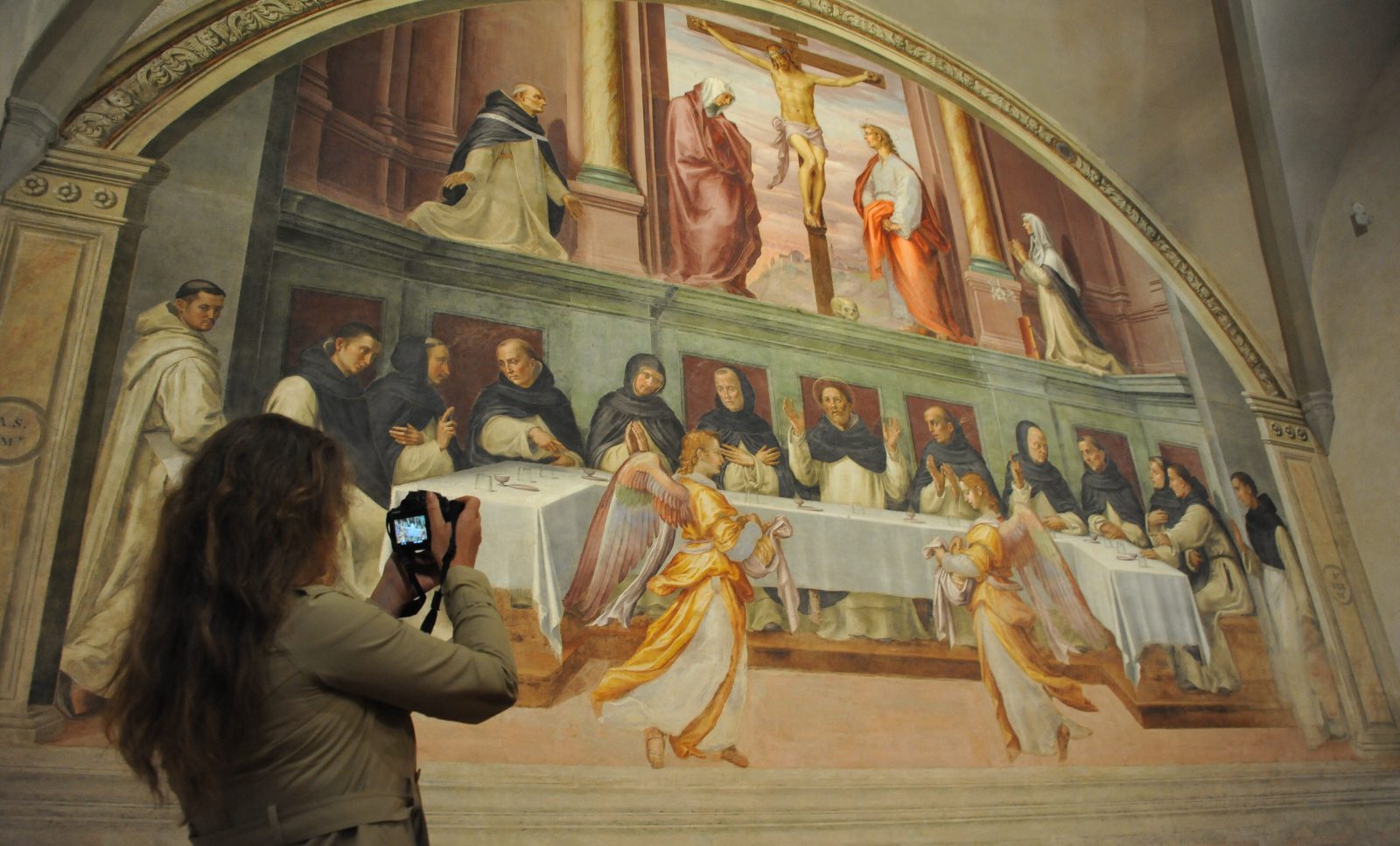
26 dicembre: Santo Stefano nel mondo dell’arte
Il 26 dicembre, il giorno che succede il Santo Natale, la chiesa cattolica ricorda Santo Stefano, il primo martire cristiano.
Vi siete mai chiesti come sia stato raffigurato questo importante Santo ne corso dei secoli nel mondo dell’arte? Sedetevi comodi.
Santo Stefano dopo essere stato accusato di blasfemia e condannato alla morte per lapidazione, fu ucciso attorno al 36 d.C. . Sapete chi fu uno dei principali inquisitori del santo? Saulo di Tarso che poi diventerà San Paolo, folgorato sulla via per Damasco dalla visione di Cristo.
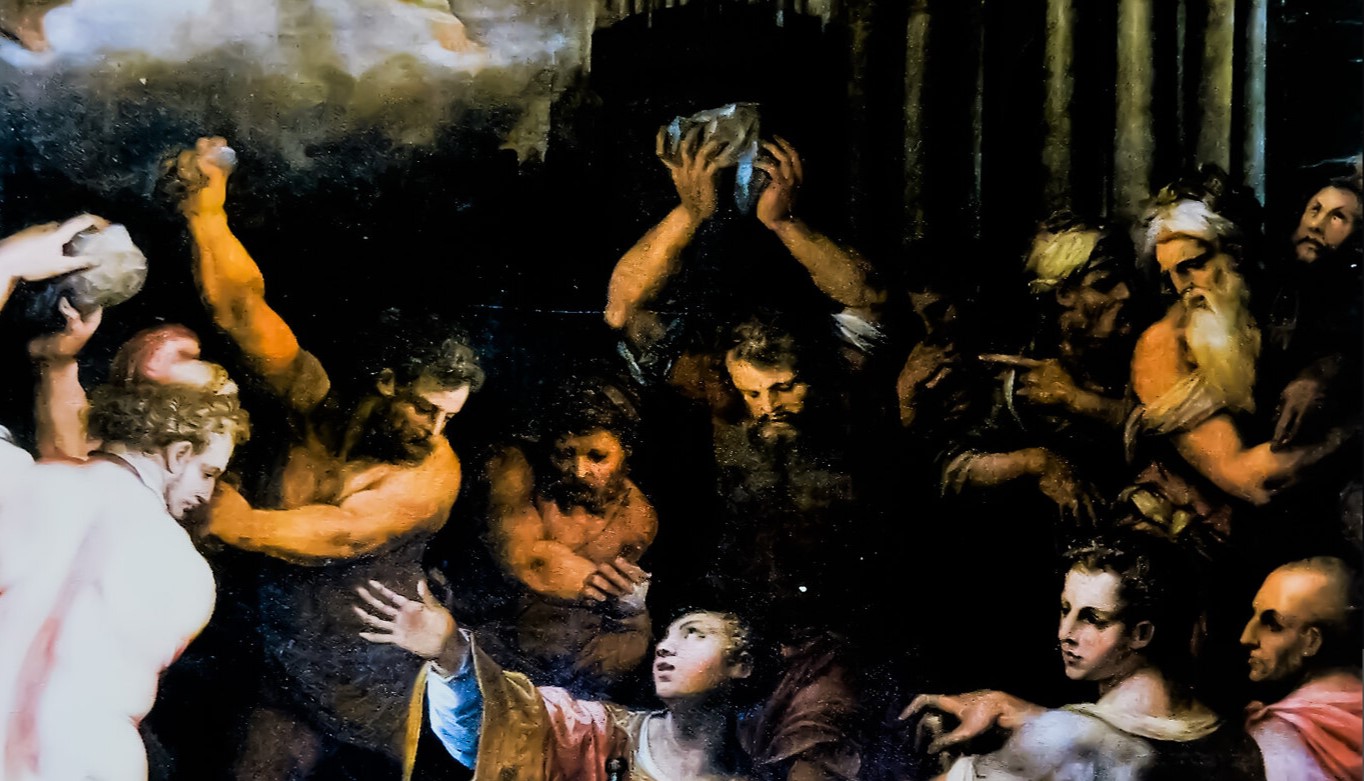
La sua vicenda viene narrata negli Atti degli Apostoli. Stefano faceva parte della prima comunità cristiana, nata immediatamente dopo la morte di Cristo, basata sull’applicazione della carità e della condivisione dei beni.
Stefano si distingueva in modo particolare dagli altri per il suo intento di propagare la fede parlandone a ogni persona che incontrasse.
Il luogo del martirio per tradizione si trova a Gerusalemme, poco distante dalla Porta di Damasco dove fu edificata la chiesa di Saint Etienne. In Italia il giorno dedicato a Santo Stefano, il 26 dicembre, è festivo solo dal 1947, dopo la Seconda Guerra Mondiale.
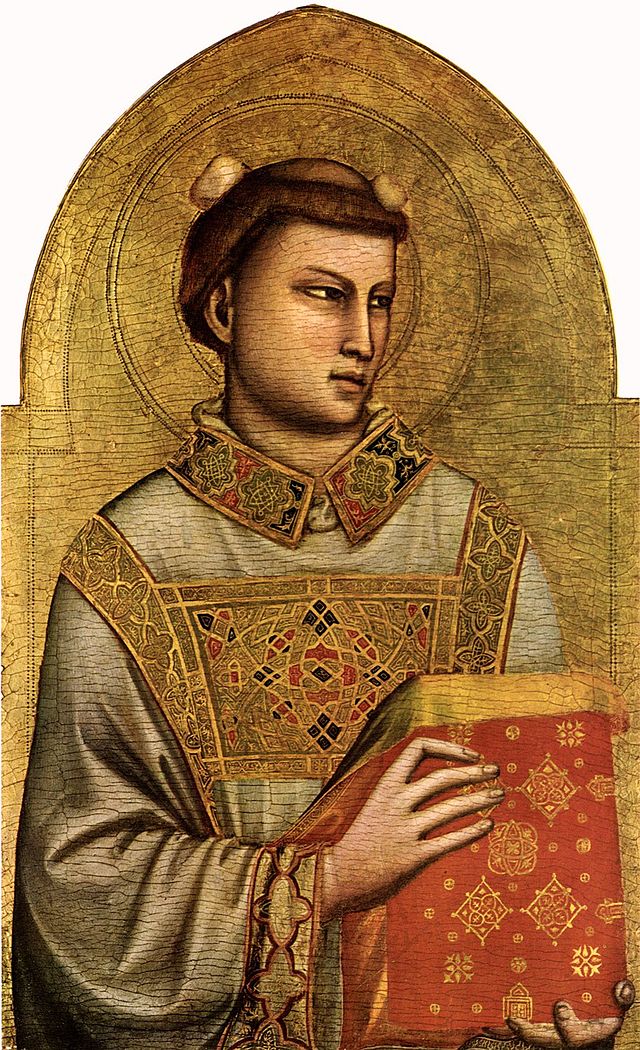
Nel mondo dell’arte Santo Stefano è sempre raffigurato assieme agli strumenti del martirio: i sassi. In alcune rappresentazioni l’effetto dei sassi posti attorno alla testa o ai piedi senza essere sostenuti da alcun chè, crea un effetto un po’ surreale.
Santo Stefano che vedete sopra è quello dipinto a tempera su tavola da Giotto fra il 1320 e il 1325, oggi visibile presso il Museo Horne di Firenze.
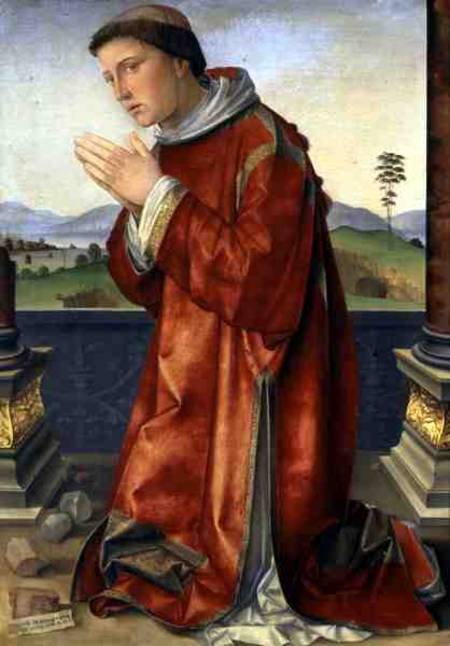
Anche il Francia, ovvero Francesco di Marco Raibolini, vissuto a cavallo fra il Quattrocento e il Cinquecento, dipinse Santo Stefano a olio su tavola e l’opera potete ammirarla presso le collezioni di Galleria Borghese.
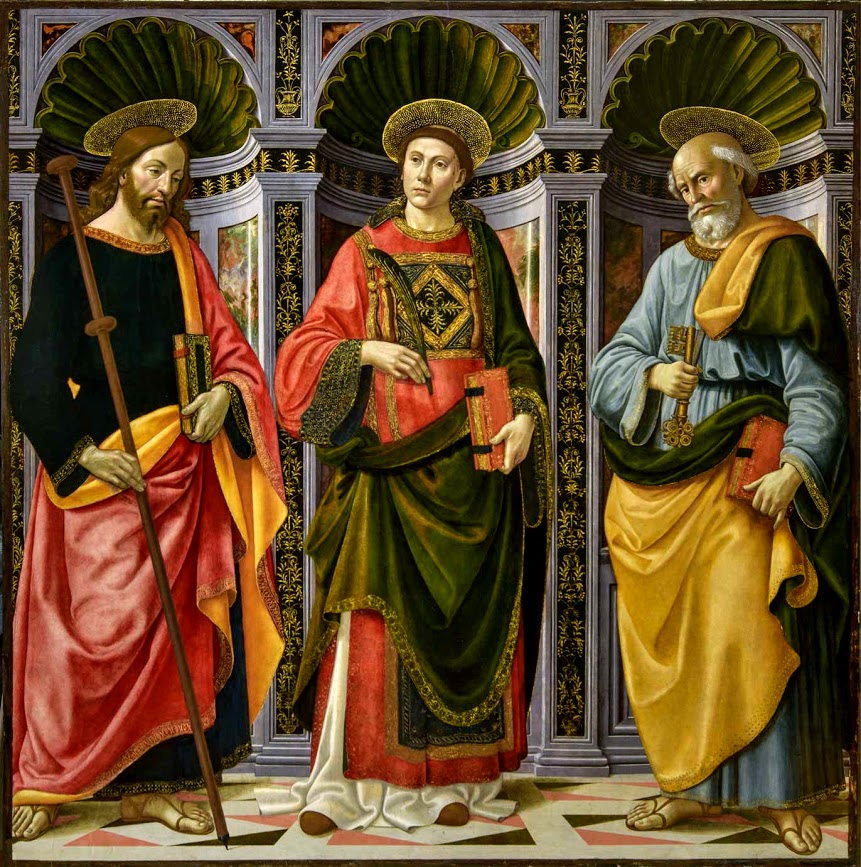
Domenico Ghirandaio, il mio maestro, dipinse Santo Stefano posizionandolo fra i Santi Jacopo e Pietro. Un’opera del 1493, facente parte oggi della collezione permanente della Galleria dell’Accademia di Firenze.
Quest’opera dipinta a olio su tavola era destinato alla chiesa di Santa Maria Maddalena de’ Pazzi in Borgo Pinti e fu commissionata da Stefano di Jacopo Boni.
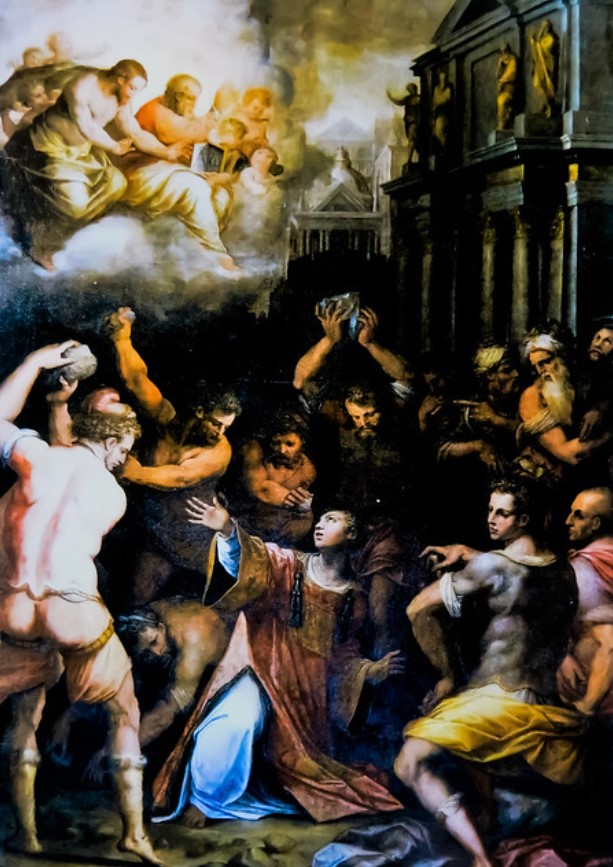
Sono molte le raffigurazioni di Santo Stefano durante il martirio realizzate nel Cinquecento. Mentre prima di questo periodo si era più propensi, come detto prima, a rappresentare il Santo assieme alle pietre, successivamente si passò alle scene che lo ritraevano durante l’uccisione.
Fu proprio questa la scelta rappresentativa che fece anche il Vasari fra il 1569 e il 1517, mettendosi al lavoro sulla grande tela alta oltre 4 metri e larga quasi 3 per la chiesa di Santo Stefano a Pisa.
Il sempre vostro Michelangelo Buonarroti che salutandovi, augura a tutti gli Stefano e Stefania un buon onomastico.

December 26: Saint Stephen in the art world
On December 26, the day that marks Christmas, the Catholic church remembers Saint Stephen, the first Christian martyr.
Have you ever wondered how this important Saint has been depicted over the centuries in the world of art? Sit comfortably.
After being accused of blasphemy and sentenced to death by stoning, Saint Stephen was killed around 36 AD. . Do you know who was one of the saint’s main inquisitors? Saul of Tarsus who later became Saint Paul, struck by the vision of Christ on the road to Damascus.
His story is told in the Acts of the Apostles. Stephen was part of the first Christian community, born immediately after the death of Christ, based on the application of charity and the sharing of goods.
Stefano particularly distinguished himself from the others for his intent to propagate the faith by speaking about it to every person he met.
The place of martyrdom is traditionally found in Jerusalem, not far from the Damascus Gate where the church of Saint Etienne was built. In Italy, the day dedicated to Saint Stephen, December 26, has only been a public holiday since 1947, after the Second World War.
In the world of art Saint Stephen is always depicted together with the instruments of martyrdom: the stones. In some representations the effect of stones placed around the head or feet without being supported by anything creates a somewhat surreal effect.
Saint Stephen that you see above is the one painted in tempera on wood by Giotto between 1320 and 1325, today visible at the Horne Museum in Florence.
Even Francia, or Francesco di Marco Raibolini, who lived between the fifteenth and sixteenth centuries, painted Saint Stephen in oil on panel and you can admire the work in the collections of the Galleria Borghese.
Domenico Ghirandaio, my teacher, painted Saint Stephen positioning him between Saints Jacopo and Peter. A work from 1493, now part of the permanent collection of the Galleria dell’Accademia in Florence.
This work painted in oil on panel was intended for the church of Santa Maria Maddalena de’ Pazzi in Borgo Pinti and was commissioned by Stefano di Jacopo Boni.
There are many depictions of Saint Stephen during his martyrdom created in the sixteenth century. While before this period it was more inclined, as mentioned before, to represent the Saint together with the stones, subsequently we moved on to scenes portraying him during the killing.
This was precisely the representative choice that Vasari also made between 1569 and 1517, getting to work on the large canvas over 4 meters high and almost 3 meters wide for the church of Santo Stefano in Pisa.
Your always Michelangelo Buonarroti who, greeting you, wishes all Stefano and Stefania a happy name day.

Sostienici – Support Us
Se questo blog ti piace e ti appassiona, puoi aiutarci a farlo crescere sempre più sostenendoci in modo concreto condividendo i post, seguendo le pagine social e con un contributo che ci aiuta ad andare avanti con il nostro lavoro di divulgazione. . ENGLISH: If you like and are passionate about this blog, you can help us make it grow more and more by supporting us in a concrete way by sharing posts, following social pages and with a contribution that helps us to move forward with our dissemination work.
10,00 €
-
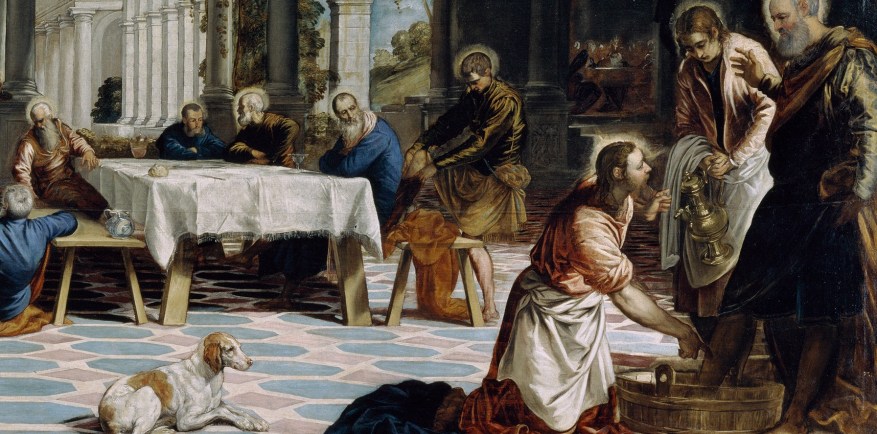
La Lavanda dei Piedi di Tintoretto: Il Capolavoro Veneziano al Prado
🇮🇹Tra i capolavori più affascinanti del Rinascimento veneziano, “La Lavanda dei Piedi” di Jacopo Tintoretto rappresenta un perfetto equilibrio tra spiritualità, innovazione compositiva e straordinaria forza narrativa… 🇬🇧Among the most fascinating masterpieces of the Venetian Renaissance, Jacopo Tintoretto’s “The Washing of the Feet” represents a perfect balance between spirituality, compositional innovation, and extraordinary narrative force…
-
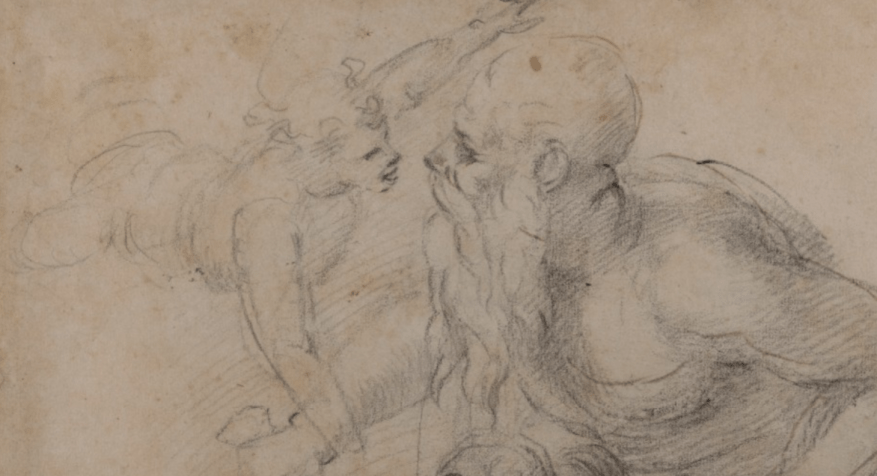
Il Sacrificio di Isacco e quel momento tra la vita e la morte
🇮🇹Oggi voglio raccontarvi alcuni dettagli sul mio disegno del Sacrificio di Isacco, conservato oggi a Casa Buonarroti. Su quel foglio volli tracciare il momento preciso in cui la paura fa spazio al miracolo… 🇬🇧Today I want to tell you some details about my drawing of the Sacrifice of Isaac, now preserved at Casa Buonarroti. On…
-
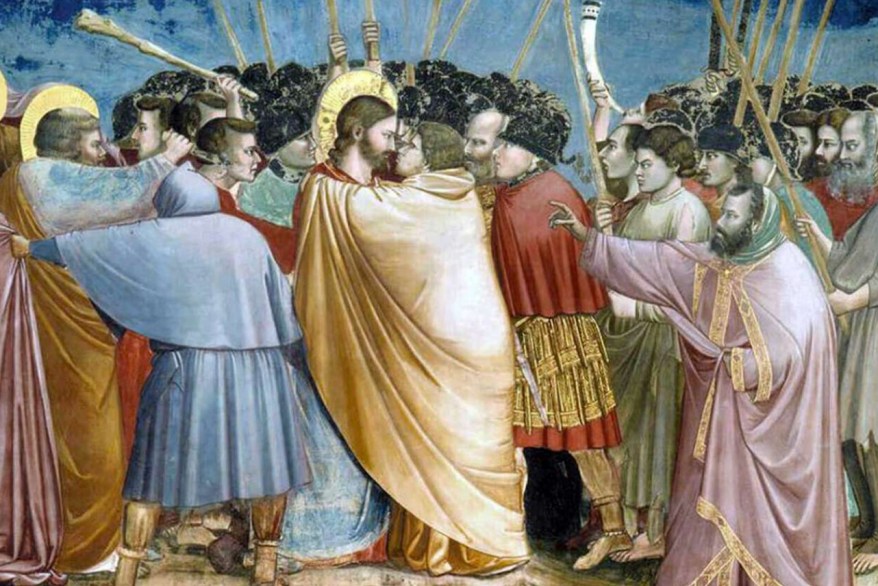
Mercoledì Santo: il giorno del tradimento di Giuda affrescato da Giotto
🇮🇹Il Mercoledì Santo è il giorno del silenzio, della riflessione e del tradimento. È il momento in cui Giuda sceglie di vendere Gesù per trenta denari, segnando uno dei passaggi più dolorosi della Settimana Santa…. 🇬🇧Holy Wednesday is a day of silence, reflection, and betrayal. ✝It is the moment when Judas chooses to sell Jesus…
Condividi:


Questo sono io





sostienici

Sostienici – Support Us
Se questo blog ti piace e ti appassiona, puoi aiutarci a farlo crescere sempre più sostenendoci in modo concreto condividendo i post, seguendo le pagine social e con un contributo che ci aiuta ad andare avanti con il nostro lavoro di divulgazione. . ENGLISH: If you like and are passionate about this blog, you can help us make it grow more and more by supporting us in a concrete way by sharing posts, following social pages and with a contribution that helps us to move forward with our dissemination work.
€10,00


