

Museo Correr: ritrovata un’opera ideata da Mantegna o dipinta da lui?
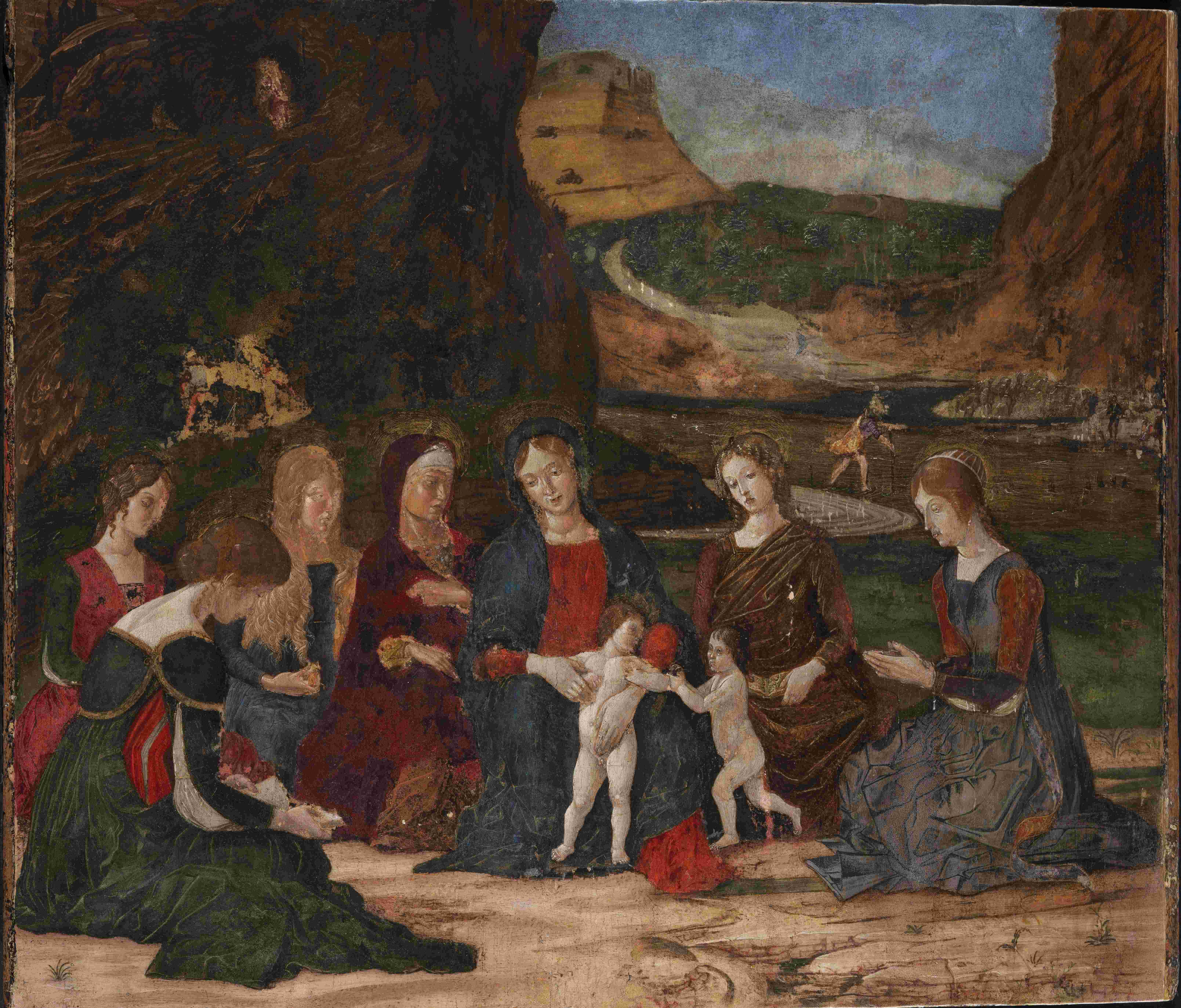
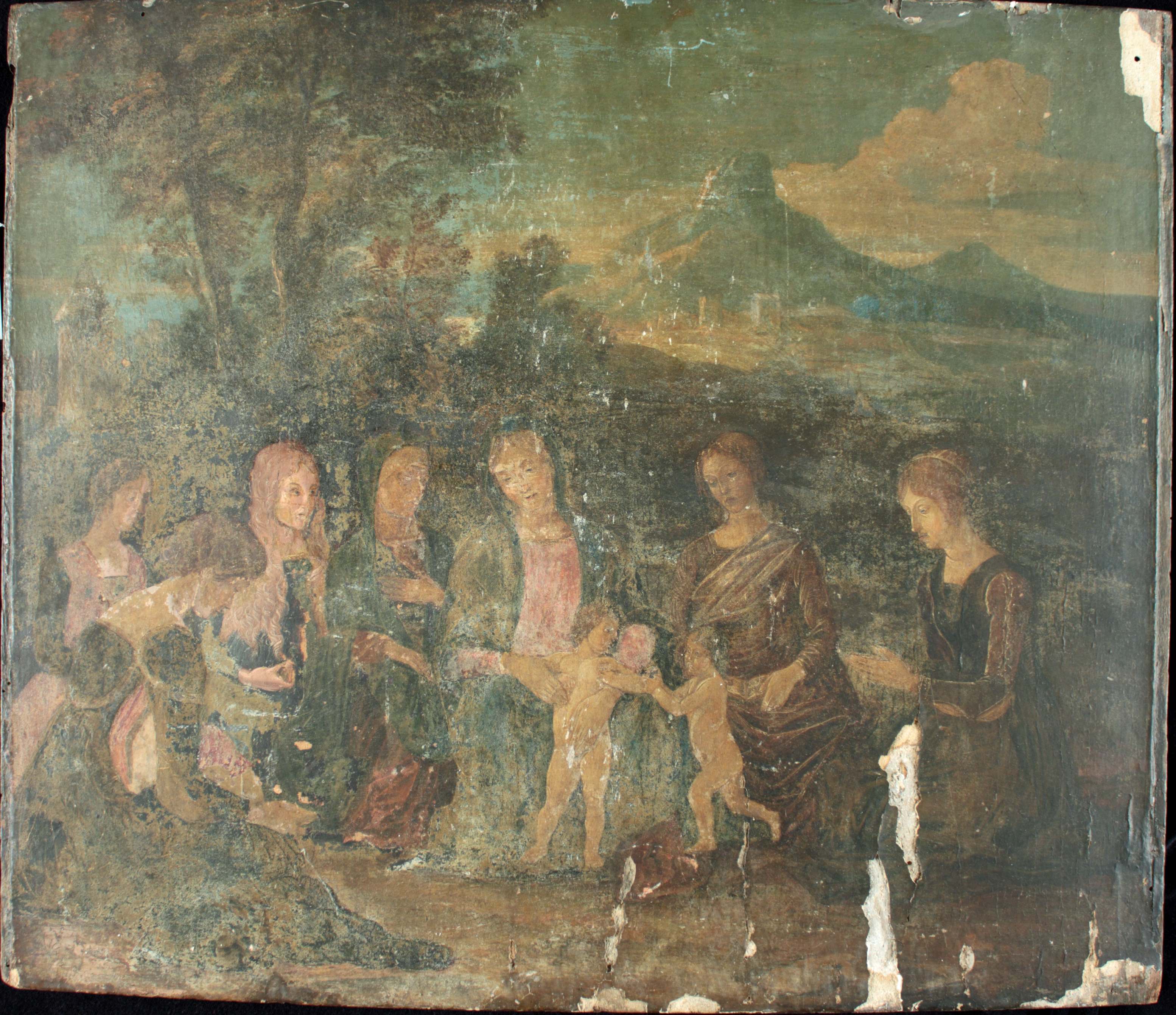
Nei depositi del Museo Correr di Venezia è stato ritrovato un dipinto con una Madonna con Bambino, San Giovannino e sei sante molto alterato dallo scorrere del tempo.
Dopo il restauro a cui è stato sottoposto in via di ultimazione, verrò analizzato dagli studiosi che potranno così meglio valutare quanto Mantegna abbia a che fare con l’opera. E’ sua solo l’ideazione del disegno come appare evidente di primo acchito oppure anche l’esecuzione pittorica può essere a lui attribuita?
Risposte più concrete arriveranno dalla Fondazione Musei Civici di Venezia e dalla Fondazione G.e.Ghilardi Onlusche in concomitanza della Soprintendenza Archeologia e Belle Arti per il Comune di Venezia e Laguna potranno approfondire gli studi a riguardo.
Durante il 2024 il dipinto sarà iconico oggetto di iniziative espositive, di ricerca e di confronto, programmate tra la Villa Contarini a Piazzola sul Brenta – la città natale del grande pittore – e il Museo Correr di Venezia, la sua futura sede espositiva, oggetto di ampliamento e restyling degli spazi al secondo piano.
Fondazione Musei Civici di Venezia avrà tra i compiti principale, affidatole nel 2008 dal Comune di Venezia, di conservare e valorizzare l’immenso patrimonio storico-artistico pertinente agli 11 musei civici; ben compresa la parte delle collezioni che, per varie ragioni non esposta, è pure attentamente custodita nei depositi.
Proprio il continuo lavoro di studio e restauro condotto da responsabili e conservatori della Fondazione ha reso possibile diverse scoperte eccezionali come i casi recenti di ben tre dipinti, presenti nei depositi del Museo Correr e mai considerati per alterate condizioni o errati giudizi del passato, oggi finalmente riconosciuti come autentici capolavori di Vittore Carpaccio.
Potrebbe duqneu essere la stessa felice sorte di un’altra opera dei depositi del Correr: il piccolo dipinto su tavola con la Madonna col Bambino Gesù, San Giovanni Battista fanciullo e sei sante, già appartenuto alla favolosa collezione nel 1830 lasciata alla Città da Teodoro Correr; gesto all’origine degli stessi odierni Musei Civici.
L’opera in questione necessitava di un puntuale e importante restauro, dato che il tempo e le successive ridipinture ne impedivano infatti la piena leggibilità e valutazione. Questo finché l’attuale conservatore del Museo non è riuscito a cogliere chiari segni di qualità pittoriche e compositive straordinariamente alte. Così, ne è iniziato lo studio, anche con sofisticate tecnologie, e il restauro. Grazie al prezioso sostegno della Fondazione G. E. Ghirardi, che ha “scommesso” sull’opera finanziando il restauro, sta oggi emergendo quello che potrebbe essere un vero tesoro nascosto. Il dato subito emerso è che l’opera, di raffinatissima qualità esecutiva – con i finissimi chiaroscuri accentati con oro zecchino, come nelle più preziose miniature – mostra forte e chiara l’impronta stilistica di uno dei massimi pittori italiani del Rinascimento: Andrea Mantegna.

Soprattutto, la stessa singolare scena sacra tutta “al femminile” è pressoché identica a quella di un dipinto oggi conservato nell’Isabella Stewart Gardner Museum di Boston (USA), attribuito al grande pittore e già nelle celebri collezioni mantovane dei Gonzaga, eseguito su loro prestigiosa committenza negli anni finali del Quattrocento.
I conservatori veneziani hanno già avanzato le prime ipotesi sulla base delle indagini radiografiche e riflettografiche: il disegno rilevabile sotto al colore delinea un tracciato coincidente con il dipinto di Boston, specie in alcuni precisissimi punti. Entrambi i dipinti sembrano dunque essere stati realizzati a partire dallo stesso cartone, forato per trasferire a spolvero i punti guida del disegno sulle due tavole.
È ipotizzabile ritenere che le due opere siano state realizzate dal medesimo atelier, a breve distanza di tempo se non in contemporanea; l’artista avrebbe dunque creato due dipinti quasi del tutto identici, solo con qualche piccola ma significativa variante di dettaglio e colore.
Altro dato essenziale emerso da analisi e restauro è che si tratta di un’opera incompiuta; ossia, dopo un accuratissimo processo creativo, certo lungo e faticoso, per una incognita ragione il pittore ha abbandonato l’opera ad un passo dal termine.
Offerto nuovamente il piccolo dipinto all’ammirazione del pubblico e all’attenzione degli studiosi, questi ultimi potranno tentare di scalfirne gli affascinanti misteri, nonché indagare la reale natura e misura della forte, personalissima impronta che in esso ha lasciato il grande Mantegna. Dunque, stabilire come e quanto esso sia opera sua: l’ideazione e il disegno, o addirittura l’esecuzione di sua mano.
Per il momento il vostro Michelangelo Buonarroti vi saluta dandovi appuntamenti ai prossimi post e sui social.
Correr Museum: has a work created by Mantegna or painted by him been found?
In the storage rooms of the Correr Museum in Venice, a painting was found with a Madonna and Child, the infant Saint John and six female saints, which had been greatly altered by the passage of time.
After the restoration it has undergone which is nearing completion, it will be analyzed by scholars who will thus be able to better evaluate how much Mantegna had to do with the work. Is it only him who conceived the design, as appears evident at first glance, or can the pictorial execution also be attributed to him?
More concrete answers will come from the Fondazione Musei Civici di Venezia and the Fondazione G.e.Ghilardi Onlus which, in conjunction with the Superintendence of Archeology and Fine Arts for the Municipality of Venice and Laguna, will be able to deepen their studies in this regard.
During 2024 the painting will be the iconic object of exhibition, research and comparison initiatives, planned between the Villa Contarini in Piazzola sul Brenta – the birthplace of the great painter – and the Correr Museum in Venice, its future exhibition venue, the subject of expansion and restyling of the spaces on the second floor.
The main tasks of the Fondazione Musei Civici di Venezia, entrusted to it in 2008 by the Municipality of Venice, will be to conserve and enhance the immense historical-artistic heritage pertaining to the 11 civic museums; the part of the collections which, for various reasons not on display, is also carefully kept in storage is well understood.
Precisely the continuous study and restoration work carried out by the Foundation’s managers and conservators has made several exceptional discoveries possible such as the recent cases of three paintings, present in the Correr Museum’s deposits and never considered due to altered conditions or erroneous judgments in the past, today finally recognized as authentic masterpieces by Vittore Carpaccio.
It could duqneu be the same happy fate as another work from Correr’s deposits: the small painting on panel with the Madonna and Child Jesus, St. John the Baptist as a child and six female saints, which already belonged to the fabulous collection in 1830 left to the City by Teodoro Correr ; gesture at the origin of today’s Civic Museums themselves.
The work in question needed a timely and important restoration, given that time and subsequent repaintings prevented its full readability and evaluation. This was until the current curator of the Museum managed to grasp clear signs of extraordinarily high pictorial and compositional qualities. Thus, the study began, also with sophisticated technologies, and the restoration. Thanks to the precious support of the G. E. Ghirardi Foundation, which “bet” on the work by financing the restoration, what could be a true hidden treasure is now emerging. The fact that immediately emerged is that the work, of extremely refined executive quality – with the very fine chiaroscuro accented with pure gold, as in the most precious miniatures – shows the stylistic imprint of one of the greatest Italian painters of the Renaissance: Andrea Mantegna, loud and clear.
Above all, the same singular all-female sacred scene is almost identical to that of a painting now preserved in the Isabella Stewart Gardner Museum in Boston (USA), attributed to the great painter and already in the famous Gonzaga collections in Mantua, executed on them prestigious commission in the final years of the fifteenth century.
The Venetian conservators have already put forward the first hypotheses on the basis of radiographic and reflectographic investigations: the drawing detectable under the color outlines a path coinciding with the Boston painting, especially in some very precise points. Both paintings therefore appear to have been created from the same cardboard, perforated to transfer the guide points of the drawing onto the two panels.
It is conceivable to believe that the two works were created by the same atelier, a short time apart if not at the same time; the artist would therefore have created two almost completely identical paintings, only with some small but significant variations in detail and colour.
Another essential fact that emerged from analysis and restoration is that it is an unfinished work; that is, after a very careful creative process, certainly long and tiring, for an unknown reason the painter abandoned the work one step away from completion.
Once the small painting is once again offered to the admiration of the public and the attention of scholars, the latter will be able to attempt to unravel its fascinating mysteries, as well as investigate the real nature and extent of the strong, very personal imprint that the great Mantegna left on it. Therefore, establish how and to what extent it is his work: the conception and design, or even the execution by his hand.
For the moment, your Michelangelo Buonarroti greets you, giving you appointments in future posts and on social media.

Sostienici – Support Us
Se questo blog ti piace e ti appassiona, puoi aiutarci a farlo crescere sempre più sostenendoci in modo concreto condividendo i post, seguendo le pagine social e con un contributo che ci aiuta ad andare avanti con il nostro lavoro di divulgazione. . ENGLISH: If you like and are passionate about this blog, you can help us make it grow more and more by supporting us in a concrete way by sharing posts, following social pages and with a contribution that helps us to move forward with our dissemination work.
8,00 €
-
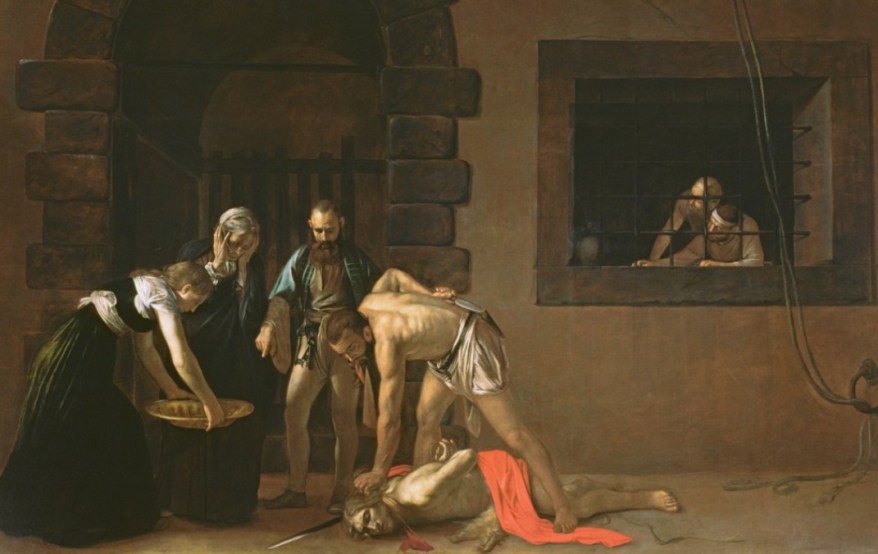
29 agosto, Martirio di San Giovanni Battista: le opere più belle nell’arte
🇮🇹Martirio di San Giovanni Battista, 29 agosto: scopri cinque capolavori di Caravaggio, Tiziano, Solario, Guido Reni e Mattia Preti dedicati alla sua tragica morte… 🇬🇧Martyrdom of Saint John the Baptist, August 29: discover five masterpieces by Caravaggio, Titian, Solario, Guido Reni, and Mattia Preti dedicated to his tragic death…
-
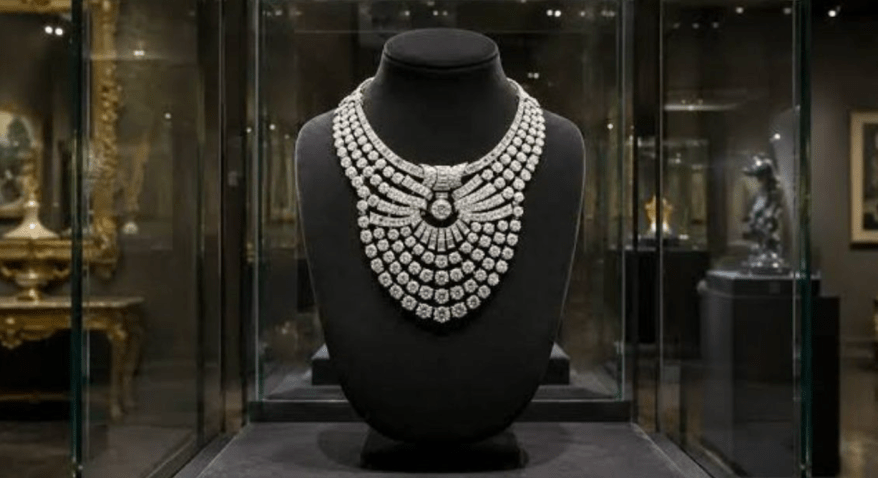
Rubata a Vienna la collana della regina Nazli: 673 diamanti e oltre 200 carati, caccia ai due ladri
🇮🇹Rubata a Vienna una collana Van Cleef & Arpels con 673 diamanti appartenuta alla regina Nazli d’Egitto: valeva 4,3 milioni di dollari. Caccia ai ladri… 🇬🇧A Van Cleef & Arpels necklace with 673 diamonds that belonged to Queen Nazli of Egypt was stolen in Vienna: it was worth $4.3 million. The hunt for the thieves…
-
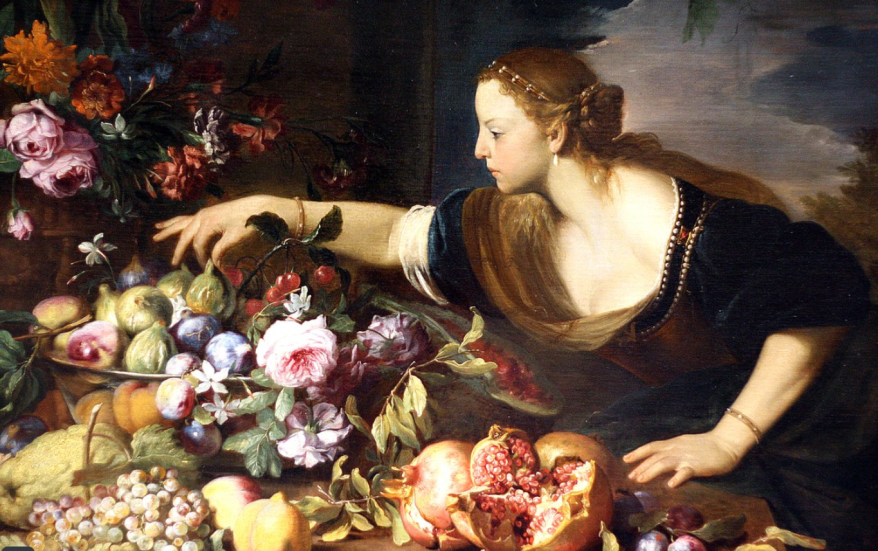
I Brueghel a Milano, la grande mostra che svela come nacquero i generi della pittura europea
🇮🇹Dal 29 settembre 2026 Palazzo Reale di Milano ospita la grande mostra sui Brueghel: oltre 80 opere raccontano la nascita dei generi pittorici europei… 🇬🇧From September 29, 2026, Palazzo Reale in Milan will host a major exhibition on the Brueghels: over 80 works recount the birth of European pictorial genres…
Condividi:


Questo sono io




sostienici

Sostienici – Support Us
Se questo blog ti piace e ti appassiona, puoi aiutarci a farlo crescere sempre più sostenendoci in modo concreto condividendo i post, seguendo le pagine social e con un contributo che ci aiuta ad andare avanti con il nostro lavoro di divulgazione. . ENGLISH: If you like and are passionate about this blog, you can help us make it grow more and more by supporting us in a concrete way by sharing posts, following social pages and with a contribution that helps us to move forward with our dissemination work.
€10,00


dall’immagine che risulta in fase di restauro traspare già un compendio di Grazia che una volta terminato sarà, qualunque sia l’attribuzione, celestiale
"Mi piace""Mi piace"