
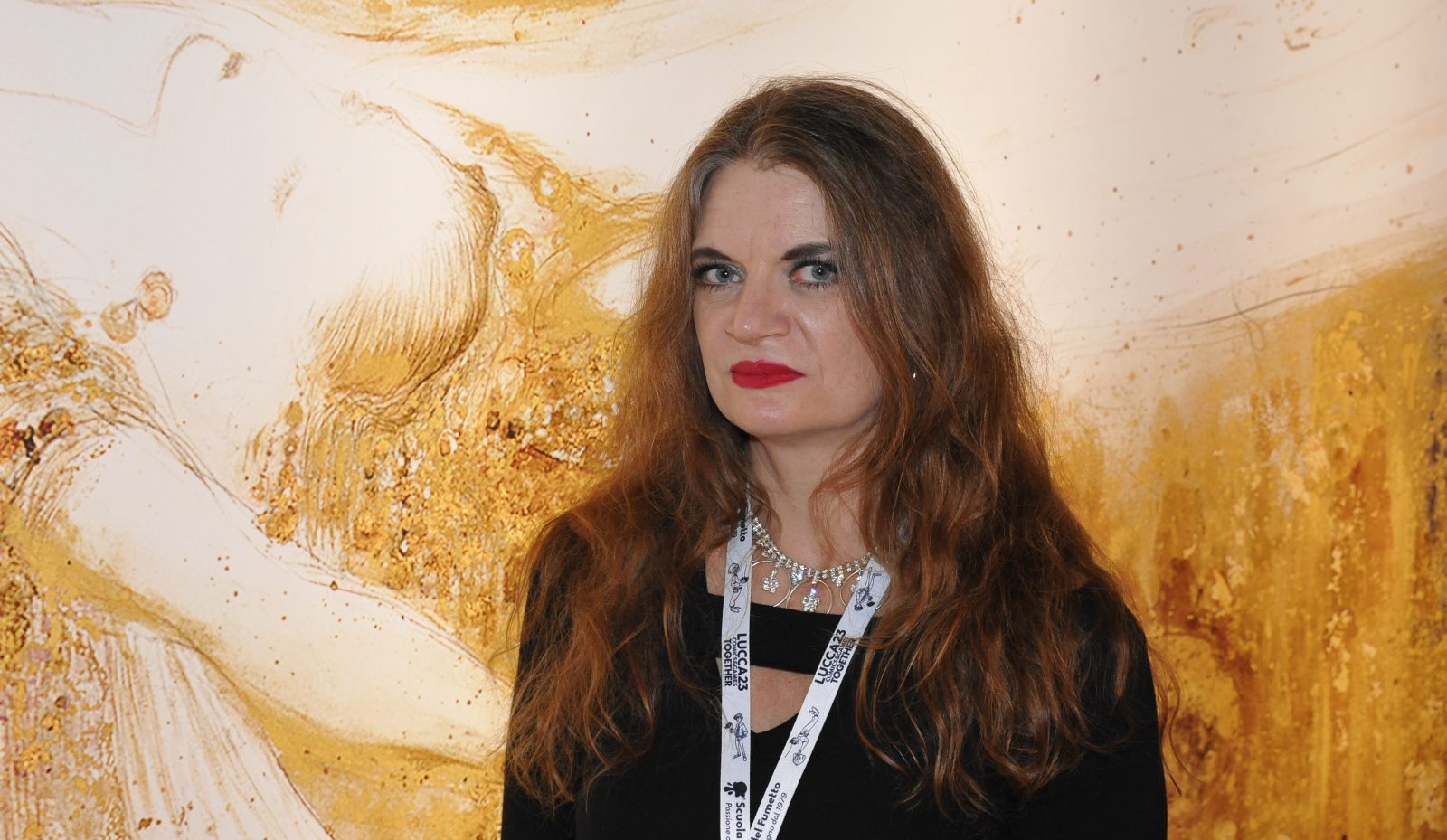
Che aspetto aveva il mio Ercole perduto?
Nel 1494, dopo aver scolpito un effimero Ercole di neve per Piero de’ Medici, mi misi al lavoro su un grande blocco di marmo di quattro braccia per dar forma a un Ercole più duraturo.
Quel blocco da tempo era esposto alle intemperie come riporta il Condivi “da un gran pezzo di marmo dal qual molti anni s’era iaciuta all’acqua”.

Ora dovete sapere che quattro braccia corrispondono a due metri e trentatré centimetri quindi l’opera era di notevoli dimensioni. Riuscite a immaginarvi la potenza che riuscii a far emergere in quell’Ercole?
La scultura terminata fu venduta ad Alfonso di Filippo Strozzi e successivamente donata da Filippo Strozzi il Giovane tanto che fa la sua comparsa a partire dal 1506 negli inventari di Palazzo Strozzi.

La famiglia, antagonista per antonomasia dei Medici, volle regalare l’Ercole alla corte di Francia mediante l’intercessione dell’agente Giovan Battista del Palla. Dichiarai apertamente di essere contrario a quella cessione ma non ci fu nulla da fare e nel 1529 l’opera arrivò nelle mani di Francesco I re di Francia.
L’Ercole così finì a Fountainbleu, posto a coronamento della fontana progettata dal Primaticio e successivamente, durante la reggenza di re Enrico IV, fu posto a decorazione del Jardin de l’Etange.
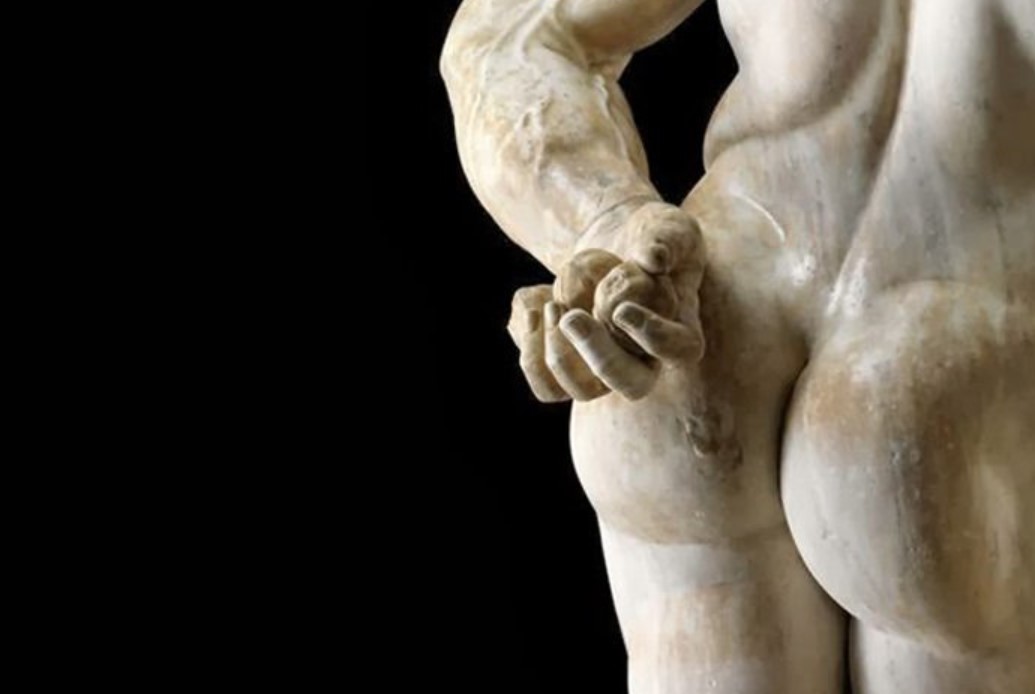
Ma che aspetto aveva quel mio Ercole andato perduto?
Il viaggiatore Nicander Nucis da Corcyra mise nero su bianco di aver visto l’Ercole che teneva con la destra una clava ed era coperto da una pelle di leone.
Successivamente l’incisore Jacques Andreuet du Cerceau raffigurò l’intera fontana del Primaticcio rappresentando l’Ercole nudo che poggia la mano destra sulla clava e solleva l’altra in cui sembra tenere i pomi delle Esperidi.
Nessun altra fonte nota fino al momento però riporta la presenza di questi due attributi nè riferimenti precisi in merito all’aspetto dell’Ercole.
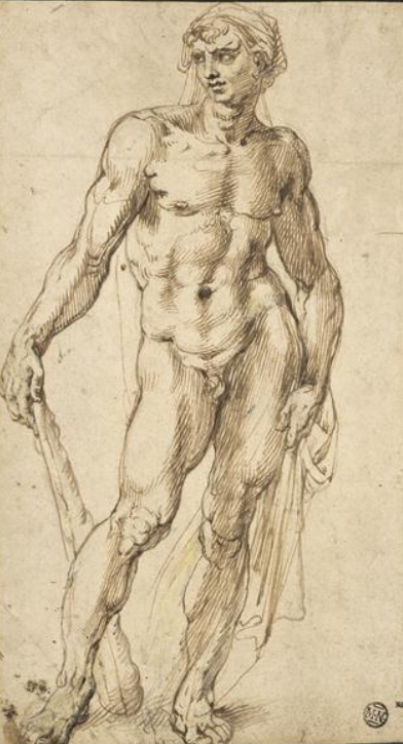
Purtroppo a partire dal 1725 se ne perse ogni traccia e non è dato sapere che fine abbia fatto né che aspetto avesse con certezza.
Per il momento il vostro Michelangelo Buonarroti vi saluta dandovi appuntamento ai prossimi post e sui social.
What did my lost Hercules look like?
In 1494, after having sculpted an ephemeral snow Hercules for Piero de’ Medici, I set to work on a large four-armed block of marble to give shape to a more lasting Hercules.
That block had been exposed to the elements for some time as Condivi reports “by a large piece of marble which had been exposed to water for many years”.
Now you must know that four arms correspond to two meters and thirty-three centimeters so the work was of considerable size. Can you imagine the power I managed to bring out in that Hercules?
The finished sculpture was sold to Alfonso di Filippo Strozzi and subsequently donated by Filippo Strozzi the Younger, so much so that it appeared in the inventories of Palazzo Strozzi starting from 1506.
The family, antagonists par excellence of the Medici, wanted to give the Ercole to the court of France through the intercession of the agent Giovan Battista del Palla. I openly declared that I was against that transfer but there was nothing to be done and in 1529 the work arrived in the hands of Francis I, king of France.
The Hercules thus ended up in Fountainbleu, placed to crown the fountain designed by Primaticio and subsequently, during the regency of King Henry IV, it was placed to decorate the Jardin de l’Etange.
But what did my lost Hercules look like?
The traveler Nicander Nucis from Corcyra recorded in writing that he had seen Hercules holding a club in his right hand and covered in a lion’s skin.
Subsequently, the engraver Jacques Andreuet du Cerceau depicted the entire Primaticcio fountain representing the naked Hercules who rests his right hand on the club and raises the other in which he seems to hold the apples of the Hesperides.
However, no other source known up to now reports the presence of these two attributes or precise references regarding the appearance of Hercules.
Unfortunately, starting from 1725 all traces of it were lost and it is not known what happened to it or what it looked like with certainty.
For the moment, your Michelangelo Buonarroti greets you and will meet you in future posts and on social media.

Sostienici – Support Us
Se questo blog ti piace e ti appassiona, puoi aiutarci a farlo crescere sempre più sostenendoci in modo concreto condividendo i post, seguendo le pagine social e con un contributo che ci aiuta ad andare avanti con il nostro lavoro di divulgazione. . ENGLISH: If you like and are passionate about this blog, you can help us make it grow more and more by supporting us in a concrete way by sharing posts, following social pages and with a contribution that helps us to move forward with our dissemination work.
8,00 €
-
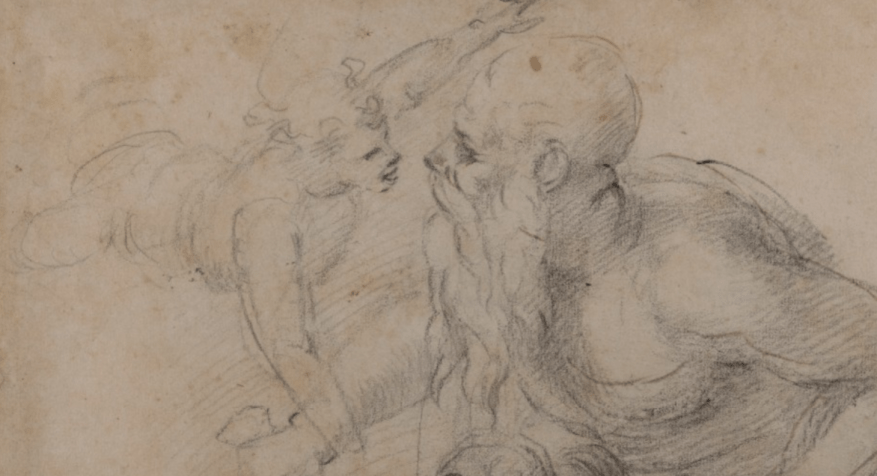
Il Sacrificio di Isacco e quel momento tra la vita e la morte
🇮🇹Oggi voglio raccontarvi alcuni dettagli sul mio disegno del Sacrificio di Isacco, conservato oggi a Casa Buonarroti. Su quel foglio volli tracciare il momento preciso in cui la paura fa spazio al miracolo… 🇬🇧Today I want to tell you some details about my drawing of the Sacrifice of Isaac, now preserved at Casa Buonarroti. On…
-
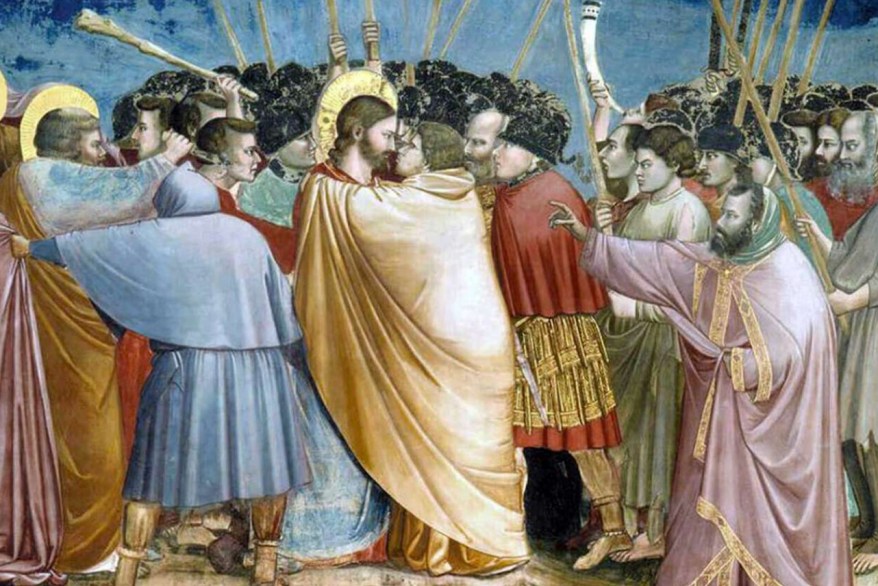
Mercoledì Santo: il giorno del tradimento di Giuda affrescato da Giotto
🇮🇹Il Mercoledì Santo è il giorno del silenzio, della riflessione e del tradimento. È il momento in cui Giuda sceglie di vendere Gesù per trenta denari, segnando uno dei passaggi più dolorosi della Settimana Santa…. 🇬🇧Holy Wednesday is a day of silence, reflection, and betrayal. ✝It is the moment when Judas chooses to sell Jesus…
-
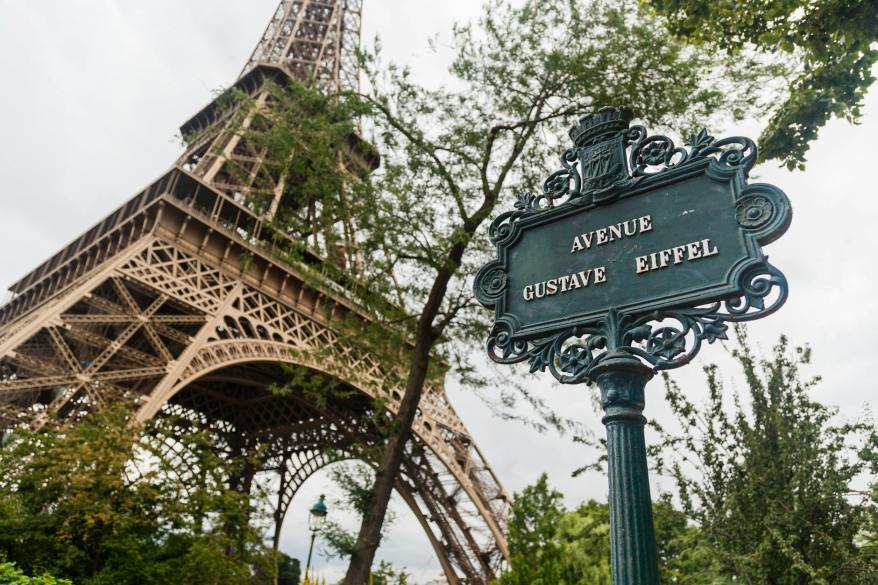
31 marzo 1889: inaugurata la Torre Eiffel tra critiche feroci e un destino inaspettato
🇮🇹Il 31 marzo 1889 segna una data destinata a cambiare per sempre il volto di Parigi e dell’immaginario collettivo globale: viene inaugurata la Torre Eiffel, l’opera più audace e discussa del suo tempo… 🇬🇧March 31, 1889 marks a date destined to change the face of Paris and the global collective imagination forever: the Eiffel Tower,…
Condividi:


Questo sono io





sostienici

Sostienici – Support Us
Se questo blog ti piace e ti appassiona, puoi aiutarci a farlo crescere sempre più sostenendoci in modo concreto condividendo i post, seguendo le pagine social e con un contributo che ci aiuta ad andare avanti con il nostro lavoro di divulgazione. . ENGLISH: If you like and are passionate about this blog, you can help us make it grow more and more by supporting us in a concrete way by sharing posts, following social pages and with a contribution that helps us to move forward with our dissemination work.
€10,00


