

La Scultura del giorno: l’Amico ferito del Tantardini
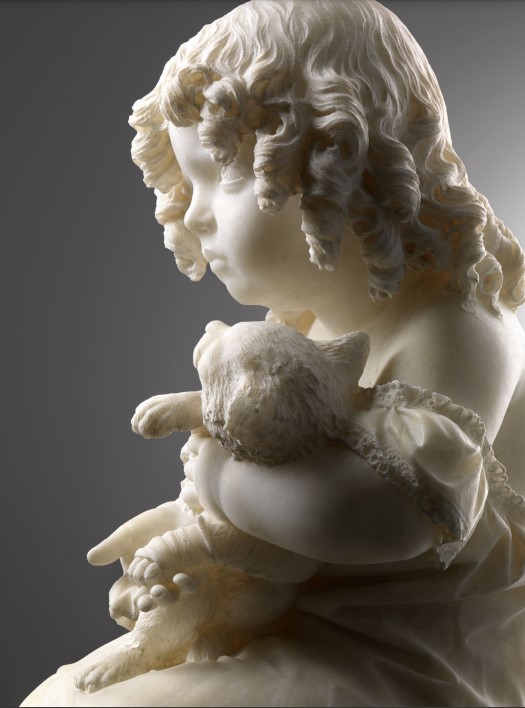
La Scultura del giorno che vi propongo oggi è l’Amico ferito scolpito da Antonio Tantardini nel 1876. Esistono due versioni di quest’opera: la prima è una bambina che stringe fra le braccia un gattino con la zampa fasciata mentre nella seconda il cucciolo ferito è un cagnolino.
Antonio Tantardini era nato a Milano il 12 giugno 1829 da Luigi, un lavoratore del marmo, e da Caterina Teufich. Iniziò ad approcciarsi alla lavorazione del marmo grazie al padre e a quattordici anni cominciò a frequentare i corsi di disegno proposti dall’Accademia di Brera.
Completò la sua formazione di scultore nello studio di Pompeo Marchesi, all’epoca già scultore affermato e riconosciuto a livello internazionale.
Le opere del Tantardini molto si avvicinano a quelle del Bartolini e di Dupré con un approccio al bello naturale ma anche al realismo di Vincenzo Vela.
Si cimentava spesso con la realizzazione di sculture a soggetto femminile o infantile e riscosse un buon interesse nel panorama internazionale.

L’Amico ferito ha come protagonista un cucciolo di gatto in questo caso con una zampetta lesionata e fasciata, tenuto teneramente fra le braccia da una bambina che ha un’età compresa fra i tre e i quattro anni.
La piccola, seduta su uno sgabello, ha i capelli riccioluti che le ricadono sulle spalle incorniciandole il volto. La veste in pizzo di San Gallo ha una resa particolarmente realistica e ben riuscita.
Appoggiata a terra si vede una ciotola rovesciata con del cibo dentro e un cucchiaio. Si intuisce che la bambina abbia appena terminato di alimentare il gattino con il cucchiaio.

Lo sguardo rivolto verso l’alto della bambina sembra indicare la richiesta d’aiuto della piccola in direzione di un adulto che possa aiutare a guarire il gattino ferito.
E’ incredibile l’empatia che lo scultore riesce a suscitare in chi osserva l’opera verso questa bambina in cerca di aiuto.

L’opera appartiene a una collezione privata.
Per il momento il vostro Michelangelo Buonarroti vi saluta dandovi appuntamento ai prossimi post e sui social.
Sculpture of the day: Tantardini’s Wounded Friend
The Sculpture of the Day that I propose to you today is the Wounded Friend sculpted by Antonio Tantardini in 1876. There are two versions of this work: the first is a little girl holding a kitten with a bandaged paw in her arms while in the second the wounded puppy he’s a little dog.
Antonio Tantardini was born in Milan on 12 June 1829 to Luigi, a marble worker, and Caterina Teufich. He began to approach marble working thanks to his father and at the age of fourteen he began to attend drawing courses offered by the Brera Academy.
He completed his training as a sculptor in the studio of Pompeo Marchesi, who at the time was already an established and internationally recognized sculptor.
Tantardini’s works are very similar to those of Bartolini and Dupré with an approach to natural beauty but also to the realism of Vincenzo Vela. He often experimented with the creation of sculptures of female or child subjects and received good interest on the international scene.
He completed his training as a sculptor in the studio of Pompeo Marchesi, who at the time was already an established and internationally recognized sculptor.
Tantardini’s works are very similar to those of Bartolini and Dupré with an approach to natural beauty but also to the realism of Vincenzo Vela. He often experimented with the creation of sculptures of female or child subjects and received good interest on the international scene.
The little girl’s upward gaze seems to indicate the little girl’s request for help towards an adult who can help heal the injured kitten.
The empathy that the sculptor manages to arouse in those who observe the work towards this little girl in search of help is incredible.
The work belongs to a private collection.
For the moment, your Michelangelo Buonarroti greets you and will meet you in future posts and on social media.

Sostienici – Support Us
Se questo blog ti piace e ti appassiona, puoi aiutarci a farlo crescere sempre più sostenendoci in modo concreto condividendo i post, seguendo le pagine social e con un contributo che ci aiuta ad andare avanti con il nostro lavoro di divulgazione. . ENGLISH: If you like and are passionate about this blog, you can help us make it grow more and more by supporting us in a concrete way by sharing posts, following social pages and with a contribution that helps us to move forward with our dissemination work.
8,00 €
-

Sotto un cielo di glicine: la magia di Villa Bardini
🇮🇹Per pochi giorni all’anno, il pergolato di Villa Bardini si trasforma in un tunnel lilla lungo 70 metri, dove profumo e bellezza si intrecciano sopra una delle viste più romantiche di Firenze… 🇬🇧For a few days a year, the pergola of Villa Bardini transforms into a 70-meter-long lilac tunnel, where scent and beauty intertwine above…
-
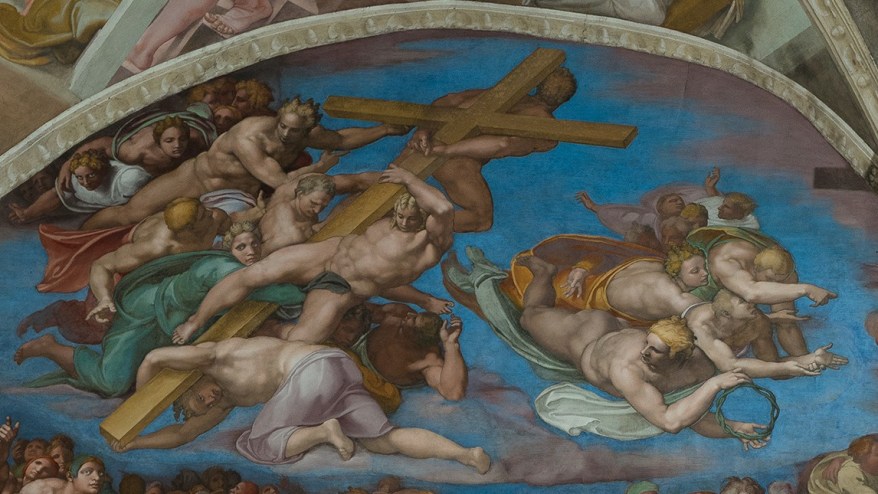
Come se la giustizia negata in vita possa compiersi altrove
🇮🇹Se davvero l’anima, una volta sciolta dal corpo, ritorna sulla terra per vivere ancora, così mi domando, quale sorte attende chi oggi appare tanto bella ai miei occhi, ma così crudele nel cuore? 🇬🇧If the soul, once freed from the body, truly returns to earth to live again, I ask myself, what fate awaits the…
-
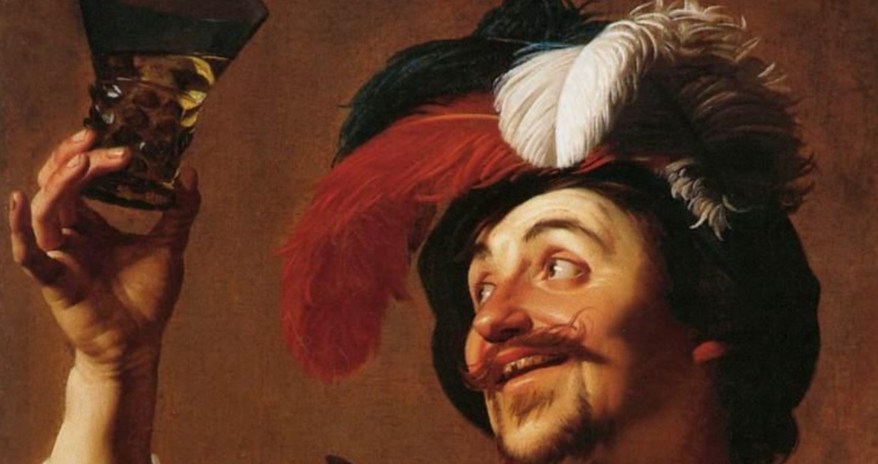
Quel sorriso del violinista felice di Gerrit van Honthorst
🇮🇹Un brindisi, un sorriso, una luce che taglia il buio. Conoscete il dipinto del violinista felice con un bicchiere di vino (1624) di Gerrit van Honthorst?… 🇬🇧A toast, a smile, a light that cuts through the darkness. Are you familiar with the painting of the Happy Violinist with a Glass of Wine (1624) by Gerrit…
Condividi:


Questo sono io





sostienici

Sostienici – Support Us
Se questo blog ti piace e ti appassiona, puoi aiutarci a farlo crescere sempre più sostenendoci in modo concreto condividendo i post, seguendo le pagine social e con un contributo che ci aiuta ad andare avanti con il nostro lavoro di divulgazione. . ENGLISH: If you like and are passionate about this blog, you can help us make it grow more and more by supporting us in a concrete way by sharing posts, following social pages and with a contribution that helps us to move forward with our dissemination work.
€10,00


