

Aperta la Stanza Segreta: ecco come prenotare
Finalmente la Stanza Segreta è accessibile al pubblico e potrà essere visitata da chi desidera farlo. Quel luogo in cui mi rifugiai per scampare dalla morte tanto angusto da sembrare una prigione, fu la mia salvezza.
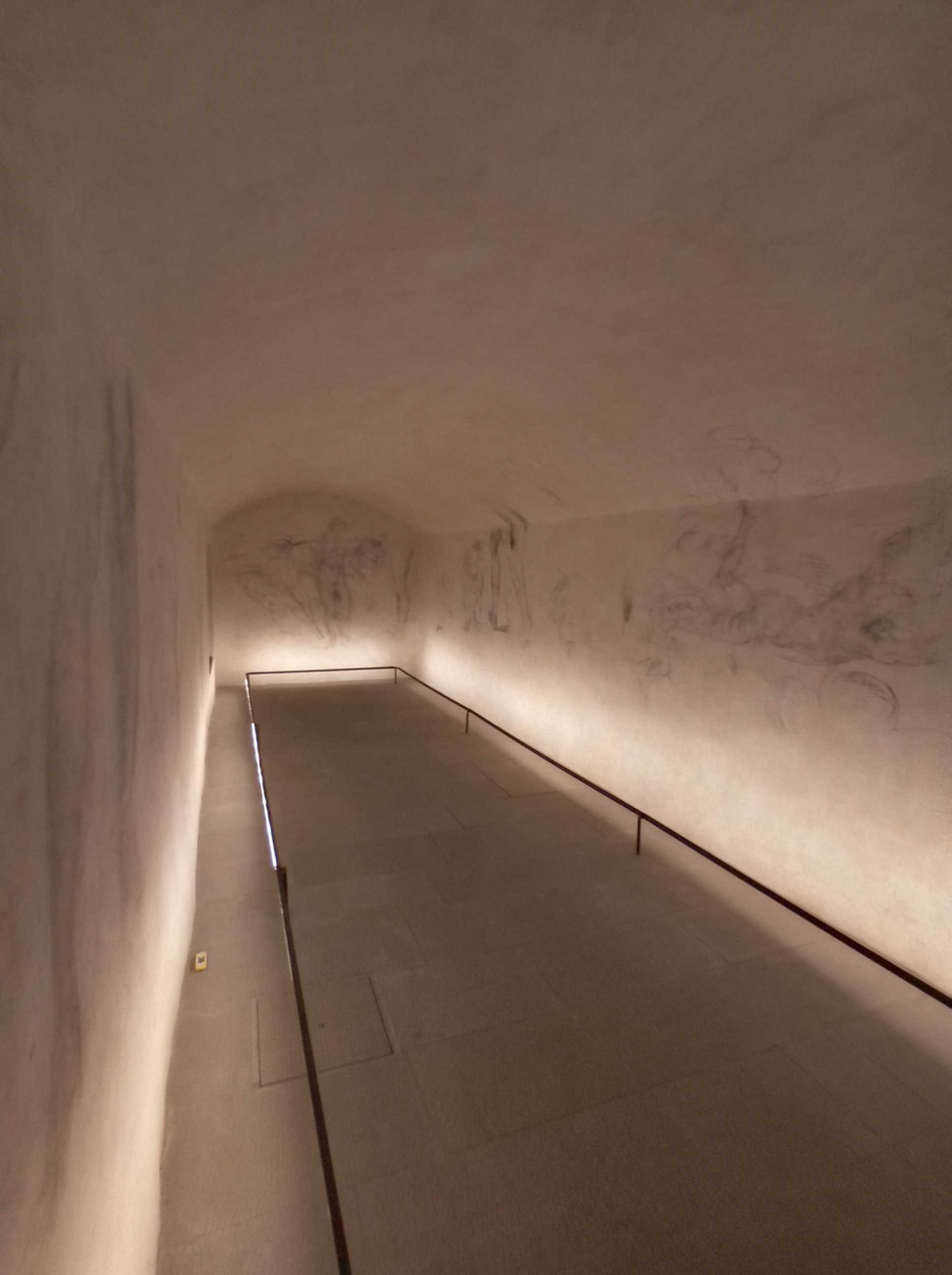
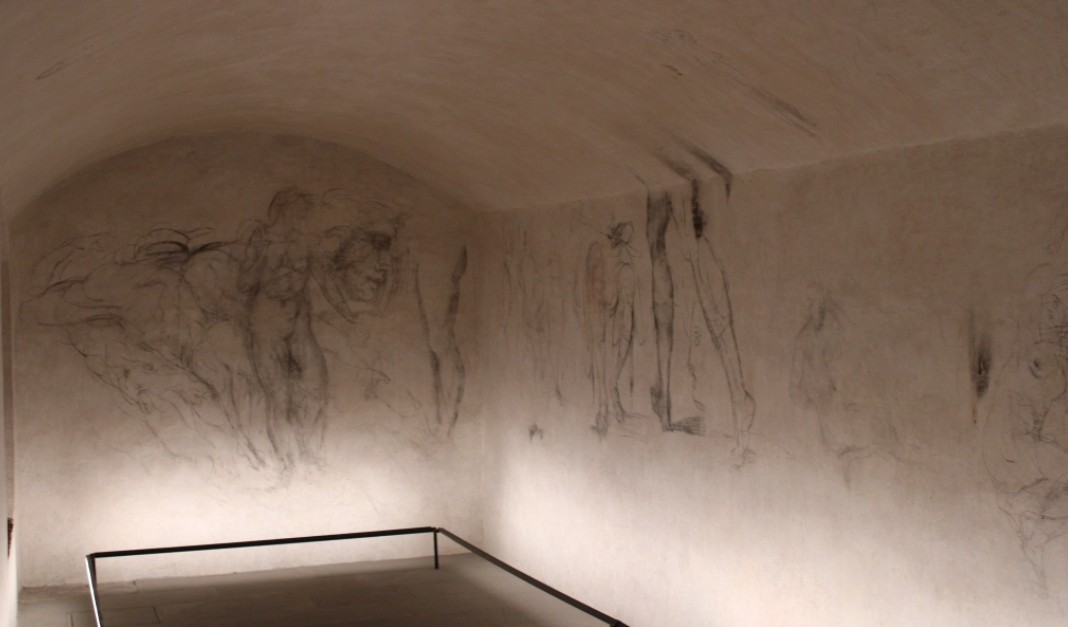
La Stanza Segreta è un ambiente lungo 10, 5 metri per 2,65 metri di larghezza mentre la volta a botte è alta mediamente 2,50 centimetri. Al suo interno sono presenti due piccole finestre quadrate di 70 centimetri per lato e il pavimento si eleva di 31 centimetri rispetto al piano della piazza di San Lorenzo.

Quando mi nascosi nella Stanza Segreta
Nella Stanza Segreta mi nascosi grazie alla complicità di Giovanni Battista Figiovanni, un carissimo amico che all’epoca era il priore della Basilica di San Lorenzo.

Come avrei potuto scampare alla furia vendicativa dei Medici nei confronti dei sostenitori della Repubblica qual ero dopo l’agosto del 1530?
Nascondendomi a casa loro o quasi, dentro questa stanza stretta e lunga per mesi. Un’idea geniale. Chi mi avrebbe mai cercato a casa propria?
“Io lo canpai dalla morte et salva ‘li la roba; addomandandoonmi mille volte perdono” annotò il Figiovanni.
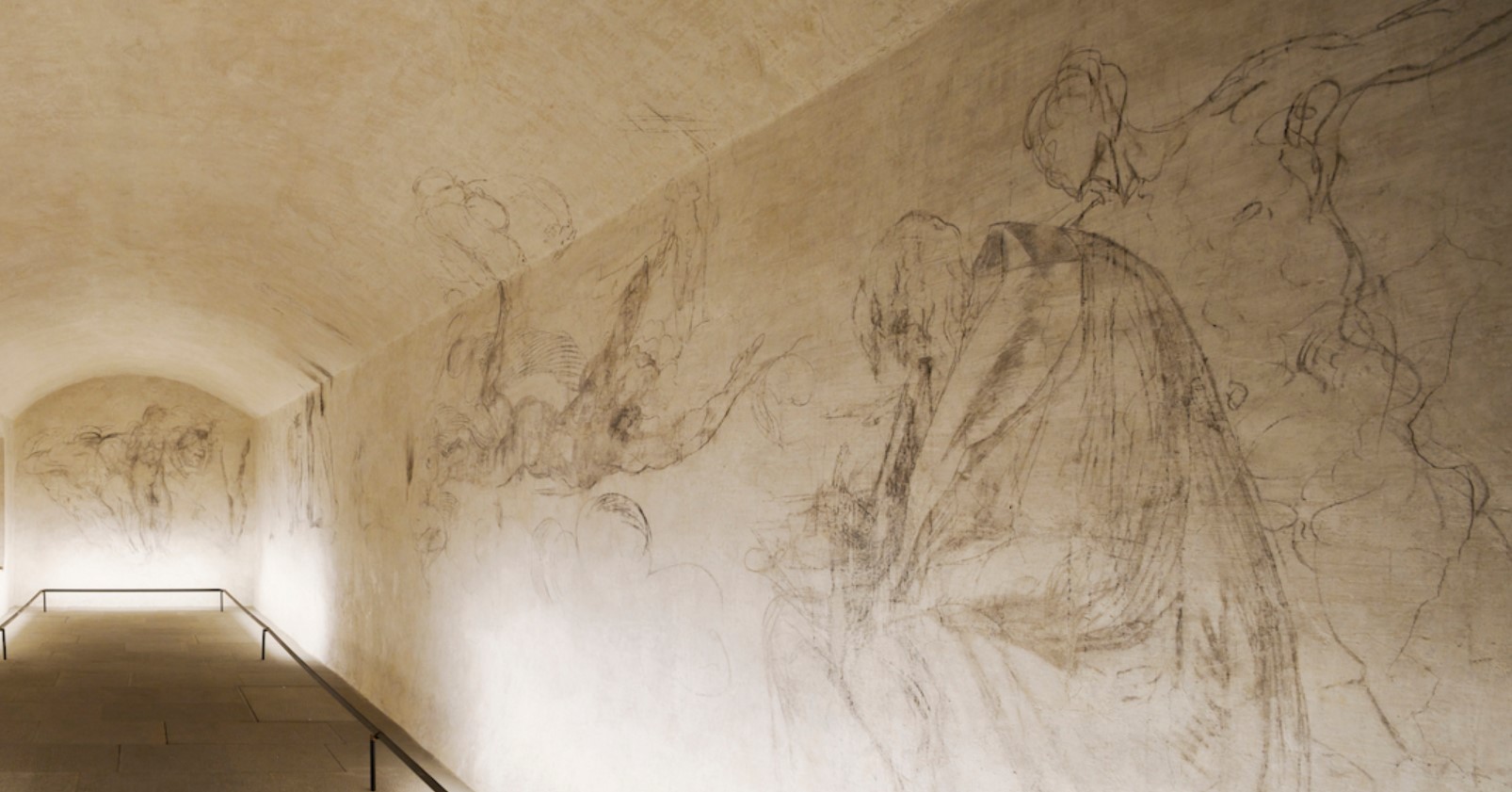
La luce lì dentro era poca ma con le candele di sego riuscivo a rischiarare l’aria e a vederci meglio. Con le mani in mano non sono mai stato capace di starci e, anche in quella drammatica circostanza, non smisi di disegnare.
Così poco a poco le pareti si riempirono di disegni a carbone ricavato bruciando pezzi di legno più o meno appuntiti. A volte il tratto si faceva più marroncino, quando il legno non era bruciato in modo ottimale. Per sfumare poi usavo le dita o degli stracci ma gran parte delle sfumature sono andate perdute.
Nella Stanza ci sono anche disegni che realizzai con terra ferrosa non liquida ma mischiata alla cera per essere più facilmente adoperabile alla stregua di un pastello.

Come e quando fu riscoperta la Stanza Segreta
Nel settembre del 1975, durante la ricerca di uno spazio per poter realizzare una nuova uscita per le Cappelle Medicee, il restauratore Sabino Giovannoni fu incaricato dall’allora direttore Paolo dal Poggetto di saggiare le pareti di questo ambiente.

Uno dei custodi più anziani del complesso si ricordava che in uno dei due spazi delle piccole sagrestie note chiamate lavamani era presente una botola che portava a un ambiente sottostante.
La botola per anni e anni era rimasta nascosta al di sotto di un armadio e da altri oggetti pressoché abbandonati.

Spostando quel mobile tornò alla luce la botola che si apriva su dodici scalini assai ripidi. L’ambiente a cui conducevano era quella che oggi apre i battenti al pubblico: la Stanza Segreta.
Non dovete immaginarvela così come appare oggi, completamente restaurata e pavimentata ma era un ambiente molto sporco, polveroso, pieno di segatura e carbonella.
Le pareti erano completamente imbiancate e fino a una certa altezza c’era uno strato uniforme di fango dovuto all’alluvione del novembre del 1966.
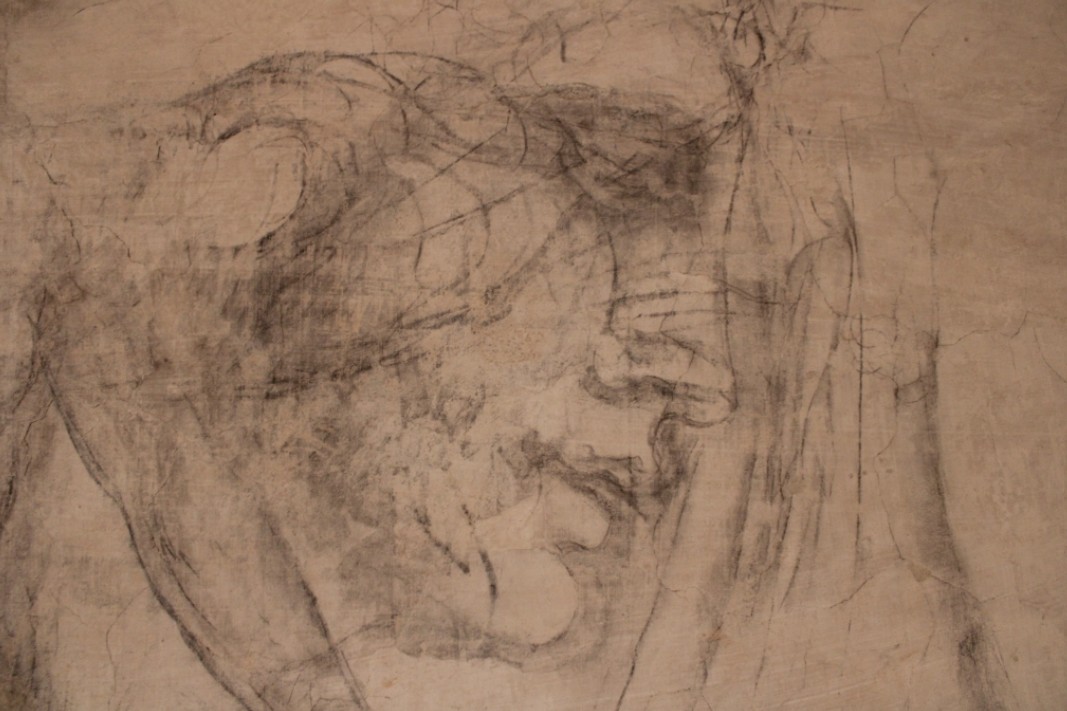
Il restauratore Giovannoni iniziò con il bisturi a rimuovere i due strati di intonaco e con gran sorpresa iniziò a vedere riemergere segni spessi di carboncino sulla parete.
Giovannoni fu affiancato dal restauratore Guido Botticelli nella scopertura dei disegni centimetro per centimetro, tutta fatta a bisturi.
Le impronte delle dita
Sulla volta della Stanza Segreta sono presenti anche le impronte lasciate da dita sporche di carboncino: sono mie? Forse ma non è possibile saperlo con certezza.

Qualche anno fa Monica Bietti, l’allora direttrice del Museo delle Cappelle Medicee, chiese alla Polizia Scientifica di analizzare quelle tracce per poi confrontarle con altre impronte certe mie che avevo lasciato su fogli presenti a Casa Buonarroti.
Purtroppo però quelle impronte erano trascinate e quindi troppo indefinite per poter essere analizzate.

Se volete visitare la Sagrestia Nuova non andateci impreparati. Nel corso del tempo su questo mio sito vi ho raccontato i disegni che potete apprezzare all’interno di questo suggestivo ed emozionante ambiente.
Accessibilità e prenotazioni
La stanza segreta sarà accessibile esclusivamente su prenotazione, ad un massimo di quattro persone a gruppo accompagnato, fino ad un limite di 100 persone la settimana.
Sarà aperta il lunedì (alle 15, 16:30 e 18:00), il mercoledì (alle ore 9:00, 10:30, 12:00, 13:30, 15:00, 16:30, 18:00), il giovedì (alle ore 9:00, 10:30, 12:00, 13:30, 15:00), il venerdì (alle ore 15:00, 16:30 e 18:00) e il sabato (alle ore 9:00, 10:30, 12:00, 13:30, 15:00, 16:30, 18:00).

La permanenza massima all’interno della stanza sarà di 15 minuti, accompagnati dal personale di vigilanza del Museo.
Dal momento che per accedere all’ambiente è necessario scendere una stretta e angusta scala, la stanza non è accessibile ai disabili e, per ragioni di sicurezza, ai minori di 10 anni.
Il biglietto di ingresso avrà un costo di 20,00 euro a persona (2,00 euro i ridotti; gratuito per i minori di 18 anni) a cui si andranno ad aggiungere i costi della prenotazione obbligatoria (3 euro) e il prezzo del biglietto di ingresso al Museo delle Cappelle Medicee (10 euro intero, 3 euro ridotto fino al 15 dicembre 2023).
Un totale di 30,00 euro più la prenotazione obbligatoria per i biglietti interi e 5 euro più i 3 euro di prenotazione obbligatoria per i ridotti.

Per prenotare operalaboratori.com o telefonate al numero 055.294883
Vi consiglio anche il libro scritto da Paolo dal Poggetto che ebbe modo di riscoprire questo ambiente nel 1975 ed ebbe il merito di far riportare alla luce quei disegni a carbone.

Per il momento il vostro Michelangelo Buonarroti vi saluta dandovi appuntamento ai prossimi post e sui social.

Sostienici – Support Us
Se questo blog ti piace e ti appassiona, puoi aiutarci a farlo crescere sempre più sostenendoci in modo concreto condividendo i post, seguendo le pagine social e con un contributo che ci aiuta ad andare avanti con il nostro lavoro di divulgazione. . ENGLISH: If you like and are passionate about this blog, you can help us make it grow more and more by supporting us in a concrete way by sharing posts, following social pages and with a contribution that helps us to move forward with our dissemination work.
10,00 €
The Secret Room is open: here’s how to book
Finally the Secret Room is accessible to the public and can be visited by anyone who wishes to do so. Finally the Secret Room is accessible to the public and can be visited by anyone who wishes to do so. That place where I took refuge to escape death, so narrow that it seemed like a prison, was instead my salvation.
The Secret Room is a room 10.5 meters long and 2.65 meters wide while the barrel vault is on average 2.50 centimeters high. Inside there are two small square windows of 70 centimeters on each side and the floor rises 31 centimeters compared to the level of the square of San Lorenzo.
When I hid in the Secret Room
I hid in the Secret Room thanks to the complicity of Giovanni Battista Figiovanni, a very dear friend who at the time was the prior of the Basilica of San Lorenzo.
How could I have escaped the vengeful fury of the Medici towards the supporters of the Republic as I was after August 1530? Hiding in their house or almost, inside this long, narrow room for months. A brilliant idea. Who would ever look for me in their own home?
“I rescued him from death and saved his stuff; asking me for forgiveness a thousand times” Figiovanni noted.
The light in there was little but with the tallow candles I was able to lighten the air and see better. I have never been able to sit with my hands in my hands and, even in that dramatic circumstance, I didn’t stop drawing.
So little by little the walls were filled with charcoal drawings obtained by burning more or less sharp pieces of wood. Sometimes the line became more brownish when the wood was not burned optimally. To blend then I used my fingers or rags but most of the shades were lost.
In the Room there are also drawings that I made with non-liquid ferrous earth but mixed with wax to be more easily usable like a crayon.
How and when the Secret Room was rediscovered
In September 1975, during the search for a space to create a new exit for the Medici Chapels, the restorer Sabino Giovannoni was commissioned by the then director Paolo dal Poggetto to test the walls of this environment.
One of the older custodians of the complex remembered that in one of the two spaces of the small sacristies known as hand washrooms there was a trap door that led to a room below. For years and years the trapdoor had remained hidden under a wardrobe and other almost abandoned objects.
By moving that piece of furniture, the trapdoor that opened onto twelve very steep steps came to light. The environment they led to was the one that opens its doors to the public today: the Secret Room. You don’t have to imagine it as it appears today, completely restored and paved but it was a very dirty, dusty environment, full of sawdust and charcoal.
The walls were completely whitewashed and up to a certain height there was a uniform layer of mud due to the flood of November 1966.
The restorer Giovannoni began to remove the two layers of plaster with the scalpel and with great surprise he began to see thick charcoal marks re-emerge on the wall. Giovannoni was joined by the restorer Guido Botticelli in uncovering the drawings centimeter by centimeter, all done with a scalpel.
Fingerprints
On the vault of the Secret Room there are also footprints left by charcoal-stained fingers: are they mine? Maybe, but it’s not possible to know for sure.
A few years ago Monica Bietti, the then director of the Medici Chapels Museum, asked the Scientific Police to analyze those traces and then compare them with other certain prints of mine that I had left on sheets present at Casa Buonarroti.
Unfortunately, however, those prints were dragged and therefore too indefinite to be analysed.
Accessibility and reservations
The secret room will be accessible exclusively by reservation, to a maximum of four people per accompanied group, up to a limit of 100 people per week. It will be open on Mondays (at 3pm, 4.30pm and 6pm), on Wednesdays (at 9am, 10.30am, 12pm, 1.30pm, 3pm, 4.30pm, 6pm) , Thursday (at 9:00, 10:30, 12:00, 13:30, 15:00), Friday (at 15:00, 16:30 and 18:00) and Saturday (at 9:00, 10:30, 12:00, 13:30, 15:00, 16:30, 18:00). The maximum stay inside the room will be 15 minutes, accompanied by the Museum security staff. Since to access the room it is necessary to go down a narrow staircase, the room is not accessible to disabled people and, for safety reasons, to children under 10 years of age.
The entrance ticket will cost 20.00 euros per person (2.00 euros for concessions; free for under 18s) to which will be added the costs of the compulsory reservation (3 euros) and the ticket price entry to the Medici Chapel Museum (10 euros full, 3 euros reduced until 15 December 2023). A total of 30.00 euros plus the mandatory reservation for full tickets and 5 euros plus the 3 euro mandatory reservation for reduced tickets.
If you want to visit the New Sacristy, don’t go there unprepared. Over time on this site of mine I have told you about the drawings that you can appreciate within this evocative and exciting environment.
To book operalaboratori.com or call 055.294883
I recommend the book written by Paolo dal Poggetto who had the opportunity to rediscover this environment in 1975 and had the merit of bringing those charcoal drawings back to light.

For the moment, your Michelangelo Buonarroti greets you and will meet you in future posts and on social media.
Sostienici – Support Us
Se questo blog ti piace e ti appassiona, puoi aiutarci a farlo crescere sempre più sostenendoci in modo concreto condividendo i post, seguendo le pagine social e con un contributo che ci aiuta ad andare avanti con il nostro lavoro di divulgazione. . ENGLISH: If you like and are passionate about this blog, you can help us make it grow more and more by supporting us in a concrete way by sharing posts, following social pages and with a contribution that helps us to move forward with our dissemination work.
10,00 €
-
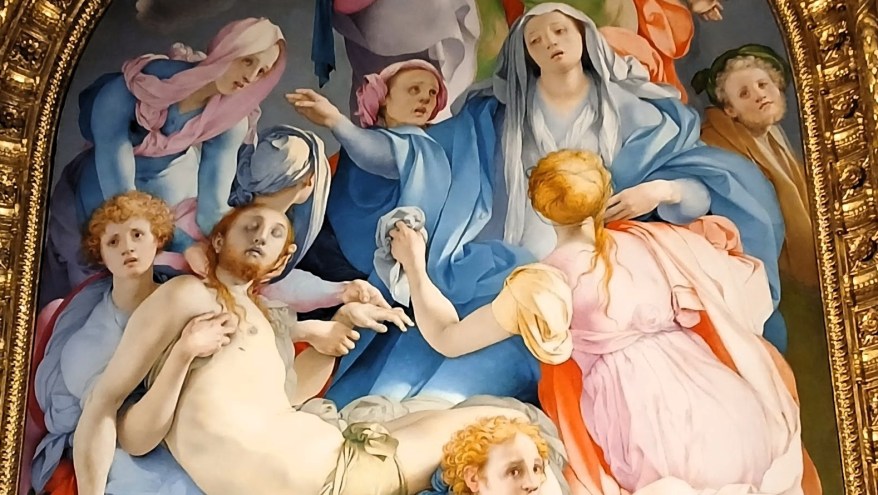
La Deposizione del Pontormo: il capolavoro dell’artista
🇮🇹Ti coinvolge. Ti mette a disagio. Ti costringe a sentire. E’ la Deposizione dalla Croce, dipinta da Jacopo Pontormo tra il 1525 e il 1528 per la Cappella Capponi… 🇬🇧It draws you in. It makes you uncomfortable. It forces you to feel. It’s the Deposition from the Cross, painted by Jacopo Pontormo between 1525 and…
-
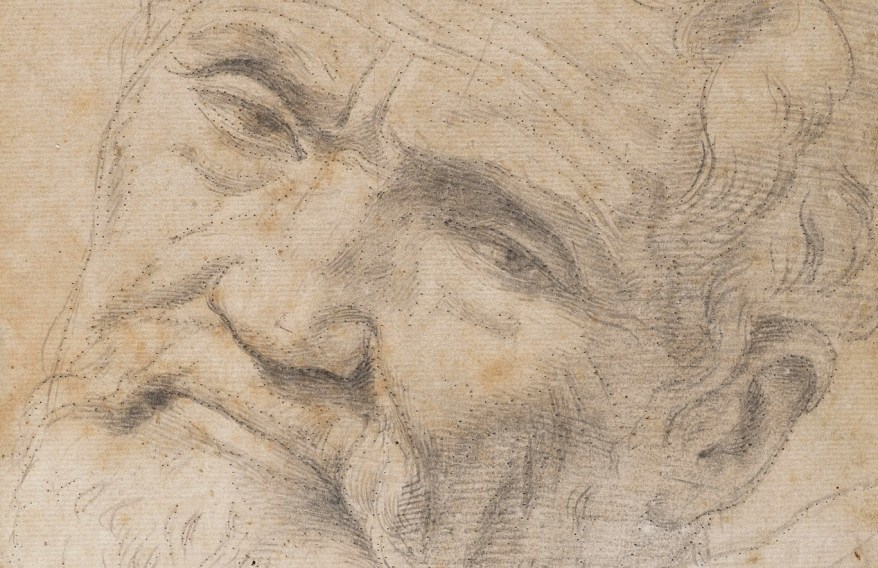
Non chiamatelo Braghettone: il 4 aprile del 1566 muore Daniele da Volterra, l’artista che salvò il Giudizio Universale
🇮🇹Braghettone? No, molto di più. Il 4 aprile 1566 moriva Daniele da Volterra, il mio allievo più fedele, l’uomo che mi rimase accanto fino all’ultimo respiro e che salvò il mio Giudizio Universale dalla distruzione… 🇬🇧Braghettone? No, much more. On April 4, 1566, Daniele da Volterra died, my most faithful student, the man who remained…
-
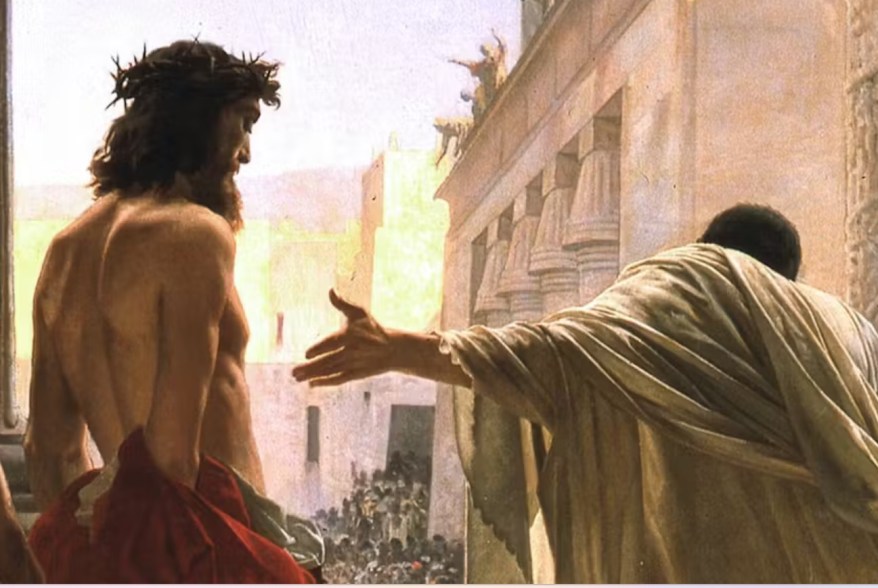
Venerdì Santo: gli “Ecce Homo” più intensi della storia dell’arte
🇮🇹Ecce Homo. Da Antonello da Messina a Tintoretto, fino al sorprendente capolavoro di Antonio Ciseri, questo soggetto ha attraversato i secoli raccontando dolore, umanità e coscienza… 🇬🇧Ecce Homo. From Antonello da Messina to Tintoretto, to Antonio Ciseri’s astonishing masterpiece, this subject has spanned the centuries, recounting pain, humanity, and conscience…
Condividi:


Questo sono io





sostienici

Sostienici – Support Us
Se questo blog ti piace e ti appassiona, puoi aiutarci a farlo crescere sempre più sostenendoci in modo concreto condividendo i post, seguendo le pagine social e con un contributo che ci aiuta ad andare avanti con il nostro lavoro di divulgazione. . ENGLISH: If you like and are passionate about this blog, you can help us make it grow more and more by supporting us in a concrete way by sharing posts, following social pages and with a contribution that helps us to move forward with our dissemination work.
€10,00


che spettacolo!!! 👏👏👏👏👏👏👍👍👍👍😊
"Mi piace""Mi piace"