

Alphonse Mucha: a Firenze è di scena la seduzione
Sono oltre 170 le opere di Alphonse Mucha che da domani 27 ottobre sarà possibile ammirare per la prima volta a Firenze.
Fino al 7 aprile 2024 il Museo degli Innocenti ospiterà nelle sue sale una retrospettiva dedicata al più celebre artista ceco che è stato capace di dare forma a immagini iconiche dal titolo “Alphonse Mucha. La seduzione dell’Art Nuveau, riprendendo nei tratti e nelle movenze delle donne da lui idealizzate, la bellezza e l’armonia botticelliana.

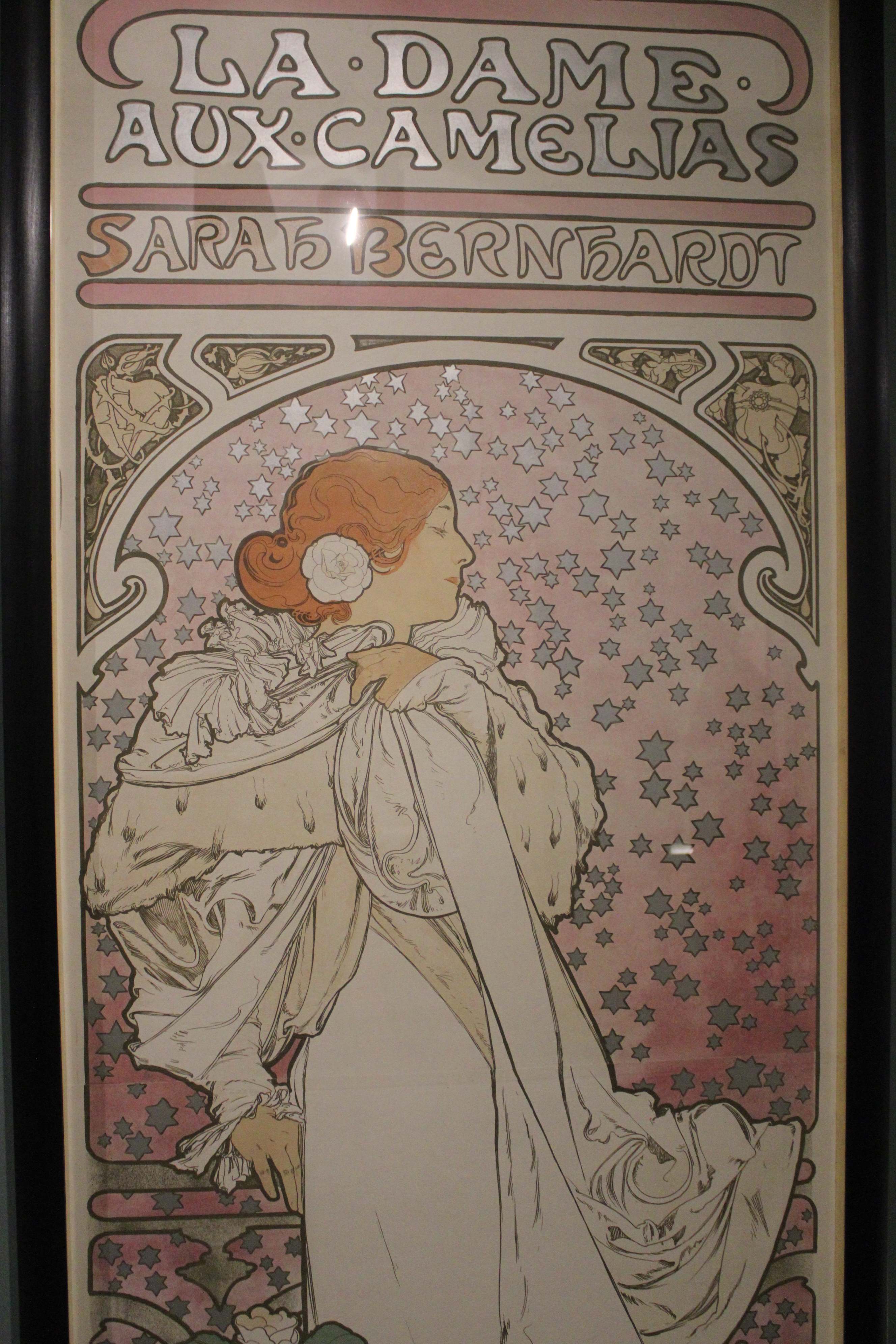
Nato nella Repubblica Ceca nel 1860, Mucha si trasferì a Parigi dove, oltre ad approfondire i suoi studi, conobbe l’artista che lo condusse per mano alla celebrità: Sara Bernhardt. Attrice di teatro e scultrice talentuosa, la Bernhardt affida nelle mani di Mucha la sua immagine facendogli disegnare le locandine dei suoi spettacoli ma non solo.
Fra i due nacque un sodalizio che durò anni e Mucha per lei ideò anche abiti di scena e gioielli.
Prima degli altri Mucha comprese quanto l’ immagine e la bellezza potessero essere un mezzo per arrivare a tutti ma anche per far veicolare messaggi pubblicitari che rimanessero ben impressi nella mente di chi li guardava.

Parigi fra Ottocento e Novecento era il centro del mondo. È il periodo della Belle Epoque e grazie all’incontro fortuito con la Bernhardt, Mucha divenne l’artista più noto e conteso di quel momento.
Le aziende fanno a gara affinché lui disegni per loro manifesti e le confezioni dei loro prodotti.
Le strade di Parigi diverranno un museo aperto con i manifesti dello champagne Moet e Chandon, di sigarette, profumi, biscotti e birra, disegnati da Alphonse Mucha.

Le ragazze ritratte da Mucha raffigurate con uno stile unico e mai visto prima diventano immagini potentissime, capaci di penetrare nell’animo di chi le osserva per non andarsene più. Era in grado di dare l’anima alle sue figure.
La mostra “Alphonse Mucha. La seduzione dell’Art Nuveau”, sala dopo sala, aiuta a comprendere come mai questo artista riuscì a creare immagini così iconiche, come sostiene la stessa curatrice Velluti.

Dietro ogni manifesto c’è sempre un grandissimo lavoro di ricerca. Mucha voleva arrivare a tutti e l’evoluzione del suo modo di fare arte è testimoniato dai dipinti a olio e ad acquerello, dai libri, dai gioielli, dalle fotografie e dai manifesti.

Durante la conferenza stampa di presentazione, il pronipote dell’artista Marc Mucha, ha raccontato di quando il bisnonno Alphonse arrivò in Italia grazie agli sponsor che pagarono quel viaggio.
Era il 1880 e ai parenti rimasti a casa scrisse una lettera ricca di emozioni per raccontare quanto fosse felice nel poter essere ospite della stessa città ombreggiata dalla cupola del Brunelleschi. Mucha aveva un amore sconfinato per la città che oggi ospita questa sua mostra.

Il percorso espositivo si snoda in sei sezioni.
Donne, Icone e Muse
Sensuali, belle ma anche Innocenti, le donne sono il fulcro della produzione artistica di Mucha.
Il cosiddetto Stile Mucha lo dobbiamo a Sara Bernhardt che ebbe modo di incontrare l’artista nel 1894 e di commissionargli il manifesto della commedia teatrale della Gismonda.
Fino ad allora Mucha era un illustratore di libri e mai aveva disegnato niente di pubblicitario.

L’attrice rimase folgorata dalla bellezza del manifesto con quei colori pastello e linee fluide. La locandina di svelata il fiordo Capodanno del 1895 e fu il trionfo di Mucha.
La cultura bretone
La seconda sezione è dedicata per l’appunto alla cultura bretone. Per Mucha l’arte è espressione culturale e ideologica di un popolo.
Le sue opere sono permeate della madre patria come i vestiti di foggia slava, i motivi floreali, motivi circolari che ricordano le aureole e temi geometrici.
Sarà proprio nel periodo dei suoi viaggi in Bretagna che conoscerà Gauguin e con lui stringerà una profonda amicizia.

Manifesti pubblicitari
In venti anni Mucha realizzò circa 120 manifesti, alcuni dei quali ancora oggi sono considerati delle icone dell’Art Nuveau.
L’attività pubblicitaria per Mucha sarà un terreno perfetto per sperimentare nuovi modi di comunicazione.
L’oggetto da promuovere è sempre in secondo piano mentre a catturare la scena è una giovane donna idealizzata. Bellezza, grazia ed eleganza fanno lievitare gli introiti delle aziende che a lui commissionano manifesti.

Epopea slava
Nel 1910 Mucha tornò in patria dopo essere mancato per 25 anni. Aveva sempre avuto il sogno di servire la patria con la propria arte. L’epopea Slava è un monumentale capolavoro che invita il popolo a imparare dalla storia per poter progredire verso il futuro e la libertà.
Nello stesso periodo si fa carico di altri progetti pubblici come il disegno della vetrata artistica per la cattedrale di Praga.

Lo stile Mucha
La quinta sezione della mostra si apre con l’avvento del modernismo. Mentre la tradizionale idea di bellezza viene messa in discussione, Mucha cerca nell’arte un valore immutabile e universale.
Scriveva in quel periodo “L’arte non può essere nuova. L’idea di arte moderna come moda passeggera è offensiva. L ‘arte è eterna come il progresso dell’uomo e la sua funzione è quella di accendere di luce il cammino del mondo. L’arte si trova in costante sviluppo ed è sempre qualche passo avanti all’umanità“.

Art Nuveau in Italia
L’ultima sezione della mostra è dedicata all’arrivo dell’Art Nuveau in Italia e al suo massimo esponente: Galileo Chini.
Il movimento elegante e ritmico delle giovani ritratte da Mucha divenne il simbolo dell’immaginario Liberty con il primo manifesto disegnato da Bistolfi per la Prima Esposizione Internazionale d’Arte decorativa Moderna di Torino.

Come vi ho accennato all’inizio, la mostra “Alphonse Mucha. La seduzione dell’Art Nuveau” allestita presso il Museo degli Innocenti, rimarrà aperta fino al 7 aprile 2024.
Non perdete l’occasione di visitarla.

Il sempre vostro Michelangelo Buonarroti per il momento vi saluta dandovi appuntamento ai prossimi post e sui social.


Sostienici – Support Us
Se questo blog ti piace e ti appassiona, puoi aiutarci a farlo crescere sempre più sostenendoci in modo concreto condividendo i post, seguendo le pagine social e con un contributo che ci aiuta ad andare avanti con il nostro lavoro di divulgazione. . ENGLISH: If you like and are passionate about this blog, you can help us make it grow more and more by supporting us in a concrete way by sharing posts, following social pages and with a contribution that helps us to move forward with our dissemination work.
8,00 €
Alphonse Mucha: seduction is on stage in Florence
There are over 170 works by Alphonse Mucha that from tomorrow 27 October it will be possible to admire for the first time in Florence.
Until April 7, 2024, the Museo degli Innocenti will host in its rooms a retrospective dedicated to the most famous Czech artist who was capable of giving shape to iconic images entitled “Alphonse Mucha. The seduction of Art Nuveau, taking up Botticelli’s beauty and harmony in the features and movements of the women he idealized.
Born in the Czech Republic in 1860, Mucha moved to Paris where, in addition to furthering his studies, he met the artist who led him to celebrity: Sara Bernhardt. A talented theater actress and sculptor, Bernhardt entrusted her image to Mucha by having him design the posters for her shows, but not only that.
A partnership was born between the two that lasted for years and Mucha also designed stage clothes and jewelery for her.
Before the others, Mucha understood how image and beauty could be a means to reach everyone but also to convey advertising messages that remained imprinted in the minds of those who looked at them.
Paris between the nineteenth and twentieth centuries was the center of the world. It is the period of the Belle Epoque and thanks to the fortuitous meeting with Bernhardt, Mucha became the best-known and most disputed artist of that moment.
Companies compete to have him design posters and the packaging of their products for them.
The streets of Paris will become an open museum with posters of Moet and Chandon champagne, cigarettes, perfumes, biscuits and beer, designed by Alphonse Mucha.
The girls portrayed by Mucha depicted with a unique and never seen before style become very powerful images, capable of penetrating the soul of those who observe them and never leaving. He was able to give soul to his figures.
The exhibition “Alphonse Mucha. The seduction of Art Nuveau”, room after room, helps to understand why this artist managed to create such iconic images, as the curator Velluti herself claims.
Behind every poster there is always a great deal of research. Mucha wanted to reach everyone and the evolution of his way of making art is demonstrated by oil and watercolor paintings, books, jewellery, photographs and posters.
During the presentation press conference, the great-grandson of the artist Marc Mucha talked about when his great-grandfather Alphonse arrived in Italy thanks to the sponsors who paid for that trip. It was 1880 and he wrote an emotional letter to his relatives who remained at home to tell how happy he was at being able to be a guest of the same city shaded by Brunelleschi’s dome. Mucha had a boundless love for the city which today hosts this exhibition of his.
The exhibition itinerary unfolds in six sections.
Women, Icons and Muses
Sensual, beautiful but also innocent, women are the fulcrum of Mucha’s artistic production.
We owe the so-called Mucha Style to Sara Bernhardt who had the opportunity to meet the artist in 1894 and commission him to create the poster for Gismonda’s theatrical comedy.
Until then Mucha was a book illustrator and had never drawn anything advertising.
The actress was struck by the beauty of the poster with those pastel colors and fluid lines. The poster was unveiled on the fjord New Year’s Eve of 1895 and it was Mucha’s triumph.
Breton culture
The second section is dedicated precisely to Breton culture. For Mucha, art is the cultural and ideological expression of a people.
His works are permeated by the motherland such as Slavic-style clothes, floral motifs, circular motifs reminiscent of halos and geometric themes.
It was during his travels in Brittany that he met Gauguin and formed a deep friendship with him.
Advertising posters
In twenty years Mucha created around 120 posters, some of which are still considered icons of Art Nuveau today.
For Mucha, advertising activity will be a perfect terrain for experimenting with new ways of communication.
The object to be promoted is always in the background while an idealized young woman captures the scene. Beauty, grace and elegance increase the income of the companies that commission posters from him.
Slavic epic
In 1910 Mucha returned to his homeland after being absent for 25 years. He had always had the dream of serving his country with his art. The Slavic epic is a monumental masterpiece that invites people to learn from history in order to progress towards the future and freedom.
In the same period he took on other public projects such as the design of the artistic stained glass window for the Prague Cathedral.
Mucha style
The fifth section of the exhibition opens with the advent of modernism. While the traditional idea of beauty is questioned, Mucha seeks an immutable and universal value in art.
He wrote in that period “Art cannot be new. The idea of modern art as a fad is offensive. Art is eternal like the progress of man and its function is to illuminate the path of the world with light. Art is constantly developing and is always a few steps ahead of humanity.”
Art Nuveau in Italy
The last section of the exhibition is dedicated to the arrival of Art Nuveau in Italy and its greatest exponent: Galileo Chini.
The elegant and rhythmic movement of the young women portrayed by Mucha became the symbol of the Liberty imagination with the first poster designed by Bistolfi for the First International Exhibition of Modern Decorative Art in Turin.
As I mentioned at the beginning, the exhibition “Alphonse Mucha. The seduction of Art Nuveau” set up at the Museo degli Innocenti, will remain open until 7 April 2024.
Don’t miss the opportunity to visit it.
Your always Michelangelo Buonarroti greets you for the moment and will meet you in the next posts and on social media.
Sostienici – Support Us
Se questo blog ti piace e ti appassiona, puoi aiutarci a farlo crescere sempre più sostenendoci in modo concreto condividendo i post, seguendo le pagine social e con un contributo che ci aiuta ad andare avanti con il nostro lavoro di divulgazione. . ENGLISH: If you like and are passionate about this blog, you can help us make it grow more and more by supporting us in a concrete way by sharing posts, following social pages and with a contribution that helps us to move forward with our dissemination work.
8,00 €
-
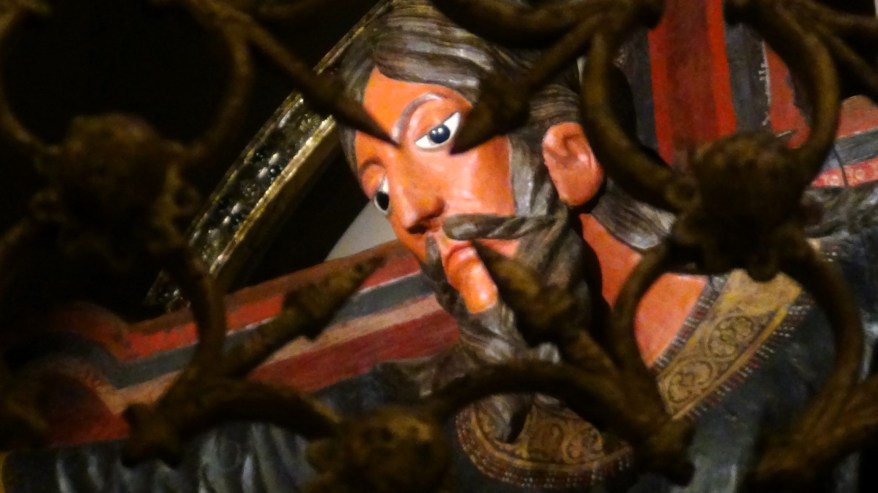
14 settembre, Santa Croce: 5 capolavori che raccontano la storia della Croce
🇮🇹Il 14 settembre si celebra l’Esaltazione della Santa Croce: da Piero della Francesca a Rubens, da Tiepolo al Volto Santo di Lucca, le opere d’arte dedicate alla Croce… 🇬🇧September 14th marks the Exaltation of the Holy Cross: from Piero della Francesca to Rubens, from Tiepolo to the Holy Face of Lucca, artworks dedicated to the…
-
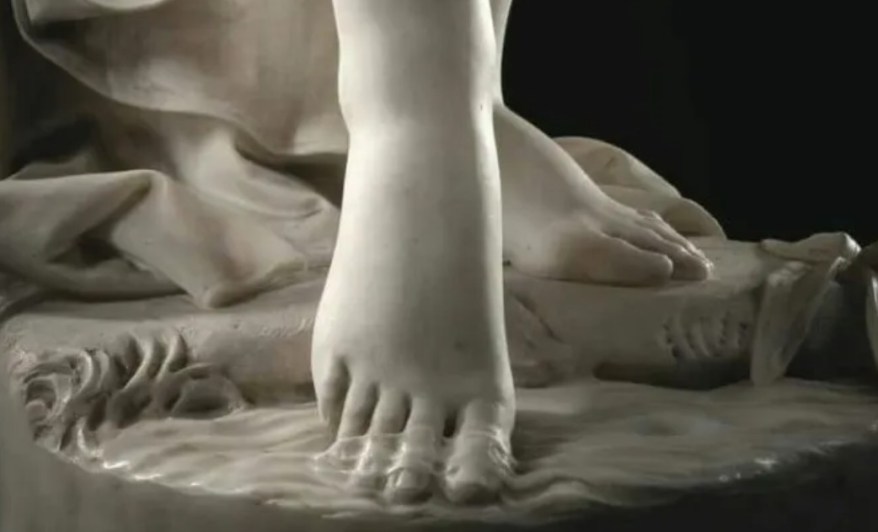
La Ninfa di Giovanni Battista Lombardi: il marmo che sembra diventare acqua
🇮🇹Il marmo che sembra acqua. Guardate bene i piedi della Ninfa di Giovanni Battista Lombardi. Il marmo sembra diventare trasparente, l’acqua pare scorrere sulle dita e la giovane sembra davvero sul punto di immergersi… 🇬🇧Marble that looks like water. Look closely at the feet of Giovanni Battista Lombardi’s *Nymph*. The marble seems to turn transparent,…
-
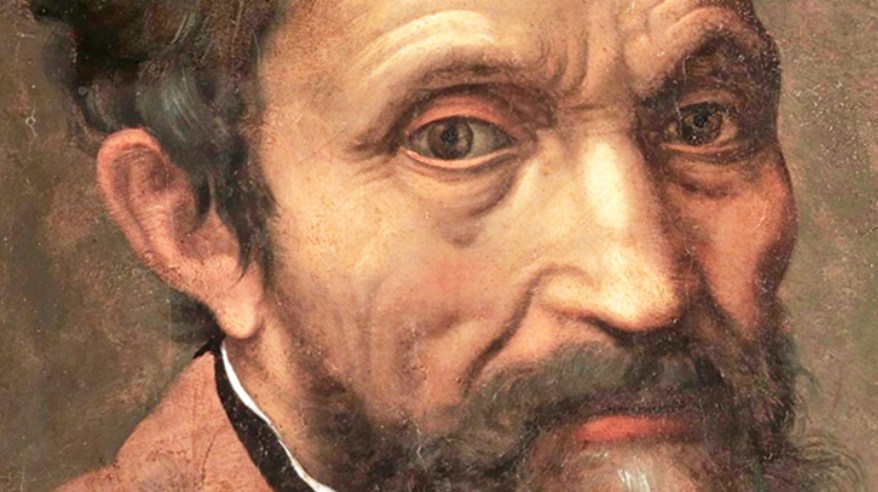
Mi chiamate spilorcio, ma non sapete quanto diedi
🇮🇹Mi chiamate spilorcio, ma non sapete quanto diedi. Per secoli mi avete raccontato come un uomo avaro, tirchio e scorbutico ma nesuno si è preso la briga di raccontare l’altra metà della storia… 🇬🇧You call me a miser, but you have no idea how much I gave. For centuries, you’ve portrayed me as a stingy,…
Condividi:


Questo sono io




sostienici

Sostienici – Support Us
Se questo blog ti piace e ti appassiona, puoi aiutarci a farlo crescere sempre più sostenendoci in modo concreto condividendo i post, seguendo le pagine social e con un contributo che ci aiuta ad andare avanti con il nostro lavoro di divulgazione. . ENGLISH: If you like and are passionate about this blog, you can help us make it grow more and more by supporting us in a concrete way by sharing posts, following social pages and with a contribution that helps us to move forward with our dissemination work.
€10,00


molto belle queste opere 👍👍👍👏👏👏👏👏
"Mi piace"Piace a 1 persona
si, anche a me piacciono tanto. Una mostra che vale la pena visitare, senza dubbio
"Mi piace"Piace a 1 persona