

Ecco quando e come uscii dalla Stanza Segreta
Se vi siete chiesti quando uscii dal nascondiglio della Stanza Segreta in cui avevo trovato rifugio per sfuggire alla furia vendicativa del Valori e di coloro che parteggiavano per i Medici appena rientrati al potere, ve lo racconto io.
Dopo aver a lungo temuto per la mia sorte, nella seconda metà d’ottobre riuscii a mettere il naso fuori da lì. Con poca luce a disposizione e con l’umidità che mi penetrava sotto pelle, la mia salute era stata messa a dura prova.
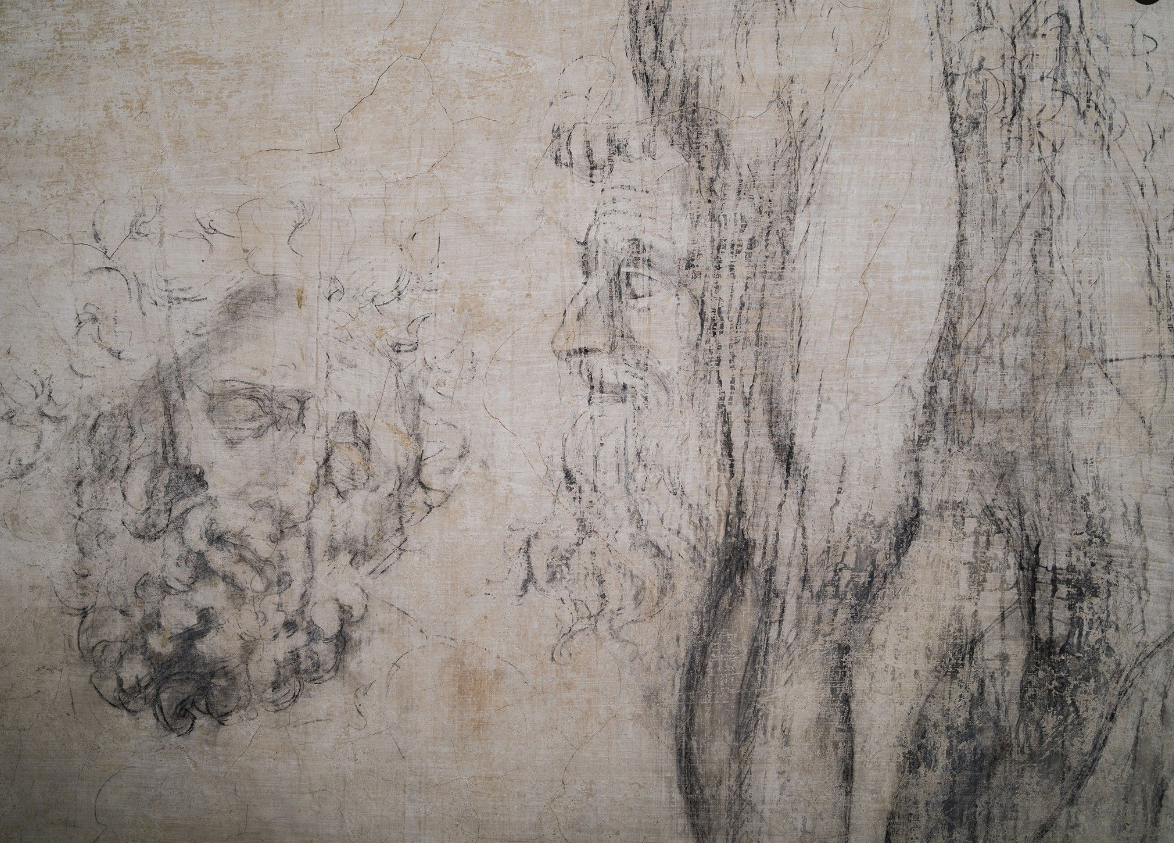
Ero assai diminuito nella carne: avevo più cenci addosso che ciccia. Chi ebbe modo di vedermi in quel frangente si preoccupò parecchio e temette che non mi sarebbe rimasto molto da vivere.
No, non stavo benissimo.
Risalire alla data esatta di quel mio ritorno alla luce è impossibile ma sicuramente lo feci almeno qualche giorno prima del 22 d’ottobre, data in cui Alfonso d’Este scrisse la missiva che poi mi avrebbe consegnato a mano Pisanello, il suo inviato.
Pisanello avrebbe dovuto portare fino a Ferrara il quadrone con la Leda e il Cigno, già pronto da tempo.
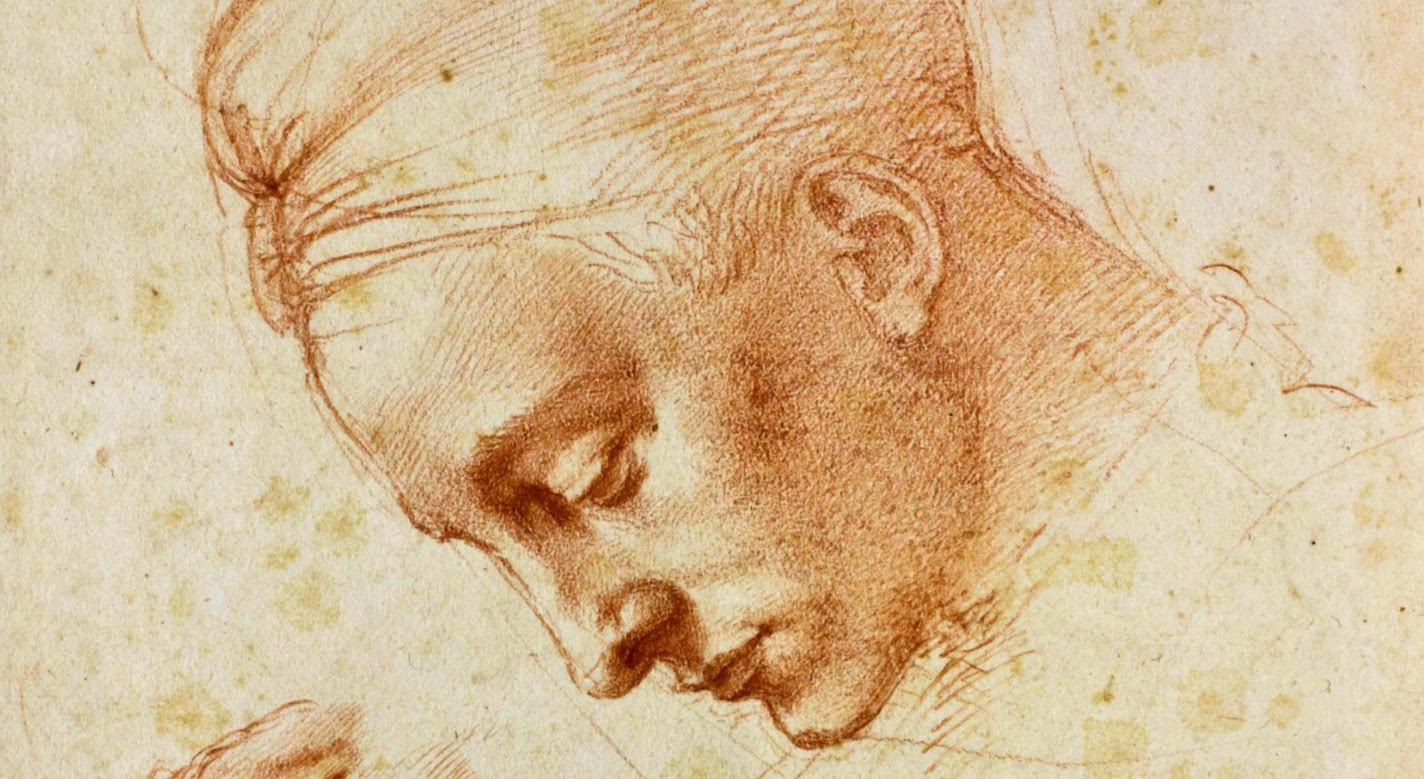
Uso il condizionale perchè non volli consegnare nelle mani di quello sciocco il mio capolavoro, preferendo di gran lunga regalarlo al mio assistente Antonio Mini affinché andasse in Francia a tentare la fortuna alla corte del re.
In una lettera scritta da Giovan Battista Mini a Bartolomeo Valori nel giorno di San Michele Arcangelo dell’anno successivo, nel 1531, si legge “E perchè Michelangelo mi parse molto istenuato e diminuito de la charne, l’altro dì chol Bugiardino e Antonio Mini a lo stretto ne parlamo, e’ quelli sono chontinovi cho lui, e infine faciemo un chomputo che Michelagnolo viverà pocho, se non si rimedia; e questo è che lavora asai, amgia pocho e chativo e dorme mancho, e da u’ mese in qua è forte inpedito di ciesa e di dolore di testa e chapogiri”.
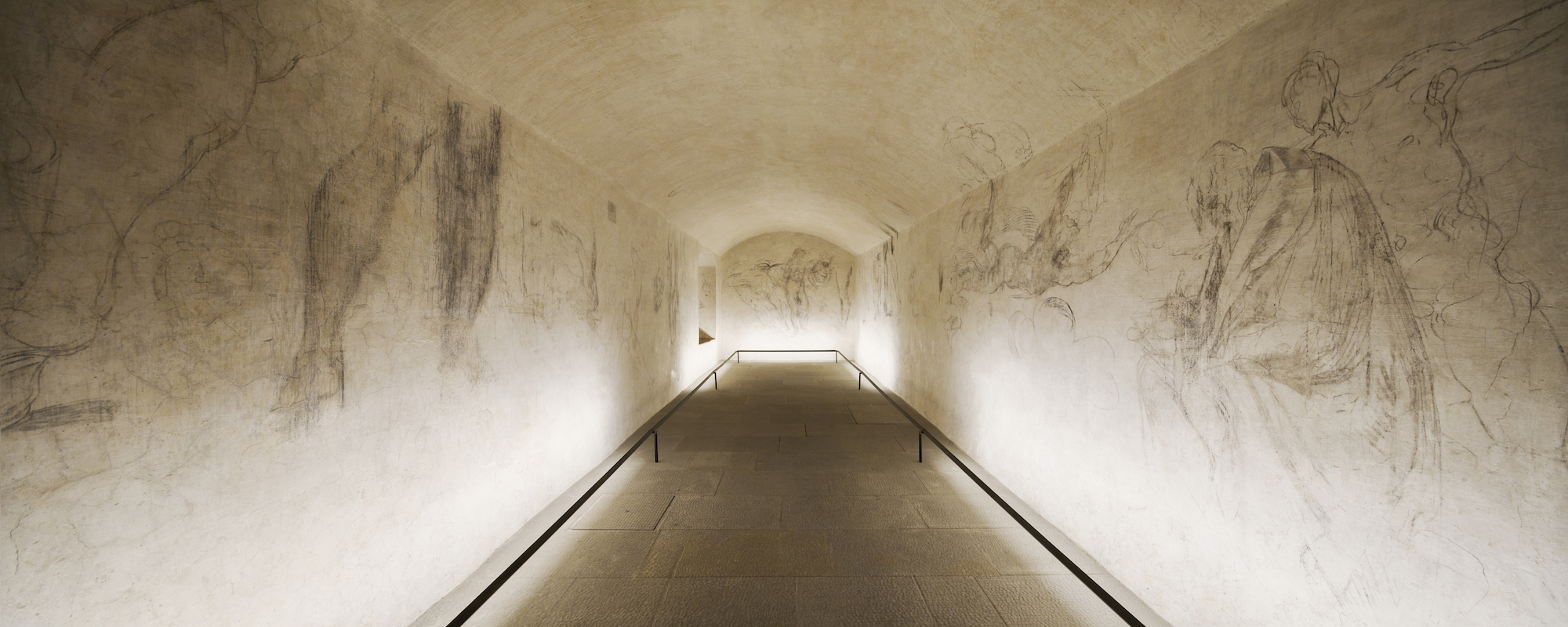
Sembra quasi che le condizioni di ristrettezza, più severe in cui di quelle che ero abituato a sostenere normalmente, me le portai dietro anche nei mesi successivi all’uscita dalla Stanza Segreta.
Per il momento il vostro Michelangelo Buonarroti vi saluta dandovi appuntamento ai prossimi post e sui social.
Here’s when and how I got out of the Secret Room
If you were wondering when I came out of the hiding place of the Secret Room where I had found refuge to escape the vengeful fury of the Values and those who supported the Doctors who had just returned to power, I’ll tell you about it.
After having feared for my fate for a long time, in the second half of October I managed to get my nose out of there. With little light available and the humidity penetrating my skin, my health was put to the test.
I was much diminished in the flesh: I had more rags on me than fat. Whoever saw me at that time became very worried and feared that I wouldn’t have long to live.
No, I wasn’t very well.
Tracing the exact date of my return to the light is impossible but I certainly did it at least a few days before October 22nd, the date on which Alfonso d’Este wrote the letter that Pisanello, his correspondent, would then deliver to me by hand.
Pisanello should have brought the large picture of Leda and the Swan, which had already been ready some time ago, to Ferrara.
I use the conditional because I didn’t want to hand over my masterpiece into the hands of that fool, much preferring to give it to my assistant Antonio Mini so that he could go to France to try his luck at the king’s court.
In a letter written by Giovan Battista Mini to Bartolomeo Valori on the day of San Michele Arcangelo the following year, in 1531, we read “Michelangelo seemed very exhausted and thin to me. The other day with Il Bugiardino and Antonio Mini we talked about it face to face and they are convinced that Michelagnolo will not live long if he doesn’t make amends. he works too much, he suffers little and badly and he doesn’t even sleep. For a month now he has been severely hampered by constant dizziness and headaches.”
It almost seems that I carried the conditions of confinement, more severe than those I was used to normally enduring, even in the months following my exit from the Secret Room.
For the moment, your Michelangelo Buonarroti greets you and will meet you in future posts and on social media.

Sostienici – Support Us
Se questo blog ti piace e ti appassiona, puoi aiutarci a farlo crescere sempre più sostenendoci in modo concreto condividendo i post, seguendo le pagine social e con un contributo che ci aiuta ad andare avanti con il nostro lavoro di divulgazione. . ENGLISH: If you like and are passionate about this blog, you can help us make it grow more and more by supporting us in a concrete way by sharing posts, following social pages and with a contribution that helps us to move forward with our dissemination work.
8,00 €
-
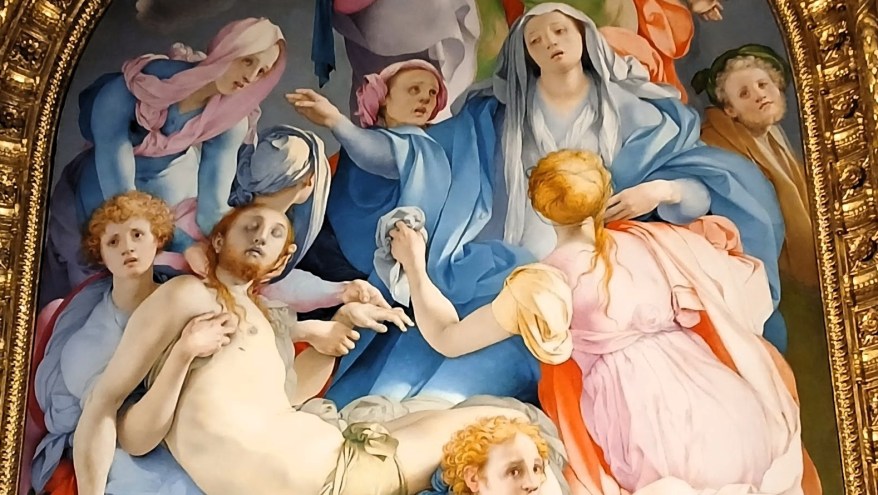
La Deposizione del Pontormo: il capolavoro dell’artista
🇮🇹Ti coinvolge. Ti mette a disagio. Ti costringe a sentire. E’ la Deposizione dalla Croce, dipinta da Jacopo Pontormo tra il 1525 e il 1528 per la Cappella Capponi… 🇬🇧It draws you in. It makes you uncomfortable. It forces you to feel. It’s the Deposition from the Cross, painted by Jacopo Pontormo between 1525 and…
-
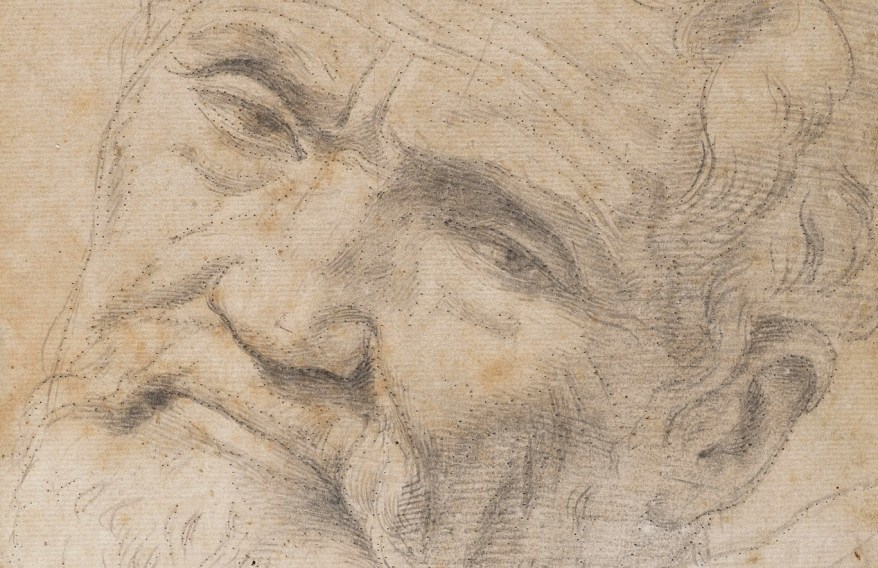
Non chiamatelo Braghettone: il 4 aprile del 1566 muore Daniele da Volterra, l’artista che salvò il Giudizio Universale
🇮🇹Braghettone? No, molto di più. Il 4 aprile 1566 moriva Daniele da Volterra, il mio allievo più fedele, l’uomo che mi rimase accanto fino all’ultimo respiro e che salvò il mio Giudizio Universale dalla distruzione… 🇬🇧Braghettone? No, much more. On April 4, 1566, Daniele da Volterra died, my most faithful student, the man who remained…
-
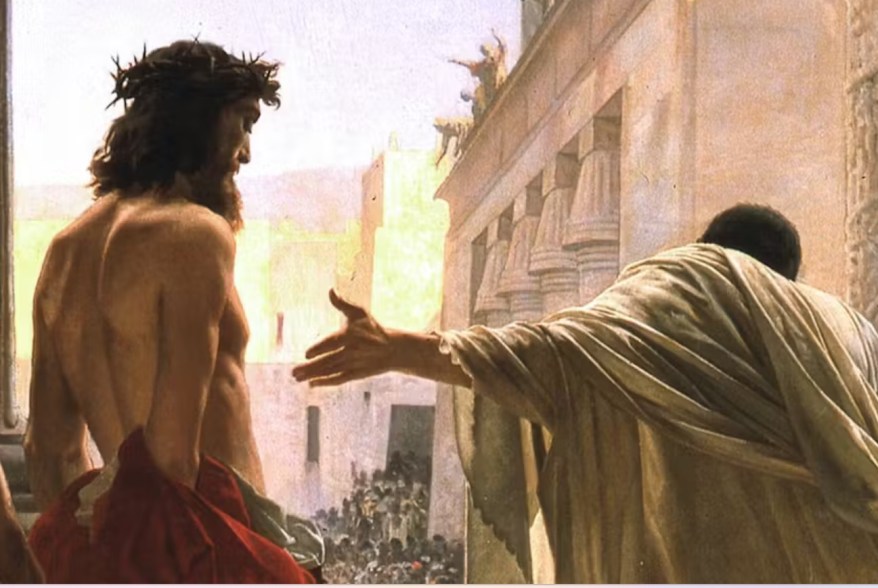
Venerdì Santo: gli “Ecce Homo” più intensi della storia dell’arte
🇮🇹Ecce Homo. Da Antonello da Messina a Tintoretto, fino al sorprendente capolavoro di Antonio Ciseri, questo soggetto ha attraversato i secoli raccontando dolore, umanità e coscienza… 🇬🇧Ecce Homo. From Antonello da Messina to Tintoretto, to Antonio Ciseri’s astonishing masterpiece, this subject has spanned the centuries, recounting pain, humanity, and conscience…
Condividi:


Questo sono io





sostienici

Sostienici – Support Us
Se questo blog ti piace e ti appassiona, puoi aiutarci a farlo crescere sempre più sostenendoci in modo concreto condividendo i post, seguendo le pagine social e con un contributo che ci aiuta ad andare avanti con il nostro lavoro di divulgazione. . ENGLISH: If you like and are passionate about this blog, you can help us make it grow more and more by supporting us in a concrete way by sharing posts, following social pages and with a contribution that helps us to move forward with our dissemination work.
€10,00


1 commento »