
Monumento a Demidoff del Bartolini: ultimato il restauro dopo cinque anni dall’atto vandalico
Il monumento dedicato a Nicola Demidoff ideato dal Bartolini e situato nell’omonima piazza fiorentina che s’affaccia sul Lungarno Serristori, è stato restaurato a distanza di cinque anni dall’atto vandalico di cui suo malgrado fu protagonista nel 2018.
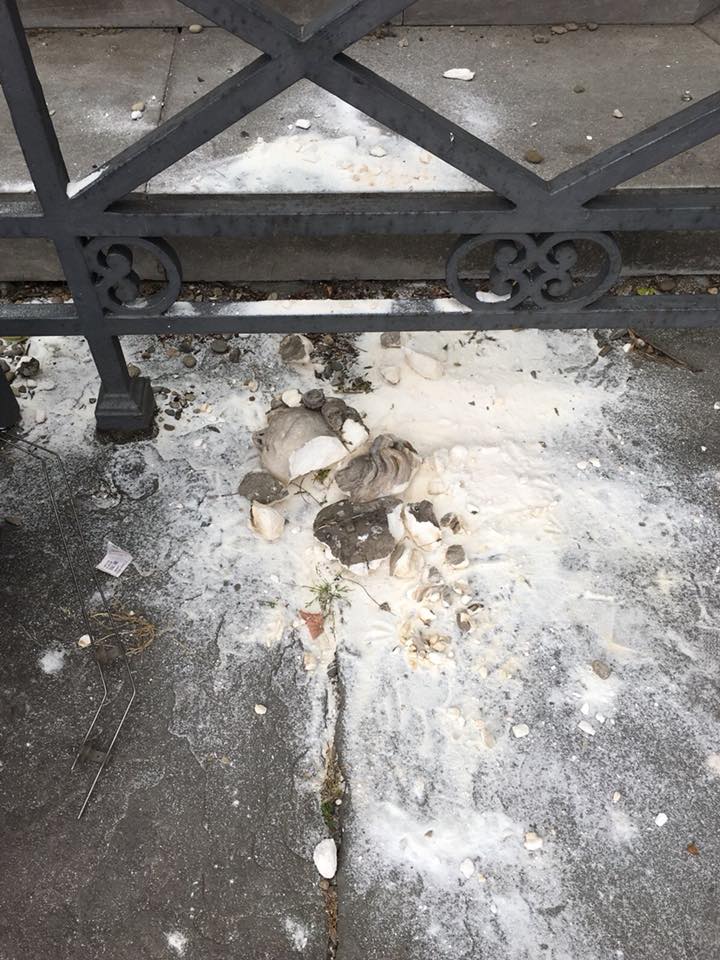
Uno o più vandali, fra la notte del 31 maggio e del 1 giugno del 2018, staccarono di netto intenzionalmente la testa di Plutone bambino ma non solo.

Il capo cadendo a terra si era letteralmente frantumato in numerose parti rendendo assai complesso il successivo restauro. Inoltre furono compiuti altri danneggiamenti come il distacco delle condutture di alimentazione dell’impianto anti-piccioni elettrostatico.
I frammenti della testa del Pluto furono recuperati dalla restauratrice Chiara Piani che si trovò a passare di lì per puro caso. Nell’immediato furono messi in sicurezza ma sarebbe stato difficile ricomporre quella testa dato che il marmo usato dal Bartolini, poco adatto a resistere agli agenti atmosferici, stava divenendo sempre più friabile e zuccherino.
Come se non bastasse, la notte seguente, un altro individuo si è arrampicato sulla scultura più danneggiata tingendo di rosso il collo oramai spezzato del Pluto. Quel tipo di marmo oramai divenuto ad alta porosità, ha assorbito quel colore causando un danno irreversibile all’opera.
Il Comune provvide a chiudere tutta l’area interessata ma nonostante gli accorgimenti presi, un altro vandalo volle deturpare l’opera aggiungendo delle scritte.
In prima istanza il comune avrebbe voluto affidare il restauro alla scuola di restauro di Palazzo Spinelli ma, vista la situazione del marmo fortemente degradato, Maria Maugeri si oppose fermamente perché era necessario effettuare indagini diagnostiche approfondite prima di intervenire.
L’Opificio delle Pietre Dure diretto allora da Marco Ciatti si è detto disponibile a collaborare mettendo a disposizione anche un finanziamento mentre, secondo quanto sostenuto da Maugeri, il Comune si è mostrato poco disponibile a questa soluzione.
Per bloccare lo stallo ho acconsentito che la semplice pulitura venisse eseguita da Palazzo Spinelli e convito i colleghi dell’Opificio di occuparsi almeno della diagnostica, indispensabile per capire lo stato di conservazione di tutto il monumento e trovare i consolidanti ottimali per un degrado irreversibile. Un passo decisivo ma non risolutivo, per via della mancanza di risorse per il restauro.
Maria Maugeri
Maugeri si è messa alla ricerca di un finanziatore e ha trovato una persona disposta a farsi carico della spesa che non desidera essere citata con nome e cognome ma a cui è doveroso essere grati.
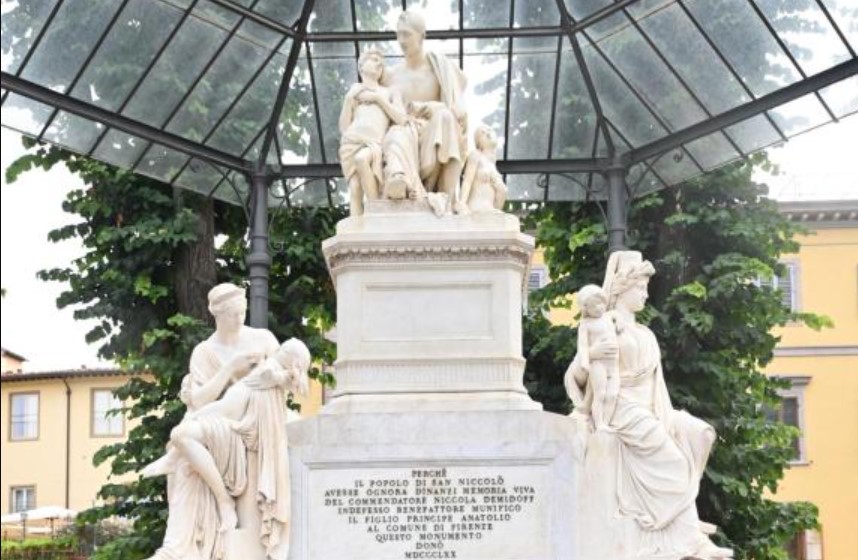
Piazza Demidoff fu realizzata nella seconda metà dell’Ottocento assieme ad altri interventi urbanistici, portati avanti con lo scopo di adeguare la città al nuovo prestigioso ruolo di Capitale del Regno d’Italia.
Lorenzo Bartolini lavorò al monumento funebre per la memoria del principe e ambasciatore russo Demidoff su commissione del figlio Anatolio a partire dal 1830.
Il progetto originale di cui si può apprezzare ancora il modello nella Galleria Moderna di Palazzo Pitti, fu ridotto di un terzo poi nella realizzazione in marmo.
Il complesso monumentale fu posizionato laddove è possibile ammirarlo oggi nel 1871.
Alla sommità del gruppo scultoreo è scolpito il principe nell’atto di abbracciare il figlio, entrambi abbigliati all’antica mentre ai loro piedi è visibile la figura allegorica della Riconoscenza.
I quattro angoli del monumento sono decorati con figure che alludono alla vita terrena del principe. La Siberia è la donna che stringe il martello dei minatori nella mano sinistra mentre con l’altra sostiene Plutone bambino che ricorda la ricchezza delle miniere russe siberiane.
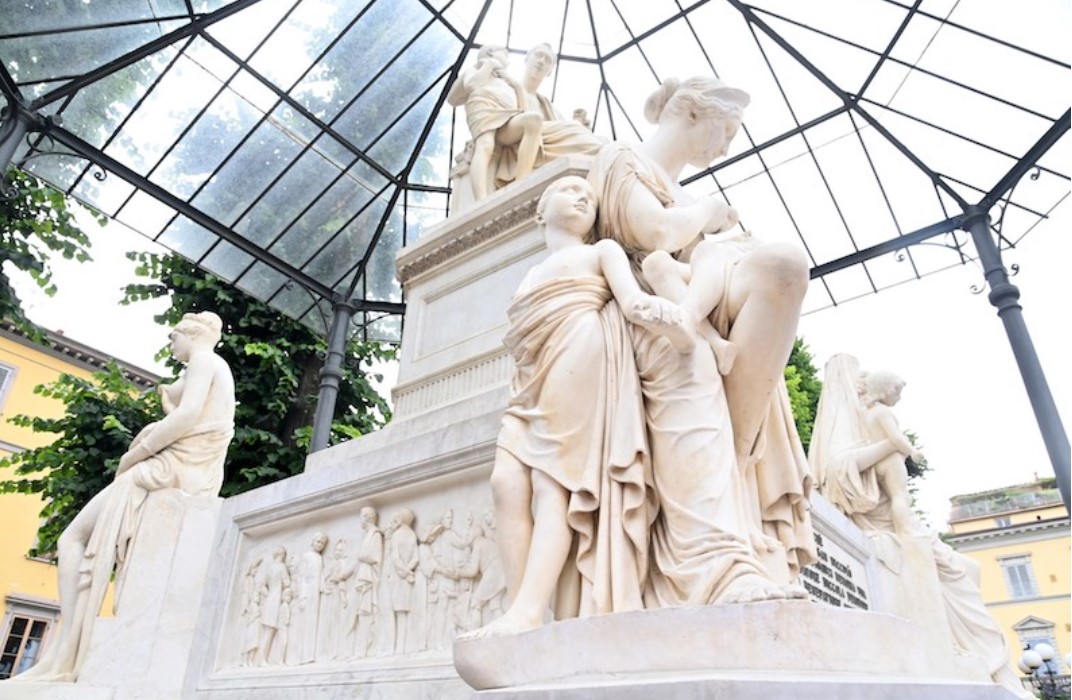
La Misericordia invece sostiene un ragazzo che sta morendo mentre copre con il suo manto una ragazza. E’ la figura che simboleggia la generosità della famiglia Demidoff mentre all’altro angolo si vede la Verità che si scopre all’arte per rendere omaggio alla protezione che i Demidoff offrivano alle arti figurative.
L’ultima allegoria presente è quella della Musa dei Conviti che riporta alla mente i banchetti offerti da Nicola Demidoff.
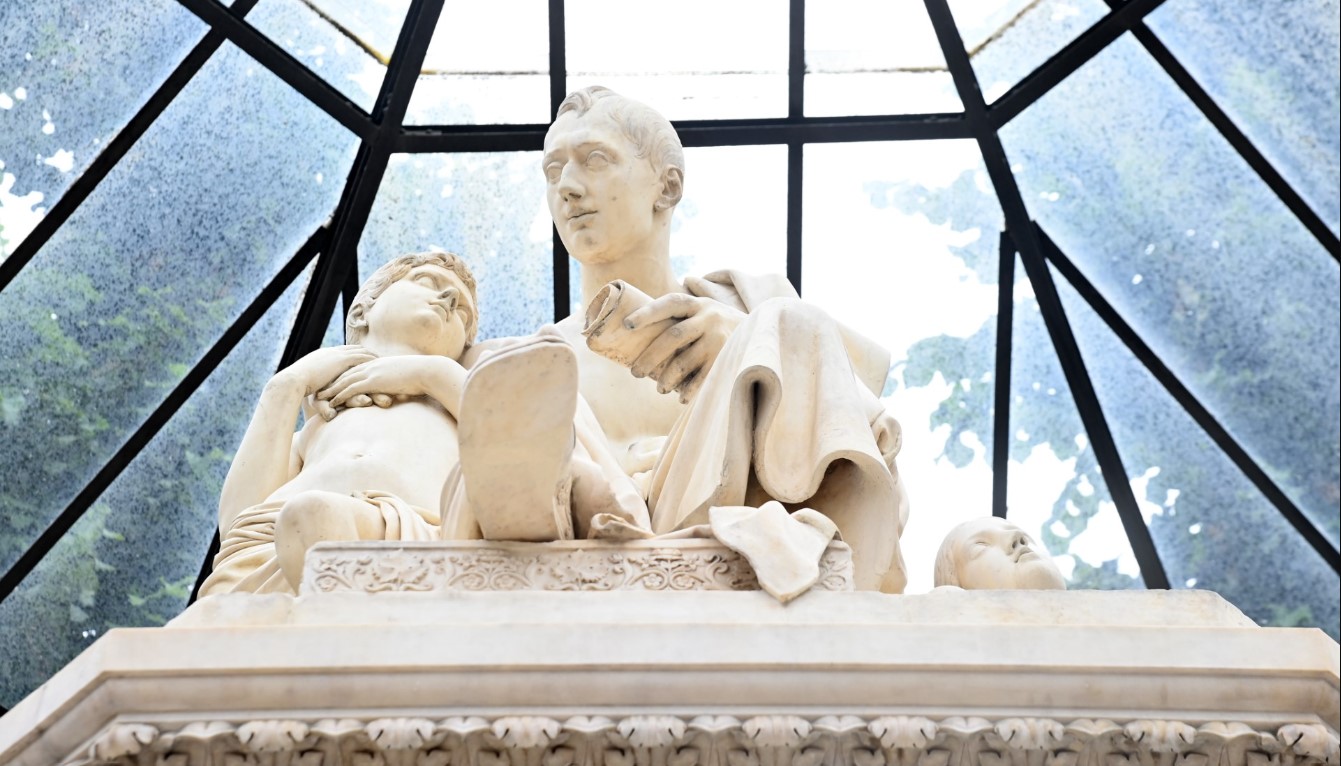
L’Istituto ha realizzato una serie di interventi specifici che vanno dalla catalogazione dei frammenti alla pulitura, la ricostruzione e la scansione laser 3d per poi passare a specifici interventi di restauro e consolidamento.
Sono stati anche eseguiti interventi per la rimozione delle scritte vandaliche.
Per il momento il vostro Michelangelo Buonarroti vi saluta dandovi appuntamento ai prossimi post e sui social.
Monument to Demidoff by Bartolini: restoration completed five years after the act of vandalism
Monument to Demidoff by Bartolini: restoration completed five years after the act of vandalism
The monument dedicated to Nicola Demidoff designed by Bartolini and located in the Florentine square of the same name overlooking the Lungarno Serristori, has been restored five years after the act of vandalism of which he was the protagonist in 2018 despite himself.
One or more vandals, between the night of May 31st and June 1st 2018, intentionally detached the head of baby Pluto but not only.
The head, falling to the ground, had literally shattered into numerous parts, making the subsequent restoration very complex. In addition, other damages were done such as the disconnection of the supply lines of the electrostatic anti-pigeon system.
The fragments of Pluto’s head were recovered by the restorer Chiara Piani who happened to pass by by pure chance. They were immediately made safe but it would have been difficult to reassemble that head given that the marble used by Bartolini, not very suitable for resisting atmospheric agents, was becoming increasingly brittle and sugary.
As if that weren’t enough, the following night, another individual climbed onto the most damaged sculpture, dyeing Pluto’s now broken neck red. That type of marble which has now become highly porous has absorbed that color causing irreversible damage to the work.
The Municipality proceeded to close the entire affected area but despite the precautions taken, another vandal wanted to deface the work by adding writing.
In the first instance, the municipality would have liked to entrust the restoration to the restoration school of Palazzo Spinelli but, given the situation of the highly degraded marble, Maria Maugeri firmly opposed it because it was necessary to carry out in-depth diagnostic investigations before intervening.
The Opificio delle Pietre Dure then directed by Marco Ciatti said it was willing to collaborate by also making funding available while, according to Maugeri’s claims, the Municipality showed little availability for this solution.
To stop the stalemate, I agreed that the simple cleaning should be carried out by Palazzo Spinelli and I invited the colleagues of the Opificio to at least take care of the diagnostics, which is essential for understanding the state of conservation of the entire monument and finding the optimal consolidants for irreversible deterioration. A decisive but not decisive step, due to the lack of resources for the restoration.
Maria Maugeri
Maugeri started looking for a lender and found a person willing to take charge of the expense who does not want to be mentioned by name and surname but to whom we must be grateful.
Piazza Demidoff was built in the second half of the nineteenth century together with other urban interventions, carried out with the aim of adapting the city to the new prestigious role of capital of the Kingdom of Italy.
Lorenzo Bartolini worked on the funeral monument in memory of the prince and Russian ambassador Demidoff on commission from his son Anatolio starting in 1830.
The original project, the model of which can still be admired in the Modern Gallery of Palazzo Pitti, was then reduced by a third in its marble construction.
The monumental complex was positioned where it is possible to admire it today in 1871.
At the top of the sculptural group the prince is sculpted in the act of embracing his son, both dressed in the old-fashioned way while the allegorical figure of Gratitude is visible at their feet.
The four corners of the monument are decorated with figures alluding to the prince’s earthly life. Siberia is the woman who holds the miners’ hammer in her left hand while with the other she holds Pluto as a child who recalls the wealth of the Siberian Russian mines.
Mercy, on the other hand, supports a boy who is dying while covering a girl with his mantle. It is the figure that symbolizes the generosity of the Demidoff family while at the other corner we see the Truth that is discovered in art to pay homage to the protection that the Demidoffs offered to the figurative arts.
The last allegory present is that of the Musa dei Conviti which brings to mind the banquets offered by Nicola Demidoff.
The Institute has carried out a series of specific interventions ranging from cataloging the fragments to cleaning, reconstruction and 3D laser scanning and then moving on to specific restoration and consolidation interventions.
Interventions were also carried out to remove the vandalism writings.
For the moment, your Michelangelo Buonarroti greets you by making an appointment for the next posts and on social media.
-
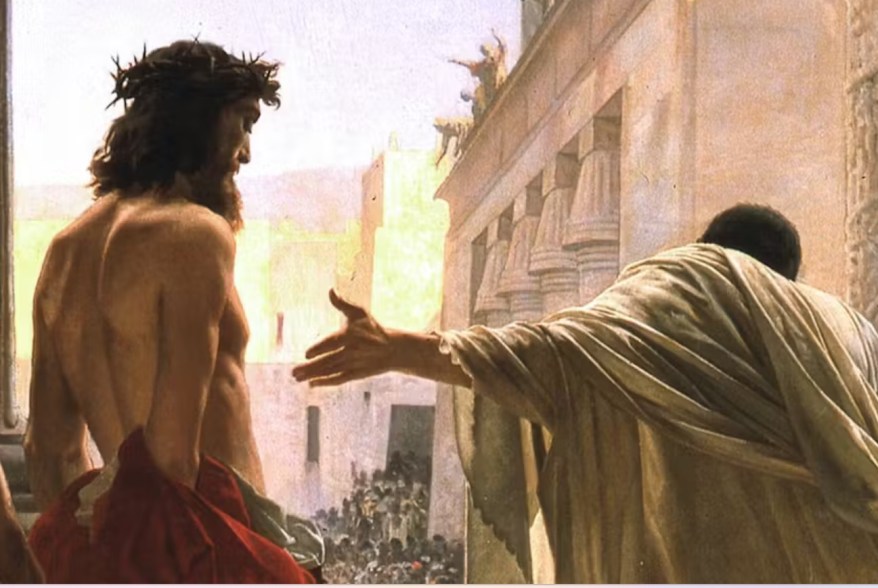
Venerdì Santo: gli “Ecce Homo” più intensi della storia dell’arte
🇮🇹Ecce Homo. Da Antonello da Messina a Tintoretto, fino al sorprendente capolavoro di Antonio Ciseri, questo soggetto ha attraversato i secoli raccontando dolore, umanità e coscienza… 🇬🇧Ecce Homo. From Antonello da Messina to Tintoretto, to Antonio Ciseri’s astonishing masterpiece, this subject has spanned the centuries, recounting pain, humanity, and conscience…
-
Attacco hacker agli Uffizi: rubati dati sensibili, mappe e codici di sicurezza
🇮🇹Attacco hacker alle Gallerie degli Uffizi: rubati dati sensibili, mappe e sistemi di sicurezza. A rischio opere, archivi e cybersicurezza del patrimonio artistico… 🇬🇧Hacker attack on the Uffizi Galleries: sensitive data, maps, and security systems stolen. Works of art, archives, and the cybersecurity of the artistic heritage are at risk…
-
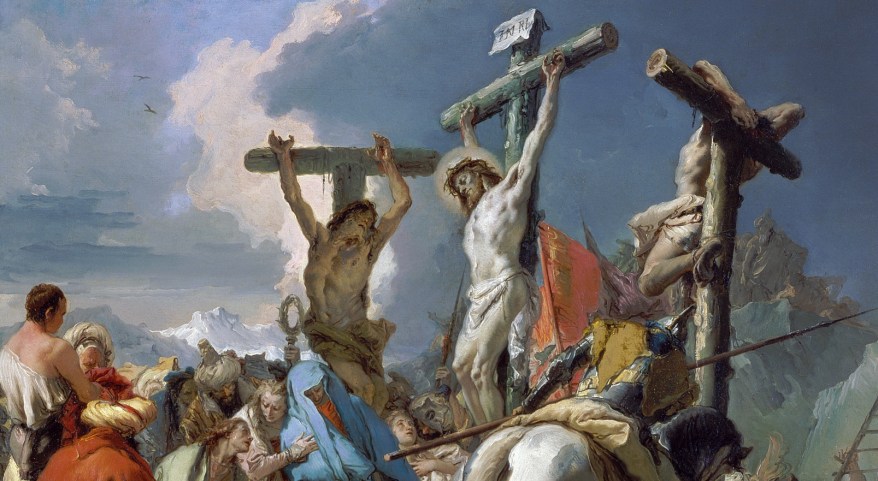
Venerdì Santo: la Crocifissione secondo Tiepolo
🇮🇹Nel giorno del Venerdì Santo, c’è un’opera che riesce ancora a scuotere lo sguardo. La Crocifissione di Giambattista Tiepolo non è come le altre: niente simmetrie perfette, niente distanza. Qui si entra dentro la scena, da un punto di vista obliquo, tra movimento, tensione e umanità… 🇬🇧On Good Friday, there’s a work that still manages…
Condividi:


Questo sono io





sostienici

Sostienici – Support Us
Se questo blog ti piace e ti appassiona, puoi aiutarci a farlo crescere sempre più sostenendoci in modo concreto condividendo i post, seguendo le pagine social e con un contributo che ci aiuta ad andare avanti con il nostro lavoro di divulgazione. . ENGLISH: If you like and are passionate about this blog, you can help us make it grow more and more by supporting us in a concrete way by sharing posts, following social pages and with a contribution that helps us to move forward with our dissemination work.
€10,00


