
Geremia: il profeta sofferente
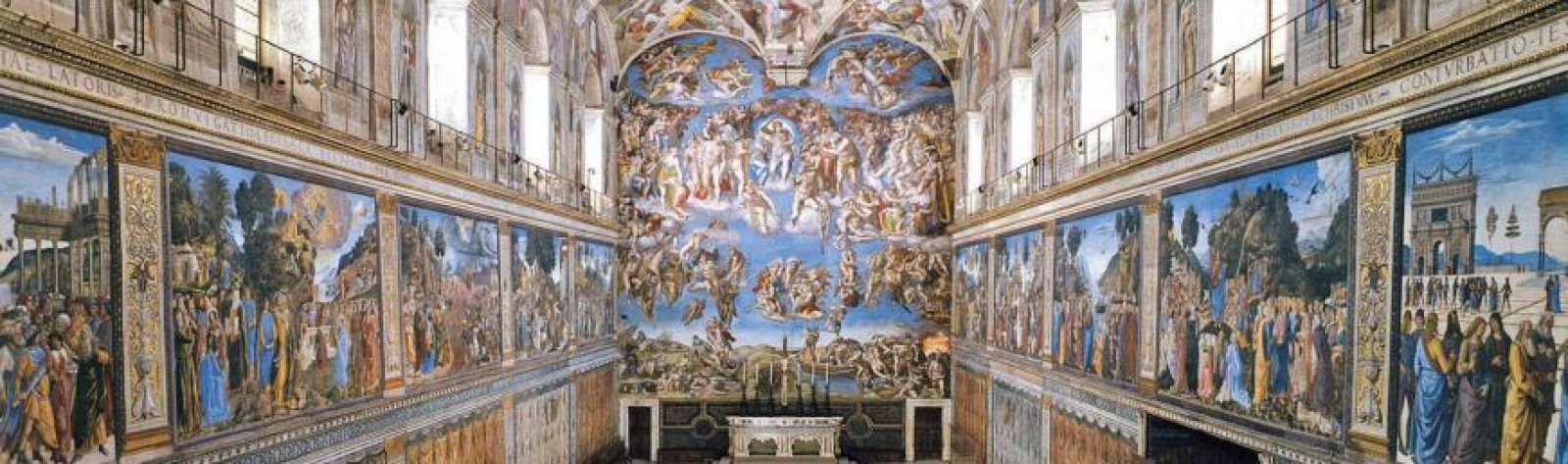
Geremia, noto come il profeta sofferente, è uno dei sette che scelsi di raffigurare nella volta della Cappella Sistina. Lo affrescai al di sotto del riquadro della Separazione della luce dalle Tenebre, dal lato opposto della Sibilla Libica.
Con la morte di Cristo in croce e la successiva Resurrezione, si avvera la parola che Dio rivolse a Geremia “Ti faranno guerra, ma non ti vinceranno, perché io sono con te per salvarti” .

Geremia non ebbe timore nel rivolgersi a tutti coloro che guidavano i popoli come re e sacerdoti per denunciarne ingiustizie. Vorrebbe non aver avuto il dono della profezia ma non può non riferire quello che Dio gli svela per il bene di tutti.
A differenza degli altri profeti non solo denuncia il peccato ma ne rivela le cause, insite nel cuore perverso che solo con l’aiuto dell’Altissimo può essere cambiato.

Affrescai Geremia con quell’aria pensierosa e preoccupata che, secondo le Sacre Scritture, lo caratterizzavano. Siede sul trono marmoreo che quasi scompare sotto di lui.
Con la mano destra portata alla bocca sostiene la testa piegata in avanti. Fate caso alla sua posa. Vi ricorda qualche altra opera mia? Ebbene sì, l’atteggiamento di Geremia è paragonabile a quello che anni dopo diedi a Lorenzo de’ Medici duca d’Urbino, nella Sagrestia Nuova.

Sono particolarmente legato a questo vecchio malinconico che spesso si fronteggiava col Diavolo e redarguiva aspramente i re.
Vedesi quel Ieremia, con le gambe incrocicchiate, tenersi una mano alla barba posando il gomito sopra il ginocchio, l’altra posar nel grembo et aver la testa chinata, d’una maniera che ben dimostrala malenconia, i pensieri, la cogitazione e l’amaritudine che egli ha de ‘l suo popolo; così medesimamente due putti, che gli sono dietro, e similmente è nella prima Sibilla di sotto a lui verso la porta nella quale, volendo esprimere la vecchiezza, oltra che egli, avviluppandola di panni, ha voluto mostrare che già i sangui sono agghiacciati dal tempo et inoltre, nel leggere, per avere la vista logora, le fa accostare il libro alla vista accuratissimamente.
Vasari nelle Vite

Alle spalle del profeta si vedono i due geni che lo accompagnano. In particolare, quello con la capigliatura chiara, rispecchia l’atteggiamento pensieroso e triste di Geremia.
singolare è la posa delle gambe di Geremia, incrociate all’altezza delle caviglie e incorniciate dalla sottoveste bianca che spinta dall’abito che dal giallo cangia in rosa.

Per il momento il vostro Michelangelo Buonarroti vi saluta dandovi appuntamento ai prossimi post e sui social.

Jeremiah: the suffering prophet
Jeremiah, known as the suffering prophet, is one of the seven I chose to depict on the vault of the Sistine Chapel. I frescoed it below the panel of the Separation of Light from Darkness, on the opposite side of the Libyan Sibyl.
With Christ’s death on the cross and subsequent Resurrection, God’s word to Jeremiah “They will make war on you, but they will not conquer you, because I am with you to save you” comes true.
Jeremiah was not afraid to address all those who led the peoples as kings and priests to denounce their injustices. He wishes he hadn’t had the gift of prophecy but he can’t not report what God reveals to him for the good of all.
Unlike the other prophets, he not only denounces sin but reveals its causes, inherent in the perverse heart that only the Most High can change.
I frescoed Jeremiah with that thoughtful and worried air which, according to the Holy Scriptures, characterized him. He sits on the marble throne which almost disappears under him.
With her right hand brought to his mouth, she supports her head bent forward. Notice his pose. Do you remember any other work of mine? Well yes, Jeremiah’s attitude is comparable to that which years later I gave to Lorenzo de’ Medici, Duke of Urbino, in the New Sacristy.
I am particularly attached to this melancholy old man who often faced the Devil and harshly reprimanded kings.
You can see that Ieremia, with his legs crossed, holding one hand to his beard placing the elbow on his knee, the other resting on his lap and having his head bowed, in a manner that well demonstrates the melancholy, the thoughts, the cogitation and the bitterness he has for his people; likewise two putti, who are behind him, and similarly it is in the first Sibyl below him towards the door in which, wishing to express old age, in addition to which he, wrapping her in cloths, wanted to show that the bloods are already chilled by time and furthermore, in reading, to have her eyesight worn out, she makes her bring the book up to her eyes very carefully.
Vasari in the Lives
Behind the prophet we see the two geniuses who accompany him. In particular, the one with the light hair reflects Jeremiah’s thoughtful and sad attitude.
Particular is the pose of Jeremiah’s legs, crossed at the ankles and framed by the white petticoat that is pushed by the dress that changes from yellow to pink.
For the moment, your Michelangelo Buonarroti greets you by making an appointment for the next posts and on social media.

Sostienici – Support Us
Se questo blog ti piace e ti appassiona, puoi aiutarci a farlo crescere sempre più sostenendoci in modo concreto condividendo i post, seguendo le pagine social e con un contributo che ci aiuta ad andare avanti con il nostro lavoro di divulgazione. . ENGLISH: If you like and are passionate about this blog, you can help us make it grow more and more by supporting us in a concrete way by sharing posts, following social pages and with a contribution that helps us to move forward with our dissemination work.
8,00 €
Condividi:


Questo sono io





sostienici

Sostienici – Support Us
Se questo blog ti piace e ti appassiona, puoi aiutarci a farlo crescere sempre più sostenendoci in modo concreto condividendo i post, seguendo le pagine social e con un contributo che ci aiuta ad andare avanti con il nostro lavoro di divulgazione. . ENGLISH: If you like and are passionate about this blog, you can help us make it grow more and more by supporting us in a concrete way by sharing posts, following social pages and with a contribution that helps us to move forward with our dissemination work.
€10,00


1 commento »