
Alessandro Magno e l’Oriente: la nuova mostra al Mann di Napoli
Sta per aprire i battenti una nuova mostra dedicata ad Alessandro Magno, il macedone che conquistò il mondo regnando dal 336 al 323 a.C., lasciando un’impronta determinante nella storia dell’Europa e dell’Asia.
Alessandro Magno, partendo in giovane età dalla Macedonia che governava, riuscì a conquistare una dopo l’altro i territori della Grecia, dell’Egitto e del regno persiano espandendo il suo dominio fino alla valle del fiume Indo.
Il Museo Archeologico di Napoli è in fermento per questa interessante retrospettiva che avrà come filo conduttore il celeberrimo condottiero, le sue gesta e i fasti dell’Oriente.
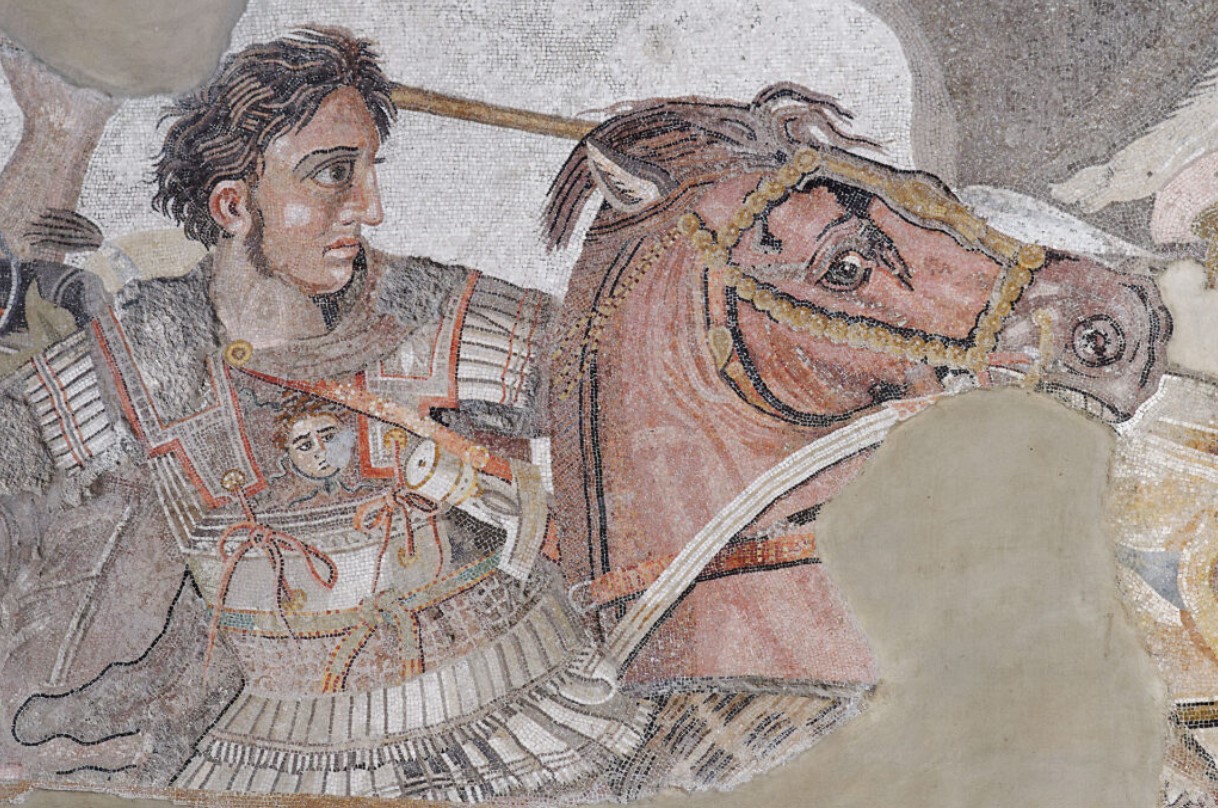
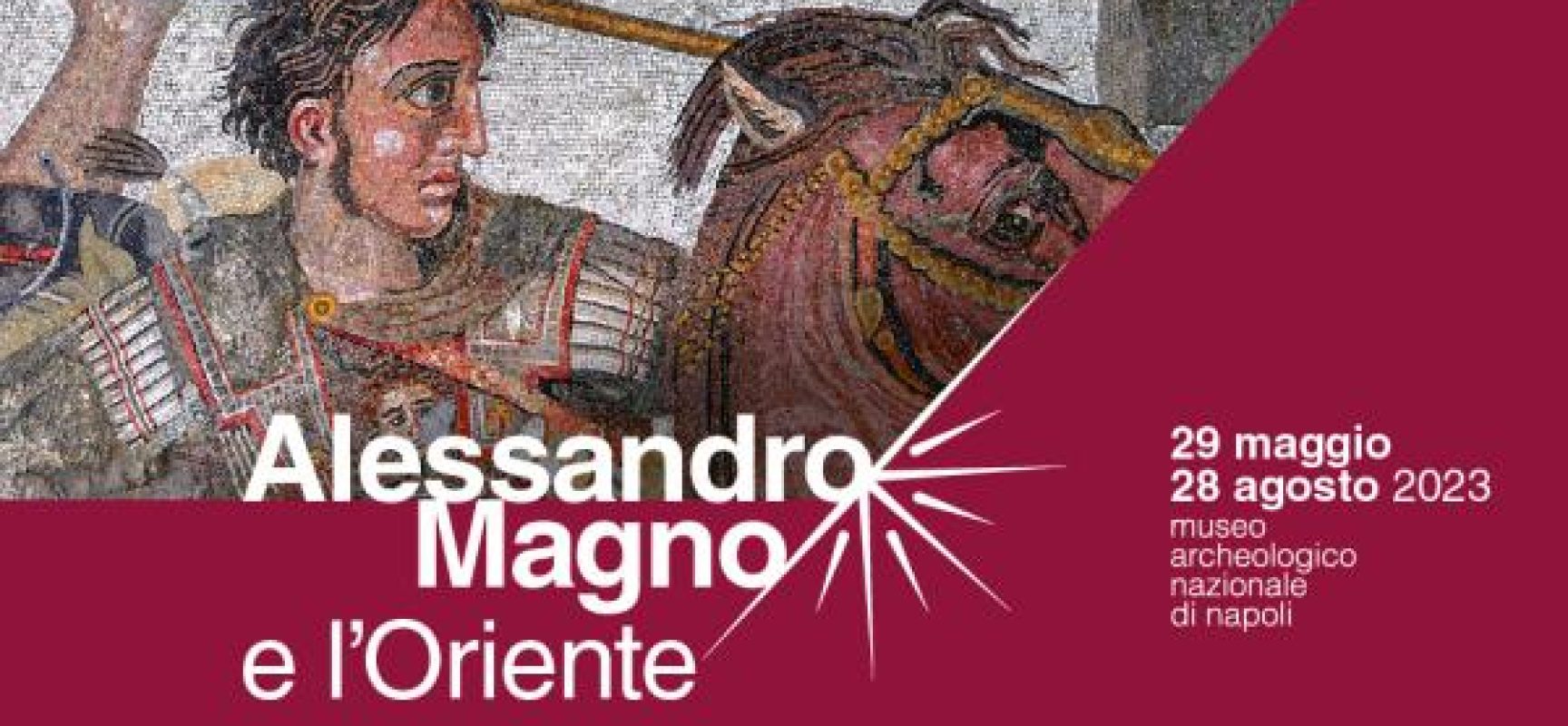
La mostra “Alessandro Magno e l’Oriente: scoperte e meraviglie” aprirà i battenti al pubblico dal 25 maggio al 28 agosto 2023. Nel percorso espositivo saranno esposti dipinti, incisioni, sculture, monete ma anche vasi e altri capolavori di arte antica per un totale di 150 opere.
Sessanta proverranno direttamente dalle collezioni del Mann che per l’occasione verranno messe in diretto dialogo con manufatti provenienti da prestiti nazionali e internazionali concessi dal Louvre, dal British Museum, dall’Archaeological Museum of Thessaloniki, dal Museo Nazionale Romano e dal Museo delle Civiltà – Museo d’Arte Orientale.
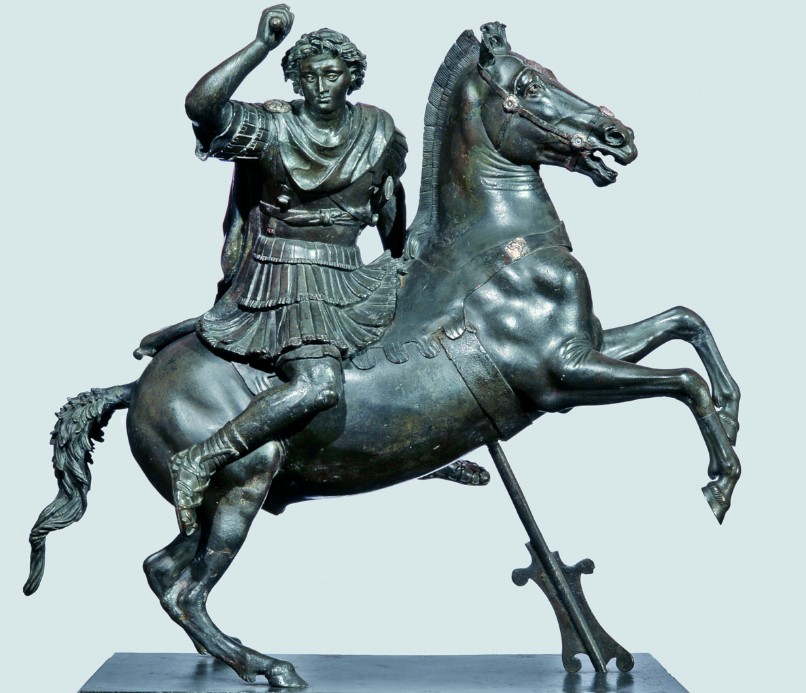
Fra le opere più note presenti nella mostra vale la pena ricordare la scultura equestre in bronzo di Alessandro Magno a cavallo del I secolo a. C riemersa dagli scavi di Ercolano effettuati durante l’epoca borbonica.
L’esposizione “Alessandro Magno e l’Oriente: scoperte e meraviglie” è promossa dal Ministero della Cultura Italiano in collaborazione con il Ministero della cultura e dello sport della Grecia ed è organizzata dal MANN, sotto la direzione di Paolo Giulierini. La mostra ha il sostegno della Regione Campania e il Parco archeologico del Colosseo in collaborazione con Electa, in partnership con Intesa Sanpaolo.
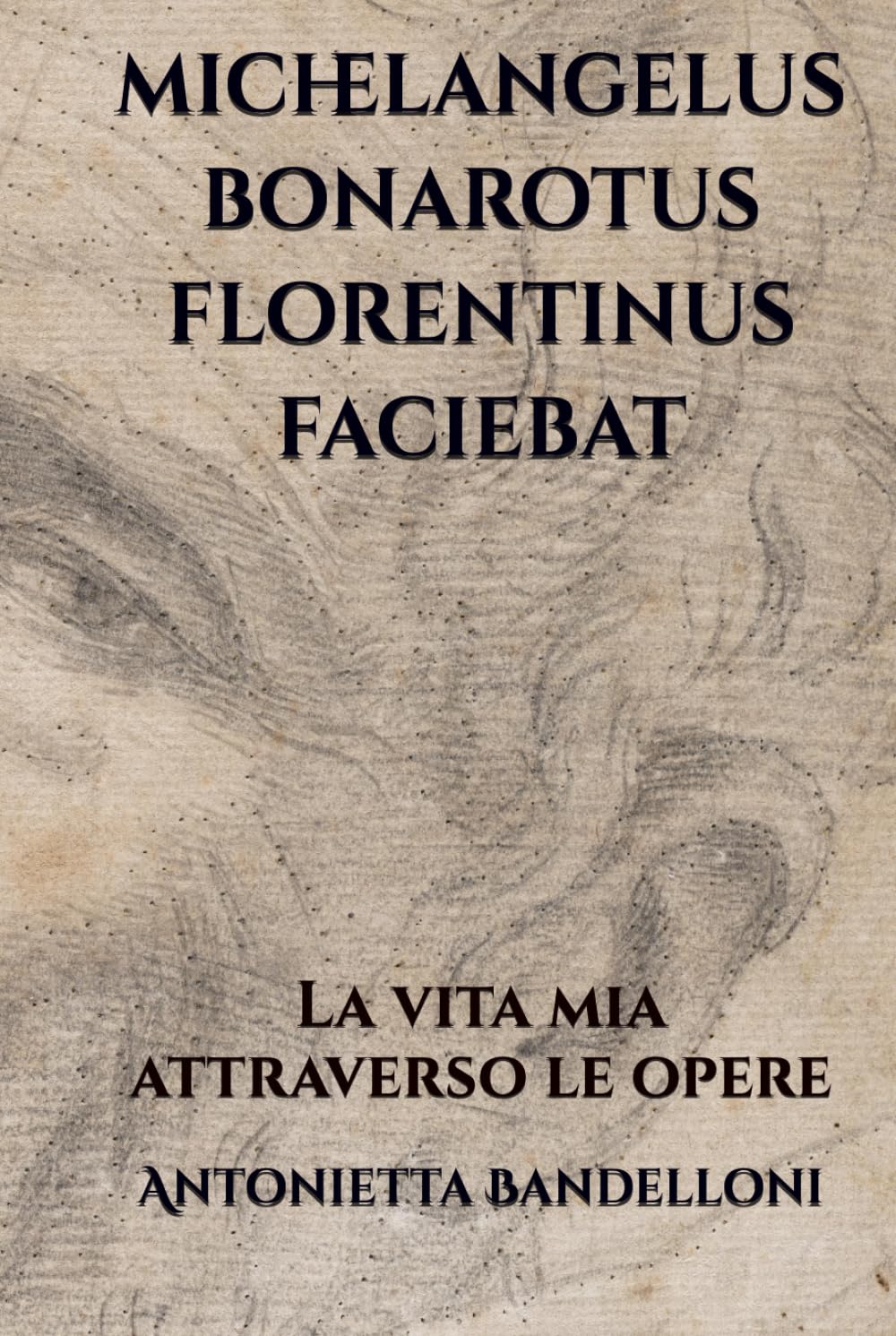
La curatela scientifica è di Filippo Coarelli e Eugenio Lo Sardo e il catalogo sarà pubblicato da Skira. In attesa che venga dato alle stampe e diffuso, vi propongo due libri dedicati ad Alessandro Magno per non andare impreparati all’esposizione del Museo Archeologico di Napoli.
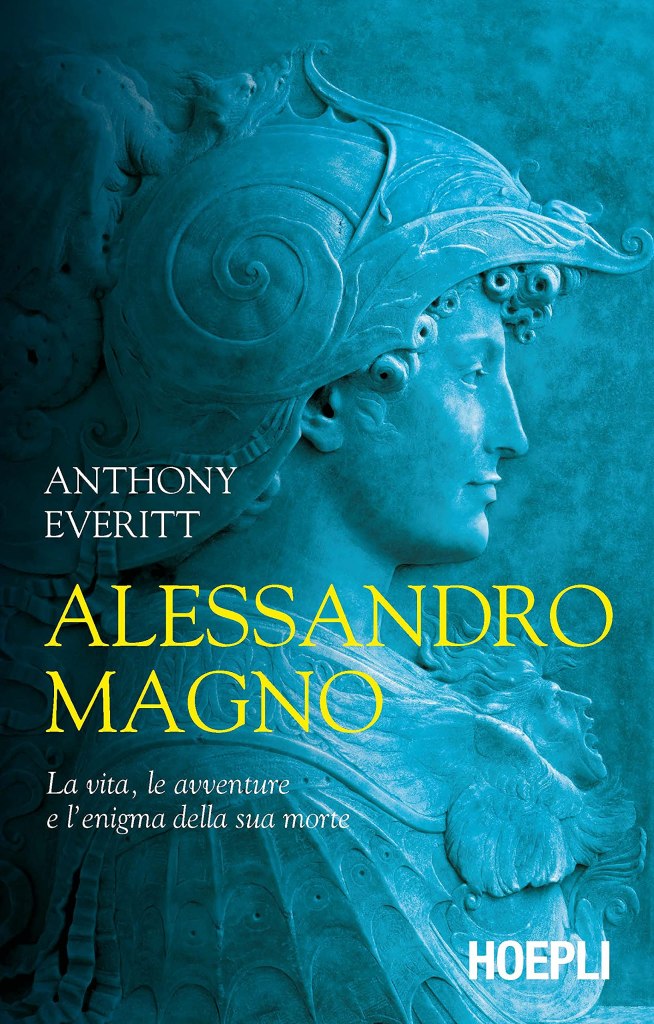

Per il momento il vostro Michelangelo Buonarroti vi saluta dandovi appuntamento ai prossimi post e sui social.
Alexander the Great and the Orient: the new exhibition at the Mann in Naples
A new exhibition dedicated to Alexander the Great is about to open, the Macedonian who conquered the world reigning from 336 to 323 BC, leaving a decisive influence on the history of Europe and Asia.
Alexander the Great, starting at a young age from Macedonia which he governed, managed to conquer one after the other the territories of Greece, Egypt and the Persian kingdom, expanding his dominion up to the valley of the Indus river.
The Archaeological Museum of Naples is in turmoil for this interesting retrospective which will have as its leitmotif the famous leader, his deeds and the glories of the East.
The exhibition “Alexander the Great and the Orient: discoveries and wonders” will open its doors to the public from 25 May to 28 August 2023. Paintings, engravings, sculptures, coins but also vases and other masterpieces of ancient art will be exhibited along the exhibition itinerary for a total of 150 works.
Sixty will come directly from the Mann collections which for the occasion will be placed in direct dialogue with artefacts from national and international loans granted by the Louvre, the British Museum, the Archaeological Museum of Thessaloniki, the National Roman Museum and the Museum of Civilizations – Museum of Oriental Art.
Among the best known works in the exhibition it is worth mentioning the bronze equestrian sculpture of Alexander the Great at the turn of the 1st century BC. C re-emerged from the excavations of Herculaneum carried out during the Bourbon era.
The exhibition “Alexander the Great and the Orient: discoveries and wonders” is promoted by the Italian Ministry of Culture in collaboration with the Greek Ministry of Culture and Sport and is organized by MANN, under the direction of Paolo Giulierini. The exhibition has the support of the Campania Region and the Colosseum Archaeological Park in collaboration with Electa, in partnership with Intesa Sanpaolo.
The scientific curatorship is by Filippo Coarelli and Eugenio Lo Sardo and the catalog will be published by Skira.
For the moment, your Michelangelo Buonarroti greets you by making an appointment for the next posts and on social media.

Sostienici – Support Us
Se questo blog ti piace e ti appassiona, puoi aiutarci a farlo crescere sempre più sostenendoci in modo concreto condividendo i post, seguendo le pagine social e con un contributo che ci aiuta ad andare avanti con il nostro lavoro di divulgazione. . ENGLISH: If you like and are passionate about this blog, you can help us make it grow more and more by supporting us in a concrete way by sharing posts, following social pages and with a contribution that helps us to move forward with our dissemination work.
8,00 €
-
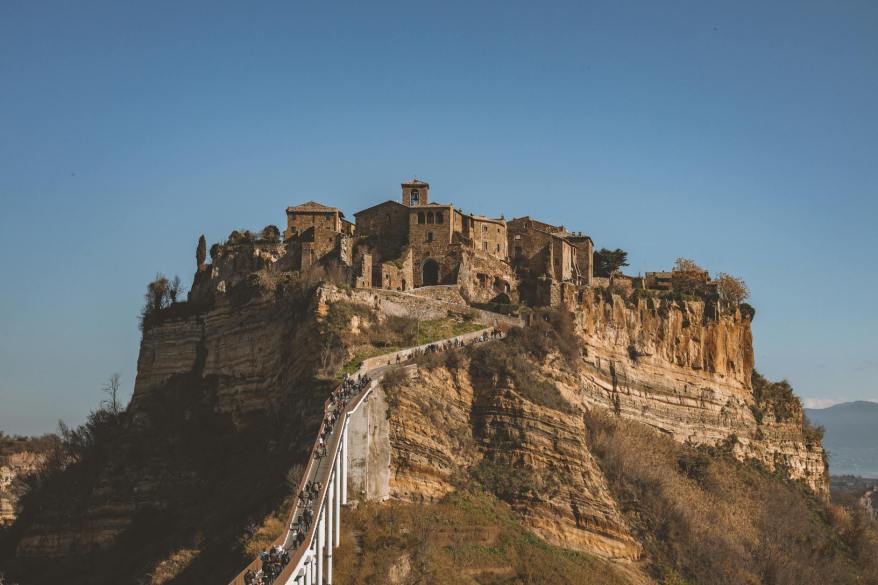
Civita di Bagnoregio e Bolsena Capitale italiana dell’Arte contemporanea 2028
🇮🇹Civita di Bagnoregio e Bolsena sono Capitale italiana dell’Arte contemporanea 2028 con il progetto Arte che viene, arte che va. Ecco cosa prevede… 🇬🇧Civita di Bagnoregio and Bolsena have been named the Italian Capital of Contemporary Art for 2028 with the project *Arte che viene, arte che va* (Art That Comes, Art That Goes). Here…
-
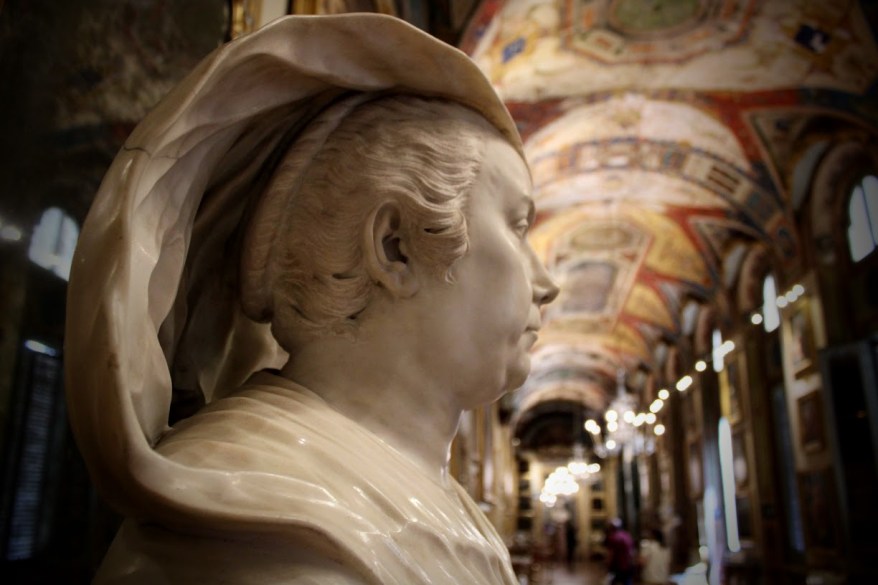
Alessandro Algardi: la risposta elegante al terremoto barocco
🇮🇹 Il Barocco non è solo movimento, spettacolo ed emozione portata all’estremo. Nella Roma del Seicento, mentre Gian Lorenzo Bernini trasformava il marmo in una materia capace di vibrare, Alessandro Algardi sceglieva una strada diversa: più misurata, elegante, legata all’equilibrio della tradizione classica… 🇬🇧The Baroque is not merely movement, spectacle, and emotion taken to the…
-
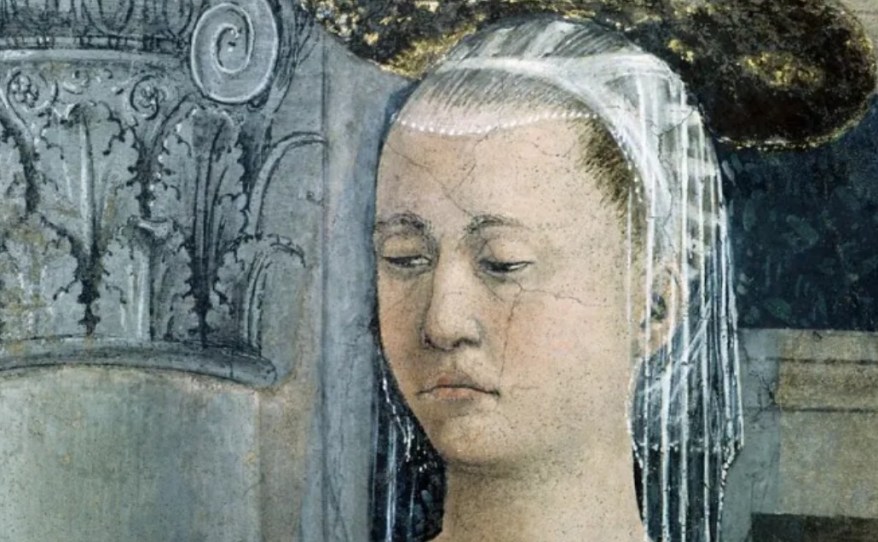
Piero della Francesca moriva il 12 ottobre 1492: il genio della prospettiva
🇮🇹Il 12 ottobre 1492, mentre Cristoforo Colombo approdava nel continente americano, a Sansepolcro si spegneva Piero della Francesca… 🇬🇧On October 12, 1492, while Christopher Columbus was landing on the American continent, Piero della Francesca passed away in Sansepolcro…
Condividi:


Questo sono io




sostienici

Sostienici – Support Us
Se questo blog ti piace e ti appassiona, puoi aiutarci a farlo crescere sempre più sostenendoci in modo concreto condividendo i post, seguendo le pagine social e con un contributo che ci aiuta ad andare avanti con il nostro lavoro di divulgazione. . ENGLISH: If you like and are passionate about this blog, you can help us make it grow more and more by supporting us in a concrete way by sharing posts, following social pages and with a contribution that helps us to move forward with our dissemination work.
€10,00


