
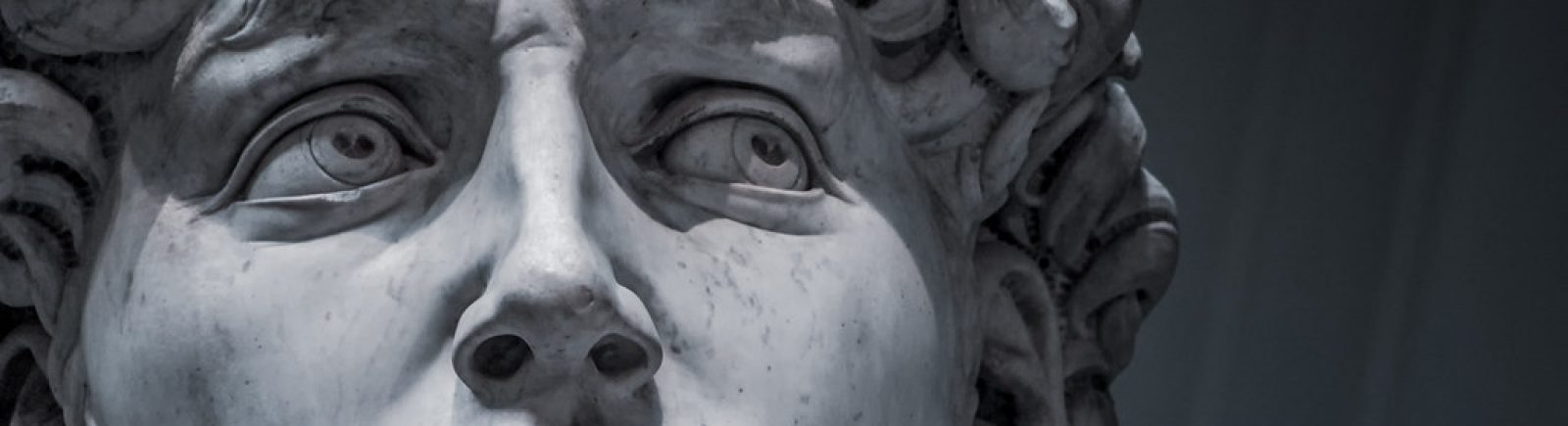
L’Ariosto che mi vedeva come un Angel divino
Ludovico Ariosto ai miei tempi era celebrato come il più grande poeta contemporaneo e sicuramente ebbi modo di incontrarlo una o più volte di persona.
Le nostre strade infatti si incrociarono in differenti occasioni.
Non ricordo il momento esatto in cui gli strinsi la mano, son passati secoli ormai e a dirla tutta mi piaceva più il suo poetare che il discorrere delle faccende della vita.

L’Ariosto soggiornò più volte a Firenze e si recò a Roma dopo l’elezione di Leone X de’ Medici, avvenuta nel 1513.
Visitò ripetutamente la Cappella Sistina e non fece mistero del suo apprezzamento per gli affreschi della volta. Addirittura volle ricordare Giona nelle sue Satire:
“Sia ver che tante mitre e diademe/mi doni, quante Jona di cappella/ala messa papal non vede inisieme…”
Nel luglio del 1529 andai a Ferrara per studiare da vicino le fortificazioni fatte costruire dal duca Alfonso d’Este. In quel momento l’Ariosto era il poeta di corte e non è da scartare che ci conoscemmo proprio in quel frangente.

Nel canto XXXIII dell’Orlando Furioso, l’Ariosto scrisse: “…quel che a par sculpe e colora, Michel, più che mortale, Angel divino”
Nonostante l’ammirazione che l’Ariosto aveva nei miei riguardi, non nacque un’amicizia stretta o comunque un legame di qualsiasi altro tipo fra noi.
Per il momento il vostro Michelangelo Buonarroti vi saluta dandovi appuntamento ai prossimi post e sui social.
The Ariosto who saw me as a divine Angel
Ludovico Ariosto in my time was celebrated as the greatest contemporary poet and I certainly had the opportunity to meet him one or more times in person.
In fact, our paths crossed on different occasions.
I don’t remember the exact moment I shook his hand, it’s been centuries now and to be honest I liked his poetry more than talking about life’s affairs.
Ariosto stayed several times in Florence and went to Rome after the election of Leo X de’ Medici, which took place in 1513.
He visited the Sistine Chapel repeatedly and made no secret of his appreciation of the vault’s frescoes. He even wanted to remember Jonah in his Satires of him:
“Sia ver che tante mitre e diademe/mi doni, quante Jona di cappella/ala messa papal non vede inisieme…”
In July 1529 I went to Ferrara to closely study the fortifications built by Duke Alfonso d’Este. At that moment Ariosto was the court poet and it cannot be ruled out that we met right at that juncture.
In canto XXXIII of Orlando Furioso, Ariosto wrote: “… the one who sculpts and colors, Michel, more than mortal, divine Angel”
Despite the admiration that Ariosto had towards me, a close friendship or in any case a bond of any other kind did not arise between us.
For the moment, your Michelangelo Buonarroti greets you by making an appointment for the next posts and on social media.
Sostienici – Support Us
Se questo blog ti piace e ti appassiona, puoi aiutarci a farlo crescere sempre più sostenendoci in modo concreto condividendo i post, seguendo le pagine social e con un contributo che ci aiuta ad andare avanti con il nostro lavoro di divulgazione. . ENGLISH: If you like and are passionate about this blog, you can help us make it grow more and more by supporting us in a concrete way by sharing posts, following social pages and with a contribution that helps us to move forward with our dissemination work.
8,00 €
-
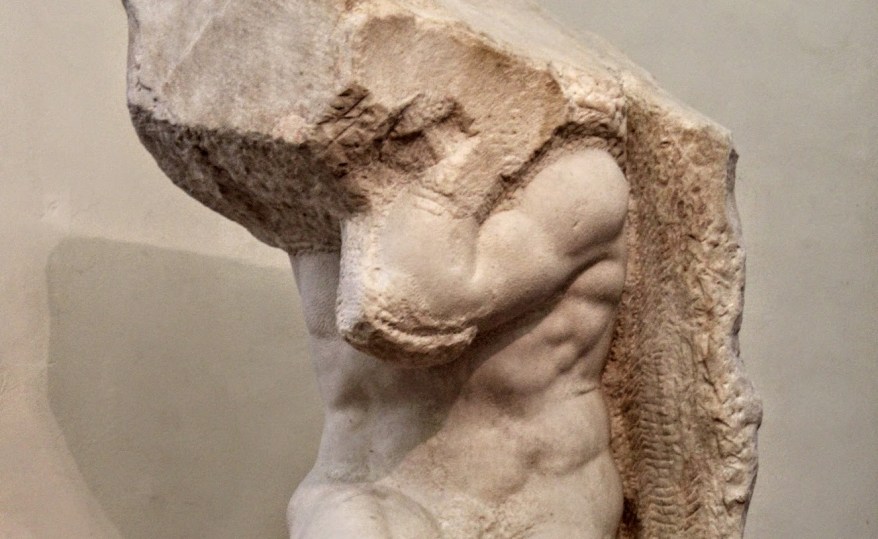
Il tormento del mio marmo ha stregato il Novecento: la nuova mostra a Firenze
🇮🇹Dal 15 dicembre 2026 la Galleria dell’Accademia di Firenze ospita “L’anima dei marmi”. Rodin, Bourdelle e i maestri del Simbolismo rileggono il mio genio… 🇬🇧Starting December 15, 2026, the Galleria dell’Accademia in Florence will host “The Soul of Marble.” Rodin, Bourdelle, and the masters of Symbolism reinterpret my genius…
-
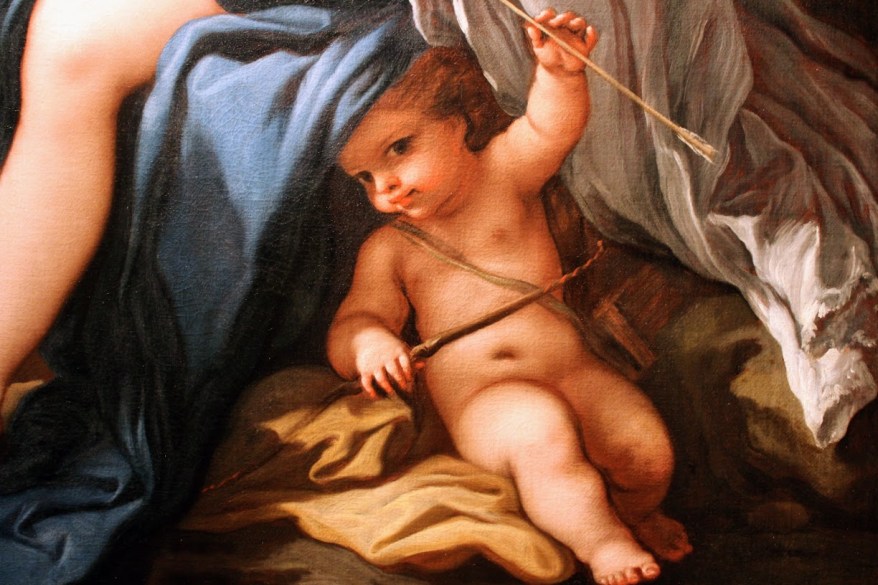
18 ottobre 1634: nasce Luca Giordano, il pittore che dipingeva così in fretta da essere chiamato «Luca fa’ presto»
🇮🇹Luca Giordano nacque a Napoli il 18 ottobre 1634. Scopri perché era chiamato «Luca fa’ presto» e i suoi capolavori, dalla Galleria degli Specchi alla corte di Spagna… 🇬🇧Luca Giordano was born in Naples on October 18, 1634. Discover why he was nicknamed “Luca fa’ presto” (“Luca, hurry up!”) and explore his masterpieces—from the Hall…
-
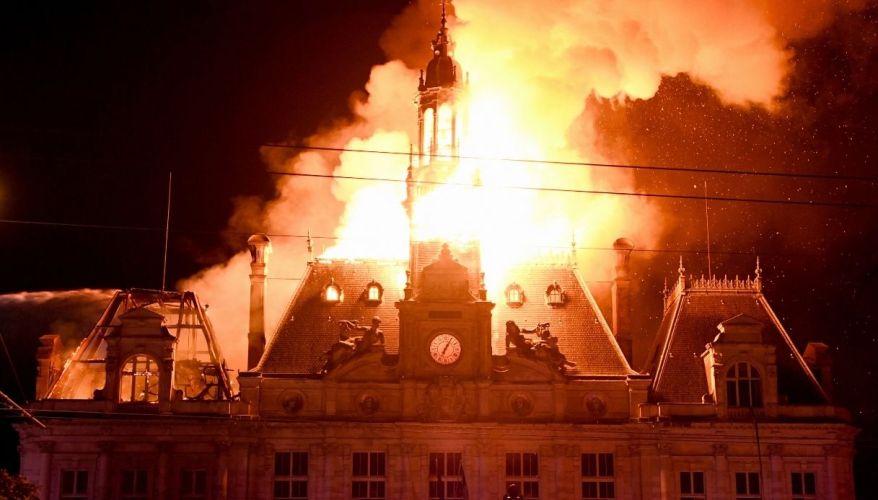
Incendio al municipio di Limoges, crolla la torre dell’orologio: distrutto storico palazzo dell’Ottocento
🇮🇹Incendio a Limoges, il municipio storico è devastato: crollano il tetto e la torre dell’orologio alta 43 metri. Che cosa resta del patrimonio artistico? 🇬🇧Fire in Limoges: the historic town hall is devastated, with its roof and 43-meter-tall clock tower having collapsed. What remains of its artistic heritage?
Condividi:


Questo sono io



sostienici

Sostienici – Support Us
Se questo blog ti piace e ti appassiona, puoi aiutarci a farlo crescere sempre più sostenendoci in modo concreto condividendo i post, seguendo le pagine social e con un contributo che ci aiuta ad andare avanti con il nostro lavoro di divulgazione. . ENGLISH: If you like and are passionate about this blog, you can help us make it grow more and more by supporting us in a concrete way by sharing posts, following social pages and with a contribution that helps us to move forward with our dissemination work.
€10,00


1 commento »