
La Scultura de giorno: Flora di Vincenzo Vela
La Scultura del giorno di cui vi parlo oggi è Flora, raffinata e sensuale opera scolpita da Vincenzo Vela nel 1858.
La storia di questo capolavoro è complessa e ha inizio con la commissione di una Ninfa delle Sorgenti nel 1856 per la famiglia di Torino Arnaboldi.
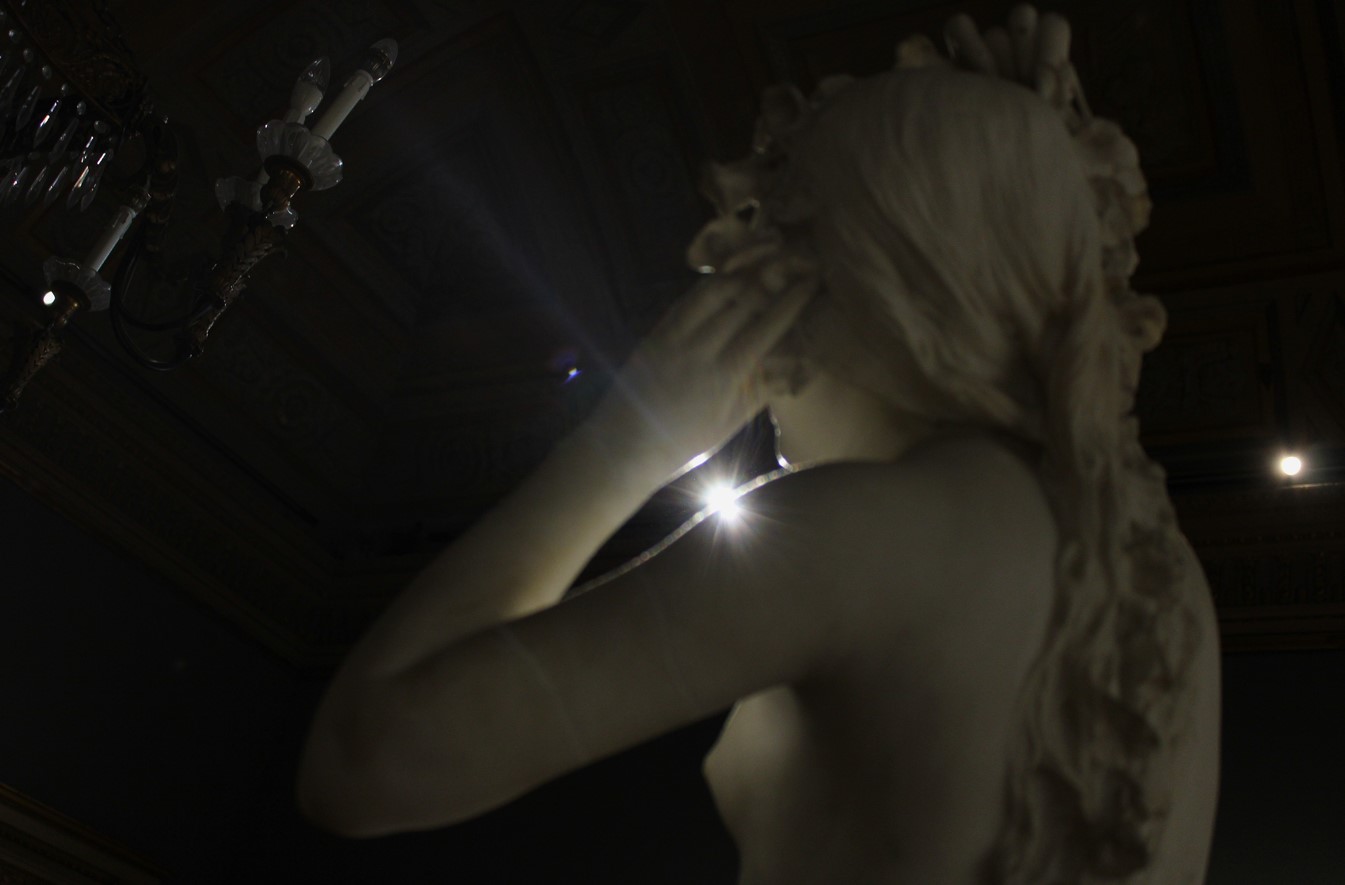
Bottaccin, visitando lo studio di Vela, si innamorò di quella composizione e volle commissionare un’opera simile a Vela avendo l’accortezza di indicare alcune varianti che avrebbe dovuto apportare.
La giovane Ninfa doveva essere ancora più giovane, sui quindici anni circa e le braccia alzate non avrebbero dovuto più reggere il manto ma bensì una corona sul capo. La figura invece che uscire da una conchiglia, sarebbe dovuta emergere poi da un cespuglio pieno di fori.

La richiesta della presenza dei fiori scolpiti ai piedi e sul capo della giovane fu strategica, in vista di un’esposizione ortofrutticola. Infatti, appena l’opera fu terminata, il committente la presentò presso l’esposizione dell’aprile 1858 dedicata al florovivaismo a Trieste.
Quella prima versione di Flora che Vela scolpì nel suo studio Torinese oggi è conservata presso il Museo Bottaccin di Padova.

Vela fu uno scultore particolarmente apprezzato e le sue opere ebbero un successo incredibile. Fu conteso da mecenati borghesi e aristocratici sia in Italia che all’estero. Ecco perché i suoi capolavori, Flora compresa, furono riprodotti in numerose copie.
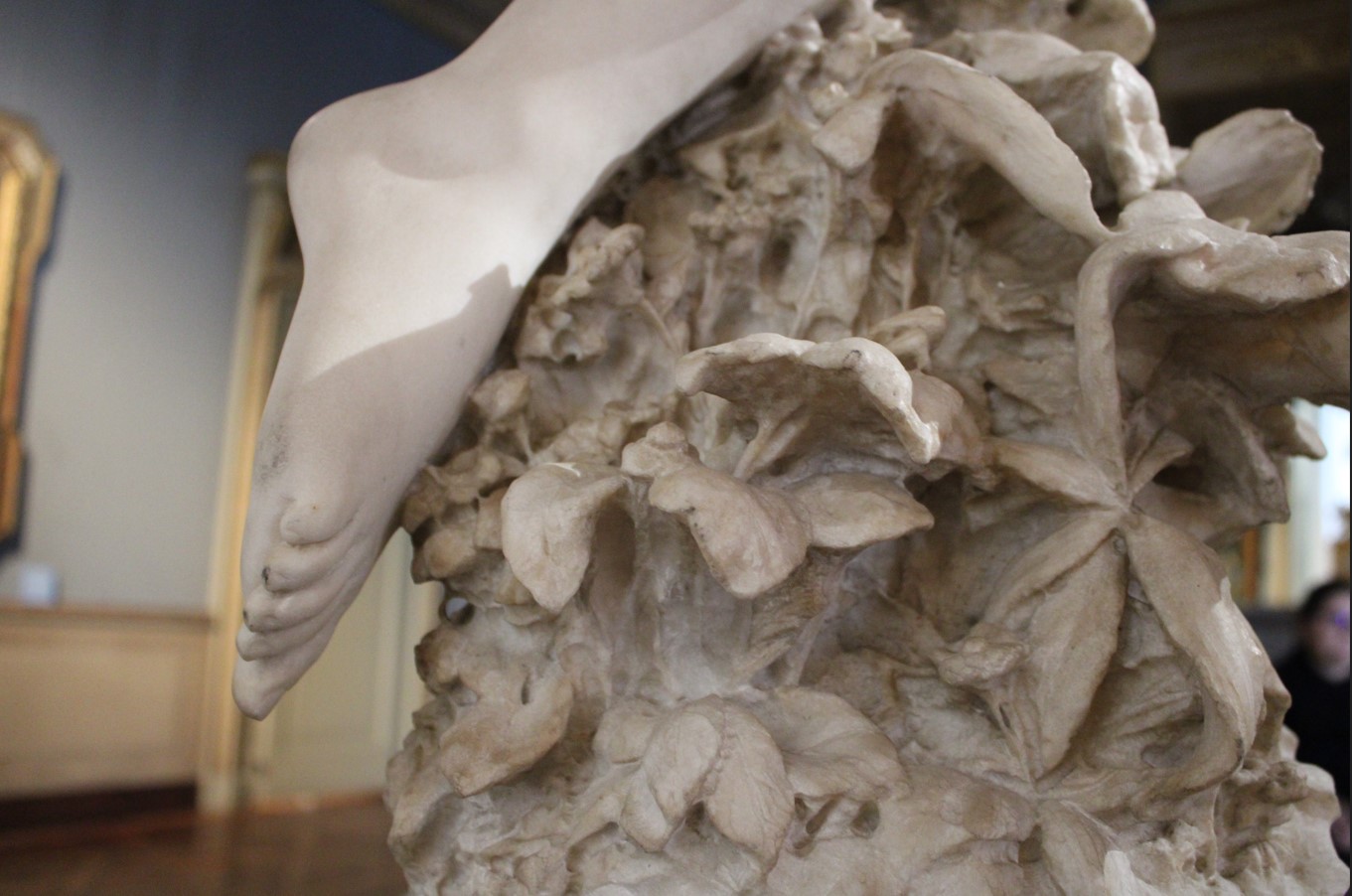
Flora è un pezzo di virtuosismo di Vela. La fanciulla nuda in posa serpentinata emerge da un gruppo di fiori che le avviluppa le gambe. Le rose, i gigli e e altre tipologie di infiorescenze sono scolpiti con tale cura del dettaglio che sbalordisce.

Probabilmente Vela aveva ben appreso l’arte dell’ornato da suo fratello maggiore Lorenzo, particolarmente abile in questa branca della scultura in marmo.
Le repliche di Flora, fedeli all’originale, suscitarono un grande clamore. Durante l’esposizione di Firenze del 1861 ebbe modo di apprezzarne le fattezze Andrea Maffei, amico di Hayez e si immaginò un dialogo con la giovane: “Premi ancor quelle rose e sogna il cielo!”.
Gli rispose in versi il poeta Frullani: “Ogni anima all’amor oggi si desta, chè primavera di riscatto è questa”. L’epigrafe celava nel termine “primavera” la nuova Italia appena riunificata e celebrata proprio durante il salone fiorentino.
Per il momento il vostro Michelangelo Buonarroti vi saluta dandovi appuntamento ai prossimi post e sui social.

The Sculpture of the day: Flora by Vincenzo Vela
The Sculpture of the day I’m telling you about today is Flora, a refined and sensual work sculpted by Vincenzo Vela in 1858.
The history of this masterpiece is complex and begins with the commission of a Ninfa delle Sorgenti in 1856 for the Turin Arnaboldi family.
Bottaccin visiting Vela’s studio fell in love with that composition and wanted to commission a similar work from Vela having the foresight to indicate some variations that he should have made. The young Nnfa must have been even younger, about fifteen years old and her raised arms should no longer have held the cloak but rather a crown on her head. Instead of coming out of a shell, the figure should have come out of a bush full of holes.
The request for the presence of flowers carved on the feet and on the head of the young woman were strategic, in view of an exhibition dedicated to flowers, fruits and vegetables. In fact, as soon as the work was finished, the client presented it at the April 1858 exhibition dedicated to nursery gardening in Trieste.
That first version of Flora that Vela sculpted in his Turin studio is now kept in the Bottaccin Museum in Padua.
Vela was a particularly appreciated sculptor and his works were incredibly successful. He was disputed by bourgeois patrons and aristocrats both in Italy and abroad. This is why there are numerous replicas of his sculptures, including Flora
Flora is a piece of virtuosity by Vela. The naked girl in a serpentine pose emerges from a group of flowers that envelop her legs. The roses, lilies and other types of inflorescences are sculpted with such attention to detail that it astounds.
Vela had probably learned the art of ornament well from his older brother Lorenzo, who was particularly skilled in this branch of marble sculpture.
Replicas of Flora, faithful to the original, caused a great stir. During the Florence exhibition of 1861, Andrea Maffei, a friend of Hayez, was able to appreciate her features and imagined a dialogue with the young woman: “Press those roses again and dream of the sky!”.
The poet Frullani replied to him in verse: “Every soul awakens to love today, because this is the spring of redemption”. The epigraph concealed in the term “spring” the new Italy that had just been reunified and celebrated during the Florentine salon.
For the moment, your Michelangelo Buonarroti greets you by making an appointment for the next posts and on social media

Sostienici – Support Us
Se questo blog ti piace e ti appassiona, puoi aiutarci a farlo crescere sempre più sostenendoci in modo concreto condividendo i post, seguendo le pagine social e con un contributo che ci aiuta ad andare avanti con il nostro lavoro di divulgazione. . ENGLISH: If you like and are passionate about this blog, you can help us make it grow more and more by supporting us in a concrete way by sharing posts, following social pages and with a contribution that helps us to move forward with our dissemination work.
10,00 €
-
Venerdì Santo: gli “Ecce Homo” più intensi della storia dell’arte
🇮🇹Ecce Homo. Da Antonello da Messina a Tintoretto, fino al sorprendente capolavoro di Antonio Ciseri, questo soggetto ha attraversato i secoli raccontando dolore, umanità e coscienza… 🇬🇧Ecce Homo. From Antonello da Messina to Tintoretto, to Antonio Ciseri’s astonishing masterpiece, this subject has spanned the centuries, recounting pain, humanity, and conscience…
-
Attacco hacker agli Uffizi: rubati dati sensibili, mappe e codici di sicurezza
🇮🇹Attacco hacker alle Gallerie degli Uffizi: rubati dati sensibili, mappe e sistemi di sicurezza. A rischio opere, archivi e cybersicurezza del patrimonio artistico… 🇬🇧Hacker attack on the Uffizi Galleries: sensitive data, maps, and security systems stolen. Works of art, archives, and the cybersecurity of the artistic heritage are at risk…
-
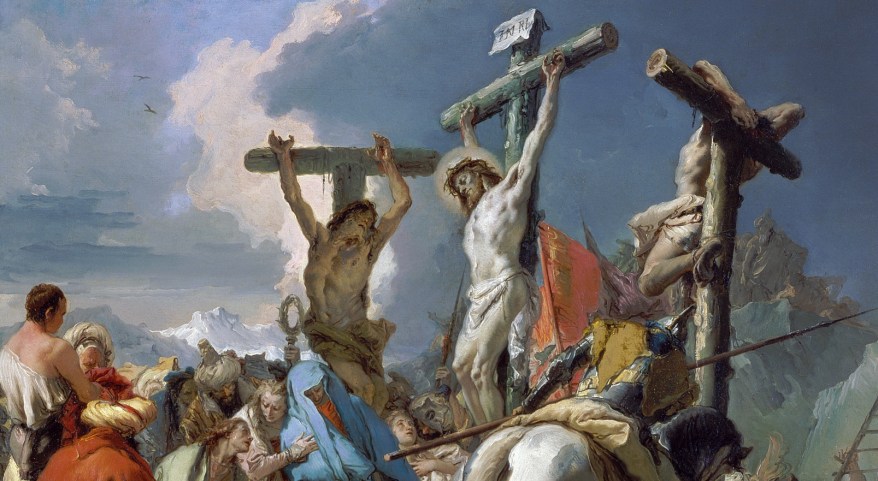
Venerdì Santo: la Crocifissione secondo Tiepolo
🇮🇹Nel giorno del Venerdì Santo, c’è un’opera che riesce ancora a scuotere lo sguardo. La Crocifissione di Giambattista Tiepolo non è come le altre: niente simmetrie perfette, niente distanza. Qui si entra dentro la scena, da un punto di vista obliquo, tra movimento, tensione e umanità… 🇬🇧On Good Friday, there’s a work that still manages…
Condividi:


Questo sono io





sostienici

Sostienici – Support Us
Se questo blog ti piace e ti appassiona, puoi aiutarci a farlo crescere sempre più sostenendoci in modo concreto condividendo i post, seguendo le pagine social e con un contributo che ci aiuta ad andare avanti con il nostro lavoro di divulgazione. . ENGLISH: If you like and are passionate about this blog, you can help us make it grow more and more by supporting us in a concrete way by sharing posts, following social pages and with a contribution that helps us to move forward with our dissemination work.
€10,00


1 commento »