

I molteplici utilizzi del Giardino di San Marco
Le prime tracce documentarie che si hanno in merito al Giardino di San Marco risalgono agli anni ’60 del Quattrocento mentre venti anni dopo, nel 1480, già era un luogo celebre e noto in tutti le corti d’Europa.
Addirittura le personalità in vista che arrivavano a Firenze, venivano portate in visita al giardino di Lorenzo de’ Medici. Anche il cardinale d’Aragona, cognato di Ercole d’Este soprannominato il Cavaliere senza paura , come riporta in una lettera il suo ambasciatore “andò a vedere S-to Marcho ed la libreria; poi quello zardino di Lorencio”.
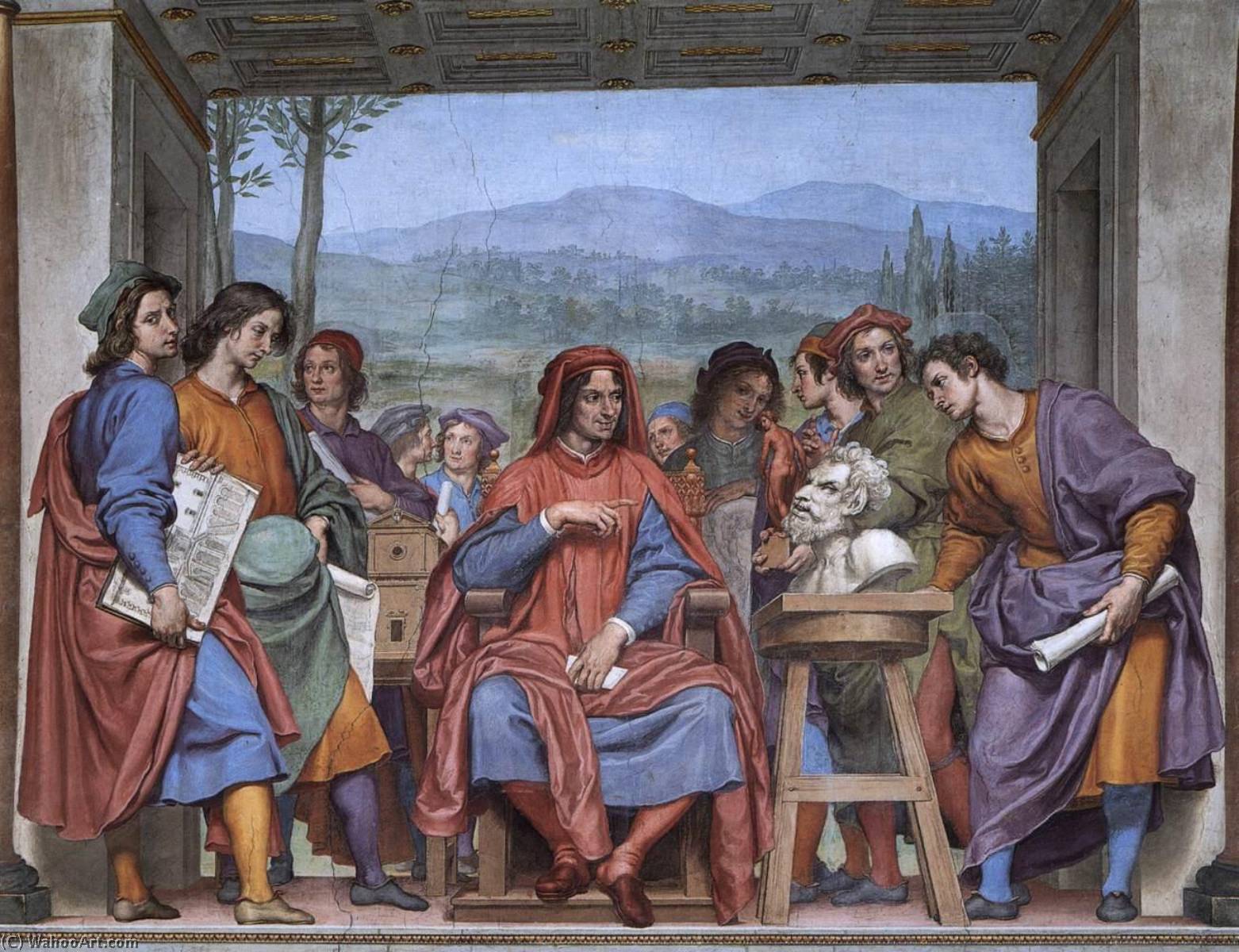
Il Giardino di San Marco ebbe un ruolo fondamentale nella Firenze di fine Quattrocento: fu il primo tentativo assoluto di realizzare un’accademia d’arte, ardentemente voluta e finanziata da Lorenzo de’ Medici.
Come sapete in questo giardino che anch’io imparai i primi rudimenti della scultura sotto la sorveglianza di Bertoldo di Giovanni, eccellente allievo di Donatelo.
Ma non fui il solo artista a beneficiare di questo luogo così prezioso a partire dai quindici anni d’età. Molto probabilmente uno dei primi giovani talenti che lo frequentò fu Leonardo da Vinci, attorno al 1475, un anno dopo la mia nascita. Lì studiarono anche i pittori Francesco Granacci, Giuliano Bugiardini, Lorenzo di Credi, Niccolò Soggi e gli scultori Baccio da Montelupo, Giovan Francesco Rustici, Pietro Torrigiani e Andrea Sansovino.
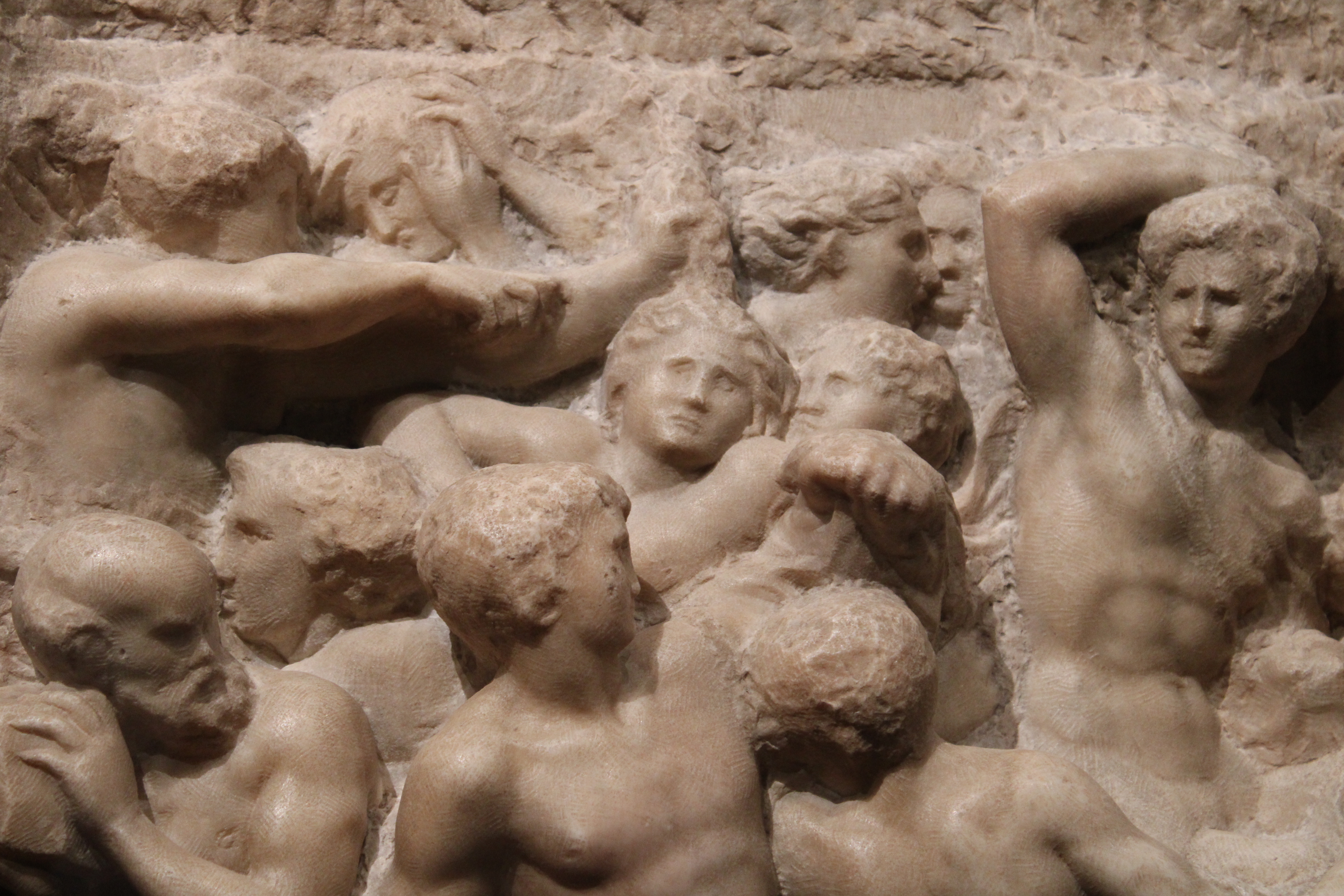
Il Giardino di San Marco, ubicato a poca distanza dalla Chiesa di San Marco e da quella di San Lorenzo, nel bel mezzo del quartier generale dei Medici, non solo era un’accademia d’arte ante litteram ma lì venivano allestite feste, rappresentazioni teatrali e spettacoli di altro tipo in occasioni particolari.
Per il momento il vostro Michelangelo Buonarroti vi saluta dandovi appuntamento ai prossimi post e sui social.
The multiple uses of the Garden of San Marco
The first documentary traces that we have about the Garden of San Marco date back to the 60s of the fifteenth century while twenty years later, in 1480, it was already a famous and well-known place in all the courts of Europe.
Even the prominent personalities who arrived in Florence were brought to visit the garden of Lorenzo de ‘Medici. Even the cardinal of Aragon, brother-in-law of Ercole d’Este nicknamed the Knight without fear, as his ambassador reports in a letter “went to see San Marco and the library and then that Lorenzo’s garden”.
The Garden of San Marco played a fundamental role in late fifteenth-century Florence: it was the first ever attempt to create an art academy, ardently desired and financed by Lorenzo de ‘Medici.
As you know in this garden that I too learned the first rudiments of sculpture under the supervision of Bertoldo di Giovanni, an excellent pupil of Donatelo.
But I was not the only artist to benefit from this precious place from the age of fifteen. Most likely one of the first young talents who attended it was Leonardo da Vinci, around 1475, a year after my birth. Painters Francesco Granacci, Giuliano Bugiardini, Lorenzo di Credi, Niccolò Soggi and sculptors Baccio da Montelupo, Giovan Francesco Rustici, Pietro Torrigiani and Andrea Sansovino also studied there.
The Garden of San Marco, located a short distance from the Church of San Marco and that of San Lorenzo, in the middle of the Medici headquarters, was not only an ante litteram art academy but there were also set up parties and shows in special occasions.
For the moment, your Michelangelo Buonarroti greets you by giving you an appointment at the next posts and on social networks.

Sostienici – Support Us
Se questo blog ti piace e ti appassiona, puoi aiutarci a farlo crescere sempre più sostenendoci in modo concreto condividendo i post, seguendo le pagine social e con un contributo che ci aiuta ad andare avanti con il nostro lavoro di divulgazione. . ENGLISH: If you like and are passionate about this blog, you can help us make it grow more and more by supporting us in a concrete way by sharing posts, following social pages and with a contribution that helps us to move forward with our dissemination work.
5,00 €
-
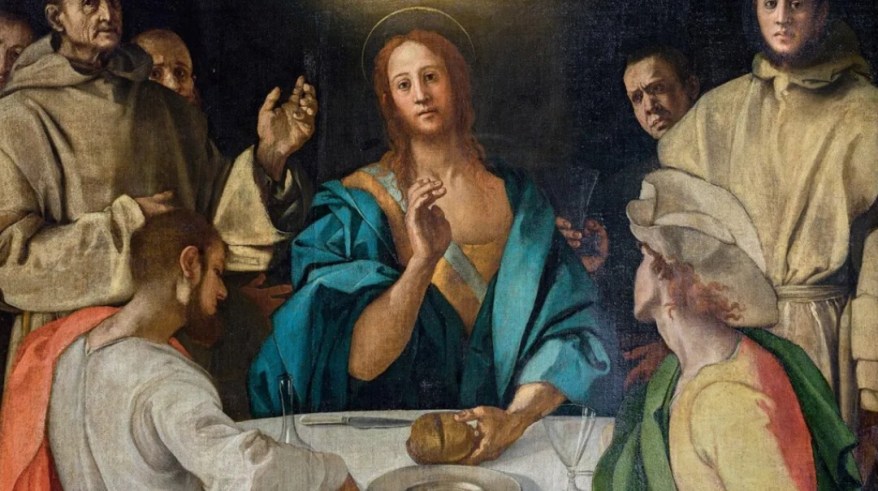
Cena in Emmaus di Pontormo: il pane, il gatto e il cane alle Scuderie del Quirinale
La Cena in Emmaus di Pontormo nasconde dettagli sorprendenti: il significato del pane, i simboli e il mistero della Resurrezione. Scopri il capolavoro del 1525 in mostra alle Scuderie del Quirinale a Roma… 🇬🇧Pontormo’s *Supper at Emmaus* conceals surprising details: the significance of the bread, various symbols, and the mystery of the Resurrection. Discover this…
-
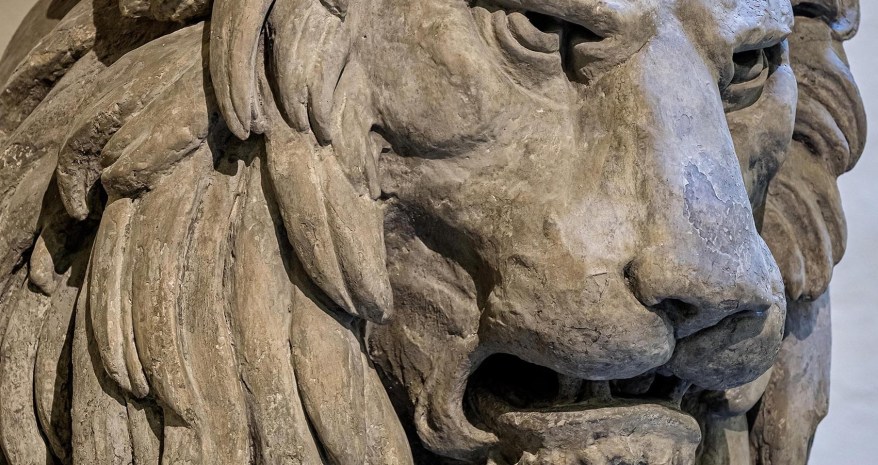
Palazzo Vecchio, il restauro svela la vera natura dei quattro leoni e il mistero della fontana greca
🇮🇹Restaurato il Cortile della Dogana di Palazzo Vecchio a Firenze: i quattro leoni sono calchi, una fontana conserva un’iscrizione greca da studiare e tornano a funzionare entrambe le fontane… 🇬🇧The Cortile della Dogana (Customs Courtyard) at Palazzo Vecchio in Florence has been restored: the four lions are casts, one fountain features a Greek inscription that…
-
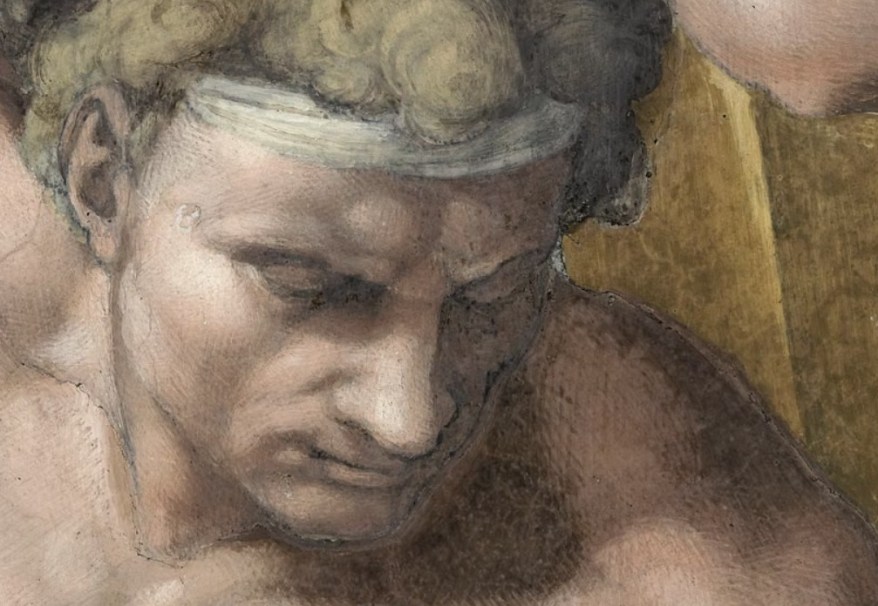
Disma, il buon ladrone nel Giudizio Universale: la misericordia e la giustizia divina
Nel Giudizio Universale della Cappella Sistina ci sono particolari che rischiano di passare inosservati, anche a chi ha avuto la fortuna di alzare gli occhi verso la mia grande parete. Tra i corpi che si sollevano, gli angeli che suonano le trombe e le anime che cercano di raggiungere il cielo, ci sono figure che…
Condividi:


Questo sono io





sostienici

Sostienici – Support Us
Se questo blog ti piace e ti appassiona, puoi aiutarci a farlo crescere sempre più sostenendoci in modo concreto condividendo i post, seguendo le pagine social e con un contributo che ci aiuta ad andare avanti con il nostro lavoro di divulgazione. . ENGLISH: If you like and are passionate about this blog, you can help us make it grow more and more by supporting us in a concrete way by sharing posts, following social pages and with a contribution that helps us to move forward with our dissemination work.
€10,00


1 commento »