
I ritratti dei figli dell’Urbino
Il primo disegno che vi propongo oggi, a carboncino nero su carta grigia, appartiene alle collezioni del Teylers Museum di Haarlem ed è il ritratto di un bambino eseguito dal vero. Non amavo particolarmente fare ritratti ma qualcuno comunque lo realizzai nel corso degli anni.
Ha una cuffia a coprirgli il capo che, scendendo verso il basso, crea un panneggio alla base del collo. Il volto paffuto termina con una fossetta sul mento.
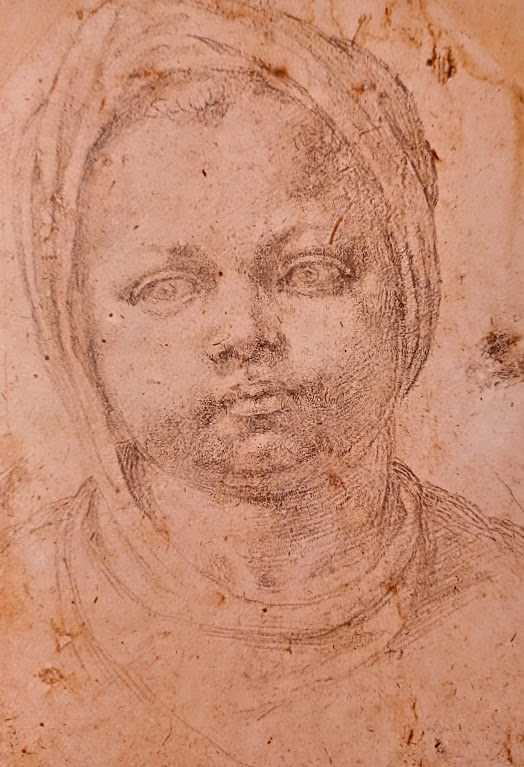
Sapete chi potrebbe essere questo bambino?
Ebbene, con molta probabilità è uno dei figli di Francesco Urbino che per ben venticinque anni collaborò con me. In un primo momento mi macinava i colori mentre ero intento a dipingere il Giudizio Universale poi mi seguì nei progetti di architettura della Basilica di San Pietro e nella fase finale della Tomba di Giulio II.
Purtroppo il 3 gennaio del 1556 l’Urbino passò a miglior vita lasciando soli i bimbi piccini e la moglie e io mi feci carico di mandare avanti la sua famiglia divenendo tutore dei figli.

E’ noto che realizzai i ritratti di entrambi i figli dell’Urbino poco dopo la sua morte e. in effetti. i tratti del disegno in questione e la qualità del chiaroscuro corrispondono esattamente al modo che avevo di disegnare tipico di quel periodo.
Il bambino protagonista del ritratto proposto era quello più piccolo del mio uomo di fiducia mentre il figlio più grande, lo ritrassi in un altro foglio, oggi appartenente a Casa Buonarroti e ve lo propongo a seguire.
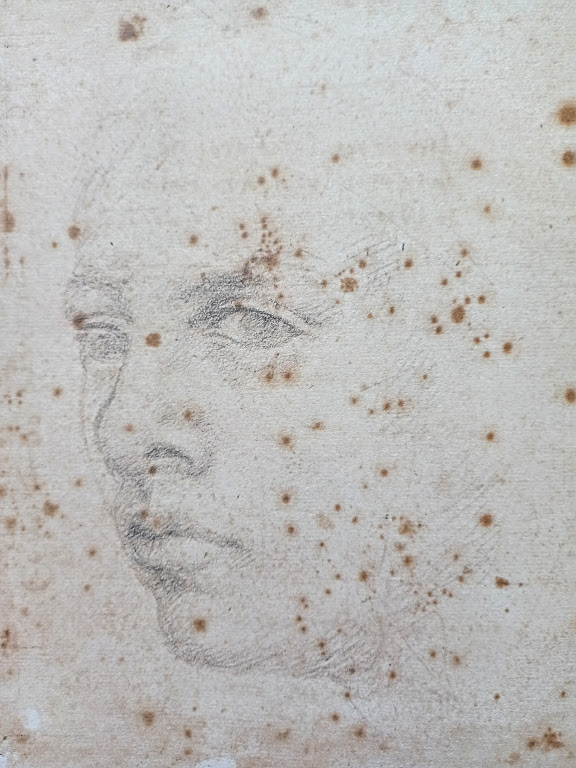
Il fanciullo è voltato di tre quarti e mostra un’espressione piuttosto seria, resa così cupa forse dal pensiero della recente perdita del padre.
Entrambi i disegni sono gli ultimi due ritratti dal vero che eseguii giunti fino ai vostri tempi. Per il momento il vostro Michelangelo Buonarroti vi saluta dandovi appuntamento ai prossimi post e sui social.
The portraits of the children of Urbino
The first drawing that I propose today, in black charcoal on gray paper, belongs to the collections of the Teylers Museum in Haarlem and is a portrait of a child made from life. I didn’t particularly like to do portraits but someone did it anyway over the years.
He has a cap covering his head which, going down, creates a drapery at the base of the neck. His chubby face ends with a dimple on his chin.
Do you know who this child could be? Well, most likely he is one of Francesco Urbino’s sons who collaborated with me for twenty-five years. At first he grinded my colors while I was intent on painting the Last Judgment then he followed me in the architectural projects of St. Peter’s Basilica and in the final phase of the Tomb of Julius II.
Unfortunately, on January 3, 1556, Urbino passed away, leaving the small children and his wife alone and I took it upon myself to support his family by becoming the guardian of his children.
It is known that I made the portraits of both Urbino’s children shortly after his death and, in fact, the lines of the drawing in question and the quality of the chiaroscuro correspond exactly to the way I had to draw typical of that period.
The child protagonist of the proposed portrait was the smallest one of my trusted man while the eldest son, I portrayed him in another sheet, now belonging to Casa Buonarroti and I propose it to follow.
The child is turned three-quarters and shows a rather serious expression, made so gloomy perhaps by the thought of the recent loss of his father.
Both drawings are the last two portraits from life that I made up to your time. For the moment, your Michelangelo Buonarroti greets you by giving you an appointment at the next posts and on social networks.

Sostienici – Support Us
Se questo blog ti piace e ti appassiona, puoi aiutarci a farlo crescere sempre più sostenendoci in modo concreto condividendo i post, seguendo le pagine social e con un contributo che ci aiuta ad andare avanti con il nostro lavoro di divulgazione. . ENGLISH: If you like and are passionate about this blog, you can help us make it grow more and more by supporting us in a concrete way by sharing posts, following social pages and with a contribution that helps us to move forward with our dissemination work.
10,00 €
-
26 ottobre 1890: muore Carlo Collodi, lo scrittore toscano che inventò Pinocchio
Il 26 ottobre 1890 moriva a Firenze Carlo Collodi, autore di Pinocchio. Dalla prima pubblicazione nel 1881 al successo mondiale del burattino…
-
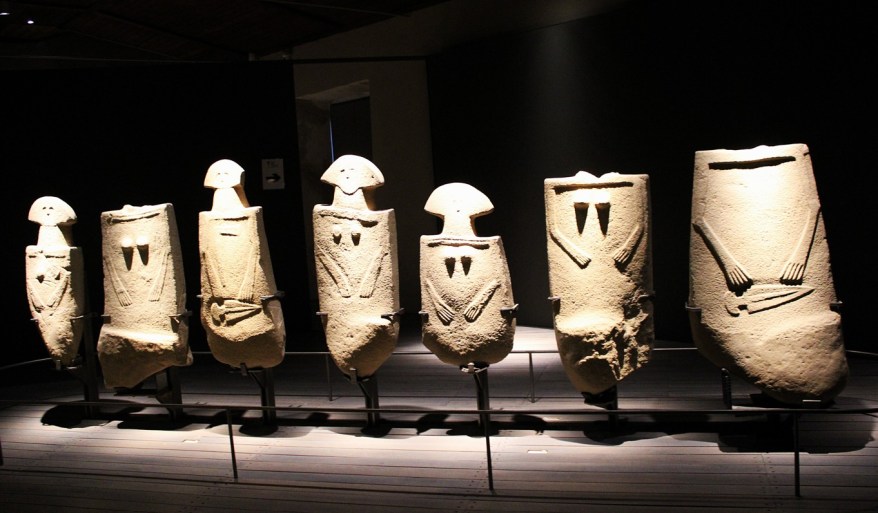
I musei meno conosciuti della Toscana che meritano una visita: 10 province, 10 luoghi da scoprire
🇮🇹Dalle statue stele della Lunigiana alle antiche botteghe artigiane, passando per case-museo, collezioni insolite e testimonianze della vita quotidiana: ecco dieci musei da visitare in Toscana, uno per ogni provincia, per scoprire un patrimonio artistico e culturale che va ben oltre le mete più famose… 🇬🇧From the stele statues of Lunigiana to ancient artisan workshops—not…
-
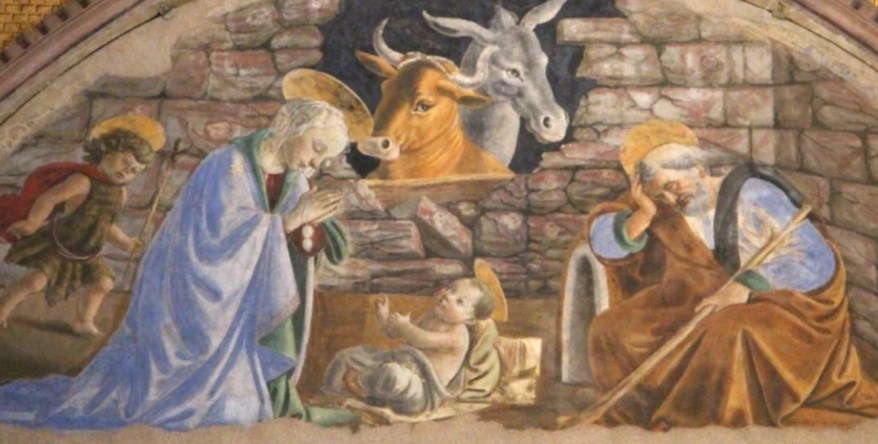
Perché il bue e l’asino sono accanto a Gesù Bambino? La storia dietro una tradizione secolare
🇮🇹Perché il bue e l’asinello sono accanto a Gesù Bambino nel presepe? Scopri le origini bibliche, il significato simbolico e la storia nell’arte… 🇬🇧Why are the ox and the donkey beside Baby Jesus in the nativity scene? Discover their biblical origins, symbolic meaning, and history in art…
Condividi:


Questo sono io




sostienici

Sostienici – Support Us
Se questo blog ti piace e ti appassiona, puoi aiutarci a farlo crescere sempre più sostenendoci in modo concreto condividendo i post, seguendo le pagine social e con un contributo che ci aiuta ad andare avanti con il nostro lavoro di divulgazione. . ENGLISH: If you like and are passionate about this blog, you can help us make it grow more and more by supporting us in a concrete way by sharing posts, following social pages and with a contribution that helps us to move forward with our dissemination work.
€10,00


