
Studi per gli ignudi della Sistina
Il foglio che vi propongo oggi appartiene al Cleveland Museum of Art e riguarda da vicino la volta della Cappella Sistina.
Tracciai quegli studi probabilmente fra il 1510 e il 1511, per definire i dettagli degli ignudi che avrei poi affrescato nella seconda parte della volta, quando ripresi a lavorare dopo il fermo di un anno e ver mostrato il lavoro fino a quel punto condotto per volere di papa Giulio II.

Gli ignudi non hanno solamente uno scopo decorativo ma anche funzionale. Sorreggono le ghirlande di foglie di rovere a ricordare la casata di appartenenza del pontefice committente, Giulio II della Rovere, e al contempo tengono i nastri ai quali sono direttamente collegati per mezzo di cinque fenditure i medaglioni bronzei istoriati.
Si potrebbe leggere in queste figure atletiche anche una sorta di personificazione delle anime che dinnanzi a Dio sono spoglie di qualsiasi difesa. Insomma, gli ignudi visti come l’essere inermi dinnanzi alla potenza divina.

«Questa opera è stata et è veramente la lucerna dell’arte nostra, che ha fatto tanto giovamento e lume all’arte della pittura, che ha bastato a illuminare il mondo, per tante centinaia d’anni in tenebre stato.»
Giorgio Vasari
Per il momento il vostro Michelangelo Buonarroti vi saluta dandovi appuntamento ai prossimi post e sui social.
Studies for the ignudi of the Sistine Chapel
The sheet that I propose today belongs to the Cleveland Museum of Art and closely concerns the vault of the Sistine Chapel.
I traced those studies probably between 1510 and 1511, to define the details of the naked that I would then fresco in the second part of the vault, when I resumed work after a one-year stop and the work carried out up to that point was shown. Pope Julius II.
The nudes have not only a decorative but also a functional purpose. They support the wreaths of oak leaves to remember the house of belonging of the commissioning pope, Giulio II della Rovere, and at the same time they hold the ribbons to which the decorated bronze medallions are directly connected by means of five slits.
One could also read in these athletic figures a sort of personification of the souls that before God are deprived of any defense. In short, the naked seen as being helpless in the face of divine power.
For the moment, your Michelangelo Buonarroti greets you by giving you an appointment at the next posts and on social networks.

Sostienici – Support Us
Se questo blog ti piace e ti appassiona, puoi aiutarci a farlo crescere sempre più sostenendoci in modo concreto condividendo i post, seguendo le pagine social e con un contributo che ci aiuta ad andare avanti con il nostro lavoro di divulgazione. . ENGLISH: If you like and are passionate about this blog, you can help us make it grow more and more by supporting us in a concrete way by sharing posts, following social pages and with a contribution that helps us to move forward with our dissemination work.
5,00 €
ULTIMI ARTICOLI
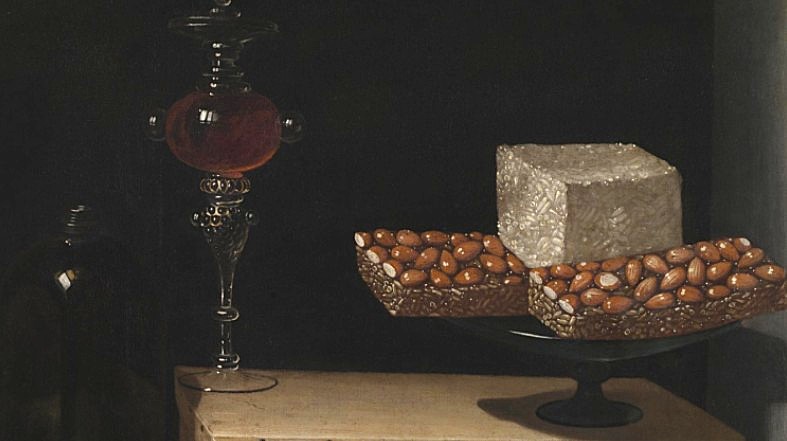
I dolci delle feste nei dipinti antichi: panettoni, torte, frutta candita e pasticcini raccontano la storia del Natale
🇮🇹Come erano i dolci delle feste nel passato? Torte, torrone, mandorle e frutta candita nei dipinti antichi tra Cinquecento e Seicento… 🇬🇧What were holiday sweets like in the past? Cakes, nougat, almonds, and candied fruit as seen in paintings from the 16th and 17th centuries…
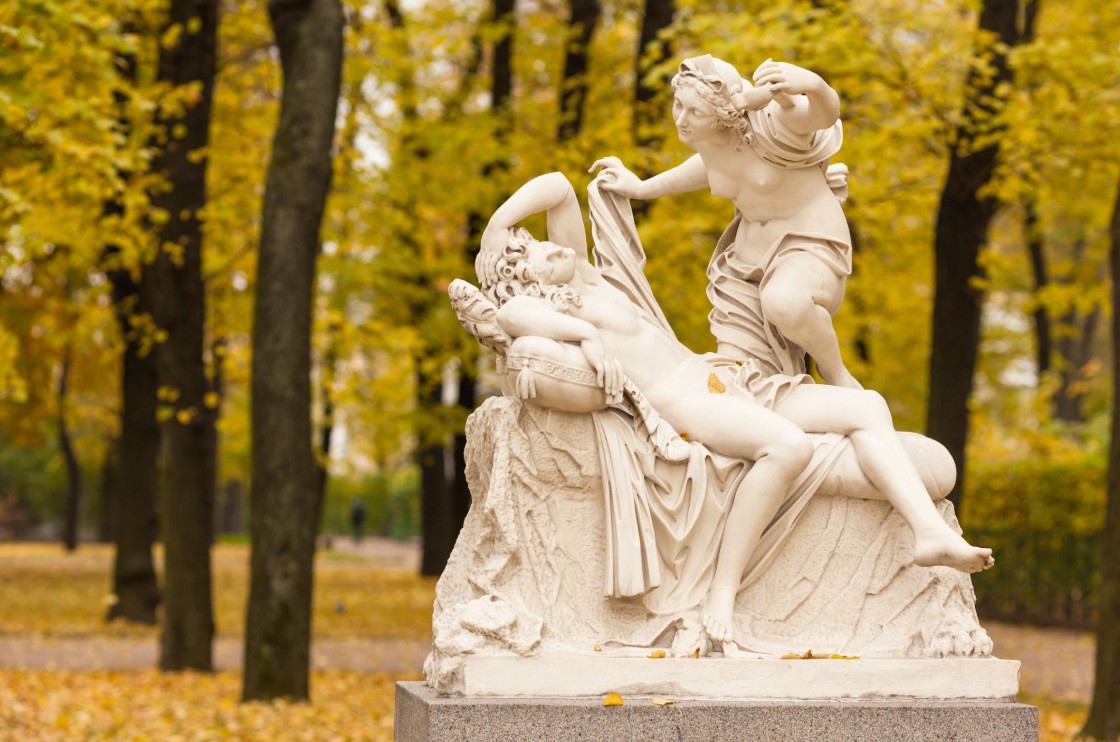
Giulio Cartari, l’allievo di Bernini che contribuì a dare forma al Barocco romano
🇮🇹Chi era Giulio Cartari? Il geniale scultore rimasto nell’ombra di Bernini… 🇬🇧Who was Giulio Cartari? The brilliant sculptor who remained in Bernini’s shadow…
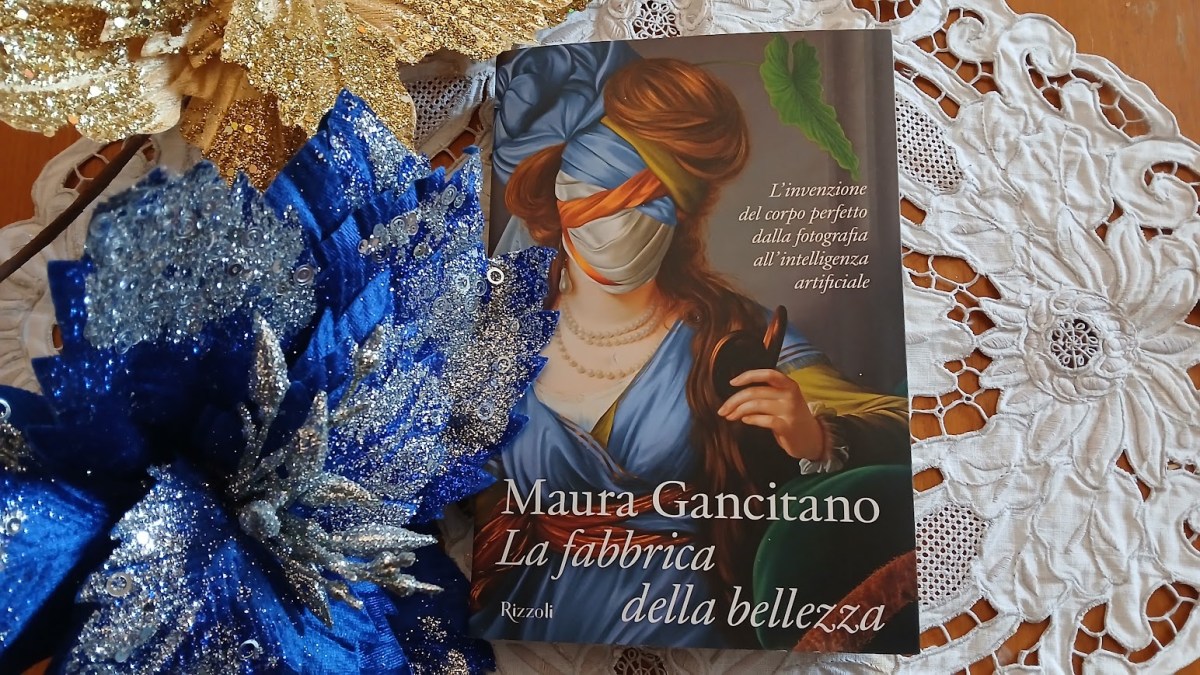
La bellezza perfetta non esiste: chi ha deciso come deve essere il nostro corpo?
La bellezza perfetta non esiste: il libro di Maura Gancitano che svela come siamo diventati prigionieri della nostra immagine
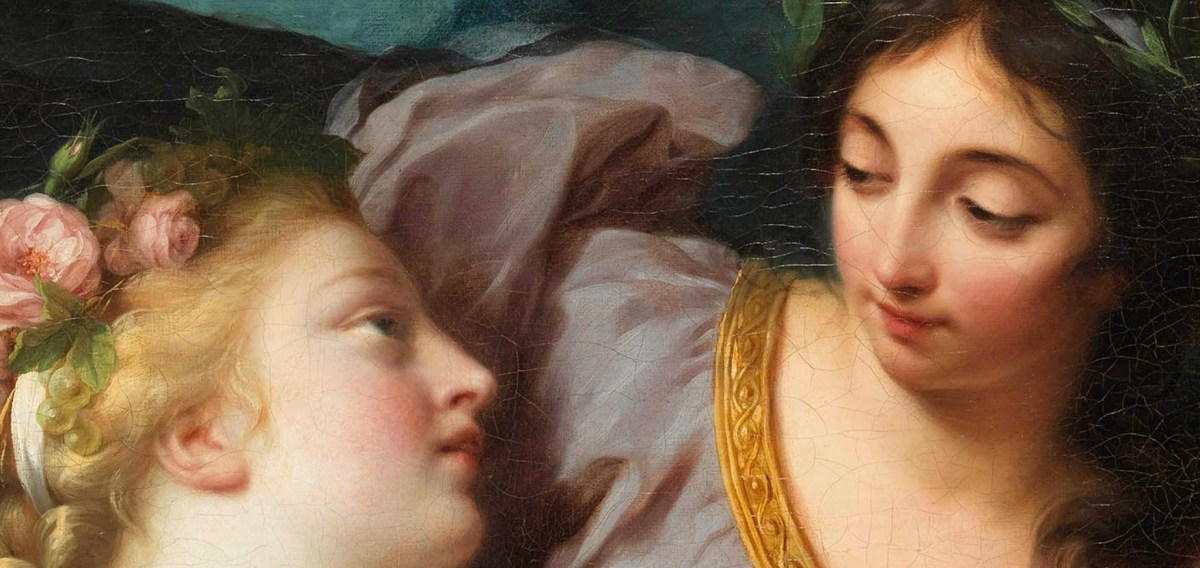
Angelica Kauffmann e Vigée Le Brun: le pittrici che conquistarono l’Europa in mostra a Napoli
🇮🇹Angelica Kauffmann e Élisabeth Vigée Le Brun protagoniste a Napoli: una grande mostra alle Gallerie d’Italia racconta le due pittrici che sfidarono il Settecento… 🇬🇧Angelica Kauffmann and Élisabeth Vigée Le Brun take center stage in Naples: a major exhibition at the Gallerie d’Italia explores the lives of these two female painters who defied the 18th-century…
Si è verificato un problema. Aggiorna la pagina e/o riprova in seguito.
Condividi:


Questo sono io





sostienici

Sostienici – Support Us
Se questo blog ti piace e ti appassiona, puoi aiutarci a farlo crescere sempre più sostenendoci in modo concreto condividendo i post, seguendo le pagine social e con un contributo che ci aiuta ad andare avanti con il nostro lavoro di divulgazione. . ENGLISH: If you like and are passionate about this blog, you can help us make it grow more and more by supporting us in a concrete way by sharing posts, following social pages and with a contribution that helps us to move forward with our dissemination work.
€10,00


