

La Fontana dei Libri a Roma
Roma è la città delle chiese e delle fontane. Ce ne sono decine ovunque delle une e delle altre. Chiese e fontane in ogni piazza, piazzetta, a ogni angolo di strada e pure dove mai vi aspettereste di vedersi spalancare le porte di una basilica o di veder sgorgare le acque da fantasiosi zampilli.
Fra le fontane più curiose che si possono trovare in città c’è sicuramente la Fontana dei Libri. Si trova in Via degli Staderari. Chi erano gli staderari? Quelli che realizzavano bilance e stadere cioè bilance di origine etrusca il cui funzionamento si basa sul principio della leva.
Ex Via dell’Università
Questa strada in precedenza si chiamava però Via dell’Università, già che nelle vicinanze c’è la Sapienza. Quella degli Staderari era la via parallela ma fu rimossa per rendere più spazioso Palazzo Madama: ecco che così il nome della via degli Universitari fu mutato in Via degli Staderari.
Chi ha realizzato la fontana?
Questa fontana in travertino è assai recente. E’ infatti un progetto di Pietro Lombardi del 1927 e fa parte delle fontane che vennero commissionate dal Comune di Roma per mettere in città fontane che ricordassero i simboli degli antichi mestieri o quelli dei rioni oramai scomparsi.
La realizzazione di tutte le nove fontane venne messa nelle mani dello stesso architetto che si occupò di progettare, oltre alla Fontana dei Libri, la Fontana delle Anfore, la Fontana delle Tiare, la Fontana delle Arti, la Fontana della Pigna, la Fontana dei Monti, la Fontana delle Palle di Cannone, la Fontana del Timone e la Fontana della Botte.

Le caratteristiche della Fontana dei Libri
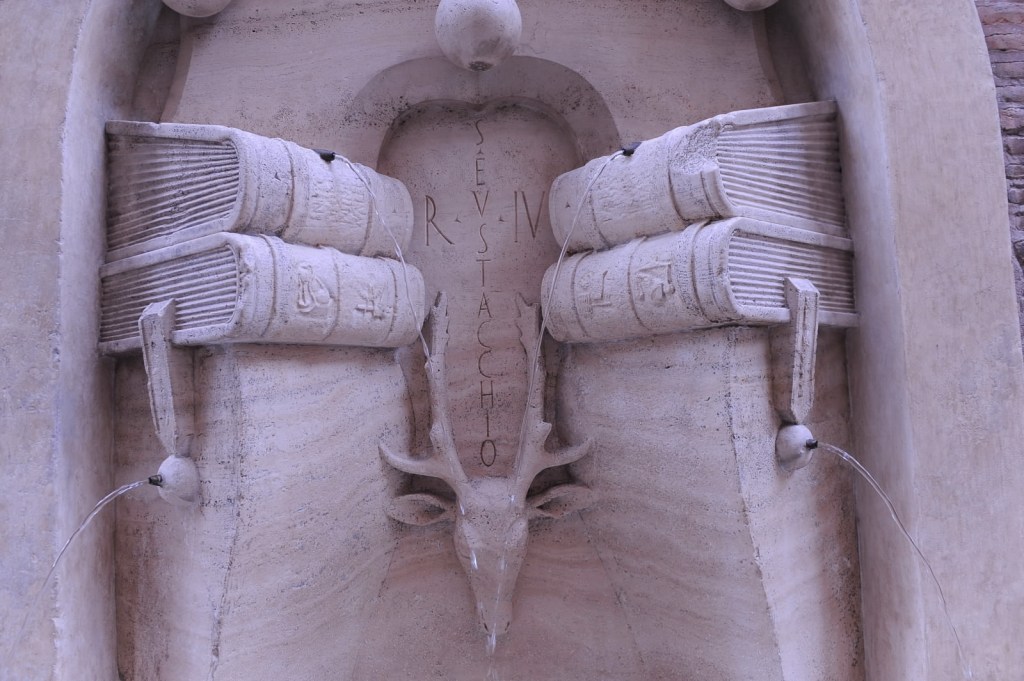
La fontana, incastonata in una nicchia, è caratterizzata dalla presenza di quattro libro voluminosi antichi. due posti a destra e due a sinistra. Al centro compare la testa di un cervo. Cosa c’entra questo animale? Ebbene, non è altro che il simbolo del Rione di Sant’Eustachio.
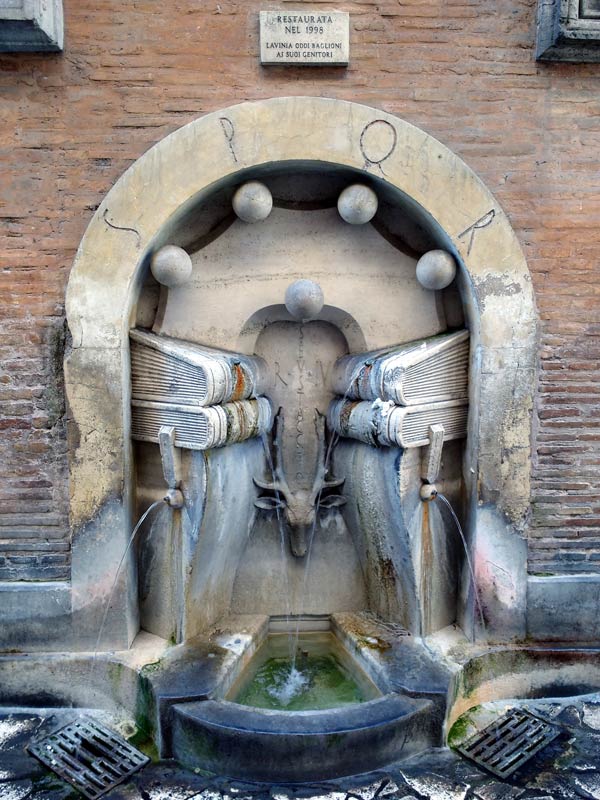
La scelta dei libri per la fontana fu un chiaro omaggio alla vicina università della Sapienza. L’acqua fuoriesce da i due segnalibri e ricade nella piccola vasca.
Il sempre vostro Michelangelo Buonarroti con i suoi racconti
The Fountain of Books in Rome
Rome is the city of churches and fountains. There are dozens of them everywhere. Churches and fountains in every square, small square, at every street corner and even where you would never expect to see the doors of a basilica open wide or to see the waters gush out from imaginative jets.
Among the most curious fountains that can be found in the city there is certainly the Fountain of Books. It is located in Via degli Staderari. Who were the scales? Those who made scales and steelyards that is scales of Etruscan origin whose operation is based on the principle of the lever.
Former University Street
However, this road was previously called Via dell’University, since Sapienza is nearby. That of the Staderari was the parallel street but it was removed to make Palazzo Madama more spacious: so the name of the Via degli Universitari was changed to Via degli Staderari.
Rome is the city of churches and fountains. There are dozens of them everywhere. Churches and fountains in every square, small square, at every street corner and even where you would never expect to see the doors of a basilica open wide or to see the waters gush out from imaginative jets.
Among the most curious fountains that can be found in the city there is certainly the Fountain of Books. It is located in Via degli Staderari. Who were the scales? Those who made scales and steelyards that is scales of Etruscan origin whose operation is based on the principle of the lever.
Former University Street
However, this road was previously called Via dell’University, since Sapienza is nearby. That of the Staderari was the parallel street but it was removed to make Palazzo Madama more spacious: so the name of the Via degli Universitari was changed to Via degli Staderari.
The characteristics of the Fountain of the Books
The fountain, set in a niche, is characterized by the presence of four voluminous ancient books. two places on the right and two on the left. In the center appears the head of a deer. What does this animal have to do with it? Well, it is nothing more than the symbol of the Sant’Eustachio district.
The choice of books for the fountain was a clear homage to the nearby Sapienza University. The water comes out of the two bookmarks and falls back into the small tub.
Always yours Michelangelo Buonarroti with his stories

Sostienici – Support Us
Se questo blog ti piace e ti appassiona, puoi aiutarci a farlo crescere sempre più sostenendoci in modo concreto condividendo i post, seguendo le pagine social e con un contributo che ci aiuta ad andare avanti con il nostro lavoro di divulgazione. . ENGLISH: If you like and are passionate about this blog, you can help us make it grow more and more by supporting us in a concrete way by sharing posts, following social pages and with a contribution that helps us to move forward with our dissemination work.
5,00 €
ULTIMI ARTICOLI
La Lavanda dei Piedi di Tintoretto: Il Capolavoro Veneziano al Prado
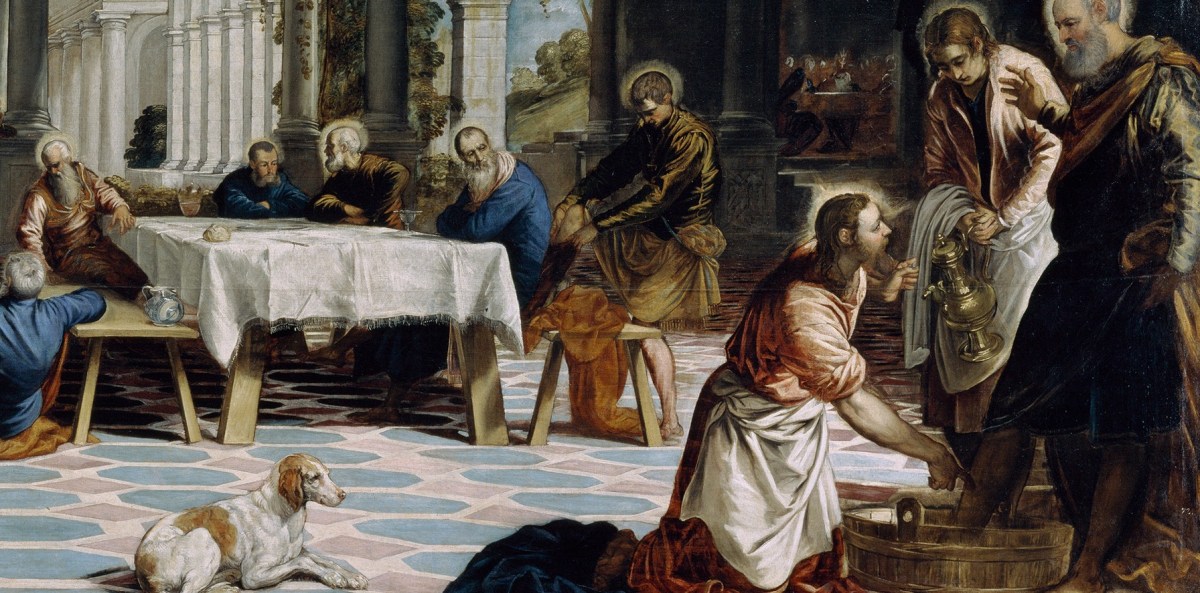
🇮🇹Tra i capolavori più affascinanti del Rinascimento veneziano, “La Lavanda dei Piedi” di Jacopo Tintoretto rappresenta un perfetto equilibrio tra spiritualità, innovazione compositiva e straordinaria forza narrativa… 🇬🇧Among the most fascinating masterpieces of the Venetian Renaissance, Jacopo Tintoretto’s “The Washing of the Feet” represents a perfect balance between spirituality, compositional innovation, and extraordinary narrative force…
Il Sacrificio di Isacco e quel momento tra la vita e la morte
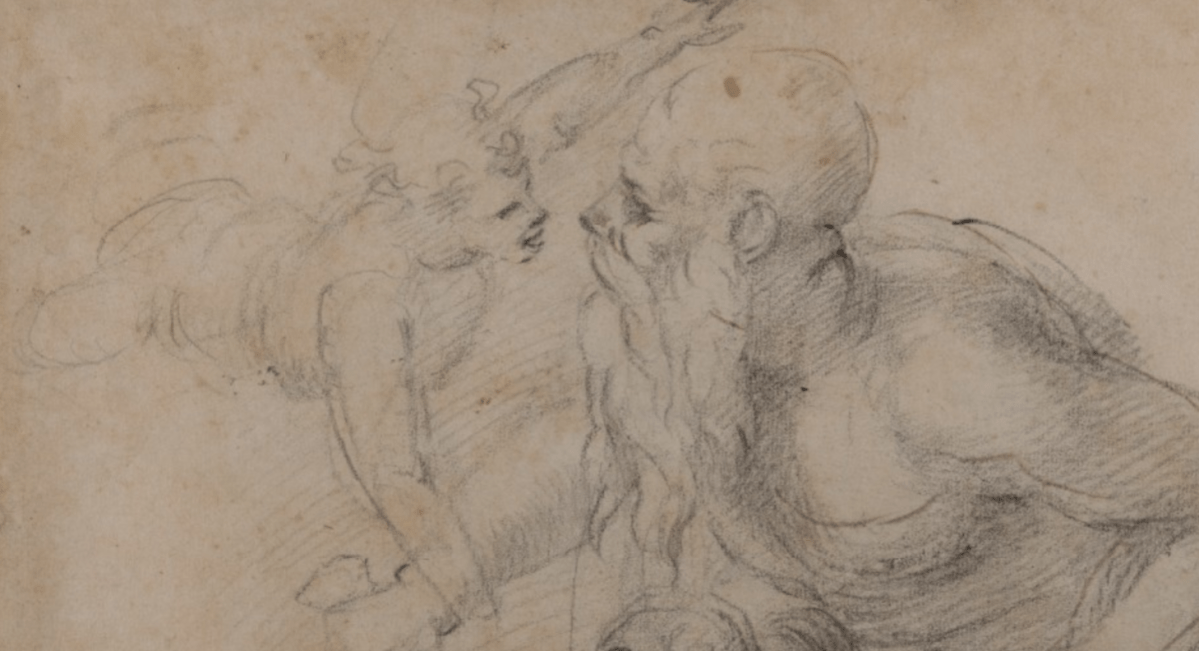
🇮🇹Oggi voglio raccontarvi alcuni dettagli sul mio disegno del Sacrificio di Isacco, conservato oggi a Casa Buonarroti. Su quel foglio volli tracciare il momento preciso in cui la paura fa spazio al miracolo… 🇬🇧Today I want to tell you some details about my drawing of the Sacrifice of Isaac, now preserved at Casa Buonarroti. On…
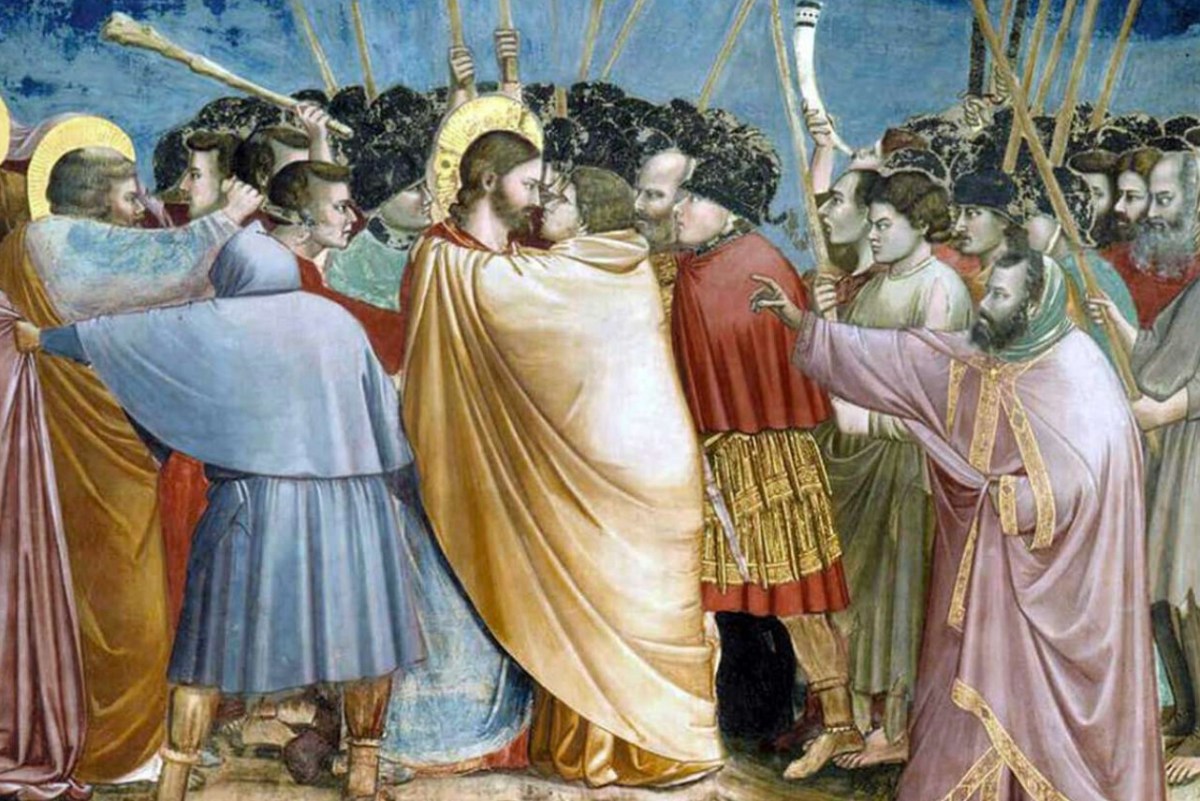
Mercoledì Santo: il giorno del tradimento di Giuda affrescato da Giotto
🇮🇹Il Mercoledì Santo è il giorno del silenzio, della riflessione e del tradimento. È il momento in cui Giuda sceglie di vendere Gesù per trenta denari, segnando uno dei passaggi più dolorosi della Settimana Santa…. 🇬🇧Holy Wednesday is a day of silence, reflection, and betrayal. ✝It is the moment when Judas chooses to sell Jesus…
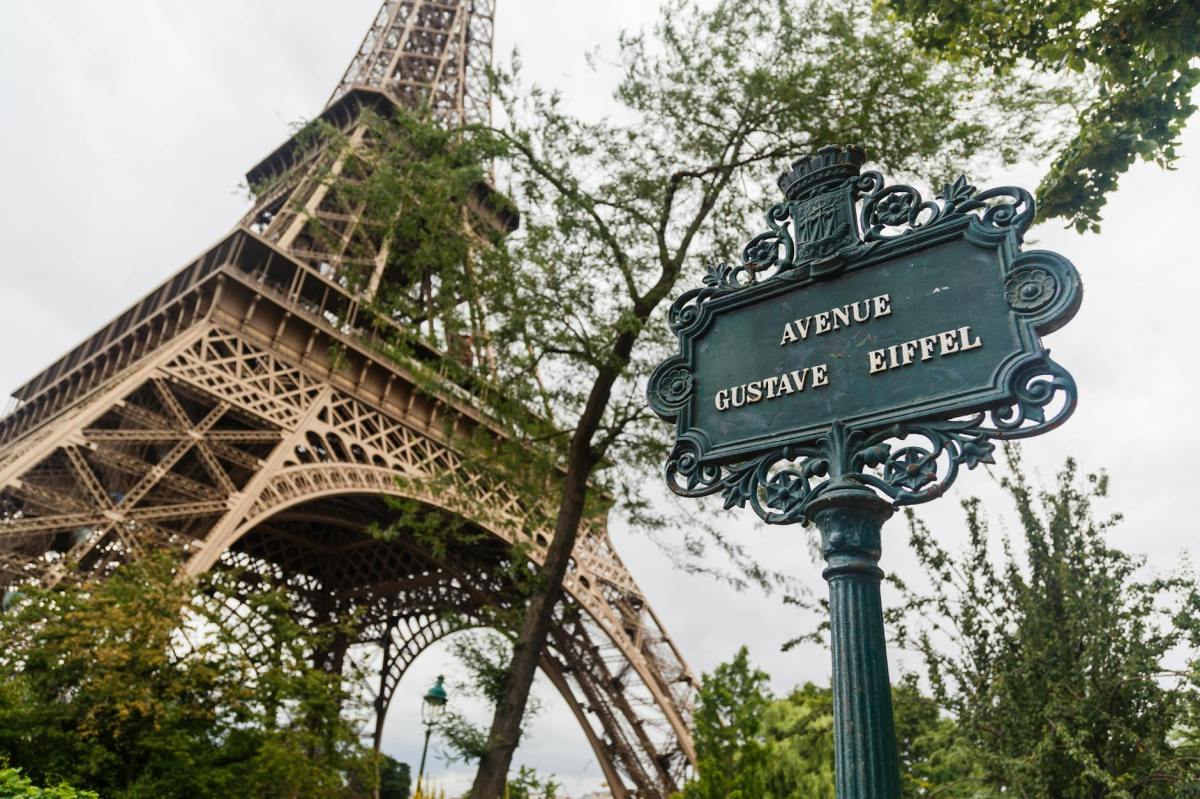
31 marzo 1889: inaugurata la Torre Eiffel tra critiche feroci e un destino inaspettato
🇮🇹Il 31 marzo 1889 segna una data destinata a cambiare per sempre il volto di Parigi e dell’immaginario collettivo globale: viene inaugurata la Torre Eiffel, l’opera più audace e discussa del suo tempo… 🇬🇧March 31, 1889 marks a date destined to change the face of Paris and the global collective imagination forever: the Eiffel Tower,…
Si è verificato un problema. Aggiorna la pagina e/o riprova in seguito.
Condividi:


Questo sono io





sostienici

Sostienici – Support Us
Se questo blog ti piace e ti appassiona, puoi aiutarci a farlo crescere sempre più sostenendoci in modo concreto condividendo i post, seguendo le pagine social e con un contributo che ci aiuta ad andare avanti con il nostro lavoro di divulgazione. . ENGLISH: If you like and are passionate about this blog, you can help us make it grow more and more by supporting us in a concrete way by sharing posts, following social pages and with a contribution that helps us to move forward with our dissemination work.
€10,00


Wow che meraviglia cosa mi sono persa!!!! Io quando sono andata a Roma il secondo giorno sono collassata vicino al Pantheon, così non ho visitato più nulla 😣😣😣
"Mi piace"Piace a 1 persona
Roma non si finisce mai di scoprire…ogni angolo una meraviglia: Le auguro di poter tornare presto :-*
"Mi piace"Piace a 1 persona
Lo spero anche io 😊😊😊
"Mi piace""Mi piace"
L’ha ripubblicato su Il blog di Mauro Vetriani.
"Mi piace""Mi piace"