
Il Titulus Crucis del Crocifisso di Santo Spirito
Avete mai fatto caso al Titulus Crucis che si trova sopra il capo del giovane Cristo di Santo Spirito? Ebbene, quell’iscrizione lì è ancora l’originale mia ed è assai singolare. Riporta la frase Gesù Nazareno, Re dei Giudei in tre lingue differenti: ebraico, greco e latino.
Non solo: la scritta in greco e in latino è riportata al contrario di come si fa di solito ovvero da destra verso sinistra. La frase in ebraico invece riporta un errore ovvero mi-yehudium invece che ha-yehudium.

Perché scelsi di scrivere quella frase in tre lingue invece che il classico dei classici INRI?
Da non molto tempo a Roma era stata rinvenuta la cosiddetta reliquia del Titulus Crucis durante un intervento di restauro presso la chiesa di Santa Croce. Si pensò subito che fosse quello originale che la madre di Costantino aveva fatto arrivare nella Città Eterna con le tre frasi in differenti lingue scritte. La reliquia, trovata il primo giorno di febbraio del 1492, fu inviata a Lorenzo de Medici.
Sicuramente vidi quel reperto e me ne ricordai quando mi misi al lavoro per il Crocifisso di Santo Spirito. Il sempre vostro Michelangelo Buonarroti e i suoi racconti

The Titulus Crucis of the Holy Spirit Crucifix
Have you ever noticed the Titulus Crucis found above the head of the young Christ of the Holy Spirit? Well, that inscription there is still my original and is very unique. The sentence Jesus Nazareno, King of the Jews in three different languages: Hebrew, Greek and Latin, bears the phrase.
Not only: the inscription in Greek and in Latin is reported as opposed to how it is usually done from right to left. The Hebrew phrase instead reports an error or mi-yehudium instead of ha-yehudium.

Why did I choose to write that sentence in three languages instead of the classic INRI classic? Not so long ago in Rome the so-called relic of the Titulus Crucis was found during a restoration at the church of Santa Croce. It was immediately thought that it was the original one that Constantine’s mother had sent to the Eternal City with the three sentences in different written languages. The relic, found on the first day of February 1492, was sent to Lorenzo de Medici.
Surely I saw that artifact and remembered it when I set to work for the Crucifix of Santo Spirito. Your always Michelangelo Buonarroti and his stories
Sostienici – Support Us
Se questo blog ti piace e ti appassiona, puoi aiutarci a farlo crescere sempre più sostenendoci in modo concreto condividendo i post, seguendo le pagine social e con un contributo che ci aiuta ad andare avanti con il nostro lavoro di divulgazione. . ENGLISH: If you like and are passionate about this blog, you can help us make it grow more and more by supporting us in a concrete way by sharing posts, following social pages and with a contribution that helps us to move forward with our dissemination work.
5,00 €
ULTIMI ARTICOLI
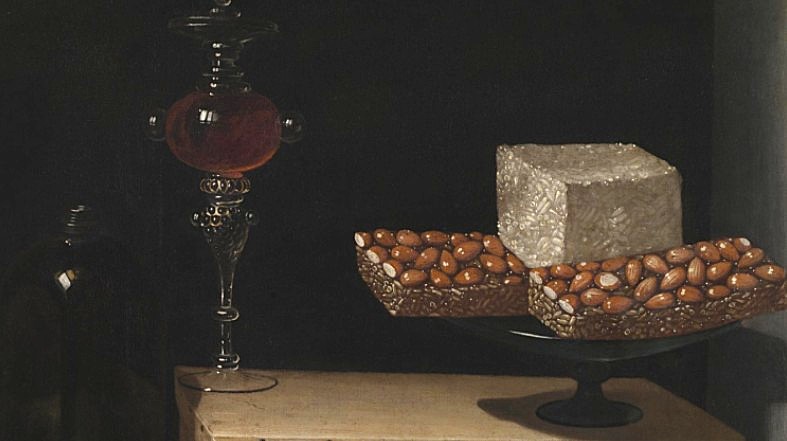
I dolci delle feste nei dipinti antichi: panettoni, torte, frutta candita e pasticcini raccontano la storia del Natale
🇮🇹Come erano i dolci delle feste nel passato? Torte, torrone, mandorle e frutta candita nei dipinti antichi tra Cinquecento e Seicento… 🇬🇧What were holiday sweets like in the past? Cakes, nougat, almonds, and candied fruit as seen in paintings from the 16th and 17th centuries…
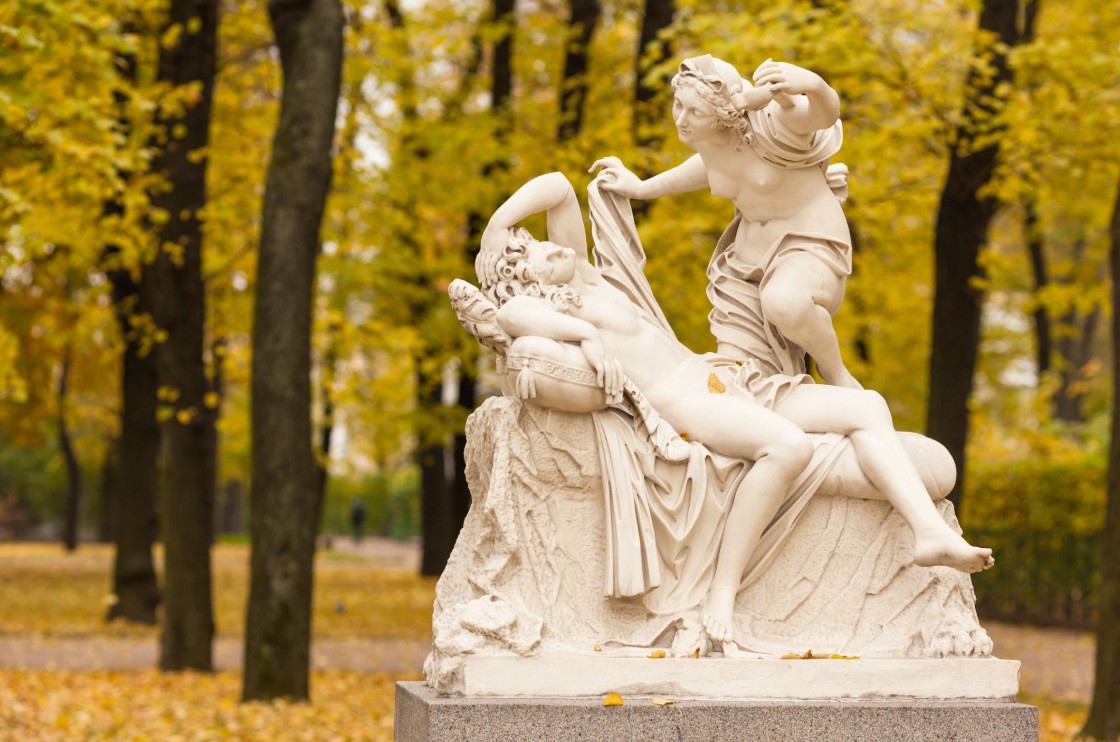
Giulio Cartari, l’allievo di Bernini che contribuì a dare forma al Barocco romano
🇮🇹Chi era Giulio Cartari? Il geniale scultore rimasto nell’ombra di Bernini… 🇬🇧Who was Giulio Cartari? The brilliant sculptor who remained in Bernini’s shadow…
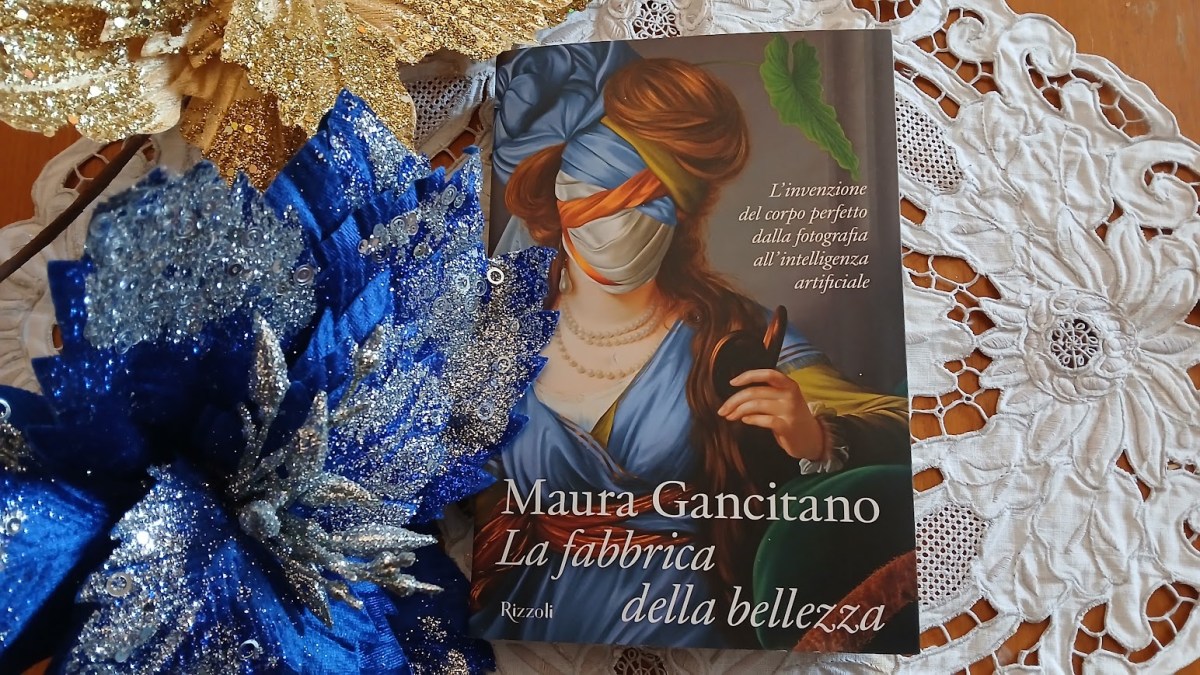
La bellezza perfetta non esiste: chi ha deciso come deve essere il nostro corpo?
La bellezza perfetta non esiste: il libro di Maura Gancitano che svela come siamo diventati prigionieri della nostra immagine
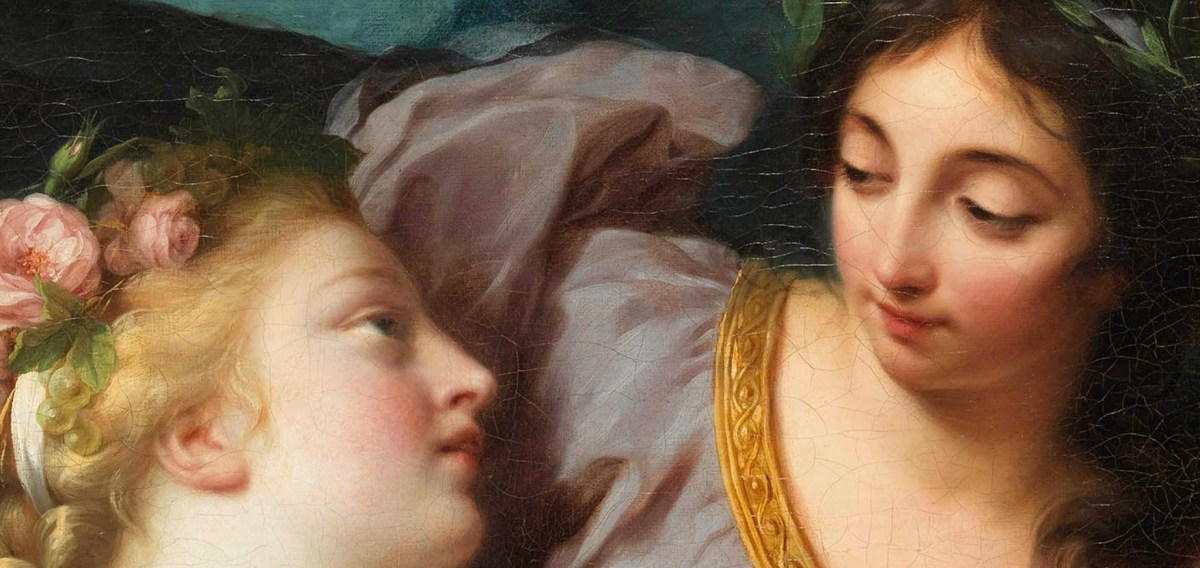
Angelica Kauffmann e Vigée Le Brun: le pittrici che conquistarono l’Europa in mostra a Napoli
🇮🇹Angelica Kauffmann e Élisabeth Vigée Le Brun protagoniste a Napoli: una grande mostra alle Gallerie d’Italia racconta le due pittrici che sfidarono il Settecento… 🇬🇧Angelica Kauffmann and Élisabeth Vigée Le Brun take center stage in Naples: a major exhibition at the Gallerie d’Italia explores the lives of these two female painters who defied the 18th-century…
Si è verificato un problema. Aggiorna la pagina e/o riprova in seguito.
Condividi:


Questo sono io



sostienici

Sostienici – Support Us
Se questo blog ti piace e ti appassiona, puoi aiutarci a farlo crescere sempre più sostenendoci in modo concreto condividendo i post, seguendo le pagine social e con un contributo che ci aiuta ad andare avanti con il nostro lavoro di divulgazione. . ENGLISH: If you like and are passionate about this blog, you can help us make it grow more and more by supporting us in a concrete way by sharing posts, following social pages and with a contribution that helps us to move forward with our dissemination work.
€10,00


