
Non dipinsi mai sdraiato
Fra le tante cose non veritiere che si dicono sul mio conto ce n’è una assai ricorrente che riguarda il modo in cui affrescai la volta della Cappella Sistina. Non dipinsi mai da sdraiato. Non lo feci perché non avevo motivo di permanere in quella posizione così scomoda che rende praticamente impossibile la produzione di qualcosa di bello.
Sapete, per raggiungere anche gli spazi meno accessibili della volta, m’ero progettato un bel ponteggio in legno, assai meno articolato di quello che m’avrebbe voluto far usare il Bramante….ma lui forse sperava m’impiccassi scivolando fra tutto quel suo cordame.

L’impalcatura pensile a gradoni era sostenuta da sei coppie di capriate, sostenuta da travi infilate direttamente nei fori delle pareti presenti nei pressi delle finestre.
In questo modo potevo non solo scendere e salire assai agilmente ma anche affrescare in piedi o accovacciato a seconda dell’occorrenza.

Forse a rendere diffusa questa convinzione ha contribuito non poco il film Il tormento e l’estasi in cui Charton Heston viene inquadrato sdraiato sui ponteggi: solo una trovata scenica di grande effetto che però non rispecchia la realtà. Non avevo affatto bisogno di stare sdraiato in quel modo perché con i miei ponteggi riuscivo a raggiungere anche i luoghi meno spaziosi in posizioni senza dubbio meno disagiate.
Certo è che in piedi e con il capo rivolto verso l’alto mi ci ritrovavo spesso. Dipingendo così per molto tempo di seguito perdevo un po’ il senso dell’orientamento e i capogiri erano all’ordine del giorno.
Il sempre vostro Michelangelo Buonarroti e i suoi racconti quotidiani.
I never painted lying down
Among the many untruthful things that are said about me there is a very recurrent one concerning the way I frescoed the vault of the Sistine Chapel. I never painted lying down. I didn’t do it because I had no reason to remain in that uncomfortable position that makes the production of something beautiful practically impossible.
You know, to add even the least accessible spaces of the vault, I had designed a beautiful wooden scaffolding, much less articulated than what Bramante would have liked to use … but perhaps he hoped I could hang myself, slipping between all his rope .
The stepped hanging scaffolding was supported by six pairs of trusses, supported by beams strung directly into the holes in the walls near the windows. In this way I could not only go down and climb very easily but also to paint standing or crouching according to the occasion.
Perhaps the film The torment and the ecstasy in which Charton Heston is framed lying on the scaffolding contributed to making this belief widespread: only a dramatic effect found but which does not reflect reality. I did not need to lie in that way at all because with my scaffolding I could reach even the least spacious places in positions that were undoubtedly less disadvantaged. What is certain is that I stood there often with my head upwards. Thus painting for a long time in succession I lost a little sense of direction and dizziness were the order of the day.
Your always Michelangelo Buonarroti and his daily stories.

Sostienici – Support Us
Se questo blog ti piace e ti appassiona, puoi aiutarci a farlo crescere sempre più sostenendoci in modo concreto condividendo i post, seguendo le pagine social e con un contributo che ci aiuta ad andare avanti con il nostro lavoro di divulgazione. . ENGLISH: If you like and are passionate about this blog, you can help us make it grow more and more by supporting us in a concrete way by sharing posts, following social pages and with a contribution that helps us to move forward with our dissemination work.
5,00 €
-
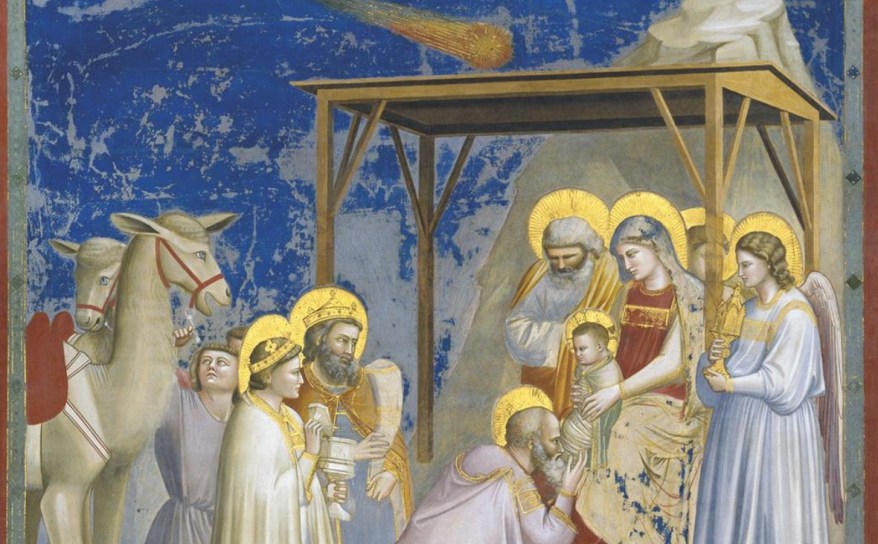
La stella di Betlemme nei dipinti: com’era rappresentata la luce che guidò i Magi
🇮🇹Come veniva rappresentata la stella di Betlemme nei dipinti? Da Giotto ai grandi maestri del Rinascimento, scopri il significato della luce che guidò i Re Magi verso Gesù Bambino… 🇬🇧How was the Star of Bethlehem depicted in paintings? From Giotto to the great masters of the Renaissance, discover the meaning of the light that guided…
-
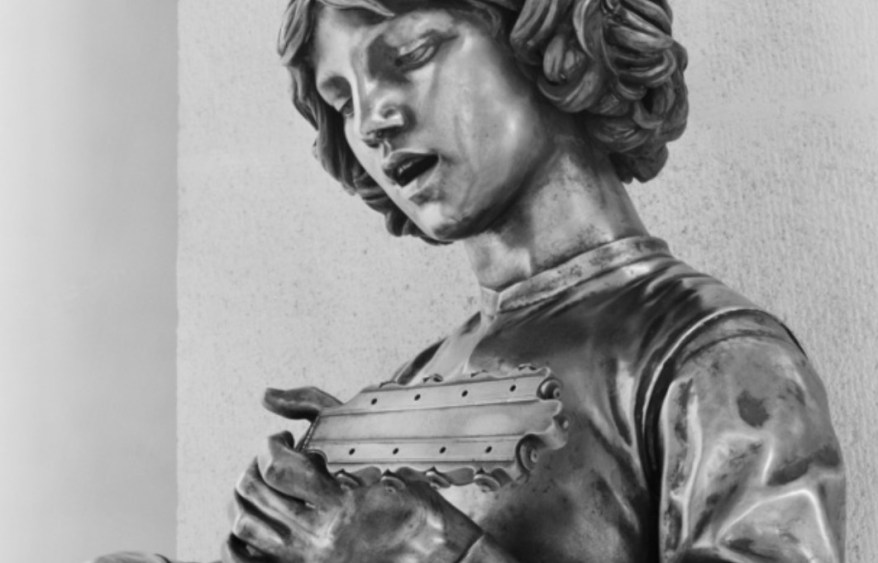
Paul Dubois e il Cantore fiorentino: la scultura in bronzo argentato del 1865 che conquistò il pubblico
🇮🇹Paul Dubois, il Cantore fiorentino del Quattrocento: la raffinata scultura in bronzo argentato del 1865 che conquistò Parigi con dettagli straordinari… 🇬🇧Paul Dubois, the 15th-century Florentine singer: an exquisite silvered bronze sculpture from 1865 that captivated Paris with its extraordinary detail…
-

11 novembre 1789: nasceva Pietro Tenerani, lo scultore di Carrara che conquistò Roma
🇮🇹 L’11 novembre 1789 nasceva Pietro Tenerani, lo scultore di Carrara che conquistò Roma. Cresciuto fra i marmi delle Apuane, diventò allievo prediletto di Bertel Thorvaldsen e uno dei protagonisti della scultura italiana dell’Ottocento… 🇬🇧On November 11, 1789, Pietro Tenerani was born—the sculptor from Carrara who conquered Rome. Having grown up among the marbles of…
Condividi:


Questo sono io





sostienici

Sostienici – Support Us
Se questo blog ti piace e ti appassiona, puoi aiutarci a farlo crescere sempre più sostenendoci in modo concreto condividendo i post, seguendo le pagine social e con un contributo che ci aiuta ad andare avanti con il nostro lavoro di divulgazione. . ENGLISH: If you like and are passionate about this blog, you can help us make it grow more and more by supporting us in a concrete way by sharing posts, following social pages and with a contribution that helps us to move forward with our dissemination work.
€10,00


E meno male, infatti me lo sono sempre chiesto come mai non sei restato accecato dal colore che poteva caderti negli occhi…
"Mi piace"Piace a 1 persona