
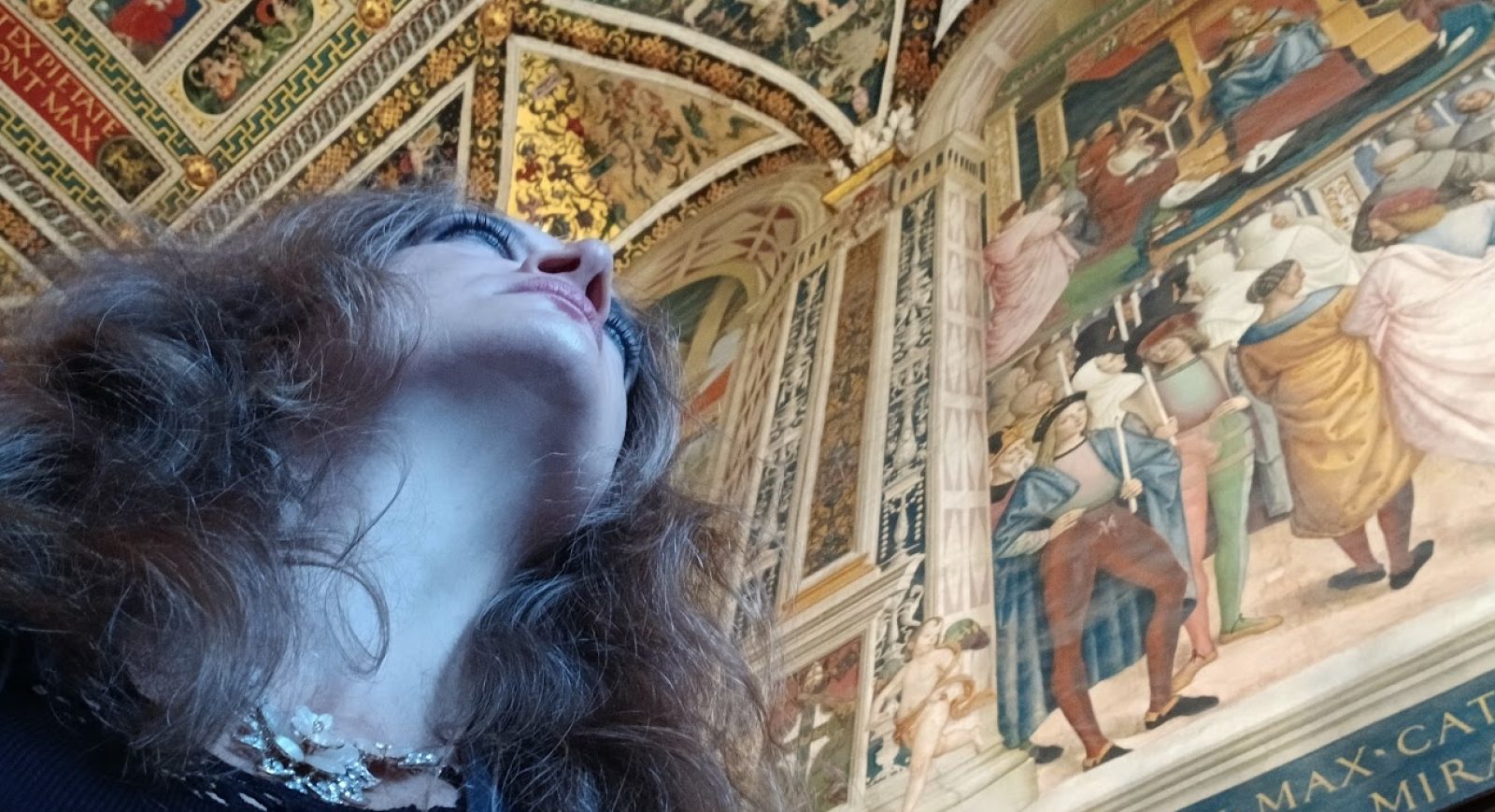
L’Opificio delle Pietre Dure
Oggi vi voglio raccontare qualcosa sull’Opificio delle Pietre Dure di Firenze: un istituto fondamentale per il restauro delle opere d’arte.
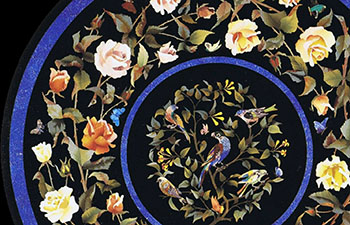
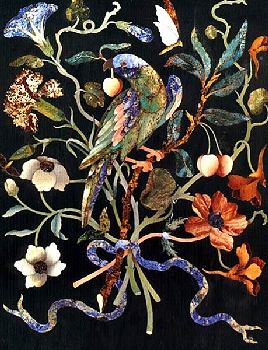
L’Opificio delle Pietre dure venne creato per volere granduca Ferdinando I de’ Medici nel 1588. All’origine della sua storia era una vera e propria manifattura del commesso fiorentino, una tecnica usata ancora oggi per realizzare manufatti particolarmente pregiati con pietre semi preziose.

Ferdinando I aveva la necessità di portare a termine la grandiosa Cappella dei Principi appartenente al complesso di San Lorenzo. Lo scopo primario dell’Opificio era infatti quello di creare le maestranze necessarie per realizzare prima e mantenere poi la grandiosa cappella degli ultimi esponenti della famiglia Medici.
Con il passare dei secoli, l’Opificio ha acquisito nuove funzioni. Infatti alla fine del Diciannovesimo secolo la dinastia medicea si estinse e assieme a lei finì la grande richiesta di arredi realizzati con il commesso fiorentino. Così dall’attività di manifattura si passò a quella di restauro delle opere fino a quel momento realizzate dall’Opificio stesso. Successivamente vennero aggiunti anche altri laboratori di restauro relativi alle opere d’arte in materiale lapideo e ai mosaici.
Attualmente l’istituto è diviso in differenti sezioni, tante quante sono i materiali con i quali sono realizzate le opere d’arte da restaurare. Inoltre comprende una biblioteca specializzata nel settore del restauro, una scuola di alta formazione e un interessante spazio museale.
Il museo è stato allestito nella sede storica dell’Opificio delle Pietre dure ovvero al numero 78 di via degli Alfani. Se vi capita di andare a Firenze, non perdete l’occasione di visitarlo: potrete vedere da vicino gli strumenti adoperati per l’intarsio, il campionario delle pietre dure che venivano adoperate in epoca medicea e un gran quantitativo di opere realizzate con particolare tecnica del commesso fiorentino.
Il sempre vostro Michelangelo Buonarroti e i suoi quasi quotidiani racconti
The Workshop of semi-precious stones, with video
Today I want to tell you something about the Opificio delle Pietre Dure in Florence: a fundamental institution for the restoration of works of art.
The Opificio delle Pietre dure was created by order of Grand Duke Ferdinando I de ‘Medici in 1588. The origin of its history was a true manufacture of the Florentine salesman, a technique still used today to make particularly valuable artifacts with semi-precious stones.
Ferdinando I needed to complete the grandiose Cappella dei Principi belonging to the San Lorenzo complex. The primary purpose of the Opificio was in fact to create the workers needed to build first and then maintain the grandiose chapel of the last exponents of the Medici family.
Over the centuries the Opificio has acquired new functions. In fact, at the end of the nineteenth century the Medici dynasty became extinct and with it ended the great demand for furnishings made with the Florentine salesman. Thus, from the manufacturing activity to the restoration of the works carried out up until then by the Opificio itself. Later, other restoration laboratories related to the works of art in stone and mosaics were also added.
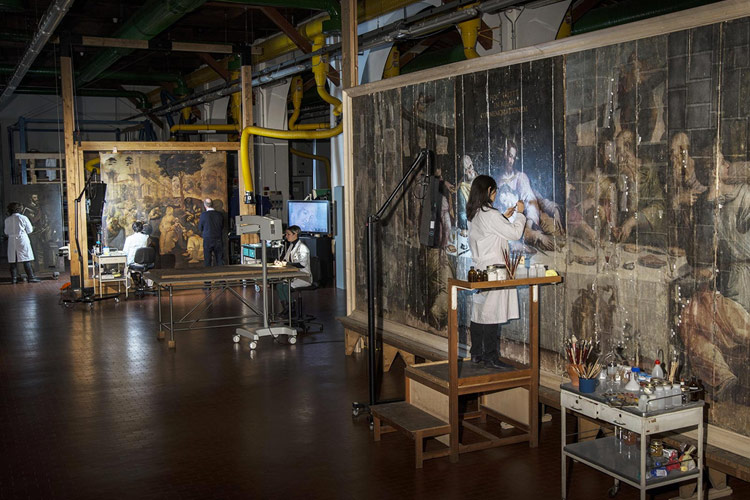
Currently the institute is divided into different sections, as many as the materials with which the works of art to be restored are made. It also includes a library specialized in the field of restoration, a high school and an interesting museum space.
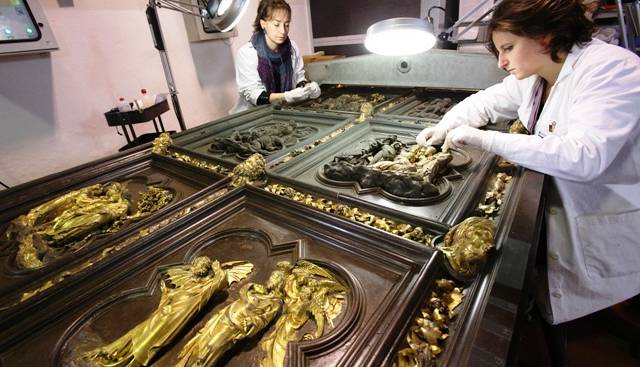
The museum was set up in the historic headquarters of the Opificio delle Pietre dure, or 78 in via degli Alfani. If you happen to go to Florence, do not miss the opportunity to visit it: you can see up close the tools used for the inlay, the sample of hard stones that were used in the Medici era and a large quantity of works made with particular technique of Florentine salesman.
Your always Michelangelo Buonarroti and his almost daily stories


Sostienici – Support Us
Se questo blog ti piace e ti appassiona, puoi aiutarci a farlo crescere sempre più sostenendoci in modo concreto condividendo i post, seguendo le pagine social e con un contributo che ci aiuta ad andare avanti con il nostro lavoro di divulgazione. . ENGLISH: If you like and are passionate about this blog, you can help us make it grow more and more by supporting us in a concrete way by sharing posts, following social pages and with a contribution that helps us to move forward with our dissemination work.
5,00 €
-
Festival La Versiliana 2026: tra musica, teatro e grandi narrazioni
Dal 17 luglio al 23 agosto 2026, la pineta di Marina di Pietrasanta ospiterà la 47ª edizione del Festival La Versiliana. Una kermesse aperta a tutti nella quale linguaggi diversi dialogano tra loro in un equilibrio tra tradizione e contemporaneità.
-
Giovedì Santo: l’Ultima Cena di Allori che pochi conoscono a Firenze
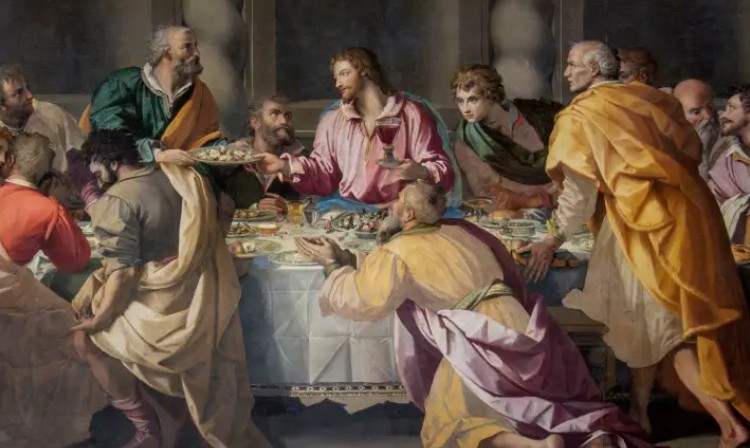
🇮🇹Nel cuore di Museo di Santa Maria Novella, a Firenze, si conserva una delle interpretazioni più affascinanti e meno note dell’Ultima Cena: quella realizzata da Alessandro Allori nel 1584… 🇬🇧In the heart of the Santa Maria Novella Museum in Florence, one of the most fascinating and least-known interpretations of the Last Supper is preserved: the…
-
Cenacolo di Leonardo: i dettagli che raccontano il tradimento
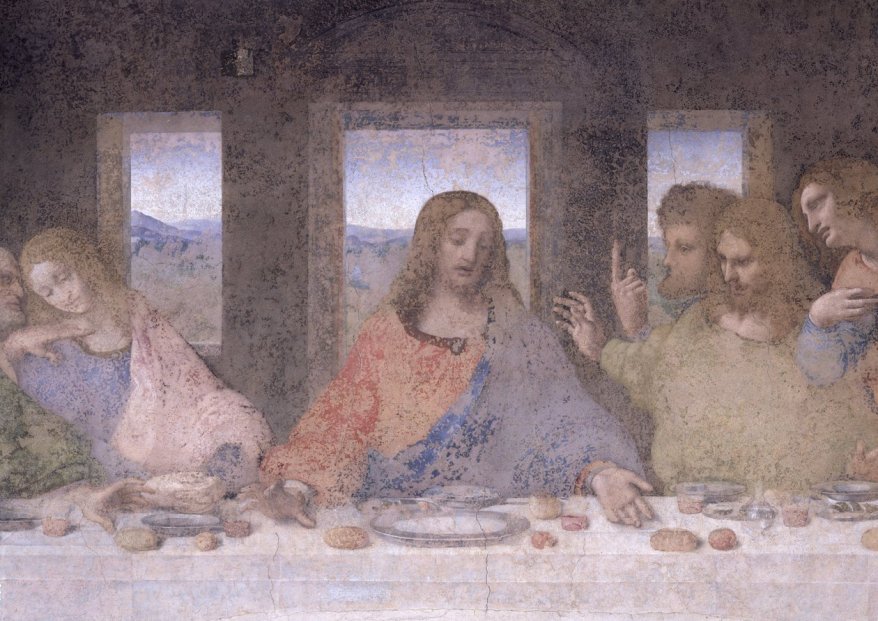
🇮🇹Nel Cenacolo di Leonardo da Vinci, custodito a Santa Maria delle Grazie, Cristo annuncia il tradimento e il tempo si ferma… 🇬🇧In Leonardo da Vinci’s Last Supper, housed in Santa Maria delle Grazie, Christ announces the betrayal and time stands still…
Condividi:


Questo sono io





sostienici

Sostienici – Support Us
Se questo blog ti piace e ti appassiona, puoi aiutarci a farlo crescere sempre più sostenendoci in modo concreto condividendo i post, seguendo le pagine social e con un contributo che ci aiuta ad andare avanti con il nostro lavoro di divulgazione. . ENGLISH: If you like and are passionate about this blog, you can help us make it grow more and more by supporting us in a concrete way by sharing posts, following social pages and with a contribution that helps us to move forward with our dissemination work.
€10,00


1 commento »