

“Potremmo prestare i marmi del Partenone”: il British Museum apre alla Grecia
I marmi del Partenone potrebbero tornare, almeno temporaneamente, ad Atene?
Dopo anni di contrapposizione, dalle stanze del British Museum arrivano parole che sembrano segnare un possibile cambio di tono nel lungo contenzioso con la Grecia.
Il presidente del museo britannico, George Osborne, ha infatti parlato della possibilità di raggiungere un accordo con Atene per valorizzare le celebri sculture che un tempo decoravano il Partenone.
Non si tratta ancora di una restituzione e, soprattutto, non esiste al momento alcun accordo concreto. Rispetto però alle posizioni mantenute dal British Museum negli ultimi anni, le dichiarazioni di Osborne rappresentano un’apertura significativa.
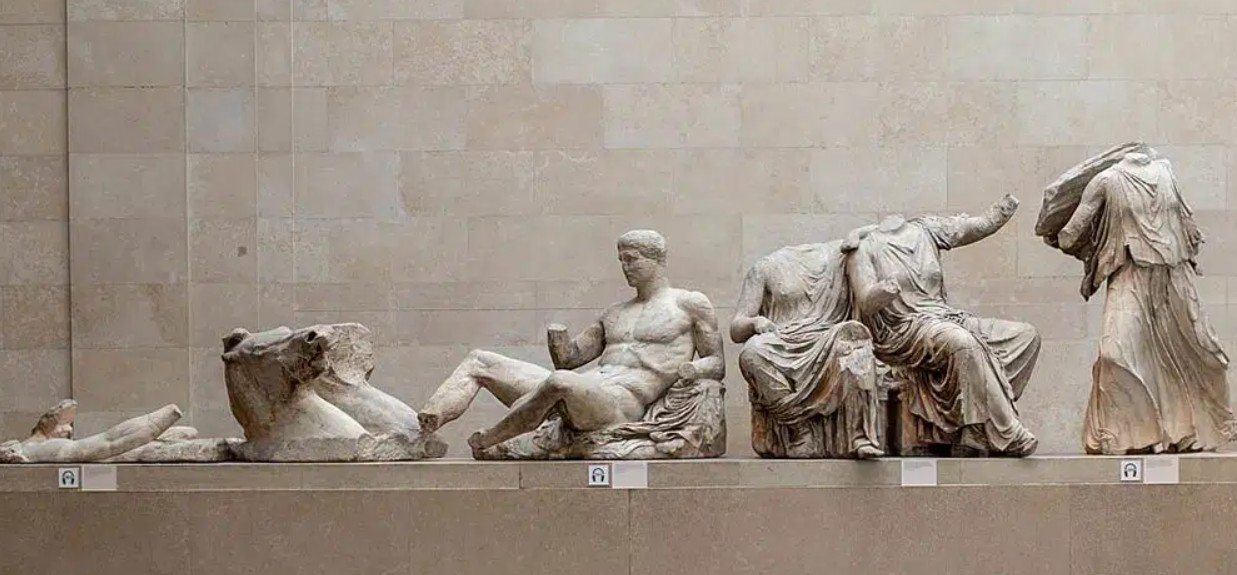
Marmi del Partenone, il British Museum cambia tono
A parlare è stato George Osborne, presidente del British Museum, durante un’intervista all’emittente radiofonica LBC. Le sue parole lasciano intravedere la possibilità di una soluzione condivisa, purché entrambe le parti siano disposte a superare le rispettive rigidità.
Secondo Osborne, sarebbe necessario arrivare a un accordo capace di raccontare entrambe le storie, quella di Londra e quella di Atene, evitando precondizioni e “linee rosse” invalicabili.
Il punto centrale, dunque, non sarebbe soltanto stabilire chi abbia ragione sul piano storico o giuridico, ma trovare una formula che permetta di rendere le sculture nuovamente accessibili anche al pubblico greco.
Alla domanda se questo potrebbe significare trasferire alcuni dei marmi in Grecia, almeno temporaneamente, Osborne avrebbe indicato questa strada come possibile, precisando però di non poter decidere autonomamente al posto dei trustees del British Museum.
La decisione finale, infatti, non dipende esclusivamente dal presidente dell’istituzione londinese.
La nuova posizione del British Museum sui marmi greci
Ancora più interessante è la nota diffusa dal British Museum dopo le dichiarazioni di Osborne.
Il museo ha sottolineato di essere sempre disposto a valutare richieste di prestito relative agli oggetti presenti nelle proprie collezioni, insistendo sull’importanza di permettere a un pubblico internazionale di conoscere e comprendere le opere.
È un linguaggio decisamente diverso rispetto a quello utilizzato in passato.
Il British Museum sembra infatti voler spostare il confronto da una contrapposizione prevalentemente giuridica a un terreno diverso: quello della condivisione del patrimonio culturale.
E proprio qui si trova uno degli aspetti più delicati della vicenda. Per la Grecia, infatti, non si tratta semplicemente di ottenere in prestito alcune sculture, ma di riportare ad Atene una parte fondamentale della propria identità culturale.
Perché la Grecia vuole indietro i marmi del Partenone
I cosiddetti marmi di Elgin sono una parte delle decorazioni scultoree del Partenone e di altri edifici dell’Acropoli di Atene.
La loro storia è legata a Thomas Bruce, VII conte di Elgin, ambasciatore britannico presso l’Impero ottomano all’inizio dell’Ottocento. Elgin fece rimuovere una parte delle sculture dell’Acropoli, che successivamente furono trasferite in Gran Bretagna e acquistate dal British Museum.
Da allora, la loro presenza a Londra è diventata uno dei più celebri casi internazionali di disputa sulla provenienza e restituzione delle opere d’arte.
Per la Grecia, quelle sculture appartengono indissolubilmente al monumento e al luogo per cui furono concepite. Per il British Museum, invece, la loro presenza nella collezione londinese rappresenta da oltre due secoli una parte fondamentale del patrimonio dell’istituzione.
Il problema è quindi molto più complesso di un semplice trasferimento di opere.
Dal rifiuto del prestito alla possibile apertura
La novità assume ancora più importanza se confrontata con quanto accaduto negli anni passati.
Nel 2019, infatti, il British Museum aveva fatto sapere che un eventuale prestito alla Grecia sarebbe stato possibile soltanto nel caso in cui Atene avesse riconosciuto formalmente la proprietà britannica delle opere.
Una condizione che la Grecia non ha mai accettato.
Oggi, invece, il linguaggio appare più prudente e soprattutto meno conflittuale. Il museo parla di accesso del pubblico, condivisione delle collezioni e nuove opportunità per comprendere le opere in tutto il mondo.
Non significa che Londra abbia deciso di restituire i marmi.
Significa però che potrebbe essersi aperto uno spazio per una trattativa.
Il momento scelto non è casuale
La tempistica delle dichiarazioni di Osborne è particolarmente interessante. Pochi giorni prima, infatti, la Grecia aveva ricevuto dalla Sicilia il Frammento di Palermo, considerato l’unico frammento dei marmi del Partenone conservato in Italia.
La restituzione ha assunto un forte valore simbolico proprio perché si inserisce nella più ampia campagna greca per riunire ad Atene le parti superstiti della decorazione del Partenone.
A questo si aggiunge l’annuncio di un prossimo incontro formale tra Grecia e Regno Unito dedicato proprio alla questione dei marmi.
Gli ultimi avvenimenti sembrano dunque convergere verso una fase nuova.
I marmi del Partenone potrebbero tornare ad Atene?
La risposta, oggi, è ancora non lo sappiamo.
Non c’è una decisione del British Museum, non c’è un accordo firmato e non è stata annunciata una restituzione permanente.
Ma le dichiarazioni di George Osborne hanno un peso perché arrivano da uno dei vertici dell’istituzione che custodisce i marmi e perché sembrano allontanarsi dalla rigidità mostrata in passato.
La soluzione potrebbe eventualmente passare da un prestito temporaneo, da formule di collaborazione culturale o da un accordo più ampio capace di consentire alle sculture di essere ammirate sia a Londra sia ad Atene.
Per il momento il sempre vostro Michelangelo Buonarroti vi saluta dandovi appuntamento ai prossimi post e sui social.
“We could lend the Parthenon Marbles”: The British Museum opens its doors to Greece
Could the Parthenon Marbles return, at least temporarily, to Athens?
After years of conflict, words are coming from the British Museum that seem to signal a potential change of tone in the long-running dispute with Greece.
The British Museum’s president, George Osborne, has spoken of the possibility of reaching an agreement with Athens to promote the famous sculptures that once decorated the Parthenon.
This is not yet a restitution, and more importantly, no concrete agreement exists at the moment. However, compared to the positions maintained by the British Museum in recent years, Osborne’s statements represent a significant opening.
Parthenon Marbles: The British Museum changes its tone
The words were spoken by George Osborne, president of the British Museum, during an interview with LBC radio. His words suggest the possibility of a shared solution, provided both parties are willing to overcome their respective inflexibilities.
According to Osborne, it would be necessary to reach an agreement capable of telling both histories, that of London and that of Athens, avoiding preconditions and insurmountable “red lines.”
The key issue, therefore, would not only be to establish who is historically or legally right, but to find a formula that would allow the sculptures to be made accessible to the Greek public once again.
When asked if this might mean transferring some of the marbles to Greece, at least temporarily, Osborne indicated this as a possibility, specifying however that he cannot decide independently on behalf of the British Museum trustees.
The final decision, in fact, does not depend solely on the president of the London institution.
The British Museum’s new position on the Greek marbles
Even more interesting is the statement released by the British Museum following Osborne’s statements.
The museum emphasized that it is always willing to consider loan requests for objects in its collections, emphasizing the importance of allowing an international audience to experience and understand the works.
This language is decidedly different from that used in the past.
The British Museum appears to be shifting the debate from a primarily legal dispute to a different level: that of sharing cultural heritage.
And here lies one of the most delicate aspects of the matter. For Greece, it’s not simply a matter of borrowing some sculptures, but of bringing back to Athens a fundamental part of its cultural identity.
Why Greece Wants the Parthenon Marbles Back
The so-called Elgin Marbles are part of the sculptural decorations of the Parthenon and other buildings on the Acropolis of Athens.
Their history is tied to Thomas Bruce, 7th Earl of Elgin, British ambassador to the Ottoman Empire in the early 19th century. Elgin had some of the sculptures removed from the Acropolis, which were subsequently transferred to Great Britain and purchased by the British Museum.
Since then, their presence in London has become one of the most famous international disputes over the provenance and restitution of works of art.
For Greece, those sculptures belong inextricably to the monument and the place for which they were conceived. For the British Museum, however, their presence in the London collection has represented a fundamental part of the institution’s heritage for over two centuries.
The issue is therefore much more complex than a simple transfer of works.
From the refusal of the loan to the possible opening
This development takes on even greater significance when compared to what has happened in previous years.
In 2019, the British Museum announced that a loan to Greece would only be possible if Athens formally recognized British ownership of the works.
A condition Greece has never accepted.
Today, however, the language appears more cautious and, above all, less confrontational. The museum speaks of public access, sharing of collections, and new opportunities to understand the works worldwide.
It doesn’t mean that London has decided to return the marbles.
It does, however, mean that some room for negotiation may have opened up.
The timing is not coincidental
The timing of Osborne’s statements is particularly interesting. A few days earlier, Greece had received the Palermo Fragment from Sicily, considered the only fragment of the Parthenon Marbles preserved in Italy.
The restitution took on a strong symbolic value precisely because it was part of a broader Greek campaign to reunite the surviving parts of the Parthenon decoration in Athens.
Added to this is The announcement of an upcoming formal meeting between Greece and the United Kingdom specifically to address the marbles.
Recent events thus seem to be converging toward a new phase.
Could the Parthenon Marbles return to Athens?
The answer, today, is still “we don’t know.”
There is no decision from the British Museum, no signed agreement, and no permanent restitution has been announced.
But George Osborne’s statements carry weight because they come from one of the highest levels of the institution that holds the marbles and because they appear to move away from the rigidity displayed in the past.
The solution could eventually involve a temporary loan, cultural collaboration agreements, or a broader agreement that would allow the sculptures to be admired in both London and Athens.
For now, yours truly, Michelangelo Buonarroti bids farewell and invites you to join him in future posts and on social media.

Sostienici – Support Us
Se questo blog ti piace e ti appassiona, puoi aiutarci a farlo crescere sempre più sostenendoci in modo concreto condividendo i post, seguendo le pagine social e con un contributo che ci aiuta ad andare avanti con il nostro lavoro di divulgazione. . ENGLISH: If you like and are passionate about this blog, you can help us make it grow more and more by supporting us in a concrete way by sharing posts, following social pages and with a contribution that helps us to move forward with our dissemination work.
10,00 €
-
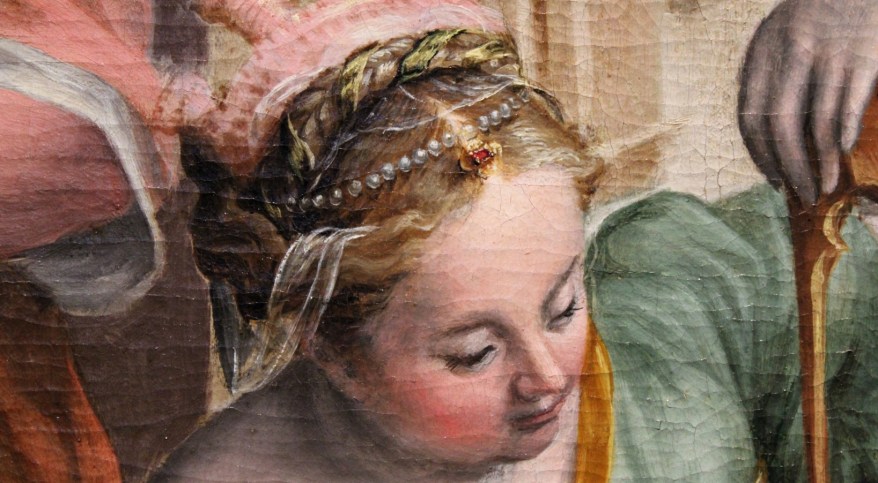
L’Allegoria della Geometria di Prospero Fontana: il dipinto attribuito per errore a Jacopo Coppi
🇮🇹L’Allegoria della Geometria, attribuita un tempo a Jacopo Coppi, è stata restituita a Prospero Fontana: storia, significato e segreti del dipinto… 🇬🇧The Allegory of Geometry, once attributed to Jacopo Coppi, has been reattributed to Prospero Fontana: the history, meaning, and secrets of the painting…
-
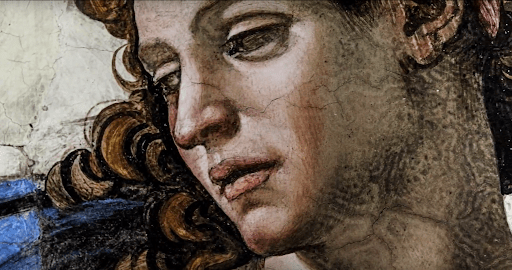
Il mio cuore prigioniero
🇮🇹Nei miei versi l’amore diventa tormento, prigionia e vita… 🇬🇧In my verses, love becomes torment, imprisonment, and life…
-
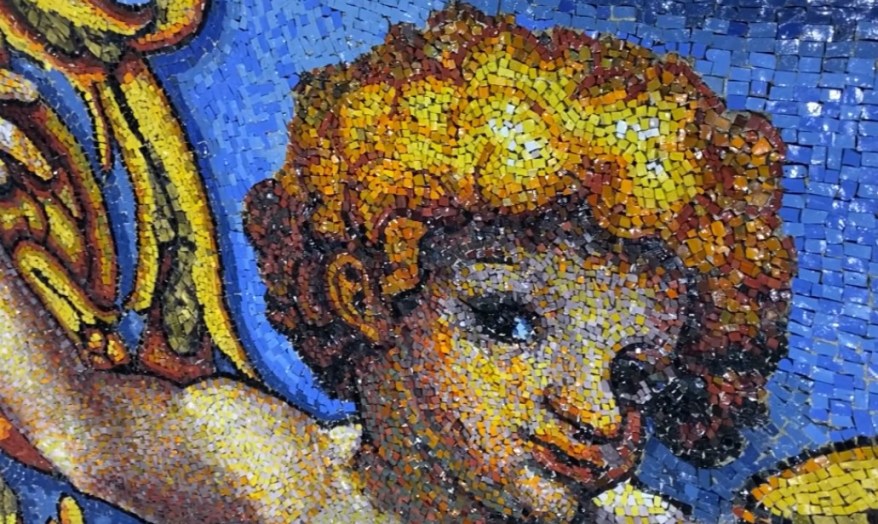
San Pietro: nella cupola ritrovate tessere minuscole e scritte nascoste da secoli
🇮🇹Tessere grandi pochi millimetri, volti forse realizzati in laboratorio e appunti lasciati dai restauratori di secoli fa: il restauro di una cupola poco conosciuta di San Pietro porta alla luce dettagli sorprendenti… 🇬🇧Tiles measuring just a few millimeters, faces perhaps created in a workshop, and notes left by restorers centuries ago: the restoration of a…
Condividi:


Questo sono io




sostienici

Sostienici – Support Us
Se questo blog ti piace e ti appassiona, puoi aiutarci a farlo crescere sempre più sostenendoci in modo concreto condividendo i post, seguendo le pagine social e con un contributo che ci aiuta ad andare avanti con il nostro lavoro di divulgazione. . ENGLISH: If you like and are passionate about this blog, you can help us make it grow more and more by supporting us in a concrete way by sharing posts, following social pages and with a contribution that helps us to move forward with our dissemination work.
€10,00


Ammetto che è una bella notizia. Il fatto che si possa riaprire il dialogo riguardo queste opere è sempre una buona cosa. Sono curioso di vedere come si evolverà la situazione.
"Mi piace"Piace a 1 persona
sono curioso anch’io su come proseguirà questa faccenda
"Mi piace"Piace a 1 persona