

6 aprile 1520: la morte di Raffaello Sanzio e la nascita di un mito immortale
Il 6 aprile 1520 è una delle date più simboliche della storia dell’arte: quel giorno Raffaello Sanzio morì a soli 37 anni, lasciando un vuoto immenso ma anche un’eredità destinata a diventare immortale. Una coincidenza rende tutto ancora più straordinario: nacque e morì nello stesso giorno, trasformando la sua esistenza in una parabola perfetta.
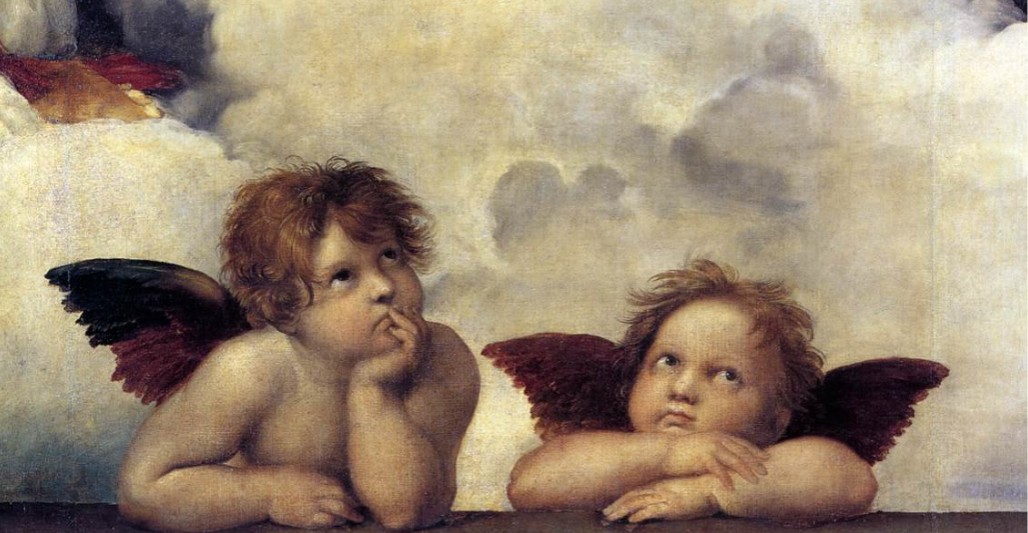
La sua scomparsa avvenne a Roma durante il Venerdì Santo, il giorno in cui si ricorda la crocifissione di Gesù Cristo. Questo evento contribuì a rafforzare l’idea, già diffusa tra i contemporanei, che Raffaello fosse un artista quasi divino, capace di trascendere la natura stessa con la sua arte.
Dalle Marche a Roma: l’ascesa di un talento straordinario
Nato a Urbino nel 1483, Raffaello crebbe in un ambiente colto e raffinato grazie al padre Giovanni Santi, pittore e uomo di corte. Fu proprio lui a introdurlo al mondo dell’arte, trasmettendogli i primi rudimenti della pittura e una sensibilità che avrebbe segnato tutta la sua carriera.
Dopo gli esordi, probabilmente legati alla cerchia di Pietro Perugino, Raffaello si trasferì a Firenze intorno al 1504. Qui entrò in contatto con i grandi protagonisti del Rinascimento come Leonardo da Vinci e Michelangelo Buonarroti, assimilando innovazioni fondamentali nel disegno, nella prospettiva e nell’espressione emotiva.
In questi anni nascono opere fondamentali come lo Sposalizio della Vergine e le celebri Madonne, tra cui la Madonna del Prato, esempi perfetti di equilibrio e armonia.
Roma e il successo sotto i papi
Il vero salto di qualità avvenne con il trasferimento a Roma nel 1508, chiamato da Giulio II. Qui Raffaello entrò nel cuore del potere artistico e religioso, ottenendo incarichi prestigiosi nei Palazzi Vaticani.
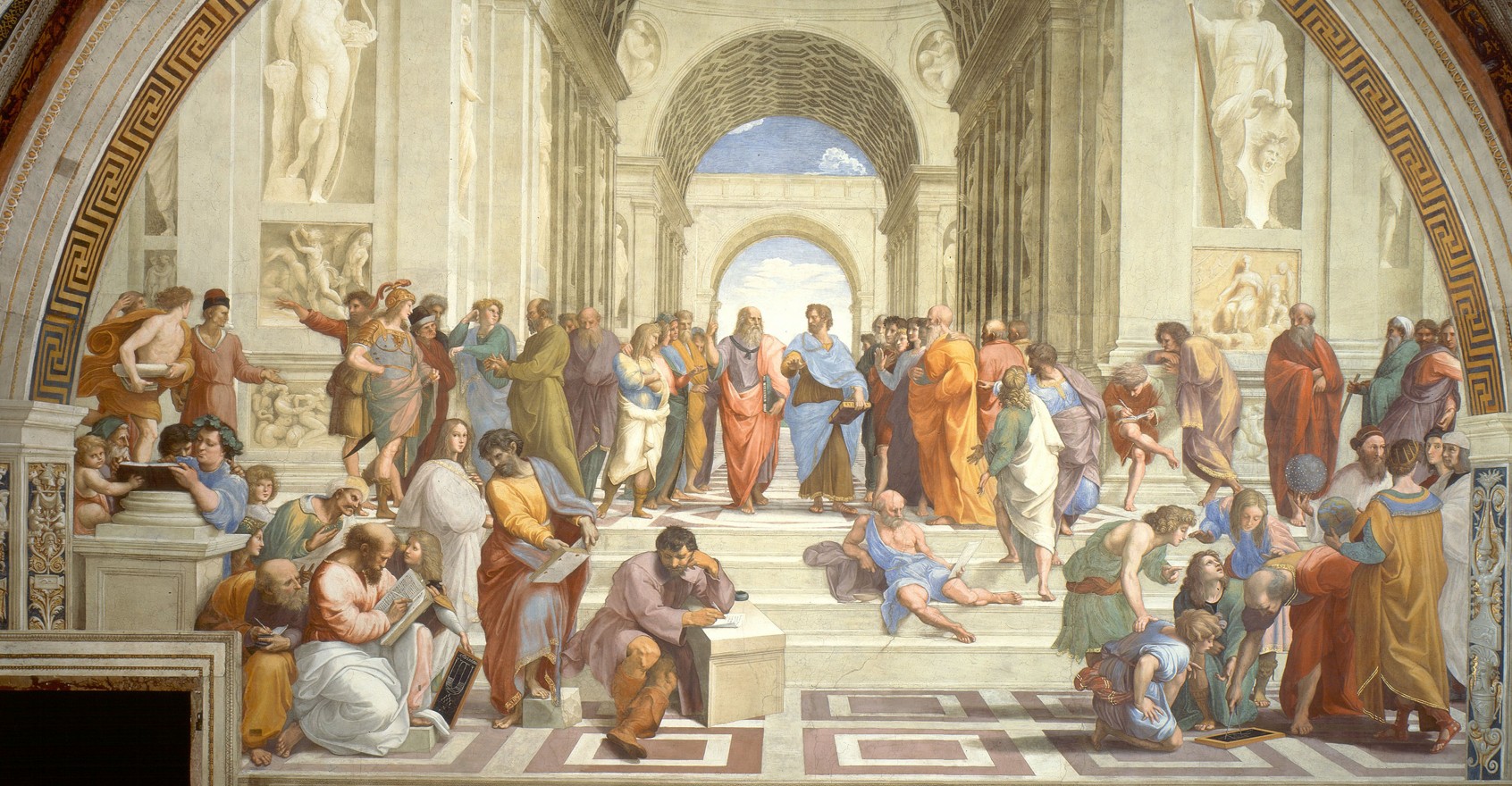
Le Stanze Vaticane rappresentano il vertice della sua carriera: nella Stanza della Segnatura realizzò la celebre Scuola di Atene, un manifesto del pensiero umanista che riunisce filosofi antichi e contemporanei in un perfetto equilibrio compositivo.
Nella Stanza di Eliodoro introdusse effetti di luce innovativi, come nella Liberazione di San Pietro, considerata uno dei primi grandi notturni della storia dell’arte.

Parallelamente lavorò ai cartoni per gli arazzi della Cappella Sistina e agli affreschi della Villa Farnesina, dimostrando una versatilità straordinaria tra pittura, decorazione e architettura.
Il 6 aprile 1520: tra storia e mito
La morte di Raffaello fu accompagnata da racconti quasi leggendari. Alcune fonti parlano di fenomeni straordinari avvenuti a Roma, come temporali improvvisi e crepe negli edifici, interpretati come segni cosmici.
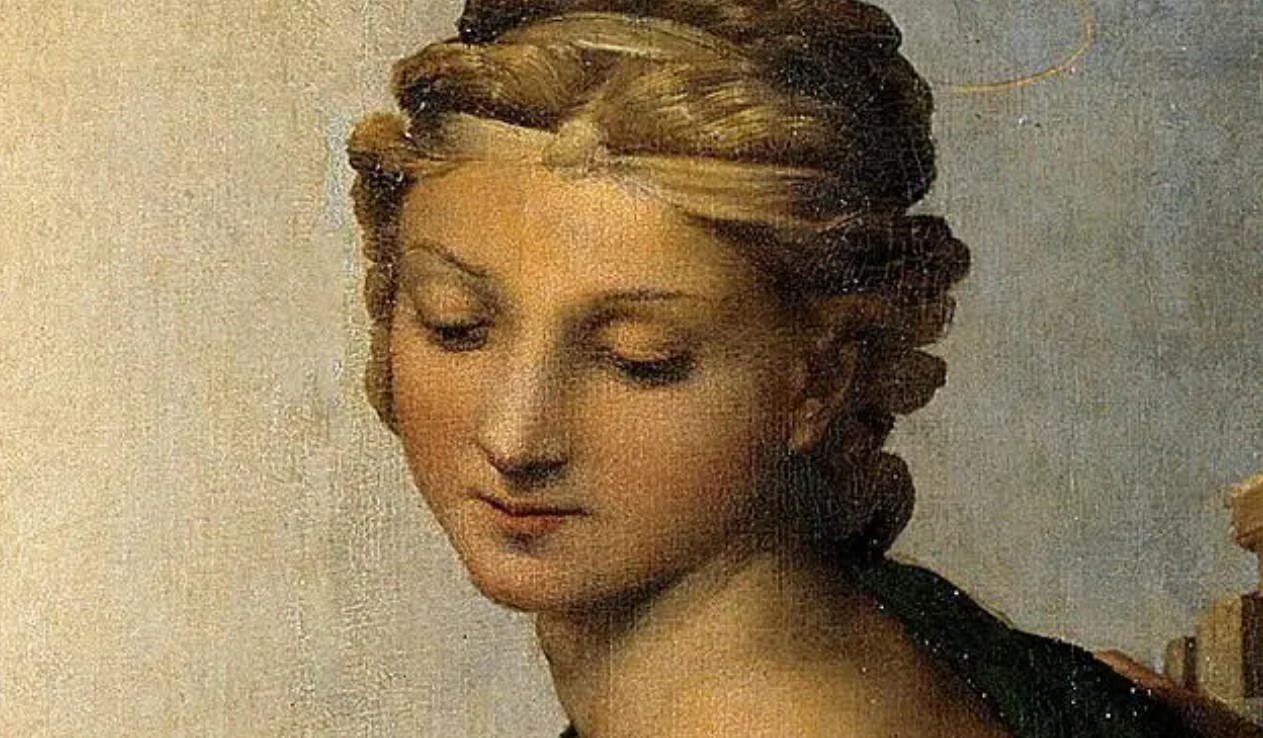
Il grande umanista Pietro Bembo gli dedicò un epitaffio rimasto celebre: parole che esprimono l’idea che la natura stessa temesse di essere superata dal suo talento.
“Ille hic est Raphael timuit quo sospite vinci, rerum magna parens et moriente mori”, ovvero “Qui giace Raffaello: da lui, quando visse, la natura temette d’essere vinta, ora che egli è morto, teme di morire”.
Raffaello fu sepolto nel Pantheon, un onore riservato a pochi. Ancora oggi la sua tomba è meta di visitatori da tutto il mondo, simbolo della sua grandezza eterna.
L’ultima opera e l’immortalità dell’arte
Negli ultimi anni della sua vita, sotto il pontificato di Leone X, Raffaello lavorava alla Trasfigurazione, una delle opere più intense della sua produzione.
Secondo Giorgio Vasari, il dipinto fu esposto accanto al suo corpo dopo la morte, creando una scena di straordinaria potenza emotiva: la vita e la morte, l’arte e l’eternità, riunite nello stesso spazio.
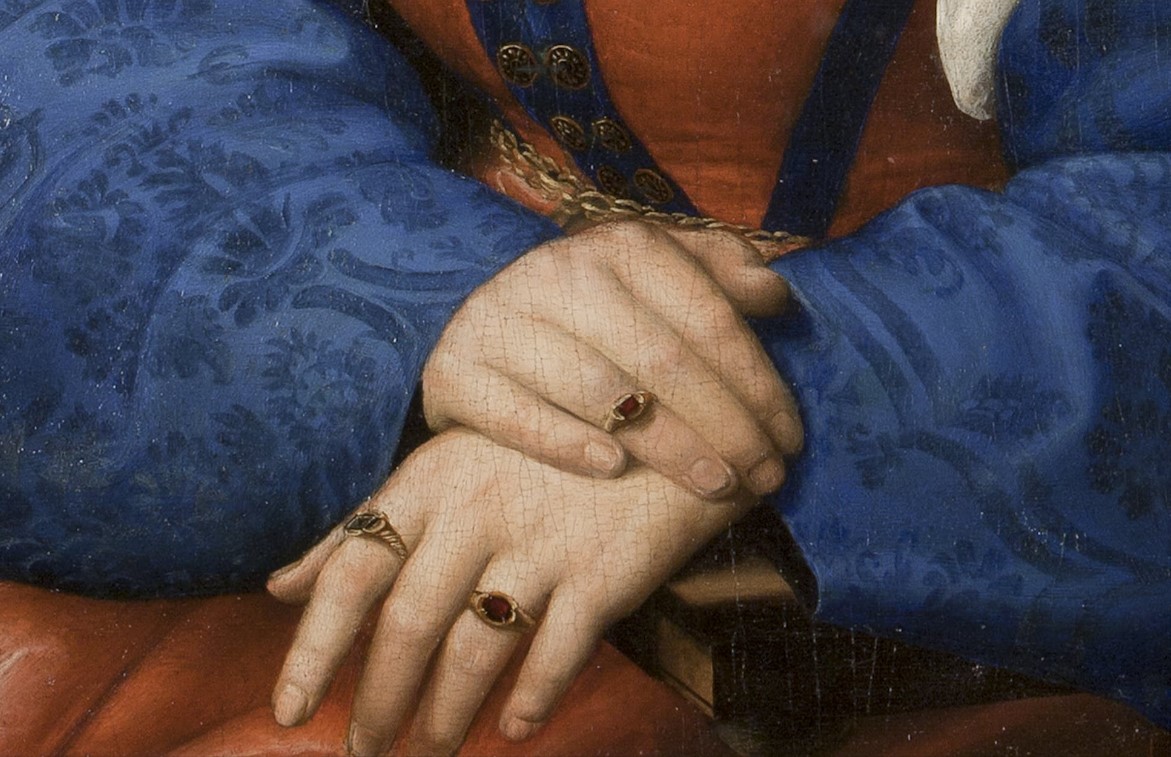
A distanza di oltre cinque secoli, Raffaello Sanzio continua a rappresentare l’ideale di perfezione artistica. La sua capacità di unire bellezza, equilibrio e profondità narrativa lo rende ancora oggi un punto di riferimento assoluto.
Il 6 aprile 1520 non segna soltanto la fine di un uomo, ma l’inizio di un mito che attraversa i secoli. Raffaello non è solo un artista del passato: è una presenza viva nella storia dell’arte, capace ancora di emozionare, ispirare e raccontare l’essenza stessa della bellezza.
Per il momento il sempre vostro Michelangelo Buonarroti vi saluta dandovi appuntamento ai prossimi post e sui social.

April 6, 1520: The Death of Raphael and the Birth of an Immortal Legend
“Here lies Raphael: when he lived, nature feared to be conquered by him; now that he is dead, she fears to die.”
April 6, 1520, is one of the most symbolic dates in the history of art: on that day, Raphael died at just 37 years old, leaving behind an immense void but also a legacy destined to become immortal. A coincidence makes everything even more extraordinary: he was born and died on the same day, transforming his life into a perfect parable.
His death occurred in Rome on Good Friday, the day commemorating the crucifixion of Jesus Christ. This event helped reinforce the idea, already widespread among his contemporaries, that Raphael was an almost divine artist, capable of transcending nature itself with his art.
From the Marche to Rome: the rise of an extraordinary talent
Born in Urbino in 1483, Raphael grew up in a cultured and refined environment thanks to his father, Giovanni Santi, a painter and courtier. It was he who introduced him to the world of art, instilling in him the rudiments of painting and a sensibility that would shape his entire career.
After his early career, likely linked to Pietro Perugino’s circle, Raphael moved to Florence around 1504. Here he came into contact with the great masters of the Renaissance such as Leonardo da Vinci and Michelangelo Buonarroti, assimilating fundamental innovations in drawing, perspective, and emotional expression.
During these years, he created fundamental works such as the Marriage of the Virgin and the famous Madonnas, including the Madonna del Prato, perfect examples of balance and harmony.
Rome and Success under the Popes
The real leap in quality came with his move to Rome in 1508, summoned by Julius II. Here, Raphael entered the heart of artistic and religious power, obtaining prestigious commissions in the Vatican Palaces.
The Vatican Rooms represent the pinnacle of his career: in the Stanza della Segnatura, he created the famous School of Athens, a manifesto of humanist thought that brings together ancient and contemporary philosophers in a perfect compositional balance.
In the Stanza di Eliodoro, he introduced innovative lighting effects, such as in the Liberation of St. Peter, considered one of the first great nocturnes in the history of art.
At the same time, he worked on the cartoons for the Sistine Chapel tapestries and the frescoes of the Villa Farnesina, demonstrating extraordinary versatility in painting, decoration, and architecture.
April 6, 1520: Between History and Myth
Raphael’s death was accompanied by almost legendary tales. Some sources speak of extraordinary phenomena in Rome, such as sudden thunderstorms and cracks in buildings, interpreted as cosmic signs.
The great humanist Pietro Bembo dedicated a now famous epitaph to him: words that express the idea that nature itself feared being surpassed by his talent.
“Ille hic est Raphael timuit quo sospite vinci, rerum magna parens et moriente mori,” or “Here lies Raphael: by him, when he lived, nature feared being conquered, now that he is dead, she fears to die.”
Raphael was buried in the Pantheon, an honor reserved for few. Even today, his tomb attracts visitors from around the world, a symbol of his eternal greatness.
His last work and the immortality of art
In the final years of his life, under the pontificate of Leo X, Raphael worked on the Transfiguration, one of the most intense works of his production.
According to Giorgio Vasari, the painting was displayed next to his body after his death, creating a scene of extraordinary emotional power: life and death, art and eternity, united in the same space.
More than five centuries later, Raphael Sanzio continues to represent the ideal of artistic perfection. His ability to combine beauty, balance, and narrative depth makes him an absolute point of reference even today.
April 6, 1520, marked not only the end of a man, but the beginning of a legend that has endured through the centuries. Raphael is not just an artist of the past: he is a living presence in the history of art, still capable of moving, inspiring, and expressing the very essence of beauty.
For now, yours truly, Michelangelo Buonarroti, bids farewell and invites you to join him in future posts and on social media.

Sostienici – Support Us
Se questo blog ti piace e ti appassiona, puoi aiutarci a farlo crescere sempre più sostenendoci in modo concreto condividendo i post, seguendo le pagine social e con un contributo che ci aiuta ad andare avanti con il nostro lavoro di divulgazione. . ENGLISH: If you like and are passionate about this blog, you can help us make it grow more and more by supporting us in a concrete way by sharing posts, following social pages and with a contribution that helps us to move forward with our dissemination work.
10,00 €
Articoli
Condividi:


Questo sono io





sostienici

Sostienici – Support Us
Se questo blog ti piace e ti appassiona, puoi aiutarci a farlo crescere sempre più sostenendoci in modo concreto condividendo i post, seguendo le pagine social e con un contributo che ci aiuta ad andare avanti con il nostro lavoro di divulgazione. . ENGLISH: If you like and are passionate about this blog, you can help us make it grow more and more by supporting us in a concrete way by sharing posts, following social pages and with a contribution that helps us to move forward with our dissemination work.
€10,00


