

Nei miei versi, il dolore d’amore diventa poesia
Nel silenzio delle mie carte, tra disegni di membra e studi di pietra viva, scrissi un madrigale. Non lo misi nero su bianco per i possibili lettori né per le corti, ma per il cuore.
Molto tempo dopo, il mio pronipote, Michelangelo Buonarroti il Giovane, lo trascrisse trovandolo su un foglio di mia mano, tra schizzi e pensieri. Egli credette fosse autografo e probabilmente lo era, e così lo consegnò alla memoria degli uomini.
Lo scrissi forse poco prima del 1518. In quei giorni il marmo m’occupava il tempo, ma l’anima cercava altri strumenti per parlare.
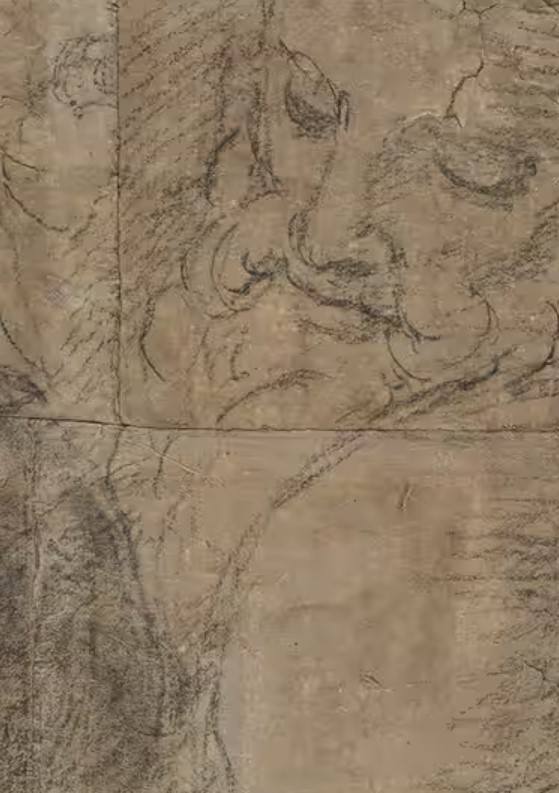
Quando l’amore diventa ferita
Scrivendo questi versi, non cercavo ornamento ma verità. L’amore che qui parlo non consola: consuma.
Mi chiedo se non sarebbe meno doloroso morire una volta sola, piuttosto che vivere ogni ora una nuova morte. Non è morte del corpo, ma dell’anima che desidera e non trova risposta.
Non è forse questo il tormento più grande? Amare chi non sente amore.
Eppure il dolore cresce ancora quando comprendo che colei che amo non ama nemmeno se stessa. Come potrei sperare pietà da chi non prova amore neppure per la propria anima?
In questi pensieri risuona l’eco della poesia di Francesco Petrarca, che nelle sue rime d’amore parlò spesso di “mille morti” inflitte dal desiderio e dalla distanza. La tradizione poetica vive anche di queste ferite comuni.
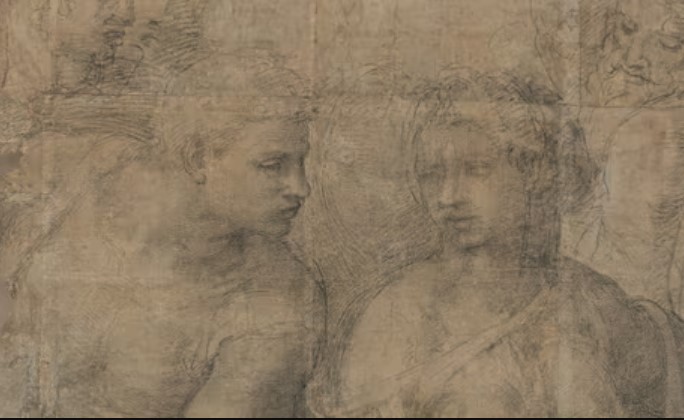
Un foglio tra disegni e versi
Questo madrigale non nacque in un libro, ma su un foglio di lavoro.
Accanto forse vi erano studi di figure, muscoli, archi di schiena destinati alla scultura o alla pittura. Così accadeva spesso che la mano che disegnava, tracciava sui fogli anche parole.
L’amore non ricambiato è una lenta morte dell’anima.
Non è tragedia rumorosa. È un dolore che ritorna, ora dopo ora, come un pensiero che non abbandona il cuore. Alcune sofferenze non si scolpiscono nel marmo, ma si incidono soltanto nelle parole.
Quanto sare’ men doglia il morir presto
che provar mille morte ad ora ad ora,
da ch’in cambio d’amarla, vuol ch’io mora!
Ahi, che doglia ’nfinita
sente ’l mio cor, quando li torna a mente
che quella ch’io tant’amo amor non sente!
Come resterò ’n vita?
Anzi mi dice, per più doglia darmi,
che se stessa non ama: e vero parmi.
Come posso sperar di me le dolga,
se se stessa non ama? Ahi trista sorte!
Che fia pur ver, ch’io ne trarrò la morte?
Per il momento il sempre vostro Michelangelo Buonarroti vi saluta dandovi appuntamento ai prossimi post e sui social.

In my verses, the pain of love becomes poetry
In the silence of my papers, between drawings of limbs and studies of living stone, I wrote a madrigal. I didn’t put it down on paper for potential readers or courts, but for the heart.
Much later, my great-nephew, Michelangelo Buonarroti the Younger, transcribed it, finding it on a sheet of paper in my hand, among sketches and thoughts. He believed it was in his own hand, and probably was, and so he committed it to human memory.
I wrote it perhaps shortly before 1518. In those days, marble occupied my time, but my soul sought other instruments to speak.
When love becomes a wound
In writing these verses, I was not seeking ornamentation but truth. The love I speak of here does not console: it consumes.
I wonder if it would not be less painful to die only once, rather than live a new death every hour. It is not the death of the body, but of the soul that desires and finds no answer.
Isn’t this the greatest torment? To love someone who feels no love.
Yet the pain grows even greater when I realize that the one I love doesn’t even love herself. How could I hope for pity from someone who doesn’t even love her own soul?
These thoughts echo the poetry of Francesco Petrarca, who in his love poems often spoke of “a thousand deaths” inflicted by desire and distance. The poetic tradition also thrives on these common wounds.
A sheet of paper between drawings and verses
This madrigal wasn’t born in a book, but on a piece of paper.
Alongside it, perhaps, were studies of figures, muscles, and back arches intended for sculpture or painting. Thus it often happened that the hand that drew also traced words on the paper.
Unrequited love is a slow death of the soul.
It is not a noisy tragedy. It is a pain that returns, hour after hour, like a thought that never leaves the heart. Some sufferings aren’t carved in marble, but are only etched in words.
Quanto sare’ men doglia il morir presto
che provar mille morte ad ora ad ora,
da ch’in cambio d’amarla, vuol ch’io mora!
Ahi, che doglia ’nfinita
sente ’l mio cor, quando li torna a mente
che quella ch’io tant’amo amor non sente!
Come resterò ’n vita?
Anzi mi dice, per più doglia darmi,
che se stessa non ama: e vero parmi.
Come posso sperar di me le dolga,
se se stessa non ama? Ahi trista sorte!
Che fia pur ver, ch’io ne trarrò la morte?
For now, yours truly, Michelangelo Buonarroti bids farewell and invites you to see him in future posts and on social media.

Sostienici – Support Us
Se questo blog ti piace e ti appassiona, puoi aiutarci a farlo crescere sempre più sostenendoci in modo concreto condividendo i post, seguendo le pagine social e con un contributo che ci aiuta ad andare avanti con il nostro lavoro di divulgazione. . ENGLISH: If you like and are passionate about this blog, you can help us make it grow more and more by supporting us in a concrete way by sharing posts, following social pages and with a contribution that helps us to move forward with our dissemination work.
10,00 €
Condividi:


Questo sono io





sostienici

Sostienici – Support Us
Se questo blog ti piace e ti appassiona, puoi aiutarci a farlo crescere sempre più sostenendoci in modo concreto condividendo i post, seguendo le pagine social e con un contributo che ci aiuta ad andare avanti con il nostro lavoro di divulgazione. . ENGLISH: If you like and are passionate about this blog, you can help us make it grow more and more by supporting us in a concrete way by sharing posts, following social pages and with a contribution that helps us to move forward with our dissemination work.
€10,00


Comprendo la profondità del tuo pensiero ma devo dirti che è difficile dare una risposta a questa domanda. Dipende dalla vita che uno ha e dai legami che ha creato sulla terra perché, spesse volte, proprio questi ci tengono ancorati qui più che la vita stessa.
"Mi piace"Piace a 1 persona
Non è una domanda ma una considerazione fatta sulla mia carne e sul mio vissuto. Poi certo, ciascuno ha una differente sensibilità
"Mi piace"Piace a 1 persona
Si, hai ragione.
"Mi piace""Mi piace"