
7 agosto 1420: l’inizio della costruzione della Cupola del Brunelleschi con vino, pane e melone
Un giorno come oggi, il 7 agosto del 1420, ebbe inizio la costruzione della cupola del duomo di Firenze, progettata dal Brunelleschi. Un prodigio dell’architettura, creato da un genio straordinario che da maestro orafo qual era, seppe diventare l’architetto più apprezzato del mondo.
Quel 7 agosto iniziò con una festa perché si sa, chi ben comincia è già a a metà dell’opera.

A 42 metri d’altezza, al di sopra delle impalcature già messe in piedi all’altezza del tamburo, i muratori, gli scalpellini e altra manodopera coinvolti in quell’avventura, ebbero modo di consumare una colazione offerta dall’Opera del Duomo a base di melone, pane e Trebbiano.
“A dì 7 d’aghosto lire 3 soldi 9 denari 4 per uno barile di vino vermiglio e uno fiascho di trebiano e pane e poponi per una cholezione si fe’ la mattina che si chominciò a murare la chupola”.
Il banchetto fu allestito per lasciare traccia indelebile di quel momento: dopo cinquant’anni di progetti e ripensamenti, finalmente si iniziava sul serio a metter mano alla grandiosa costruzione.

Prima di quel giorno, erano stati abbattuti 100 abeti, alti circa sei metri ciascuno. Erano necessari per approntare il tavolame necessario per allestire i ponteggi e le pedane per far salire in quota gli operai.
A terra ancora giacevano decine e decine di travi di pietra arenaria e già erano arrivati in loco migliaia di mattoni ben cotti, realizzati nell’Impruneta, accatastati in modo ordinato in pile che si elevavano verso il cielo.
Gli operai ingaggiati per quell’impresa furono più di 300, considerando anche quelli addetti all’escavazione delle pietre necessarie per costruire la cupola.

Si cominciava a lavorare il lunedì all’alba per finire la settimana il sabato dopo il tramonto, quando non era più da persone assennate star su quei ponteggi dopo il calar del sole.
Gli strumenti progettati dal Brunelleschi per la costruzione della cupola
C’è poco da fare: il Brunelleschi era geniale. Non solo progettò la cupola ma si mise al lavoro per creare tutti quegli strumenti e marchingegni necessari per la sua realizzazione. Non lasciò nulla al caso e curò qualsiasi aspetto che riguardasse il prestigioso cantiere.
Fra i marchingegni rivoluzionari da lui ideati ci furono le colossali gru rotanti, i carrelli sia verticali che orizzontali ma anche gli argani capaci di muoversi a più velocità grazie alla forza animale e a sistemi di pesi e contrappesi.

Nel Museo del Duomo sono ancora visibili forbici fuori misura, tenditori, tenagli metalliche e le ulivelle. Proprio l’uso delle ulivelle da tempo non si adoperavano più mentre erano tenute in grande considerazione dagli antichi romani per sollevare i grandi blocchi di pietra. Brunelleschi le riportò in auge sfruttando al massimo la loro utilità.
Salire e scendere dai ponteggi era sempre rischioso così, per evitare che gli operai lo facessero più volte durante una sola giornata, furono allestiti sulle impalcature a diverse altezze degli spazi in cui venivano forniti e consumati alimenti e bevande. Se durante i lavori qualcuno si ammalava o subiva infortuni, l’Opera del Duomo pagava giorni di malattia e cure eventuali.

I tempi di realizzazione della Cupola del Brunelleschi
Ci vollero quindici anni di lavori effettivi per posare gli oltre 500.000 mattoni all’anno disposti a spina di pesce e un numero spropositato di persone al lavoro.
Gli scetticismi iniziali di chi come San Tommaso preferisce vedere prima di credere scemarono quando poco a poco la cupola iniziò a elevarsi verso il cielo fino a raggiungere i 114 metri di altezza.
Un prodigio mai visto prima.
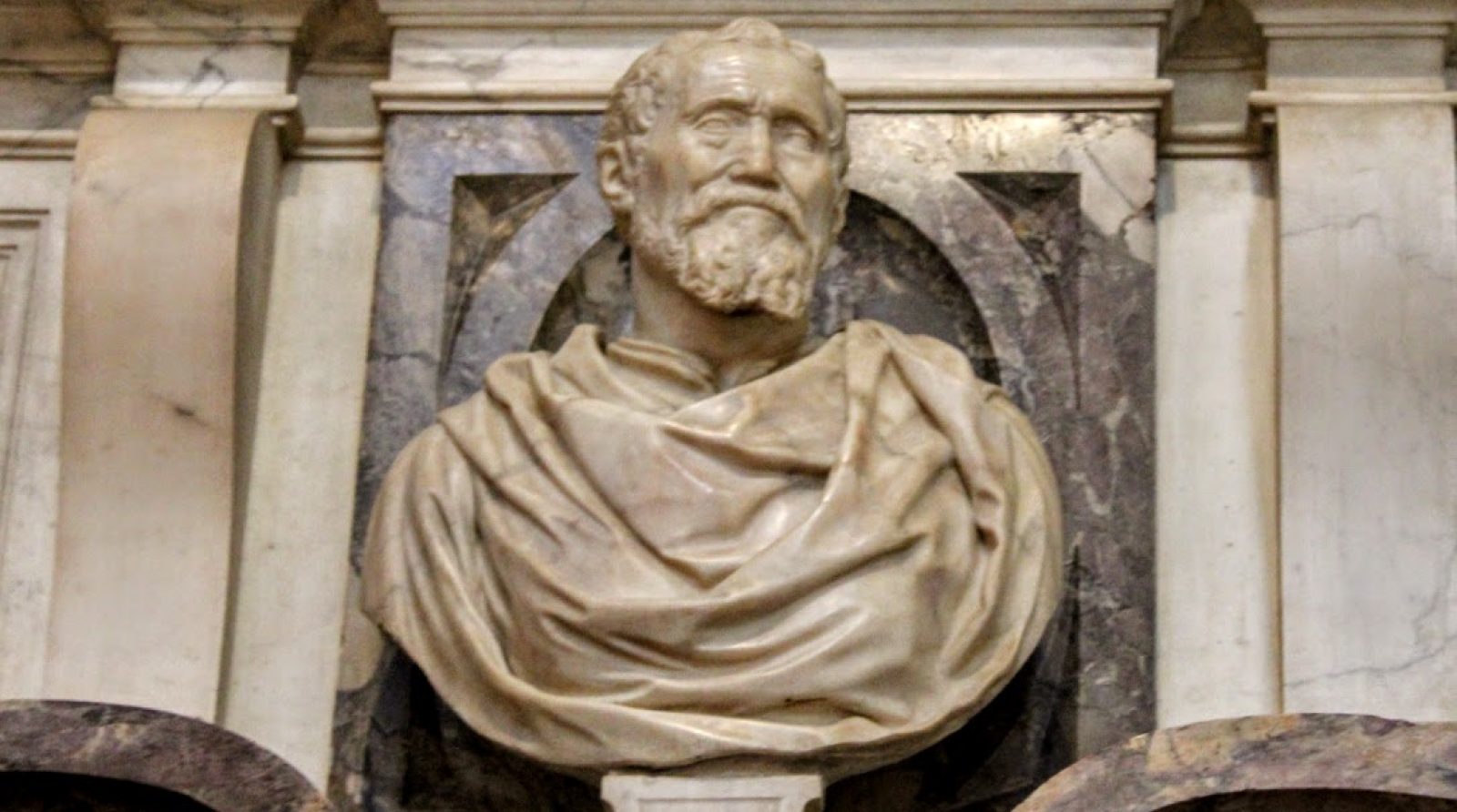
Per il momento il sempre vostro Michelangelo Buonarroti per il momento vi saluta dandovi appuntamento ai prossimi post e sui social.

August 7, 1420: Construction of Brunelleschi’s Dome Begins with Wine, Bread, and Melon
On a day like today, August 7, 1420, construction began on the dome of Florence Cathedral, designed by Brunelleschi. A marvel of architecture created by an extraordinary genius who, from master goldsmith, went on to become the most renowned architect in the world.
That August 7th began with a celebration, because, as everyone knows, a good beginning is half the work. At 42 meters above the ground, above the scaffolding already erected at the drum, the bricklayers, stonemasons, and other workers involved in that adventure enjoyed a breakfast of melon, bread, and Trebbiano wine, offered by the Opera del Duomo.
“On the 7th of August, 3 lire, 9 denarii, and 4 for a barrel of vermilion wine and a flask of Trebiano, and bread and melons for a meal, was held the morning that the building of the chupola began.”
The banquet was set to leave an indelible mark on that moment: after fifty years of planning and rethinking, work was finally beginning in earnest on the grandiose construction.
Before that day, 100 fir trees, each about six meters tall, had been felled. They were needed to prepare the planks needed to erect the scaffolding and platforms for the workers to climb to the top.
Dozens and dozens of sandstone beams still lay on the ground, and thousands of well-fired bricks, made in Impruneta, had already arrived on site, neatly stacked in piles that rose skyward.
More than 300 workers were hired for the project, including those assigned to quarrying the stones needed to build the dome.
Work began on Monday at dawn and finished the week on Saturday after sunset, when it was no longer reasonable to be on those scaffoldings after dark.
The tools Brunelleschi designed for the dome’s construction
There’s no denying it: Brunelleschi was a genius. He not only designed the dome, but also set to work creating all the tools and mechanisms necessary for its construction. He left nothing to chance and oversaw every aspect of the prestigious construction site.
Among the revolutionary contraptions he designed were the colossal rotating cranes, the vertical and horizontal trolleys, and also the winches capable of moving at multiple speeds thanks to animal power and systems of weights and counterweights.
Oversized scissors, tensioners, metal tongs, and the olives are still visible in the Duomo Museum. The use of ulivelle (scaffolding hoists) had long been out of use, although they were highly regarded by the ancient Romans for lifting large blocks of stone. Brunelleschi revived them, maximizing their usefulness.
Going up and down the scaffolding was always risky, so to prevent workers from having to do it multiple times a day, areas for food and drink were set up on the scaffolding at different heights. If anyone fell ill or was injured during the work, the Opera del Duomo paid for sick days and any medical treatment.
The Construction of Brunelleschi’s Dome
It took fifteen years of actual construction to lay the over 500,000 bricks a year, arranged in a herringbone pattern, and a disproportionate number of people to work.
The initial skepticism of those like St. Thomas who preferred to see before believing faded as the dome gradually began to rise toward the sky, reaching a height of 114 meters.
A marvel never seen before.
For now, yours truly, Michelangelo Buonarroti bids you farewell, saying he’ll see you in future posts and on social media.

Sostienici – Support Us
Se questo blog ti piace e ti appassiona, puoi aiutarci a farlo crescere sempre più sostenendoci in modo concreto condividendo i post, seguendo le pagine social e con un contributo che ci aiuta ad andare avanti con il nostro lavoro di divulgazione. . ENGLISH: If you like and are passionate about this blog, you can help us make it grow more and more by supporting us in a concrete way by sharing posts, following social pages and with a contribution that helps us to move forward with our dissemination work.
10,00 €
Articoli
Condividi:


Questo sono io





sostienici

Sostienici – Support Us
Se questo blog ti piace e ti appassiona, puoi aiutarci a farlo crescere sempre più sostenendoci in modo concreto condividendo i post, seguendo le pagine social e con un contributo che ci aiuta ad andare avanti con il nostro lavoro di divulgazione. . ENGLISH: If you like and are passionate about this blog, you can help us make it grow more and more by supporting us in a concrete way by sharing posts, following social pages and with a contribution that helps us to move forward with our dissemination work.
€10,00


