
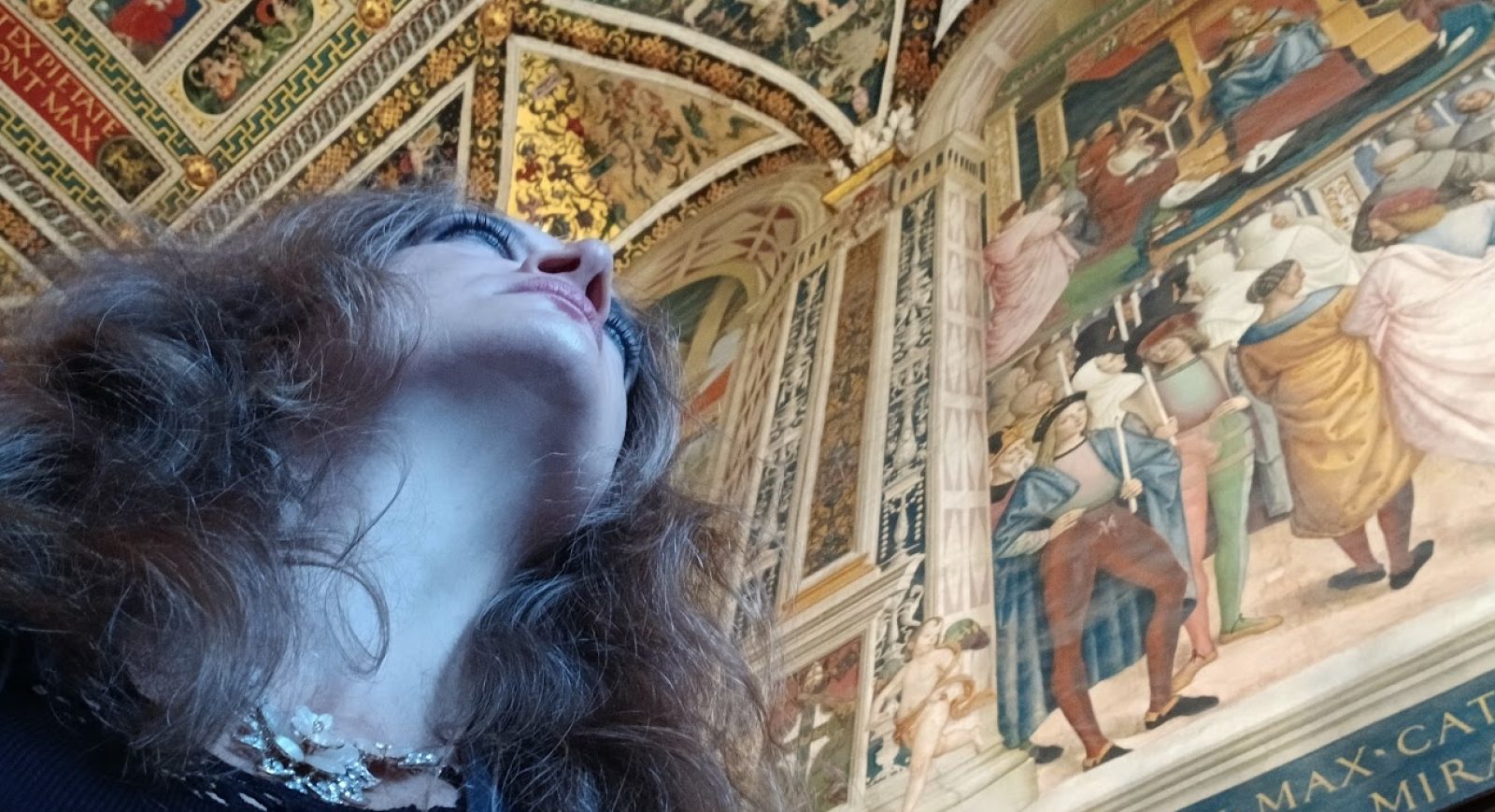
La Scultura di Oceano: uno dei tesori del Museo Archeologico di Napoli
Il Museo Archeologico di Napoli è uno scrigno di tesori e custodisce opere straordinarie. Tra queste, oggi scelgo di raccontarvi un po’ di cose sula scultura colossale di Oceano.
Scolpita in marmo bianco a grana molto fine, è collocata alla destra dello scalone monumentale dell’atrio del museo. L’opera fu rinvenuta nell’Iseo Campense di Roma cioè il tempio di Iside in Campo Marzio.
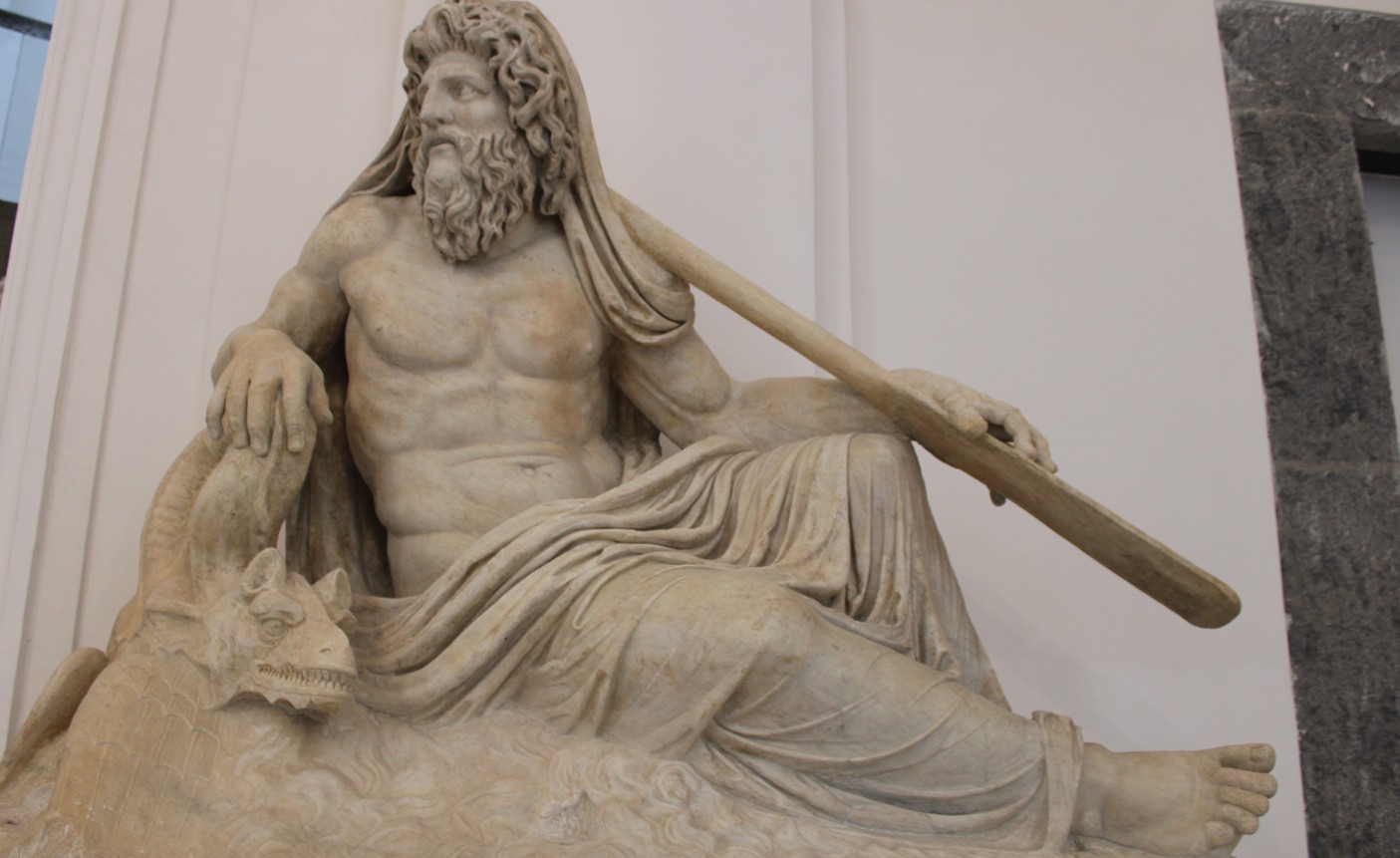
Oceano apparteneva alla collezione di Bernardino Fabio ma venne comprata dai potenti Farnese nel 1574 con lo scopo di collocarla nel Palazzo di Campo de’ Fiori, assieme ad altre straordinari capolavori come l’Atlante e il busto di Caracalla.
A Palazzo Farnese la scultura rimase fino al 1786 per essere poi trasferita via mare a Napoli nel 1789, assieme a tutta la Collezione Farnese.
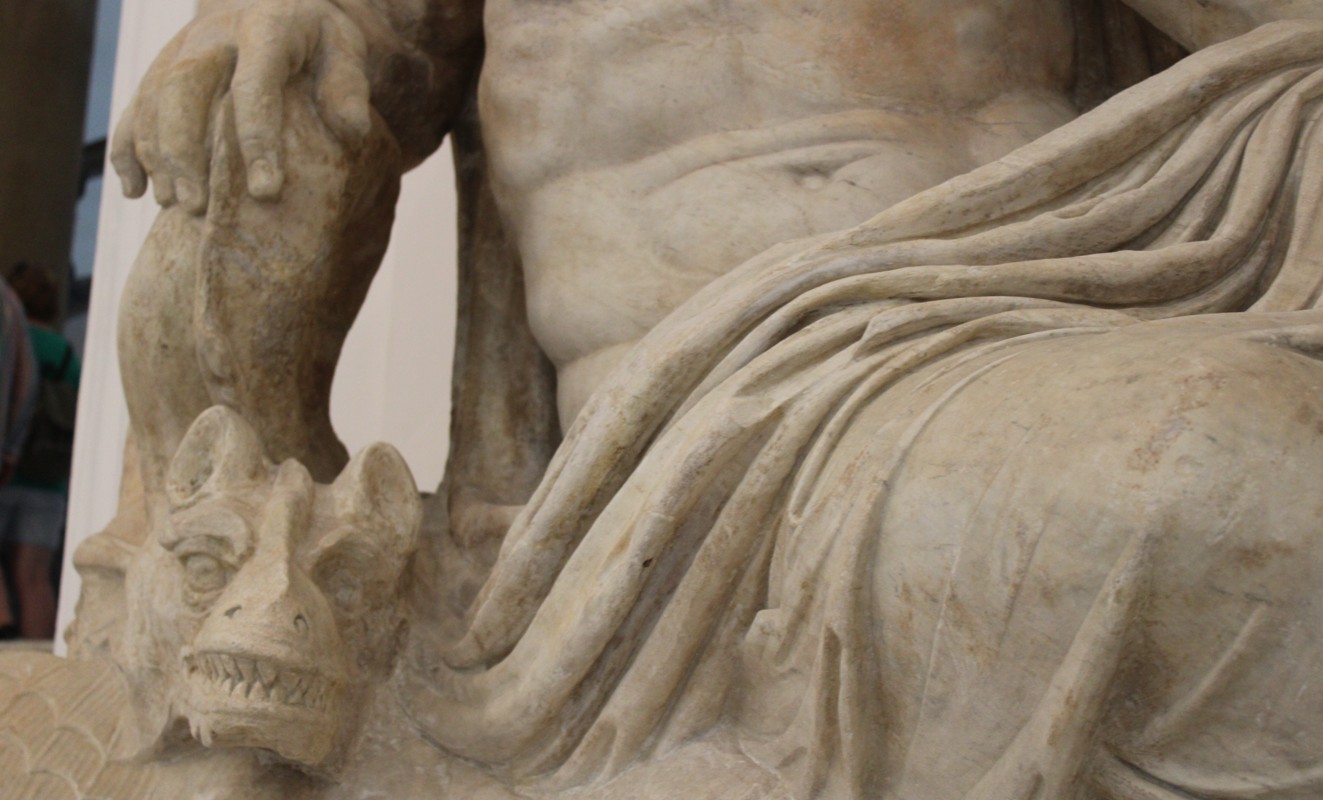
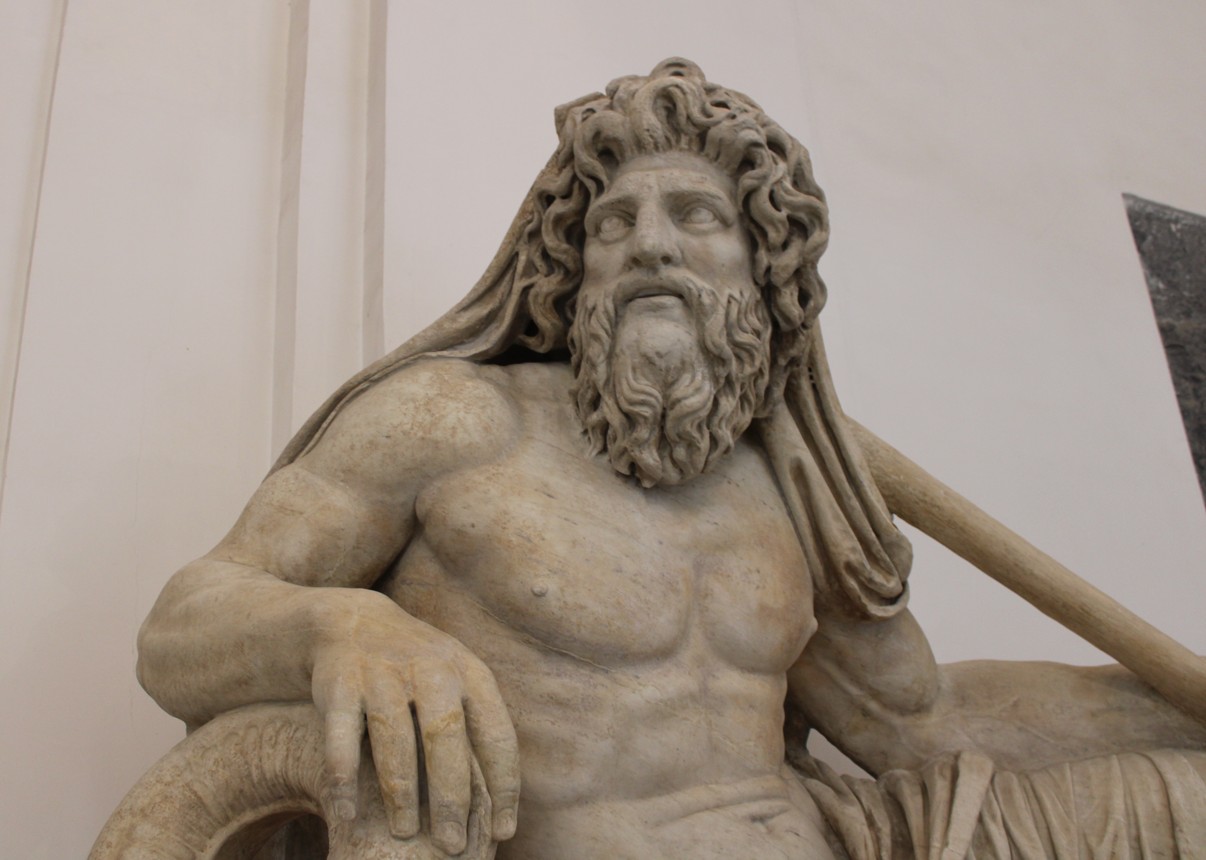
Il dio Oceano è rappresentato come un uomo che ha raggiunto la maturità con una folta barba, semi sdraiato sul fianco destro sopra la superficie increspata dell’acqua. Sostiene un remo con la mano sinistra mentre appoggia la destra su un ketos, ovvero un drago marino.
La scultura risale alla seconda metà del II secolo dopo Cristo anche se non tutti gli esperti sono concordi su questa datazione.
Per il momento il sempre vostro Michelangelo Buonarroti vi saluta dandovi appuntamento ai prossimi post e sui social.
The Sculpture of Oceanus: one of the treasures of the Archaeological Museum of Naples
The Archaeological Museum of Naples is a treasure chest and houses extraordinary works. Among these, today I choose to tell you a few things about the colossal sculpture of Oceanus.
Carved in very fine-grained white marble, it is located to the right of the monumental staircase in the museum’s atrium. The work was found in the Iseo Campense in Rome, the temple of Isis in Campo Marzio.
Oceanus belonged to the collection of Bernardino Fabio but was bought by the powerful Farnese family in 1574 with the aim of placing it in the Palazzo di Campo de’ Fiori, together with other extraordinary masterpieces such as the Atlas and the bust of Caracalla.
The sculpture remained in Palazzo Farnese until 1786 and was then transferred by sea to Naples in 1789, together with the entire Farnese Collection.
The god Oceanus is depicted as a man who has reached maturity with a thick beard. Semi-lying on his right side above the rippling surface of the water. He holds an oar with his left hand while his right hand rests on a ketos, or a sea dragon.
The sculpture dates back to the second half of the 2nd century AD although not all experts agree on this dating.
For the moment, the ever-your Michelangelo Buonarroti bids you farewell, making an appointment to see you in the next posts and on social media.

Sostienici – Support Us
Se questo blog ti piace e ti appassiona, puoi aiutarci a farlo crescere sempre più sostenendoci in modo concreto condividendo i post, seguendo le pagine social e con un contributo che ci aiuta ad andare avanti con il nostro lavoro di divulgazione. . ENGLISH: If you like and are passionate about this blog, you can help us make it grow more and more by supporting us in a concrete way by sharing posts, following social pages and with a contribution that helps us to move forward with our dissemination work.
10,00 €
Articoli
Condividi:


Questo sono io




sostienici

Sostienici – Support Us
Se questo blog ti piace e ti appassiona, puoi aiutarci a farlo crescere sempre più sostenendoci in modo concreto condividendo i post, seguendo le pagine social e con un contributo che ci aiuta ad andare avanti con il nostro lavoro di divulgazione. . ENGLISH: If you like and are passionate about this blog, you can help us make it grow more and more by supporting us in a concrete way by sharing posts, following social pages and with a contribution that helps us to move forward with our dissemination work.
€10,00


