
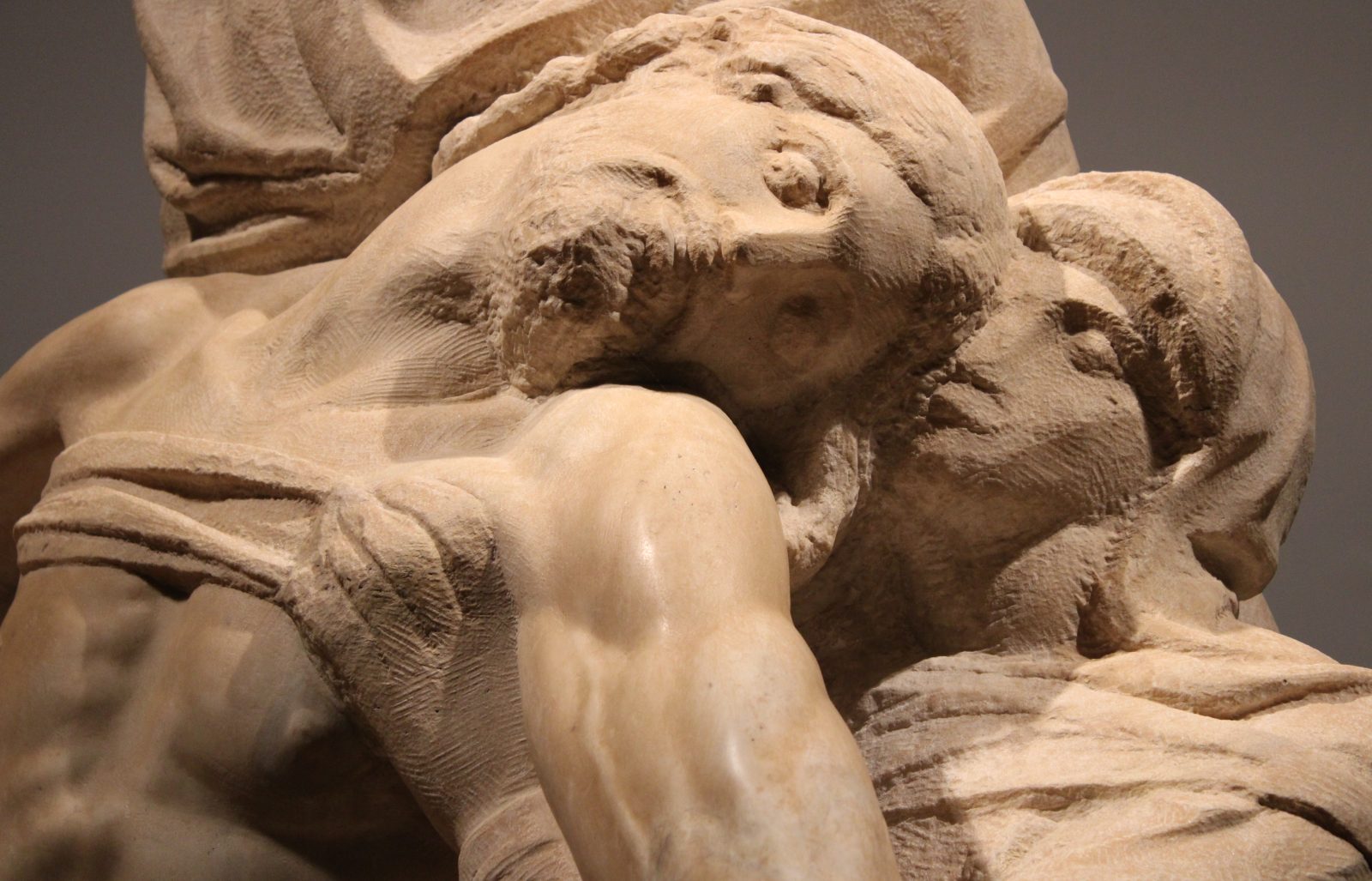
Cappella Sistina: chi entra papa esce cardinale
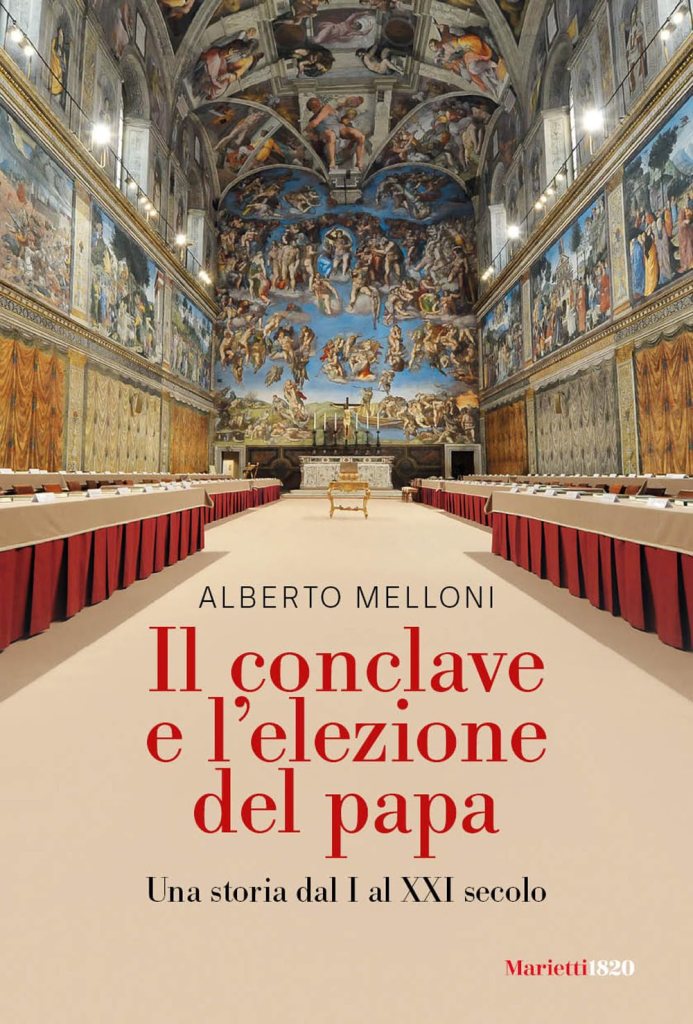
La Cappella Sistina in questo momento di sede vacante è al centro della scena. Sono in corso i lavori necessari per mettere a punto tutti gli arredi che serviranno per il conclave che avrà inizio il 7 maggio.
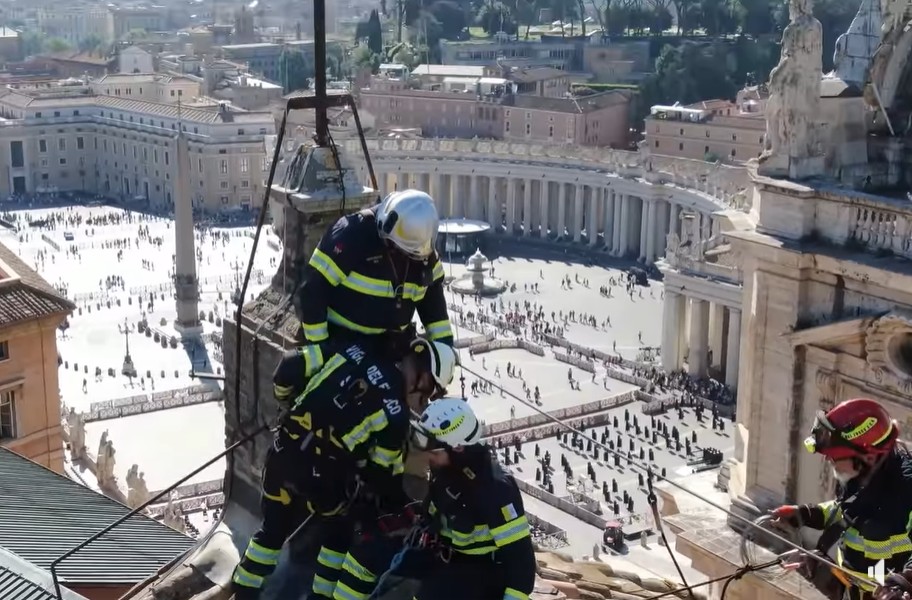
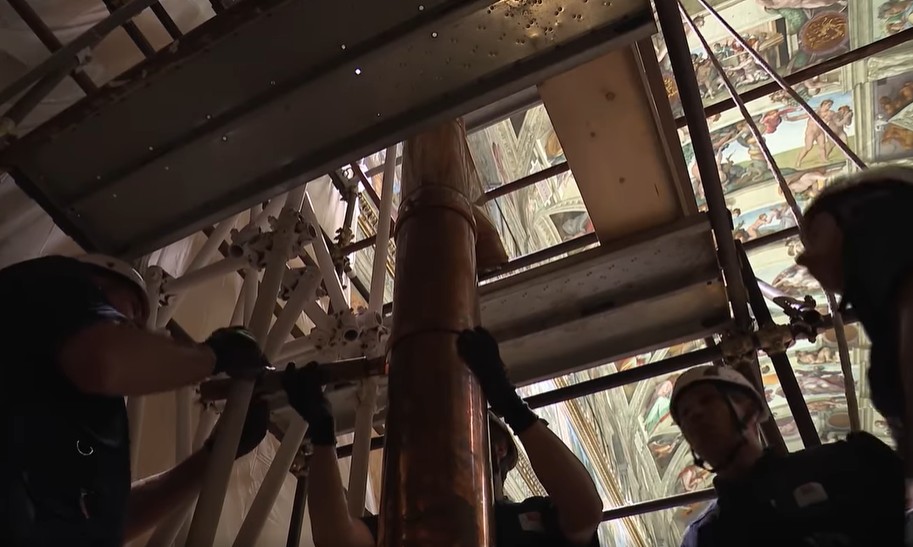
Oramai sono state posizionate al loro posto le due stufe collegate tra di loro, la canna fumaria e il comignolo dal quale usciranno le fumate nere e l’unica fumata bianca, quella che segnala l’avvenuta elezione del nuovo pontefice.
E mentre è in atto una sorta di toto-nomi sui cardinali che si pensa o si spera possano essere i successori di papa Francesco, in Sistina si continua a lavorare affinché la perfetta, o quasi, macchina del conclave possa avere inizio.
“Chi entra papa, esce cardinale” recita l’adagio. Inutile fare i conti senza l’oste: spesso le aspettative che si hanno sui cardinali entrati in conclave vengono disattese e chi entra come favorito, spesso esce cardinale così come nella Sistina è entrato.
Sapete, fino all’elezione del pontefice Giovanni Paolo II era presente solo una stufa nella Sistina. La seconda fu aggiunta per volere proprio di papa Wojtyła, assieme al suono a festa delle campane della Basilica di San Pietro nel momento della proclamazione del nuovo successore di Pietro.
Le nuove disposizioni trovarono applicazione per la prima volta nella storia durante il conclave che vide eleggere pontefice Benedetto XVI.
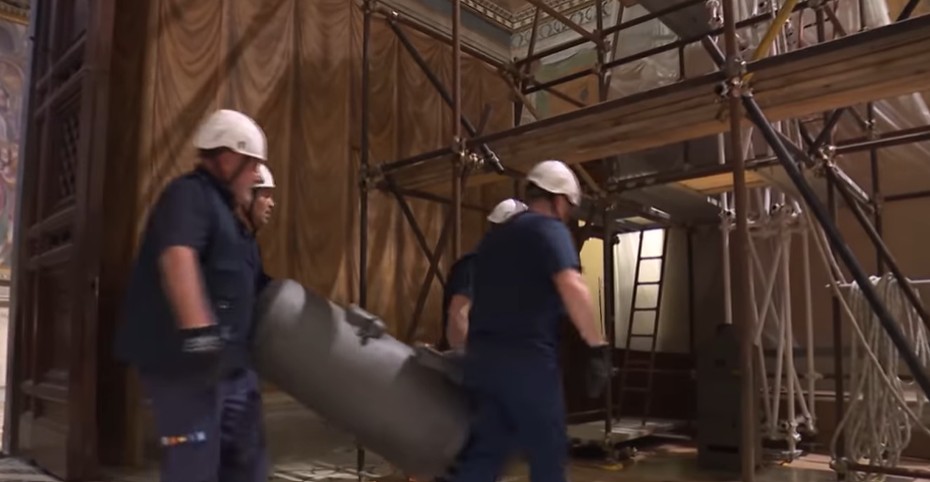
La stufa che serve per bruciare le schede e altri eventuali documenti scritti relativi all’elezione del nuovo pontefice è in ghisa e ha una forma cilindrica. Ha un’altezza di circa un metro e quella attualmente adoperata fu inaugurata nel 1939.
Sulla calotta superiore sono riportate, mediante punzonatura, le date di elezione e i nomi degli ultimi pontefici, da Pio XII a Papa Francesco.
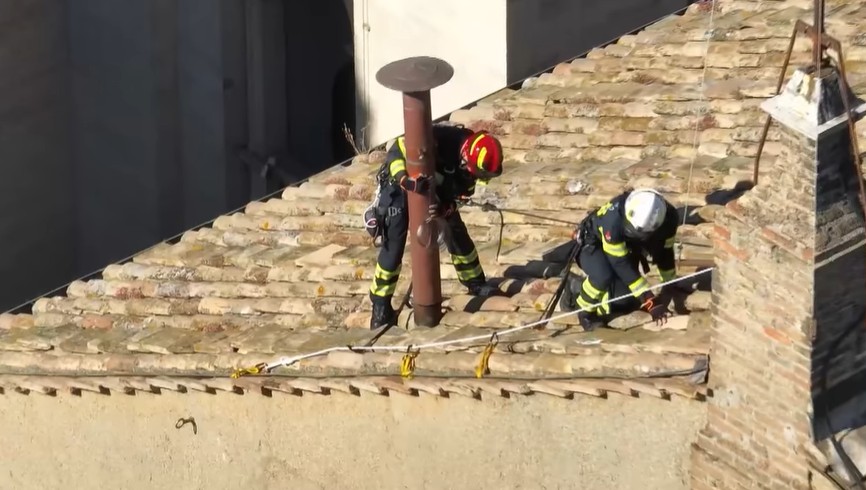
Oggi per la fumata nera si utilizzano fumogeni a base di perclorato di potassio, antracene e zolfo mentre per rendere il fumo bianco più corposo e visibile, i fumogeni contengono si adoperano clorato di potassio, lattosio e colofonia.
Per il momento il sempre vostro Michelangelo Buonarroti vi saluta dandovi appuntamento ai prossimi post e sui social.
Sistine Chapel: Whoever enters as a pope leaves as a cardinal
The Sistine Chapel is at the center of the scene at this time of sede vacante. The necessary work is underway to prepare all the furnishings that will be needed for the conclave that will begin on May 7.
The two stoves connected to each other, the flue and the chimney from which the black smoke and the single white smoke will come out, the one that signals the election of the new pontiff, have now been positioned in their places.
And while a sort of guessing game is underway on the cardinals who are thought or hoped to be the successors of Pope Francis, in the Sistine Chapel they continue to work so that the perfect, or almost, machine of the conclave can begin.
“Whoever enters as a pope, leaves as a cardinal” goes the adage. There is no point in doing calculations without the host: often the expectations that are had about the cardinals who enter the conclave are disappointed and those who enter as favorites often leave as cardinals just as they entered the Sistine Chapel.
You know, until the election of Pope John Paul II there was only one stove in the Sistine Chapel. The second was added at the behest of Pope Wojtyła himself, together with the festive ringing of the bells of St. Peter’s Basilica at the moment of the proclamation of the new successor of Peter.
The new provisions were applied for the first time in history during the conclave that saw Benedict XVI elected Pope.
The stove used to burn the ballots and any other written documents relating to the election of the new Pope is made of cast iron and has a cylindrical shape. It is about one meter high and the one currently in use was inaugurated in 1939.
The election dates and the names of the last Popes, from Pius XII to Pope Francis, are stamped on the upper dome.
Today, for black smoke, smoke bombs based on potassium perchlorate, anthracene and sulfur are used, while to make white smoke more full-bodied and visible, smoke bombs contain potassium chlorate, lactose and rosin.
For the moment, your ever Michelangelo Buonarroti bids you farewell, making an appointment with you in the next posts and on social media.
Articoli
Condividi:


Questo sono io





sostienici

Sostienici – Support Us
Se questo blog ti piace e ti appassiona, puoi aiutarci a farlo crescere sempre più sostenendoci in modo concreto condividendo i post, seguendo le pagine social e con un contributo che ci aiuta ad andare avanti con il nostro lavoro di divulgazione. . ENGLISH: If you like and are passionate about this blog, you can help us make it grow more and more by supporting us in a concrete way by sharing posts, following social pages and with a contribution that helps us to move forward with our dissemination work.
€10,00


