
23 marzo 1842: muore Stendhal. Ma cos’è la sindrome che a lui deve il nome?
Il 23 marzo del 1842 muore a Parigi Stendhal, al secolo Henri-Marie Beyle. A lui, tra le altre cose, è dovuto il nome di ‘Sindrome di Stendhal’, ma di cosa si tratta?
Sedetevi comodi che ve lo racconto.
Stendhal è stato uno degli scrittori francesi più influenti dell’Ottocento. Nacque a Grenoble in Francia e visse durante un periodo storico assai turbolento, segnato profondamente dalla Rivoluzione francese e dall’era napoleonica: eventi che hanno influenzato in modo importante la sua visione del mondo.

Visse a lungo in Italia, arrivando per la prima volta nel Paese nel 1800 da ragazzo e arrivando a essere console nel 1831.
l nome della celebre “Sindrome di Stendhal” deriva dallo pseudonimo dello scrittore. Durante un suo viaggio a Firenze risalente al 1817, volle descrivere ciò che aveva visto e le sue esperienze emotive nel libro “Roma, Napoli e Firenze”.
Lo scrittore mise nero su bianco l’aver provato forti palpitazioni, vertigini e di essere rimasto a lungo in uno stato confusionale dinanzi alla bellezza delle opere presenti nella Basilica di Santa Croce.

Sebbene Stendhal avesse descritto minuziosamente queste sensazioni, fu solo nel 1989 che la psichiatra italiana Graziella Magherini diede un nome al fenomeno, dopo aver studiato numerosi casi di turisti che avevano manifestato sintomi simili durante la loro visita a Firenze.
Il nome alla sindrome fu un omaggio allo scrittore Stendhal che per la prima volta ne descrisse i sintomi in modo minuzioso.
Di fatto la Sindrome di Stendhal è un fenomeno psicosomatico che può manifestarsi quando una persona è esposta a una grande quantità di opere d’arte in un breve periodo di tempo. I sintomi, come accennato prima, possono includere vertigini, palpitazioni, confusione, allucinazioni e persino svenimenti.
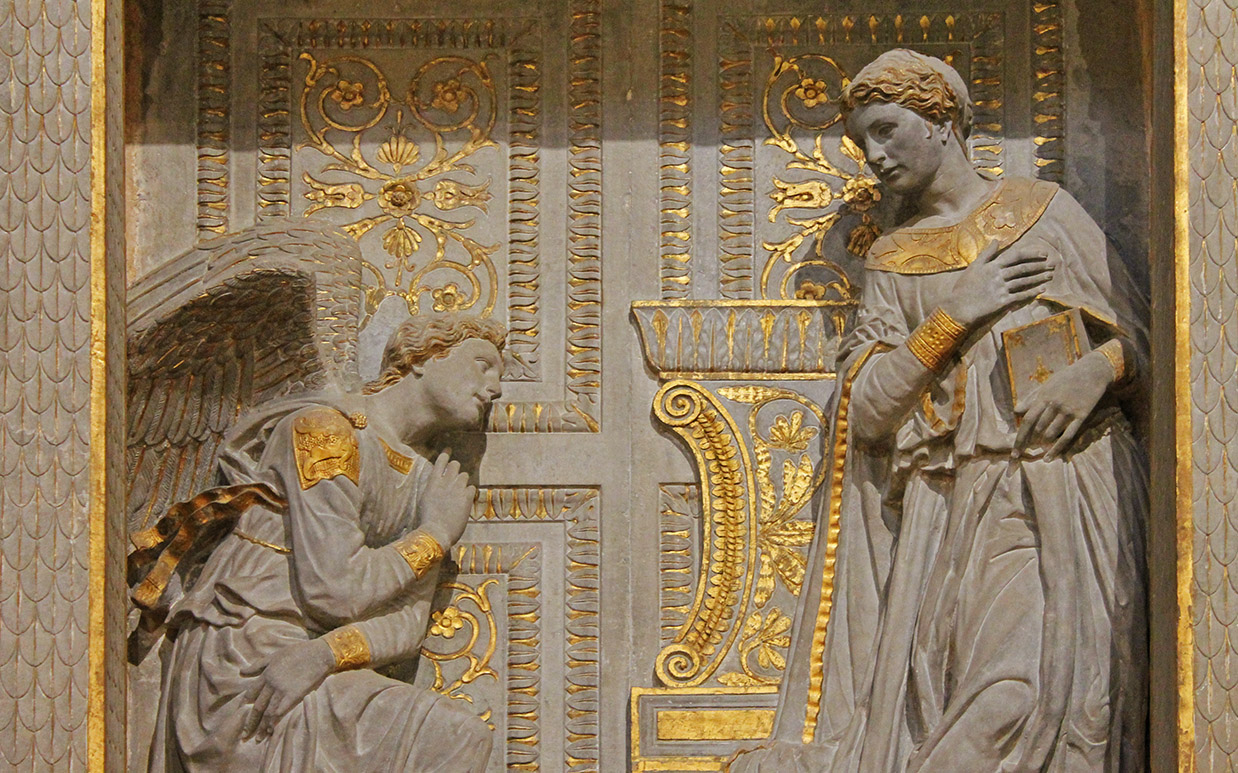
Non si tratta di una malattia ma di una reazione emotiva molto intensa e profonda.
Per il momento il vostro Michelangelo Buonarroti vi saluta dandovi appuntamento ai prossimi post e sui social.
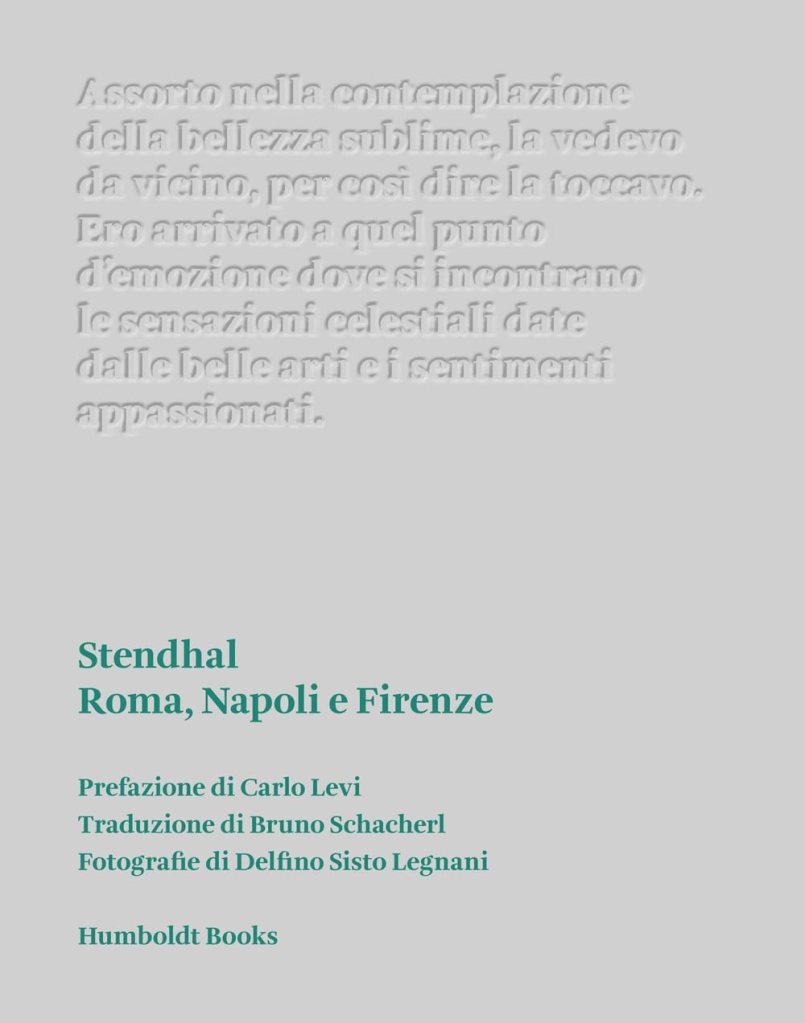
March 23, 1842: Stendhal dies. But what is the syndrome that owes its name to him?
On March 23, 1842, Stendhal, born Henri-Marie Beyle, died in Paris. Among other things, he is credited with giving the name ‘Stendhal Syndrome’, but what is it?
Sit back and let me tell you about it.
Stendhal was one of the most influential French writers of the 19th century. He was born in Grenoble, France, and lived during a very turbulent historical period, deeply marked by the French Revolution and the Napoleonic era: events that significantly influenced his vision of the world.
He lived in Italy for a long time, arriving in the country for the first time in 1800 as a boy, and then returning in 1831 as a consul.
The name of the famous “Stendhal Syndrome” comes from the writer’s pseudonym. During his trip to Florence in 1817, he wanted to describe what he had seen and his emotional experiences in the book “Rome, Naples and Florence”.
The writer wrote down that he had felt strong palpitations, dizziness and that he had remained in a state of confusion for a long time in front of the beauty of the works of art in the Basilica of Santa Croce.
Although Stendhal had described these sensations in detail, it was only in 1989 that the Italian psychiatrist Graziella Magherini gave a name to the phenomenon, after having studied numerous cases of tourists who had manifested similar symptoms during their visit to Florence.
The name of the syndrome was a tribute to the writer Stendhal who for the first time described the symptoms in detail.
In fact, Stendhal Syndrome is a psychosomatic phenomenon that can manifest itself when a person is exposed to a large amount of works of art in a short period of time. Symptoms, as mentioned before, can include dizziness, palpitations, confusion, hallucinations and even fainting.
It is not a disease but a very intense and profound emotional reaction.
For now, your Michelangelo Buonarroti bids you farewell, making an appointment to see you in the next posts and on social media.

Sostienici – Support Us
Se questo blog ti piace e ti appassiona, puoi aiutarci a farlo crescere sempre più sostenendoci in modo concreto condividendo i post, seguendo le pagine social e con un contributo che ci aiuta ad andare avanti con il nostro lavoro di divulgazione. . ENGLISH: If you like and are passionate about this blog, you can help us make it grow more and more by supporting us in a concrete way by sharing posts, following social pages and with a contribution that helps us to move forward with our dissemination work.
10,00 €
Condividi:


Questo sono io





sostienici

Sostienici – Support Us
Se questo blog ti piace e ti appassiona, puoi aiutarci a farlo crescere sempre più sostenendoci in modo concreto condividendo i post, seguendo le pagine social e con un contributo che ci aiuta ad andare avanti con il nostro lavoro di divulgazione. . ENGLISH: If you like and are passionate about this blog, you can help us make it grow more and more by supporting us in a concrete way by sharing posts, following social pages and with a contribution that helps us to move forward with our dissemination work.
€10,00


