
L’Adorazione dei Magi del Botticelli nel giorno della vigilia dell’Epifania
L’opera del Natale che vi propongo oggi 5 gennaio, vigilia dell’Epifania, è il dipinto a tempera grassa su tavola del Botticelli che raffigura l’Adorazione dei Magi, realizzato attorno al 1475 su commissione di Gaspare di Zanobi del Lama.
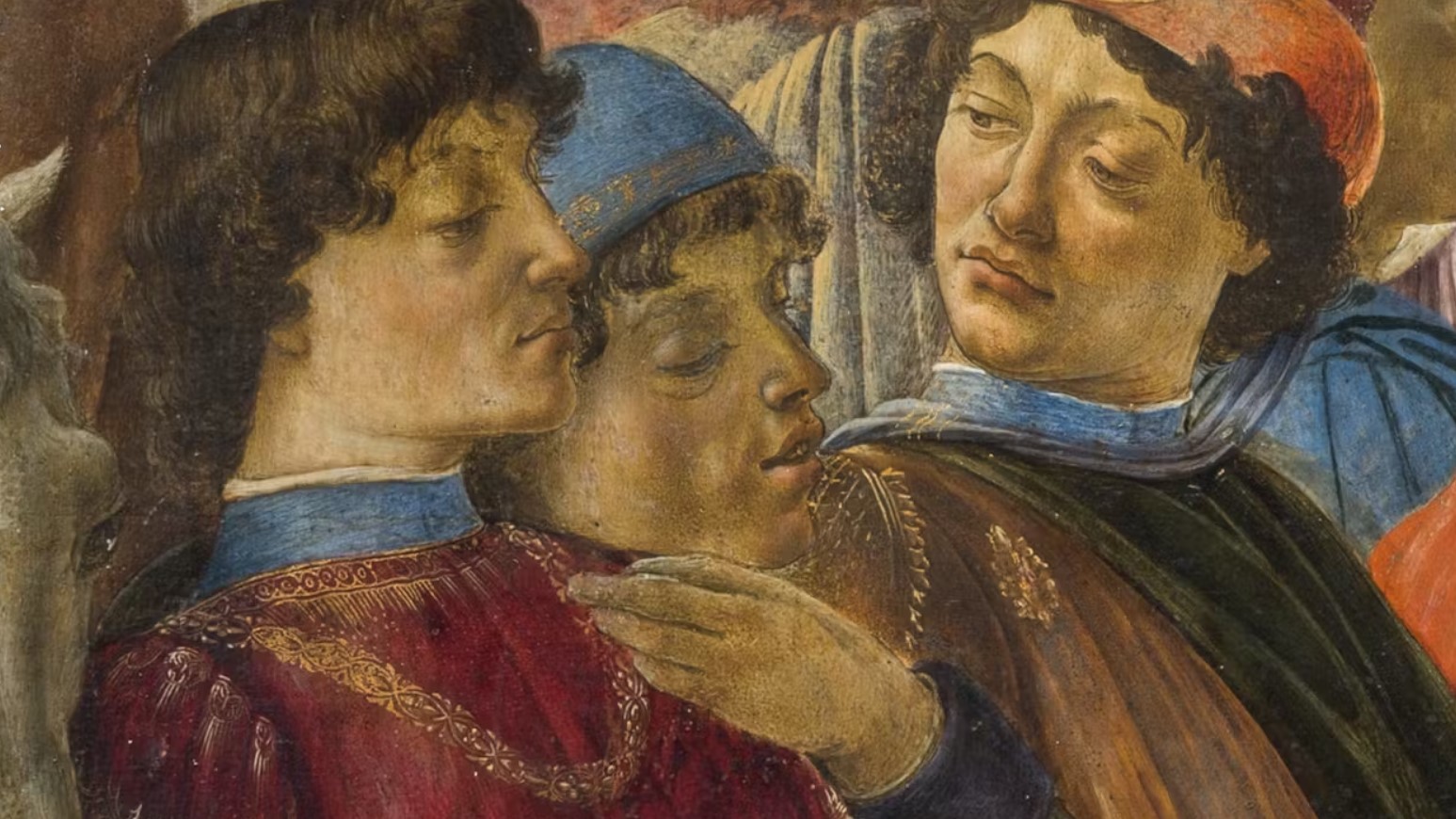
Botticelli, raccontando l’omaggio de Re Magi a Gesù Bambino, mostrò uno spaccato della società fiorentina dell’epoca o meglio, dipinse i personaggi coinvolti nell’ascesa al potere della famiglia Medici.
La Madonna seduta mostra agli avventori il Figlio appena venuto al mondo mentre la stella cometa dall’alto la indica con un raggio dorato che Le sfiora il capo.

Giuseppe dietro di Lei guarda Gesù Bambino con un’espressione a metà tra lo stupito e il compiaciuto.
Se osservate con attenzione questo capolavoro, vi renderete conto che i volti presenti hanno tratti reali, di persone che un tempo vissero per davvero. Per esempio Gesù Bambino è mostrato in atto di benedice il re mago inginocchiato ai suoi piedi.
Secondo quanto riportato dal mio caro amico Giorgio Vasari, avrebbe le sembianze di Cosimo il Vecchio il quale accarezza i piedi del Bambino ma interponendo un velo: segno di profondo rispetto.

Gli altri due magi sono i figli di Cosimo ovvero Piero il Gottoso inginocchiato e con il manto rosso e Giovanni, vestito di banco. Tutti e tre i personaggi erano già deceduti quando Botticelli mise mano all’opera.
SI pensa che Lorenzo il Magnifico, all’epoca venticinquenne, sia il ragazzo di profilo con i capelli corvini, sulla destra, con l’abito rosso e nero mentre il fratello Giuliano potrebbe essere il giovane cavaliere con la spada a sinistra, in primo piano.
All’interno dell’Adorazione dei Magi, Botticelli ritrasse anche se stesso, mentre guarda lo spettatore.

Anche il committente Del Lama compare nell’opera ed è l’uomo abbigliato di celeste e con i capelli bianchi nel gruppo a destra che guarda negli occhi lo spettatore, indicandosi con la mano per evidenziare il ruolo di committente dell’opera.
Gaspare di Zanobi del Lama era un uomo d’affari, sensale della corporazione del Cambio. Nel 1469 aveva fatto costruire una cappella intitolata ai magi in Santa Maria Novella. Sapete perché?
Il suo nome, Gaspare, era lo stesso di uno dei tre re magi e quindi per celebrare sé stesso ma anche i Medici, membri della compagnia dei Magi, volle dedicare la cappella proprio a quell’episodio evangelico.

In quest’opera, oltre alla gran quantità di ritratti presenti, sorprende l’attenzione al dettaglio. Osservate i tessuti dipinti, le loro raffinate bordure d’oro e quei fiori che spuntano dal suolo raffigurati con tanta precisione.
La tavola appartiene alla Galleria degli Uffizi dal 1796, dopo che fu rinvenuta nella villa medicea di Poggio Imperiale a Firenze. Fino 2 febbraio 2025 potrete apprezzarla però al Museo Diocesano Carlo Maria Martini di Milano.
Per il momento il sempre vostro Michelangelo Buonarroti vi saluta dandovi appuntamento ai prossimi post e sui social.

Botticelli’s Adoration of the Magi on the Eve of the Epiphany
The Christmas work that I propose to you today, January 5, the Eve of the Epiphany, is the tempera on wood painting by Botticelli depicting the Adoration of the Magi, made around 1475 on commission by Gaspare di Zanobi del Lama.
Botticelli, recounting the homage of the Magi to the Baby Jesus, showed a cross-section of Florentine society of the time or rather, he painted the characters involved in the rise to power of the Medici family.
The seated Madonna shows the customers her Son who has just come into the world while the comet star from above points to her with a golden ray that touches her head.
Joseph behind her looks at the Baby Jesus with an expression halfway between astonished and pleased.
If you look carefully at this masterpiece, you will realize that the faces present have real features, of people who once really lived. For example, baby Jesus is shown blessing the king magus kneeling at his feet.
According to my dear friend Giorgio Vasari, he would have the appearance of Cosimo the Elder who caresses the feet of the Child but interposing a veil: a sign of deep respect.
The other two magi are the sons of Cosimo, namely Piero the Gouty kneeling and with the red cloak and Giovanni, dressed in bench. All three characters were already deceased when Botticelli began the work.
It is thought that Lorenzo the Magnificent, at the time twenty-five years old, is the boy in profile with raven hair, on the right, with the red and black dress while his brother Giuliano could be the young knight with the sword on the left, in the foreground.
In the Adoration of the Magi, Botticelli also portrayed himself, while he is looking at the viewer.
The patron Del Lama also appears in the work and is the man dressed in light blue and with white hair in the group on the right who looks the viewer in the eye, pointing to himself with his hand to highlight his role as patron of the work.
Gaspare di Zanobi del Lama was a businessman, a broker for the Cambio corporation. In 1469 he had a chapel dedicated to the Magi built in Santa Maria Novella. Do you know why?
His name, Gaspare, was the same as one of the three Magi and so to celebrate himself but also the Medici, members of the Medici company, he wanted to dedicate the chapel to that evangelical episode.
In this work, in addition to the large number of portraits present, the attention to detail is surprising. Observe the painted fabrics, their refined gold borders and those flowers that sprout from the ground depicted with such precision.
The panel has belonged to the Uffizi Gallery since 1796, after it was discovered in the Medici villa of Poggio Imperiale in Florence. Until February 2, 2025, you can appreciate it at the Museo Diocesano Carlo Maria Martini in Milan.
For the moment, your always Michelangelo Buonarroti bids you farewell, making an appointment with you in the next posts and on social media.

Sostienici – Support Us
Se questo blog ti piace e ti appassiona, puoi aiutarci a farlo crescere sempre più sostenendoci in modo concreto condividendo i post, seguendo le pagine social e con un contributo che ci aiuta ad andare avanti con il nostro lavoro di divulgazione. . ENGLISH: If you like and are passionate about this blog, you can help us make it grow more and more by supporting us in a concrete way by sharing posts, following social pages and with a contribution that helps us to move forward with our dissemination work.
10,00 €
Articoli
Condividi:


Questo sono io





sostienici

Sostienici – Support Us
Se questo blog ti piace e ti appassiona, puoi aiutarci a farlo crescere sempre più sostenendoci in modo concreto condividendo i post, seguendo le pagine social e con un contributo che ci aiuta ad andare avanti con il nostro lavoro di divulgazione. . ENGLISH: If you like and are passionate about this blog, you can help us make it grow more and more by supporting us in a concrete way by sharing posts, following social pages and with a contribution that helps us to move forward with our dissemination work.
€10,00


