

La Stanza Segreta e quella misteriosa scritta
Nella cosiddetta Stanza Segreta, al di sotto della Sagrestia Nuova, non ci sono solo disegni miei e altri minori attribuiti al Tribolo ma anche scritte e numeri.
Lo sapevate? Sedetevi comodi che vi racconto anche questa particolarità per filo e per segno.
Come vi ho detto già in altre occasioni, la Stanza Segreta è un ambiente lungo 10, 5 metri per 2,65 metri di larghezza mentre la volta a botte è alta mediamente 2,50 centimetri. Al suo interno sono presenti due piccole finestre quadrate di 70 centimetri per lato e il pavimento si eleva di 31 centimetri rispetto al piano della piazza di San Lorenzo.

Come avrei potuto scampare alla furia vendicativa dei Medici nei confronti dei sostenitori della Repubblica qual ero dopo l’agosto del 1530?
Nascondendomi a casa loro o quasi, dentro questa stanza stretta e lunga per mesi. Un’idea geniale. Chi mi avrebbe mai cercato a casa propria?
“Io lo canpai dalla morte et salva ‘li la roba; addomandandoonmi mille volte perdono” annotò il Figiovanni.
Ebbene, chiuso lì dentro non potevo far altro che disegnare e studiare così adoperai le pareti come se fossero un grande foglio bianco su cui tracciare ciò che la mente mi imponeva. Eh si, perché disegnare e studiare le diverse composizioni scultoree o pittoriche a volte spesso un’esigenza più che un desiderio.
Tra i disegni presenti nella Stanza Segreta, però, sono presenti anche scritte, numeri e segni di altra tipologia.

Ad esempio nell’abside scrissi ‘base’ e ‘pilastro’, termini che l’esame grafologico ha indiscutibilmente attribuito a me, basandosi sulle stesse parole autografe che scrissi su un disegno, il W19v, custodito nelle collezioni del British Musem.
Ma non è finita qui.
Tra le scritte più singolari di mano mia e a prima vista incomprensibili, c’è la parola ‘arufidailgosal’.
Cosa significa? Di primo acchito penserete a qualche strambo scioglilingua ma in realtà, leggendo la parola al contrario, il suo significato si svela: ‘la soglia di fuora’.
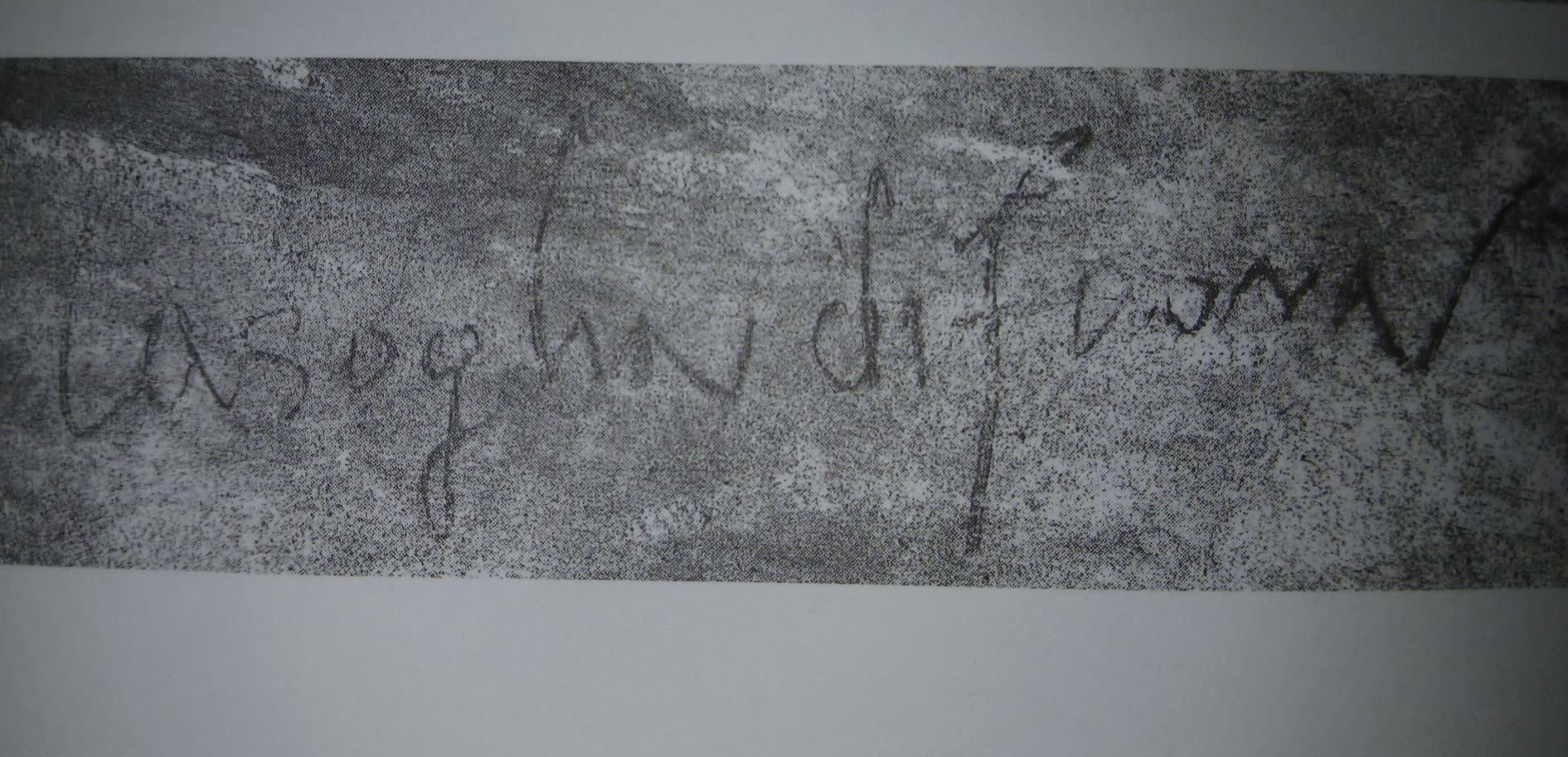
Il perché abbia voluto scrivere quell’indicazione al contrario non è dato sapere, fatto sta che lo feci eccome.
Per il momento il sempre vostro Michelangelo Buonarroti vi saluta dandovi appuntamento ai prossimi post e sui social.
© All rights reserved

The Secret Room and that mysterious writing
In the so-called Secret Room, below the New Sacristy, there are not only drawings by me and other minor ones attributed to Tribolo but also writings and numbers.
Did you know? Sit back and I will tell you about this peculiarity in detail.
As I have already told you on other occasions, the Secret Room is a room 10.5 meters long by 2.65 meters wide while the barrel vault is on average 2.50 centimeters high. Inside there are two small square windows of 70 centimeters per side and the floor is raised by 31 centimeters compared to the level of the Piazza di San Lorenzo.
How could I have escaped the vengeful fury of the Medici towards the supporters of the Republic that I was after August 1530?
By hiding in their house or almost, inside this narrow and long room for months. A brilliant idea. Who would have ever looked for me in their own house?
“I saved him from death and saved his stuff; asking for forgiveness a thousand times” Figiovanni noted.
Well, locked in there I could do nothing but draw and study so I used the walls as if they were a large white sheet on which to trace what my mind dictated to me. Yes, because drawing and studying the different sculptural or pictorial compositions is sometimes more of a need than a desire.
Among the drawings in the Secret Room, however, there are also writings, numbers and signs of other types.
For example, in the apse I wrote ‘base’ and ‘pillar’, terms that the graphological examination has indisputably attributed to me, based on the same autographed words that I wrote on a drawing, the W19v, kept in the collections of the British Museum.
But it doesn’t end there.
Among the most unusual writings by my hand and at first glance incomprehensible, there is the word ‘arufidailgosal’. What does it mean? At first glance you might think of some strange tongue twister but in reality, reading the word backwards, its meaning is revealed: ‘la soglia di fuora’.
Why I wanted to write that indication backwards is not given to know, the fact is that I did it.
For the moment, yours truly Michelangelo Buonarroti bids you farewell and gives you an appointment for the next posts and on social media.
© All rights reserved

Sostienici – Support Us
Se questo blog ti piace e ti appassiona, puoi aiutarci a farlo crescere sempre più sostenendoci in modo concreto condividendo i post, seguendo le pagine social e con un contributo che ci aiuta ad andare avanti con il nostro lavoro di divulgazione. . ENGLISH: If you like and are passionate about this blog, you can help us make it grow more and more by supporting us in a concrete way by sharing posts, following social pages and with a contribution that helps us to move forward with our dissemination work.
10,00 €
-
Festival La Versiliana 2026: tra musica, teatro e grandi narrazioni
Dal 17 luglio al 23 agosto 2026, la pineta di Marina di Pietrasanta ospiterà la 47ª edizione del Festival La Versiliana. Una kermesse aperta a tutti nella quale linguaggi diversi dialogano tra loro in un equilibrio tra tradizione e contemporaneità.
-
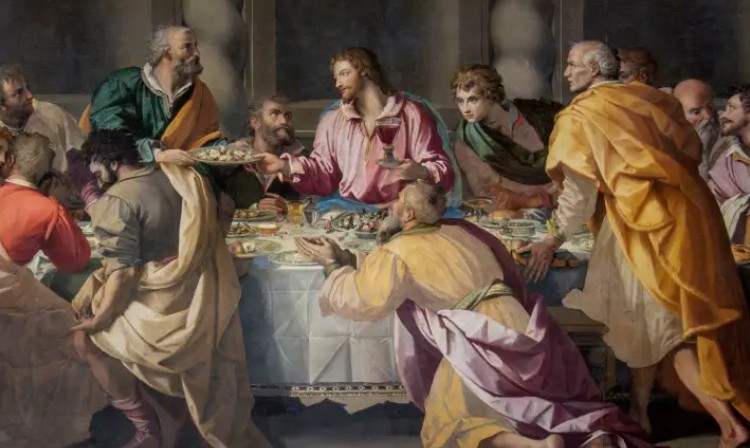
Giovedì Santo: l’Ultima Cena di Allori che pochi conoscono a Firenze
🇮🇹Nel cuore di Museo di Santa Maria Novella, a Firenze, si conserva una delle interpretazioni più affascinanti e meno note dell’Ultima Cena: quella realizzata da Alessandro Allori nel 1584… 🇬🇧In the heart of the Santa Maria Novella Museum in Florence, one of the most fascinating and least-known interpretations of the Last Supper is preserved: the…
-
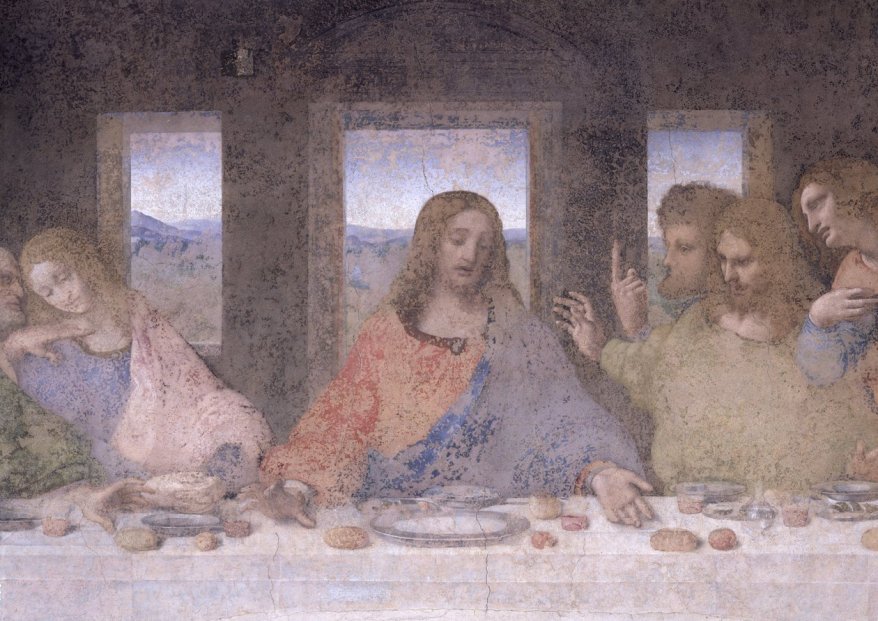
Cenacolo di Leonardo: i dettagli che raccontano il tradimento
🇮🇹Nel Cenacolo di Leonardo da Vinci, custodito a Santa Maria delle Grazie, Cristo annuncia il tradimento e il tempo si ferma… 🇬🇧In Leonardo da Vinci’s Last Supper, housed in Santa Maria delle Grazie, Christ announces the betrayal and time stands still…
Condividi:


Questo sono io





sostienici

Sostienici – Support Us
Se questo blog ti piace e ti appassiona, puoi aiutarci a farlo crescere sempre più sostenendoci in modo concreto condividendo i post, seguendo le pagine social e con un contributo che ci aiuta ad andare avanti con il nostro lavoro di divulgazione. . ENGLISH: If you like and are passionate about this blog, you can help us make it grow more and more by supporting us in a concrete way by sharing posts, following social pages and with a contribution that helps us to move forward with our dissemination work.
€10,00


