
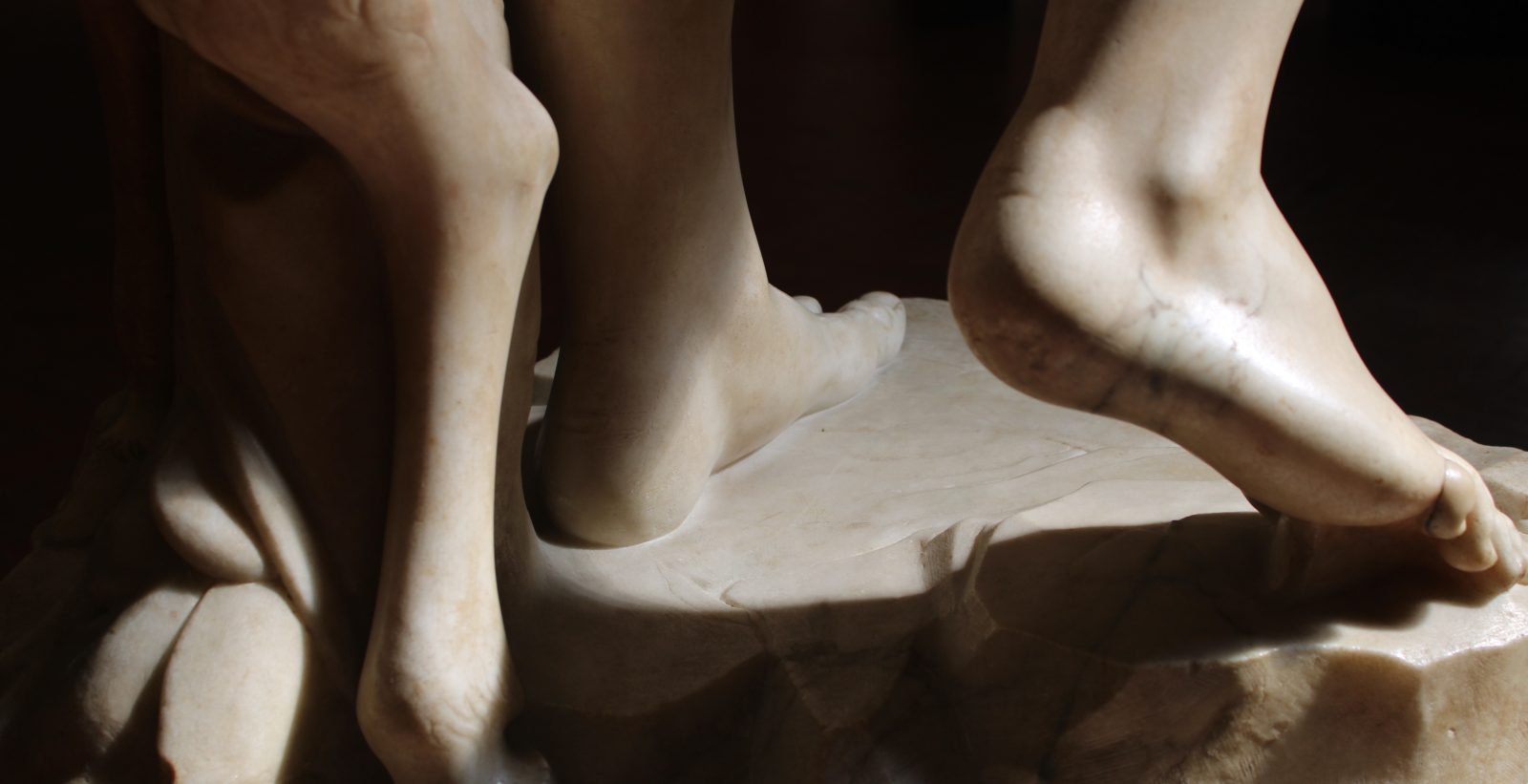
Mostra: Canova mai visto al Museo diocesano di Padova
Di mostre dedicate a Canova ne sono state organizzate tante in Italia e all’estero ma ci sono ancora oggi opere, documenti e collezioni del celeberrimo scultore che nessuno, eccetto alcuni studiosi, ha avuto modo di vedere.
Tra queste opere vale la pena citare il Vaso cinerario della contessa Lodovica (Luisa o Louisa) von Callenberg, ora patrimonio della Chiesa di Padova ma originariamente collocato nel giardino esterno della chiesa degli Eremitani a Padova.
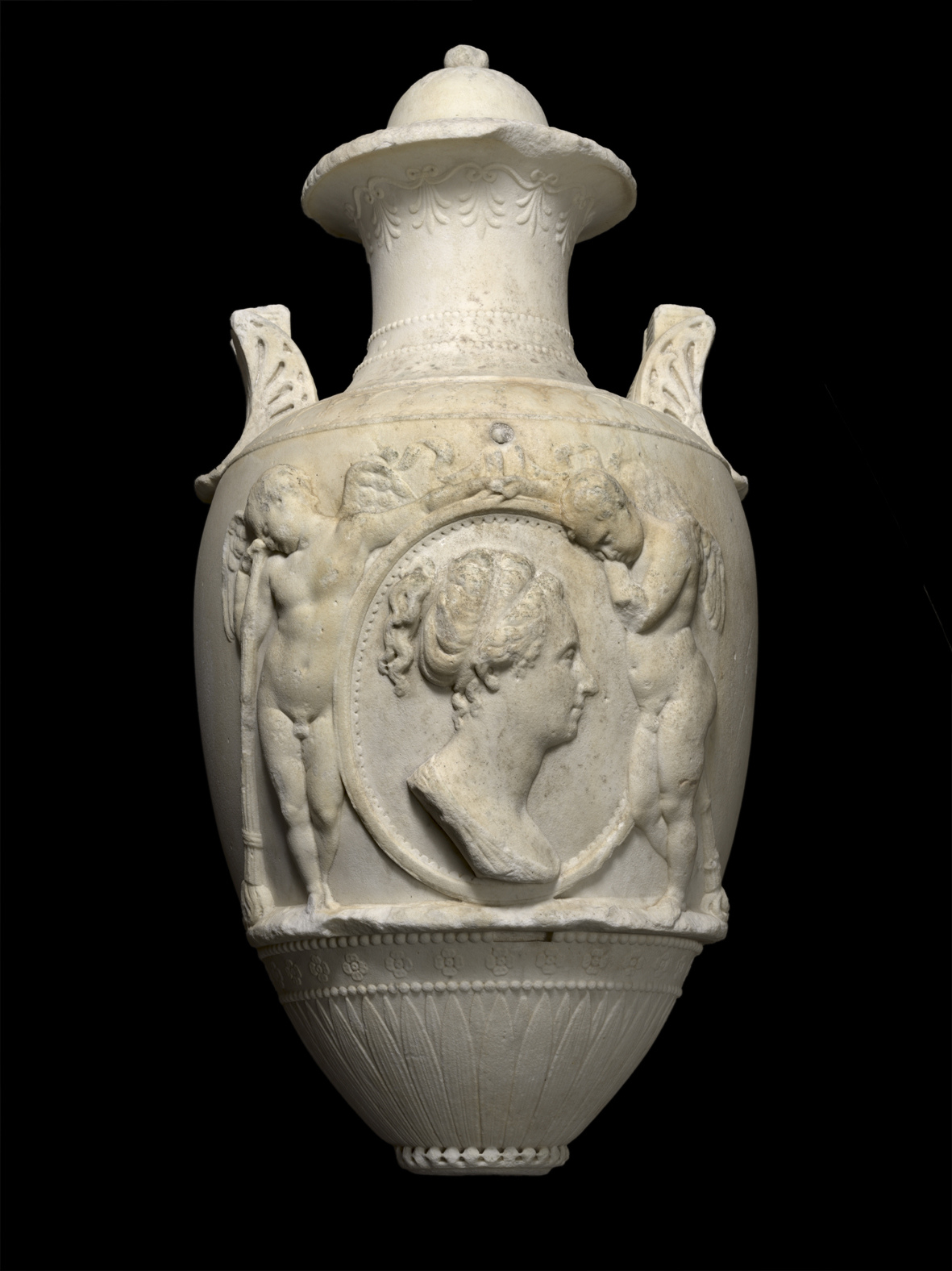
L’opera in marmo, scolpita da Antonio Canova tra il 1803 e il 1807, data per distrutta dai bombardamenti del marzo 1944 che danneggiarono profondamente il complesso degli Eremitani, è stata invece ritrovata negli ambienti della parrocchia grazie a una ricerca sull’inventario dei beni culturali ecclesiastici.
Il vaso ebbe una lunga e travagliata gestazione e solo alla fine dell’estate del 1807 giunse a Padova. Fu collocato nello spazio verde dietro l’abside della chiesa degli Eremitani e per l’occasione fu piantato appositamente un cipresso che ancora oggi vive.
Il Vaso cinerario era parte di un monumento funerario progettato e realizzato dagli architetti Domenico Fadiga e Giannantonio Selva, composto da un cippo a sostegno dell’opera canoviana su cui campeggiava una scritta di Johann Wolfgang von Goethe, una stele con l’epigrafe redatta dall’abate Stefano Antonio Morcelli e sette candelabre con altrettante iscrizioni di personaggi illustri.
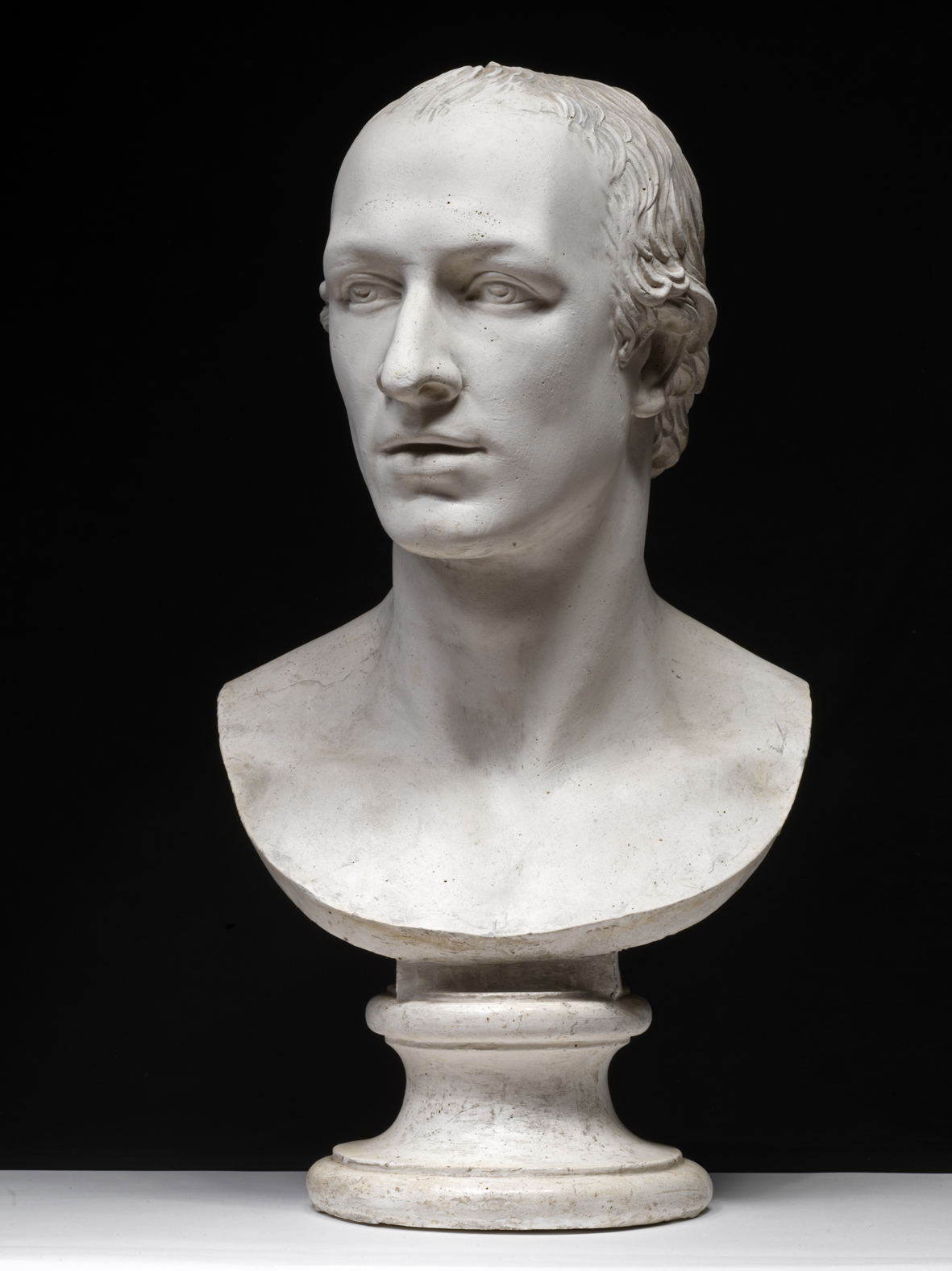
Sempre la chiesa degli Eremitani aveva ospitato fino al 1896 un altro marmo scolpito da Canova: la Stele funeraria del principe Guglielmo d’Orange Nassau (1806-1808), di cui si conserva tuttora una copia in bronzo, essendo la tomba trasferita dalla casata Orange Nassau nella chiesa nuova di Delft nei Paesi Bassi.
Le due opere in marmo evidenziano ancor di più il legame dello scultore di Possagno con la città di Padova.
Il Vaso cinerario della contessa Lodovica von Callenberg, per la prima volta esposto al pubblico, sarà il cuore della mostra “Il Canova mai visto”, curata da Andrea Nante, Elena Catra e Vittorio Pajusco, ospitata al Museo diocesano di Padova dal 30 novembre 2024 al 9 marzo 2025.
L’esposizione che farà luce su vicende che legano Padova e Canova a importanti esponenti dell’aristocrazia europea ad artisti e intellettuali come la pittrice svizzera Angelica Kaufmann, autrice di un ritratto di Canova conservato in una collezione privata a Padova ma non solo.
Oltre al Vaso cinerario di Lodovica von Callenberg, saranno esposti alcuni gessi canoviani provenienti dalla Gipsoteca di Possagno, a documentare le felici invenzioni dei geni alati e del ritratto funebre nell’attività creativa dello scultore.
Una sezione della mostra sarà dedicata a una serie di documenti, lettere e scritti del fratello mons. Giovanni Battista Sartori Canova che attestano il legame del presule, erede del fratello scultore, con il suo amato Seminario.
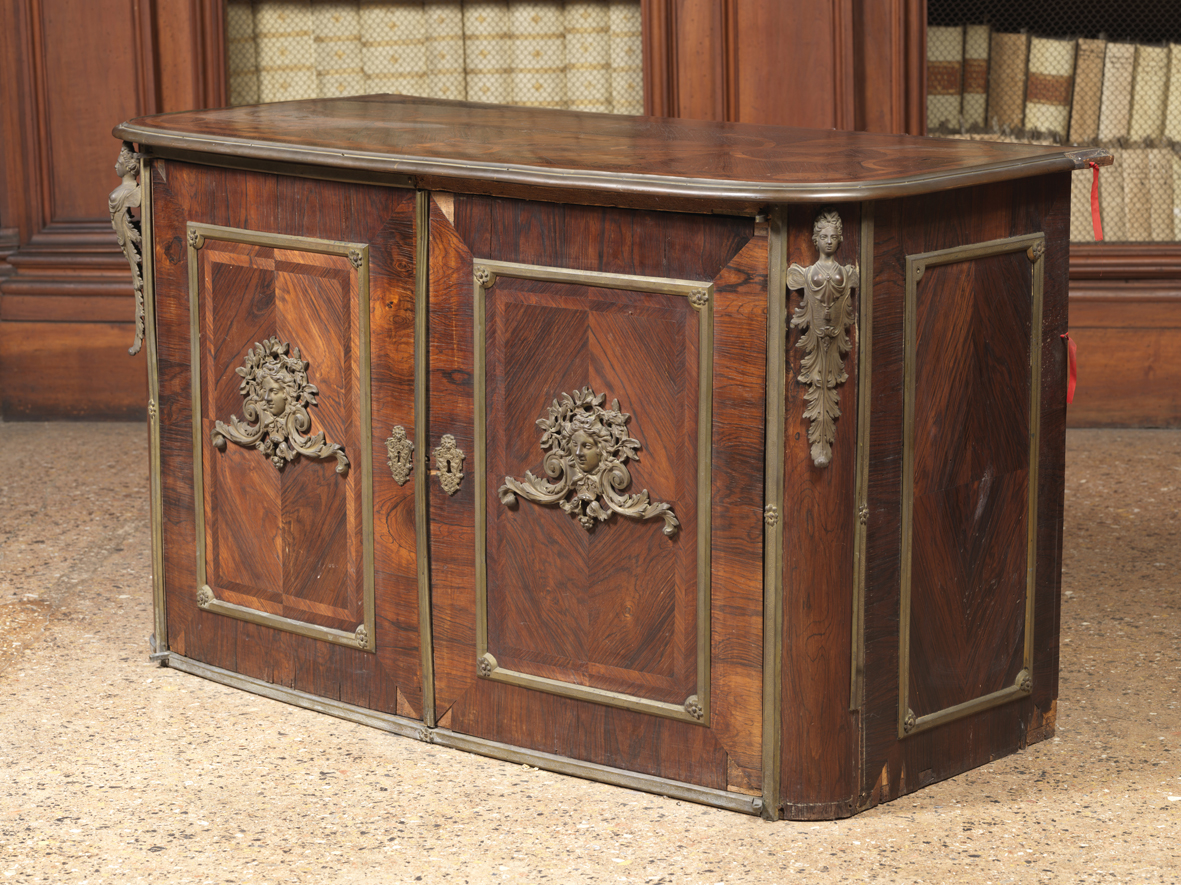
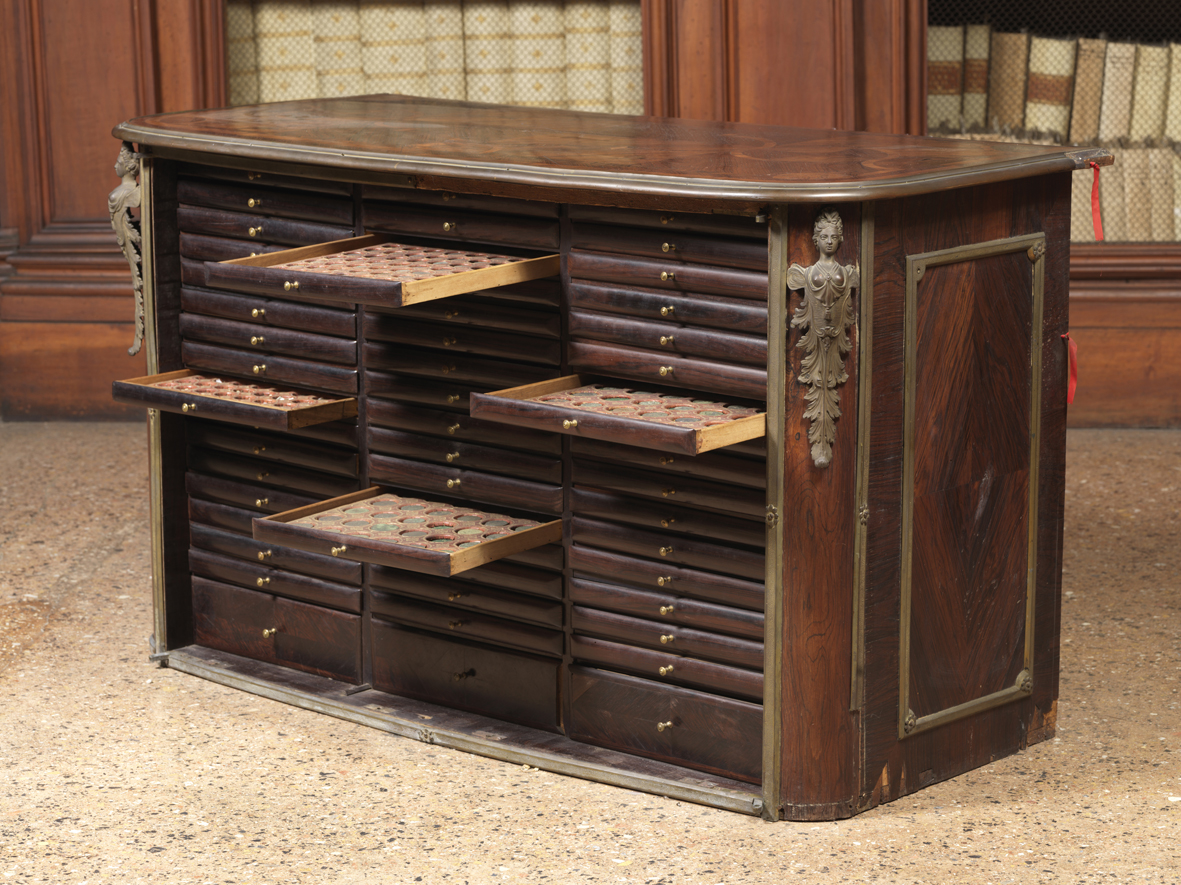
Tra i lasciti che il presule predispone, uno racconta della passione numismatica di Sartori Canova: la collezione di ben 3.600 monete dell’antica Roma, frutto di «tanti anni di cure, direi quasi appassionate».
«Con tale legato m’intendeva, Monsignore – scrive Giovanni Battista Sartori Canova all’allora vescovo di Padova Modesto Farina – non solo di dare un segno di grata ricordazione al luogo nel quale ebbi la educazione letteraria ed ecclesiastica e venni assunto al sacerdozio, ma ben anche di supplire ad un bisogno di questo istituto troppo invero scarsamente provveduto per la istruzione dei giovani sulla scienza numismatica».
L’inventario cita per la precisione «3.593 pezzi in argento e primo e secondo bronzo […] ed alcuni cotroni Consolari di n. 163 famiglie […] e quelle dell’alto impero latino di 98 teste».
Per il momento il sempre vostro Michelangelo Buonarroti vi saluta dandovi appuntamento ai prossimi post e sui social.
Exhibition: Canova never seen at the Diocesan Museum of Padua
Many exhibitions dedicated to Canova have been organized in Italy and abroad, but there are still works, documents and collections of the famous sculptor that no one, except a few scholars, has had the opportunity to see.
Among these works, it is worth mentioning the Cinerary Vase of Countess Lodovica (Luisa or Louisa) von Callenberg, now the property of the Church of Padua but originally located in the external garden of the Eremitani church in Padua.
The marble work, sculpted by Antonio Canova between 1803 and 1807, thought to have been destroyed by the bombings of March 1944 that deeply damaged the Eremitani complex, was instead found in the parish rooms thanks to research on the inventory of ecclesiastical cultural assets.
The vase had a long and troubled gestation and only arrived in Padua at the end of the summer of 1807. It was placed in the green space behind the apse of the Eremitani church and for the occasion a cypress was planted specifically that still lives today.
The cinerary vase was part of a funerary monument designed and built by the architects Domenico Fadiga and Giannantonio Selva, composed of a cippus supporting the Canova work on which stood out an inscription by Johann Wolfgang von Goethe, a stele with the epigraph written by the abbot Stefano Antonio Morcelli and seven candelabras with as many inscriptions of illustrious people.
The Eremitani church had also hosted another marble sculpted by Canova until 1896: the Funeral Stele of Prince William of Orange Nassau (1806-1808), of which a bronze copy is still preserved, the tomb having been transferred from the Orange Nassau family to the new church of Delft in the Netherlands.
The two marble works further highlight the sculptor from Possagno’s connection with the city of Padua.
The Cinerary Vase of Countess Lodovica von Callenberg, exhibited to the public for the first time, will be the heart of the exhibition “Il Canova mai visto”, curated by Andrea Nante, Elena Catra and Vittorio Pajusco, hosted at the Diocesan Museum of Padua from 30 November 2024 to 9 March 2025.
The exhibition will shed light on events that link Padua and Canova to important exponents of the European aristocracy to artists and intellectuals such as the Swiss painter Angelica Kaufmann, author of a portrait of Canova preserved in a private collection in Padua but not only.
In addition to the Cinerary Vase of Lodovica von Callenberg, some Canova plaster casts from the Gipsoteca of Possagno will be exhibited, to document the happy inventions of the winged geniuses and the funeral portrait in the sculptor’s creative activity.
A section of the exhibition will be dedicated to a series of documents, letters and writings by his brother Monsignor Giovanni Battista Sartori Canova that attest to the connection of the prelate, heir of his brother the sculptor, with his beloved Seminary.
Among the bequests that the prelate prepares, one tells of Sartori Canova’s passion for numismatics: the collection of 3,600 coins from ancient Rome, the result of “many years of care, I would almost say passionate”.
“With this legacy, Monsignor intended – wrote Giovanni Battista Sartori Canova to the then bishop of Padua Modesto Farina – not only to give a sign of grateful remembrance to the place where I had my literary and ecclesiastical education and was accepted into the priesthood, but also to fill a need of this institution that was indeed too poorly provided for the instruction of young people in numismatic science”.
The inventory specifically mentions «3,593 pieces in silver and first and second bronze […] and some Consular cotroni of n. 163 families […] and those of the high Latin empire of 98 heads».
For the moment, your always Michelangelo Buonarroti bids you farewell, making an appointment with you in the next posts and on social media.

Sostienici – Support Us
Se questo blog ti piace e ti appassiona, puoi aiutarci a farlo crescere sempre più sostenendoci in modo concreto condividendo i post, seguendo le pagine social e con un contributo che ci aiuta ad andare avanti con il nostro lavoro di divulgazione. . ENGLISH: If you like and are passionate about this blog, you can help us make it grow more and more by supporting us in a concrete way by sharing posts, following social pages and with a contribution that helps us to move forward with our dissemination work.
10,00 €
-

Più forte della morte
🇮🇹Può l’amore superare la morte? In un madrigale sorprendente, il desiderio di chi amo arriva fino all’Inferno e al Paradiso… 🇬🇧Can love transcend death? In a striking madrigal, the longing for the one I love reaches as far as Hell and Paradise…
-
Ercole Ferrata: il grande scultore che lavorò accanto a Bernini
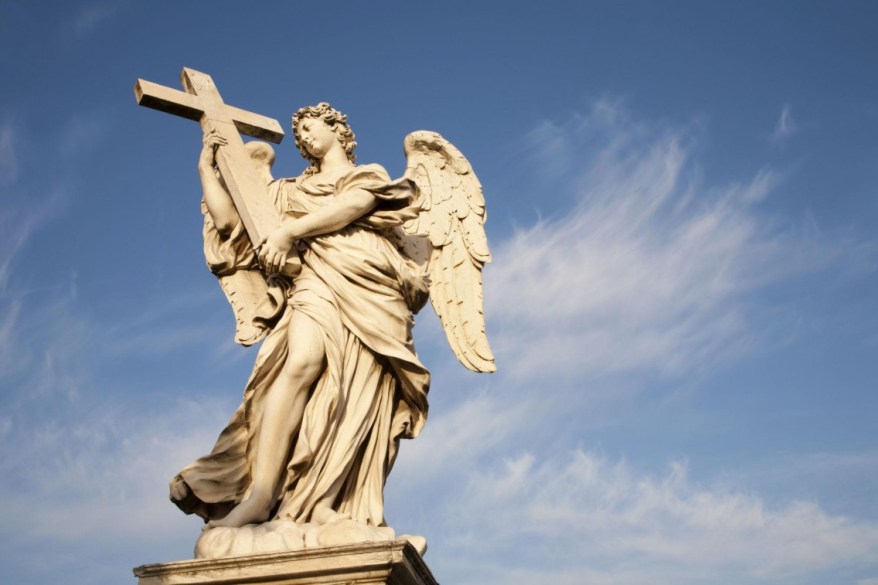
🇮🇹Chi era Ercole Ferrata? Scopri le opere dello scultore barocco che collaborò con Bernini: dall’Angelo con la Croce all’elefante della Minerva… 🇬🇧Who was Ercole Ferrata? Discover the works of the Baroque sculptor who collaborated with Bernini—from the *Angel with the Cross* to the elephant of the Minerva…
-
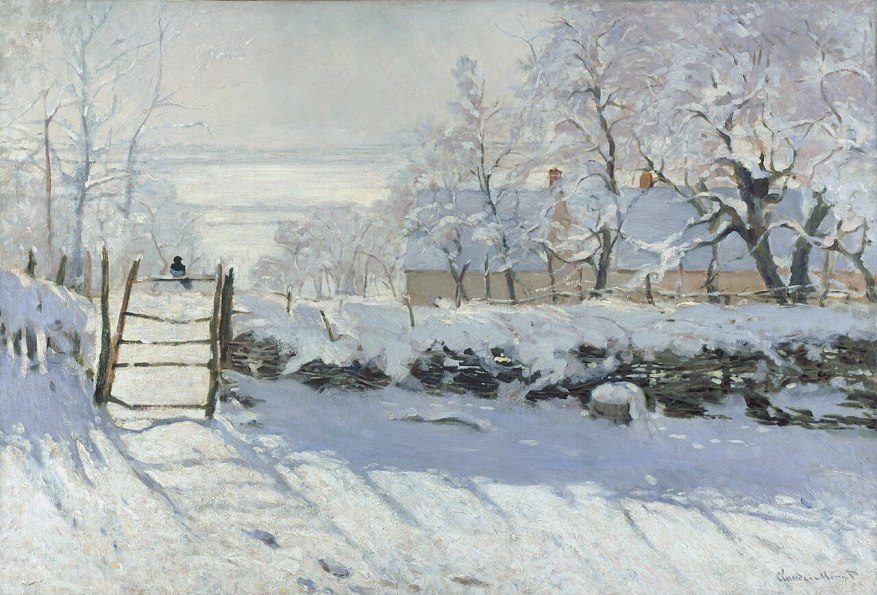
Il Natale di una volta nei dipinti: neve, case e tradizioni che abbiamo dimenticato
🇮🇹Neve, case e antiche tradizioni: scopri il Natale nascosto nei dipinti dei grandi maestri, tra paesaggi invernali, vita quotidiana e usanze dimenticate… 🇬🇧Snow, homes, and ancient traditions: discover Christmas as hidden within the paintings of the great masters—amidst winter landscapes, daily life, and forgotten customs…
Condividi:


Questo sono io




sostienici

Sostienici – Support Us
Se questo blog ti piace e ti appassiona, puoi aiutarci a farlo crescere sempre più sostenendoci in modo concreto condividendo i post, seguendo le pagine social e con un contributo che ci aiuta ad andare avanti con il nostro lavoro di divulgazione. . ENGLISH: If you like and are passionate about this blog, you can help us make it grow more and more by supporting us in a concrete way by sharing posts, following social pages and with a contribution that helps us to move forward with our dissemination work.
€10,00


