
28 luglio 1868: nasce Pellizza da Volpedo
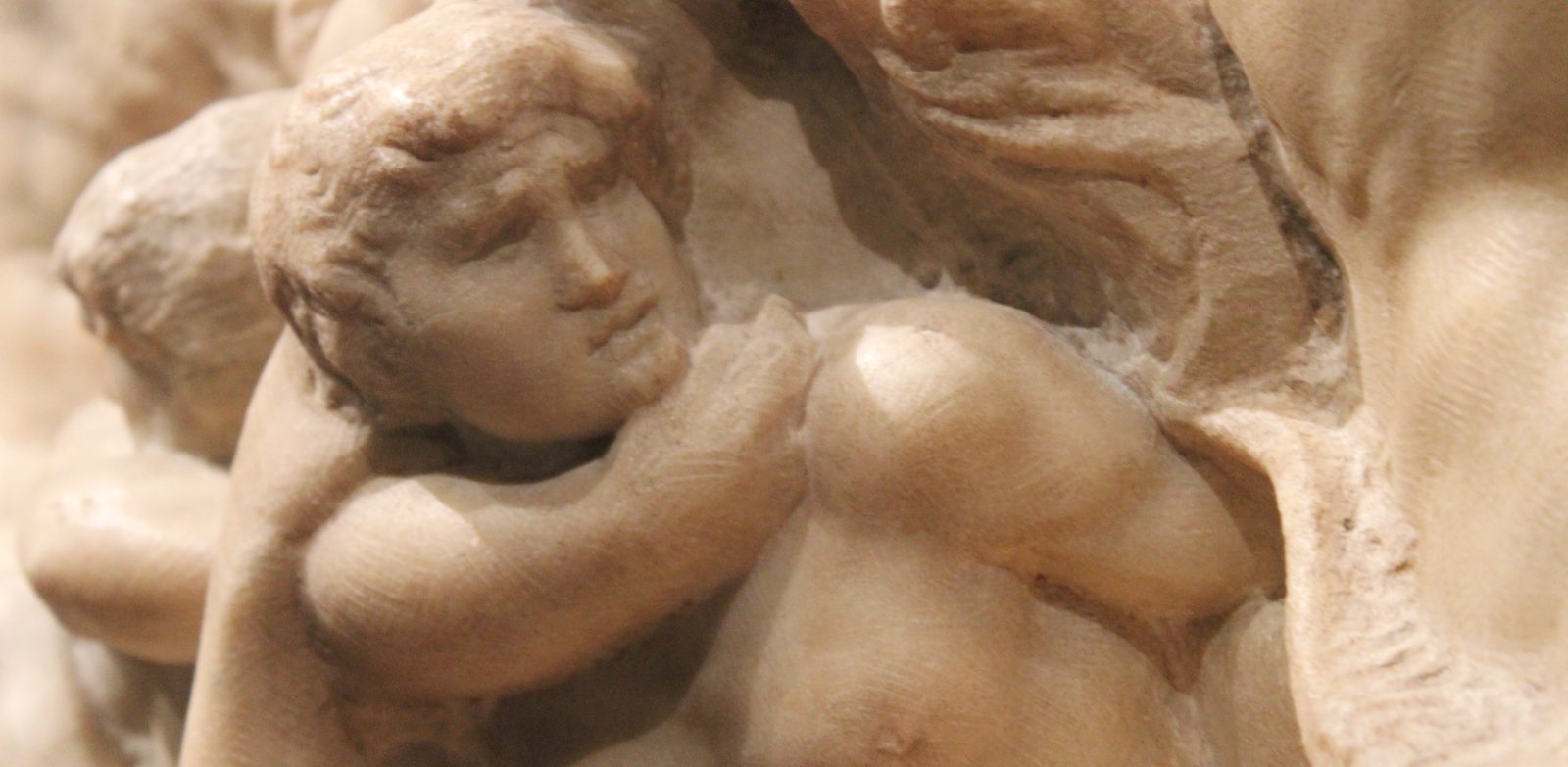
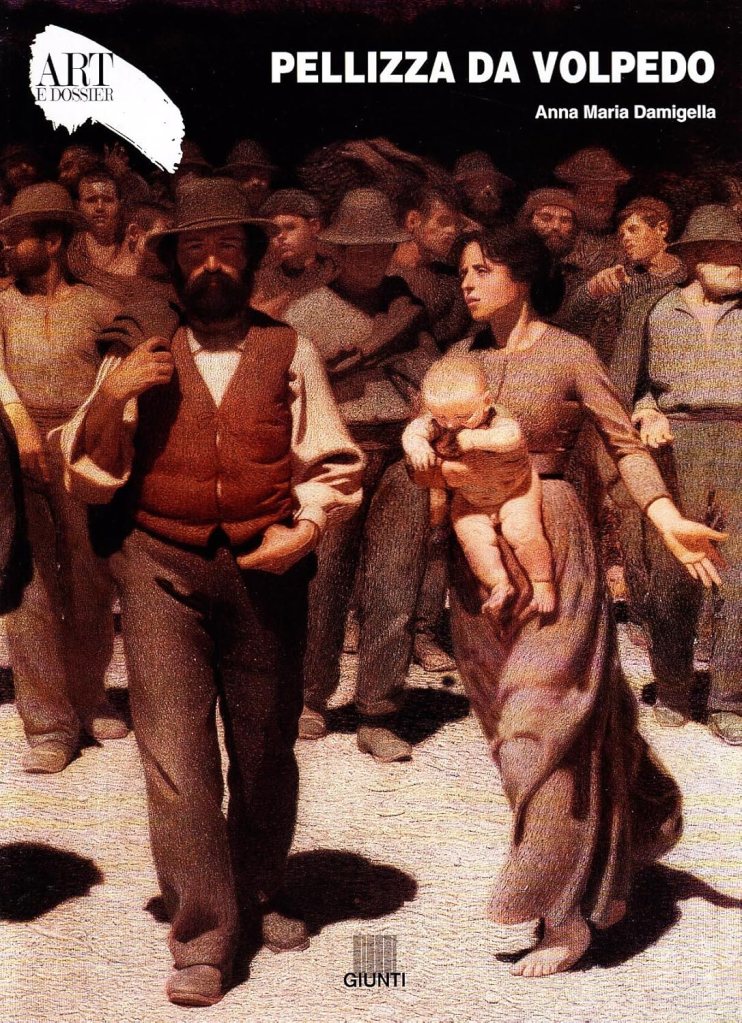
Era il 28 luglio 1868 quando, a Volpedo, un piccolo paese della provincia di Alessandria, nacque l’artista Giuseppe Pellizza da Volpedo.
La sua opera, intrisa di un profondo senso sociale e di un’intensa emotività, lo ha reso un simbolo per il movimento operaio ma anche un solido punto di riferimento per l’arte italiana.
Un’infanzia nella campagna e la passione per l’arte
Pellizza nacque in una famiglia contadina, un ambiente che lo segnò profondamente e che riprodurrà in seguito in molte delle sue opere. Fin da bambino mostrò di avere una grande passione per il disegno che lo portò a iscriversi alla scuola tecnica di Castelnuovo Scrivia per apprendere i primi rudimenti dell’arte.
Un percorso artistico tra Divisionismo e Realismo Sociale
Il suo percorso artistico lo portò a sperimentare diverse tecniche ma fu con il Divisionismo che trovò la sua piena espressione. Questa tecnica pittorica, che consiste nel creare l’immagine attraverso la giustapposizione di piccoli punti di colore, permetteva a Pellizza di ottenere effetti luminosi e vibranti, ideali per rappresentare la realtà in modo intenso e coinvolgente.

Pellizza, però, non si limitò a sperimentare nuove tecniche pittoriche. Le sue opere, infatti, sono caratterizzate da una forte componente sociale. L’artista era profondamente interessato alle condizioni di vita della classe operaia e alle lotte per la giustizia sociale. Questa sua sensibilità si manifesta in modo evidente nel suo capolavoro assoluto: “Il Quarto Stato”.
“Il Quarto Stato”: un’icona del movimento operaio
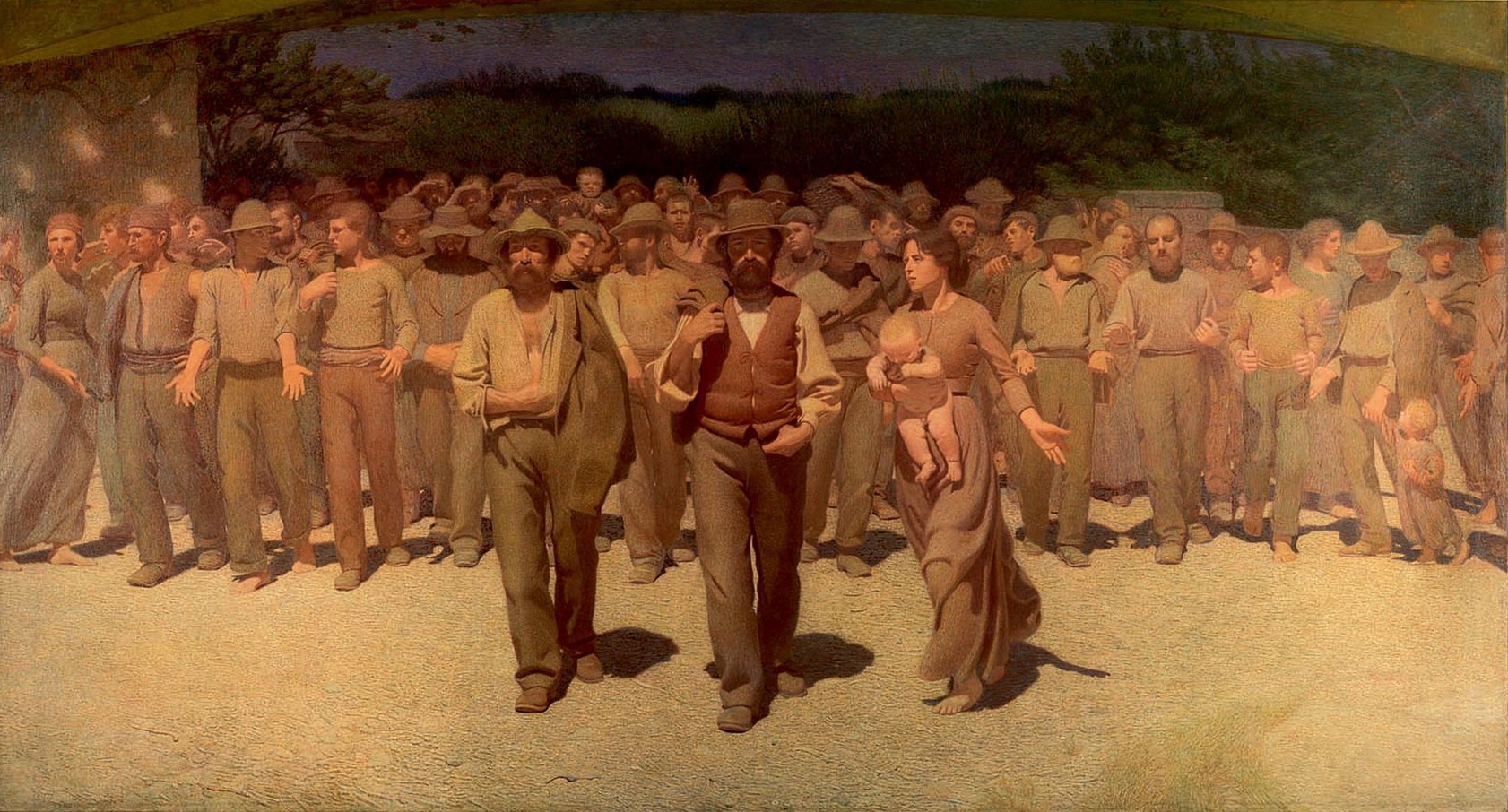
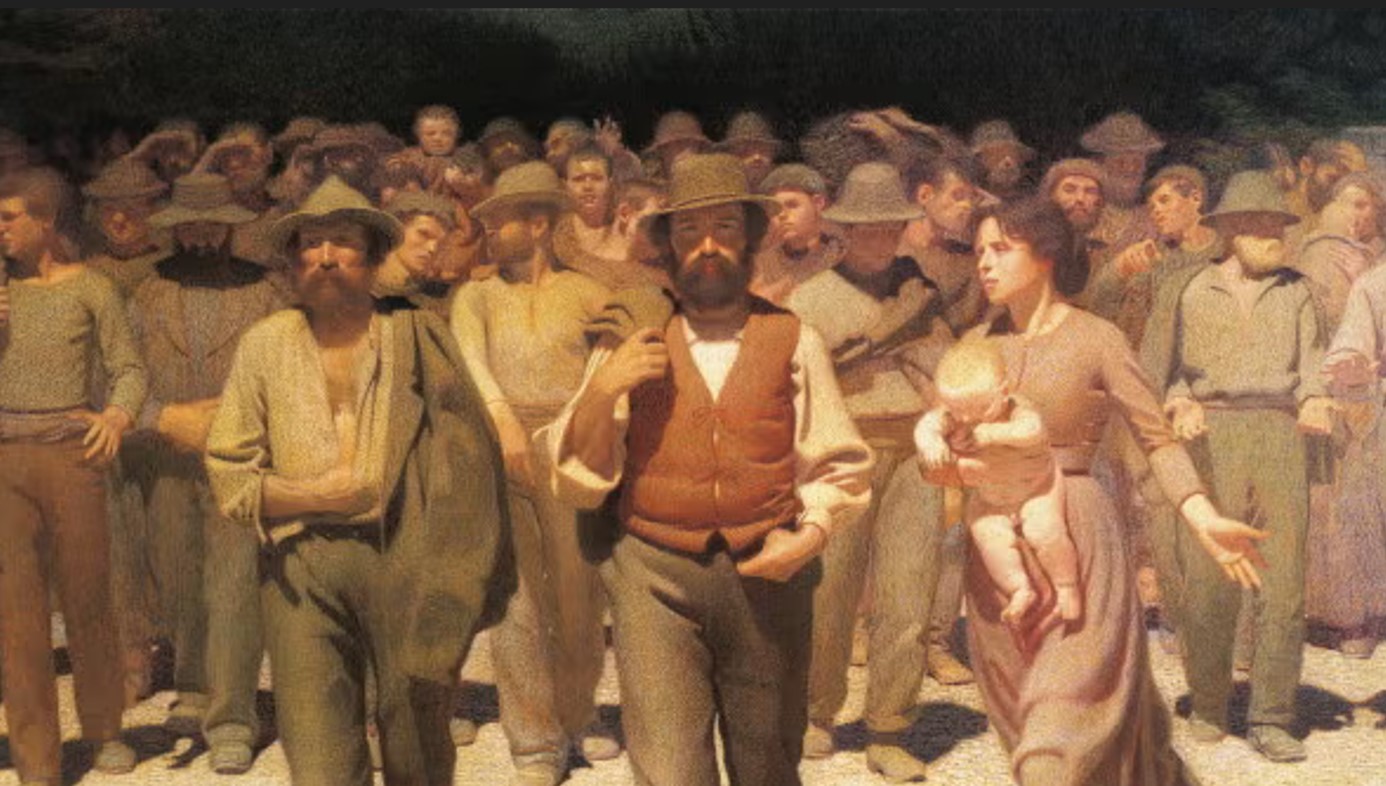
“Il Quarto Stato” è un’opera monumentale che rappresenta una folla in marcia, unita da un’unica volontà. È un’immagine potente e suggestiva che ha fatto di Pellizza un’icona del movimento operaio. In questo quadro, Pellizza non si limita a rappresentare una scena di vita, ma esprime un profondo sentimento di speranza e di riscatto.
Per il momento il sempre vostro Michelangelo Buonarroti vi saluta dandovi appuntamento ai prossimi post e sui social.

Sostienici – Support Us
Se questo blog ti piace e ti appassiona, puoi aiutarci a farlo crescere sempre più sostenendoci in modo concreto condividendo i post, seguendo le pagine social e con un contributo che ci aiuta ad andare avanti con il nostro lavoro di divulgazione. . ENGLISH: If you like and are passionate about this blog, you can help us make it grow more and more by supporting us in a concrete way by sharing posts, following social pages and with a contribution that helps us to move forward with our dissemination work.
10,00 €
July 28, 1868: Pellizza da Volpedo was born
It was July 28, 1868 when, in Volpedo, a small town in the province of Alessandria, the artist Giuseppe Pellizza da Volpedo was born. His work, imbued with a profound social sense and intense emotion, made him a symbol for the workers’ movement but also a solid point of reference for Italian art.
A childhood in the countryside and a passion for art
Pellizza was born into a peasant family, an environment that marked him deeply and that he would later reproduce in many of his works. From an early age he showed a great passion for drawing that led him to enroll in the technical school of Castelnuovo Scrivia to learn the first rudiments of art.
An artistic journey between Divisionism and Social Realism
His artistic journey led him to experiment with different techniques but it was with Divisionism that he found his full expression. This pictorial technique, which consists of creating the image through the juxtaposition of small dots of color, allowed Pellizza to obtain bright and vibrant effects, ideal for representing reality in an intense and engaging way.
Pellizza, however, did not limit himself to experimenting with new pictorial techniques. His works, in fact, are characterized by a strong social component. The artist was deeply interested in the living conditions of the working class and the struggles for social justice. This sensitivity is clearly evident in his absolute masterpiece: “The Fourth Estate”.
“The Fourth Estate”: an icon of the labor movement
“The Fourth Estate” is a monumental work that represents a crowd on the march, united by a single will. It is a powerful and evocative image that made Pellizza an icon of the labor movement. In this painting, Pellizza does not limit himself to representing a scene of life, but expresses a profound feeling of hope and redemption.
For now, yours ever Michelangelo Buonarroti bids you farewell, making an appointment to see you in the next posts and on social media.
Sostienici – Support Us
Se questo blog ti piace e ti appassiona, puoi aiutarci a farlo crescere sempre più sostenendoci in modo concreto condividendo i post, seguendo le pagine social e con un contributo che ci aiuta ad andare avanti con il nostro lavoro di divulgazione. . ENGLISH: If you like and are passionate about this blog, you can help us make it grow more and more by supporting us in a concrete way by sharing posts, following social pages and with a contribution that helps us to move forward with our dissemination work.
10,00 €
Condividi:


Questo sono io





sostienici

Sostienici - Support Us
Se questo blog ti piace e ti appassiona, puoi aiutarci a farlo crescere sempre più sostenendoci in modo concreto condividendo i post, seguendo le pagine social e con un contributo che ci aiuta ad andare avanti con il nostro lavoro di divulgazione. . ENGLISH: If you like and are passionate about this blog, you can help us make it grow more and more by supporting us in a concrete way by sharing posts, following social pages and with a contribution that helps us to move forward with our dissemination work.
€10,00


