

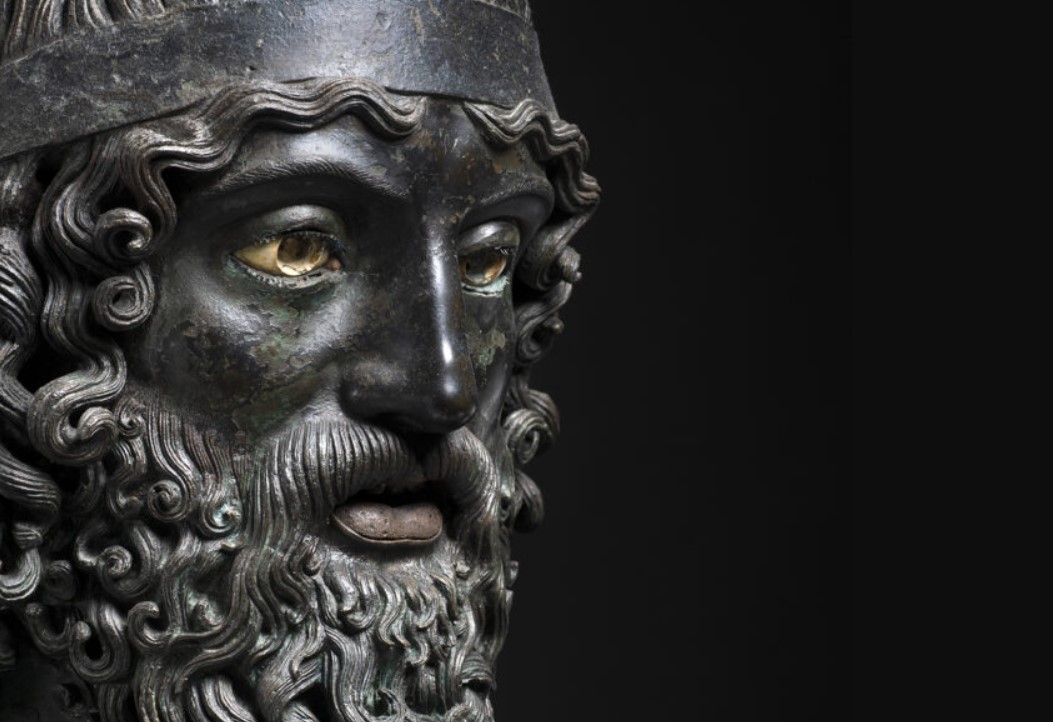
Bronzi di Riace: la nuova scoperta. Provenienti da Siracusa?
I Bronzi di Riace potrebbero provenire da Siracusa: è questo ciò che sta emergendo dagli ultimi studi condotti da Madeddu e Cirrincione.
I due studiosi, lavorando assieme a una nutrita equipe del dipartimento etneo, hanno potuto confrontare le caratteristiche geologiche delle terre adoperate sotto le saldature dei Bronzi di Riace pubblicate dall’Istituto Centrale del Restauro con le campionature prelevate nei pressi della foce del fiume a sud di Siracusa, l’Anapo, riscontrando numerosi elementi in comune.

L’ipotesi che i Bronzi di Riace fossero stati realizzati in Sicilia era già stata avanzata in passato da archeologi come Anne Marguerite McCann e Robert Ross Holloway. McCan addirittura aveva ipotizzato raffigurassero i due signori di Siracusa ovvero i fratelli Gelone e Ierone.
Secondo il parere di Holloway, il vasellame che era depositato al di sopra delle due opere non era compatibili con il luogo di rinvenimento, cosa che a suo dire dimostrava il fatto che erano state rinvenute altrove e poi spostate nei fondali marini di Riace.

L’originario affondamento dei Bronzi è abitualmente ricondotto ai trafugamenti di opere d’arte effettuato dai Romani nei confronti delle città greche conquistate. Dato che quel vasellame risale alla media età ellenistica, Holloway dedusse che le due opere fossero state prese dalla sola città greca conquistata dai Romani nel III secolo a.C: Siracusa.
Le conoscenze archeometriche più recenti sembrerebbero individuare in Argo l’origine delle terre di cottura presenti all’intero dei Bronzi ma quelle al di sotto delle saldature sono completamente differenti.

La fusione dei bronzi fu fatta a parti separate, assemblate successivamente nel luogo della collocazione definitiva. Le terre di saldature quindi dovrebbero indicare il luogo della collocazione dell’opera. Proprio quelle terre, secondo i più recenti studi, sono compatibili con quelle campionate nella zona di Siracusa.
“Ciò che sorprende maggiormente – dichiarano congiuntamente Madeddu e Cirrincione a nome dell’intera equipe – è la straordinaria corrispondenza dei contenuti di elementi in traccia tra le terre di saldatura e i campioni prelevati nell’area dell’Anapo. Si tratta di elementi considerati immobili dal punto di vista geochimico e dunque non modificabili da fattori esogeni e pertanto fortemente indicativi, così da diventarne una sorta di DNA, di codice genetico, che individua e distingue i vari tipi di litotipi argillosi. Ebbene, la composizione percentuale di questi elementi osservati nelle terre delle saldature dei Bronzi di Riace e in quelle oggetto del prelievo effettuato in questa precisa area del siracusano, sono pressoché identiche”.
In attesa di nuovi sviluppi, il sempre vostro Michelangelo Buonarroti vi saluta dandovi appuntamento ai prossimi post e sui social.


Sostienici – Support Us
Se questo blog ti piace e ti appassiona, puoi aiutarci a farlo crescere sempre più sostenendoci in modo concreto condividendo i post, seguendo le pagine social e con un contributo che ci aiuta ad andare avanti con il nostro lavoro di divulgazione. . ENGLISH: If you like and are passionate about this blog, you can help us make it grow more and more by supporting us in a concrete way by sharing posts, following social pages and with a contribution that helps us to move forward with our dissemination work.
10,00 €
Riace Bronzes: the new discovery. Coming from Syracuse?
The Riace Bronzes could come from Syracuse: this is what is emerging from the latest studies conducted by Madeddu and Cirrincione.
The two scholars, working together with a large team from the Etna department, were able to compare the geological characteristics of the earth used under the welding of the Riace Bronzes published by the Central Institute of Restoration with the samples taken near the mouth of the river south of Syracuse: the Anapo, finding numerous elements in common.
The hypothesis that the Riace Bronzes were made in Sicily had already been advanced in the past by archaeologists such as Anne Marguerite McCann and Robert Ross Holloway. McCan had even hypothesized that they depicted the two lords of Syracuse, namely the brothers Gelone and Ierone.
In Holloway’s opinion, the pottery that was deposited on top of the two works was not compatible with the place of discovery, which in his opinion demonstrated the fact that they had been found elsewhere and then moved to the seabed of Riace.
The original sinking of the Bronzes is usually linked to the theft of works of art carried out by the Romans against conquered Greek cities. Since that pottery dates back to the middle Hellenistic age, Holloway deduced that the two works had been taken from the only Greek city conquered by the Romans in the 3rd century BC: Syracuse.
The most recent archaeometric knowledge would seem to identify Argos as the origin of the firing earth present inside the Bronzes, but those under the welds are completely different.
The bronzes were cast in separate parts that were subsequently assembled in the place of their final placement. The welding earth should therefore indicate the place of placement of the work. Precisely those lands, according to the most recent studies, are compatible with those sampled in the Syracuse area.
“What is most surprising – jointly declare Madeddu and Cirrincione on behalf of the entire team – is the extraordinary correspondence of the contents of trace elements between the welding lands and the samples taken in the Anapo area. These are elements considered immobile from a geochemical point of view and therefore not modifiable by exogenous factors and therefore highly indicative, so as to become a sort of DNA, a genetic code, which identifies and distinguishes the various types of clayey lithotypes. Well, the percentage composition of these elements observed in the welding lands of the Riace Bronzes and in those sampled in this specific area of the Syracuse area, are almost identical”.
While waiting for new developments, the ever-your Michelangelo Buonarroti bids you farewell, making an appointment with you in the next posts and on social media.
Sostienici – Support Us
Se questo blog ti piace e ti appassiona, puoi aiutarci a farlo crescere sempre più sostenendoci in modo concreto condividendo i post, seguendo le pagine social e con un contributo che ci aiuta ad andare avanti con il nostro lavoro di divulgazione. . ENGLISH: If you like and are passionate about this blog, you can help us make it grow more and more by supporting us in a concrete way by sharing posts, following social pages and with a contribution that helps us to move forward with our dissemination work.
10,00 €
-
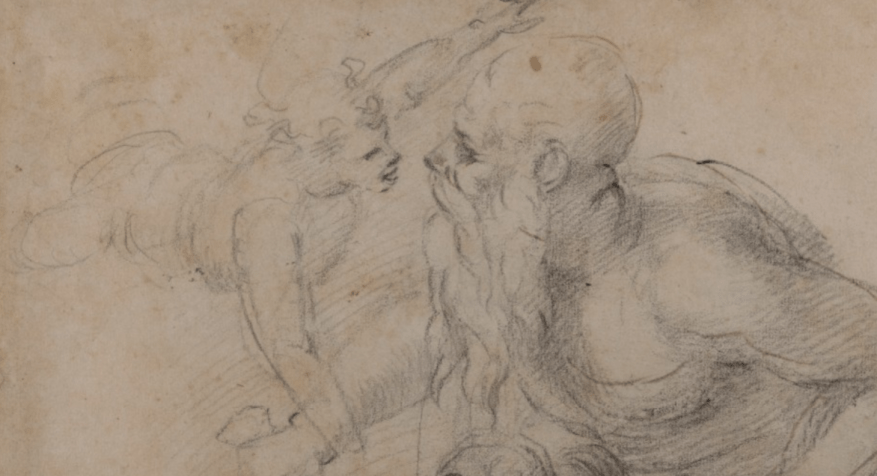
Il Sacrificio di Isacco e quel momento tra la vita e la morte
🇮🇹Oggi voglio raccontarvi alcuni dettagli sul mio disegno del Sacrificio di Isacco, conservato oggi a Casa Buonarroti. Su quel foglio volli tracciare il momento preciso in cui la paura fa spazio al miracolo… 🇬🇧Today I want to tell you some details about my drawing of the Sacrifice of Isaac, now preserved at Casa Buonarroti. On…
-
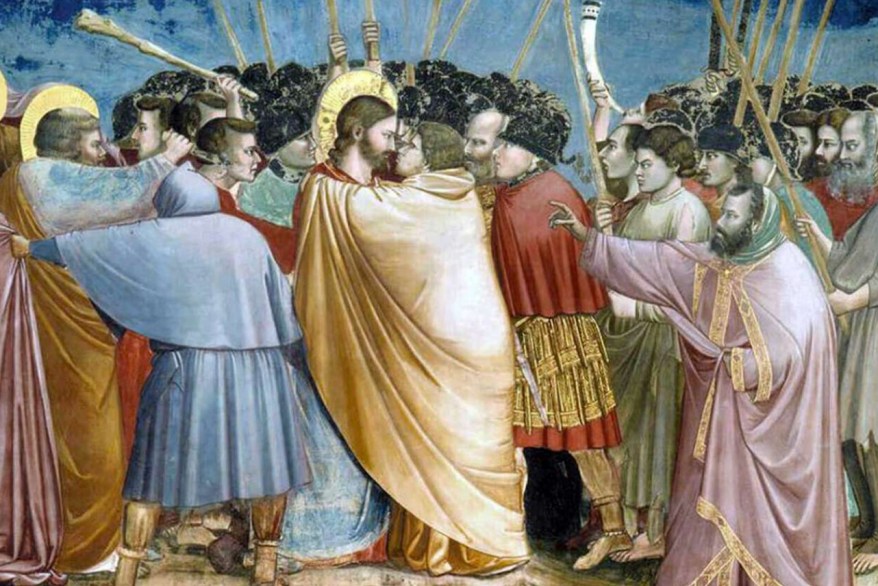
Mercoledì Santo: il giorno del tradimento di Giuda affrescato da Giotto
🇮🇹Il Mercoledì Santo è il giorno del silenzio, della riflessione e del tradimento. È il momento in cui Giuda sceglie di vendere Gesù per trenta denari, segnando uno dei passaggi più dolorosi della Settimana Santa…. 🇬🇧Holy Wednesday is a day of silence, reflection, and betrayal. ✝It is the moment when Judas chooses to sell Jesus…
-
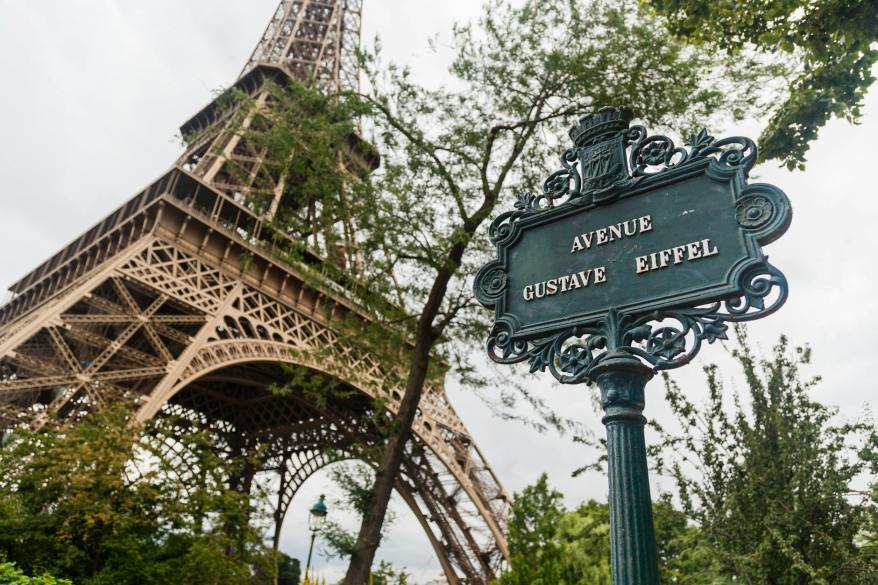
31 marzo 1889: inaugurata la Torre Eiffel tra critiche feroci e un destino inaspettato
🇮🇹Il 31 marzo 1889 segna una data destinata a cambiare per sempre il volto di Parigi e dell’immaginario collettivo globale: viene inaugurata la Torre Eiffel, l’opera più audace e discussa del suo tempo… 🇬🇧March 31, 1889 marks a date destined to change the face of Paris and the global collective imagination forever: the Eiffel Tower,…
Condividi:


Questo sono io





sostienici

Sostienici - Support Us
Se questo blog ti piace e ti appassiona, puoi aiutarci a farlo crescere sempre più sostenendoci in modo concreto condividendo i post, seguendo le pagine social e con un contributo che ci aiuta ad andare avanti con il nostro lavoro di divulgazione. . ENGLISH: If you like and are passionate about this blog, you can help us make it grow more and more by supporting us in a concrete way by sharing posts, following social pages and with a contribution that helps us to move forward with our dissemination work.
€10,00


