
Il San Tommaso più celebre nel mondo dell’arte: quello di Caravaggio
Oggi 3 luglio la chiesa cattolica ricorda San Tommaso, l’apostolo della fede audace. Noto per il suo scetticismo e per aver bisogno di prove concrete per credere nella risurrezione di Cristo, è stato raffigurato molte volte dagli artisti nei secoli.
Sicuramente la rappresentazione più celebre è quella di Caravaggio che volle dipingere proprio la sua incredulità.
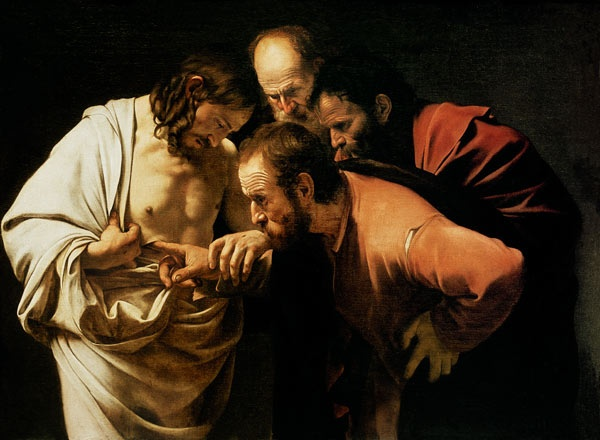
Nell’opera Caravaggio fa esplicito riferimento al momento in cui, dopo l’apparizione di Gesù agli apostoli, San Tommaso si mostrò restìo nel credere che quello che vedeva davanti ai suoi occhi fosse proprio Cristo resuscitato.
Senza esitare affermò che avrebbe creduto a quella visione solo mettendo un dito nella piaga.
“Otto giorni dopo Gesù apparve di nuovo agli apostoli e visto fra di loro Tommaso gli disse:” Metti qui il tuo dito e guarda le mie mani; tendi la tua mano e mettila nel mio fianco; e non essere incredulo, ma credente!” (Gv. 20,19-31 ).
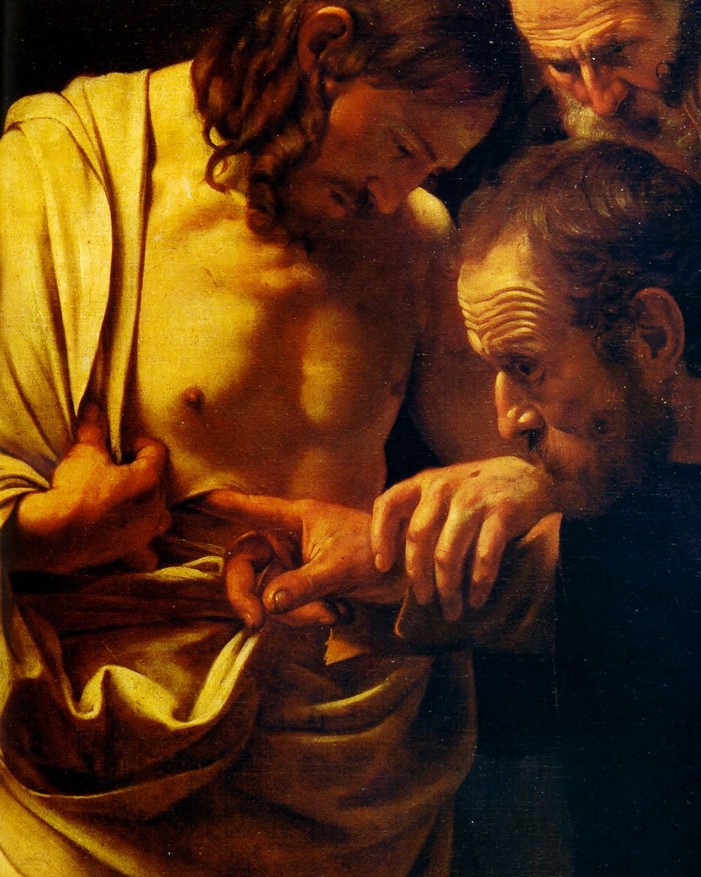
Con un taglio quasi fotografico, Caravaggio dipinge quell’istante collocando le quattro figure contro uno sfondo scuro.
L’inquadratura di tre quarti permette allo spettatore di vedere bene la scena che si sta svolgendo in quel preciso istante. Gli sguardi degli apostoli e di Cristo invece invitano lo spettatore a concentrare tutta l’attenzione sul gesto compiuto da San Tommaso.
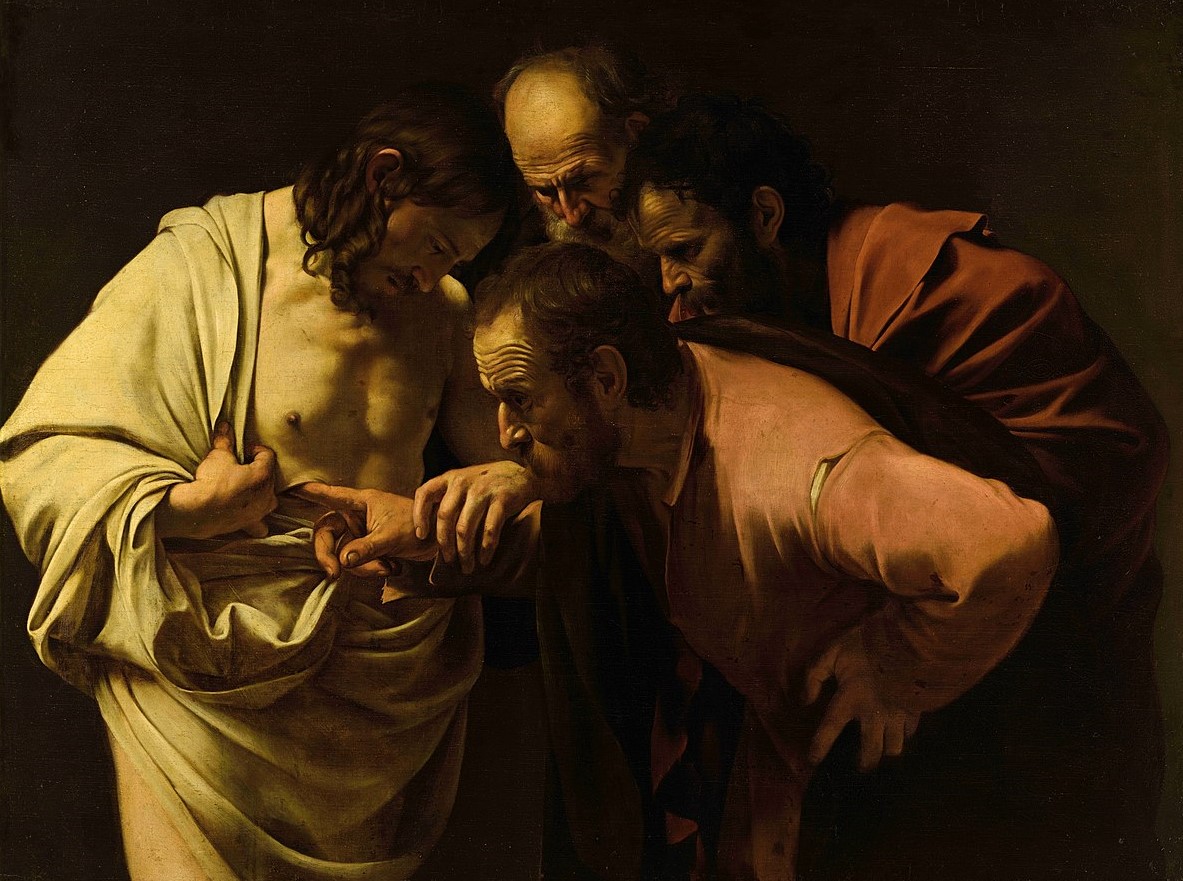
Questo dipinto realizzato a olio su tela fra il 1600 e i 1601, era attestato fra i beni in possesso di Vincenzo Giustiniani già a partire dal 1606. Successivamente, nell’inventario del lascito Giustiniani, l’opera venne descritta come ‘S. Tomaso che mette il dito nella Piaga del Costato di Nostro Signore, di Michel’Angelo Caravaggio’.
La tela rimase in casa Giustiniani fino a quando, nel 1815, il re di Prussia la acquisì assieme al nucleo principale della collezione. Una volta che l’opera giunse a Berlino, fu giudicata non idonea per il museo: pensate un po’ che assurdità.
Fu così messo a disposizione della corte e finì per arricchire lo Stadtschloss di Berlino. Requisito poi durante dalle forze armate russe durante l’occupazione alla fine della seconda guerra mondiale, fu restituito solo nel 1958 alla Germania.
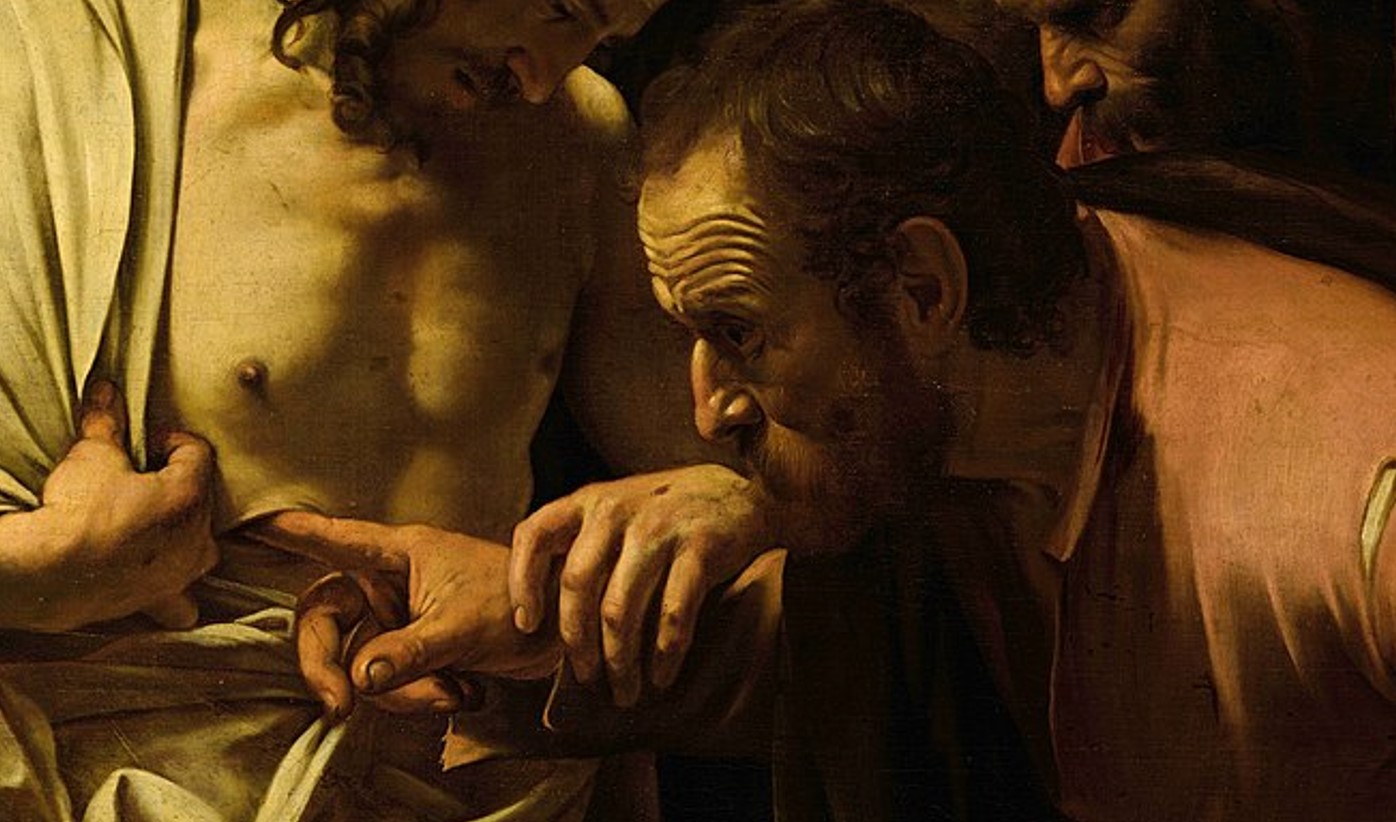
Oggi questo capolavoro appartiene alle collezioni del Bildergalerie di Postdam ma ne esistono altre versioni sempre realizzate dall’artista, ubicate in una collezione privata bolognese e a Parigi.
Per il momento il sempre vostro Michelangelo Buonarroti vi saluta dandovi appuntamento ai prossimi post e sui social.
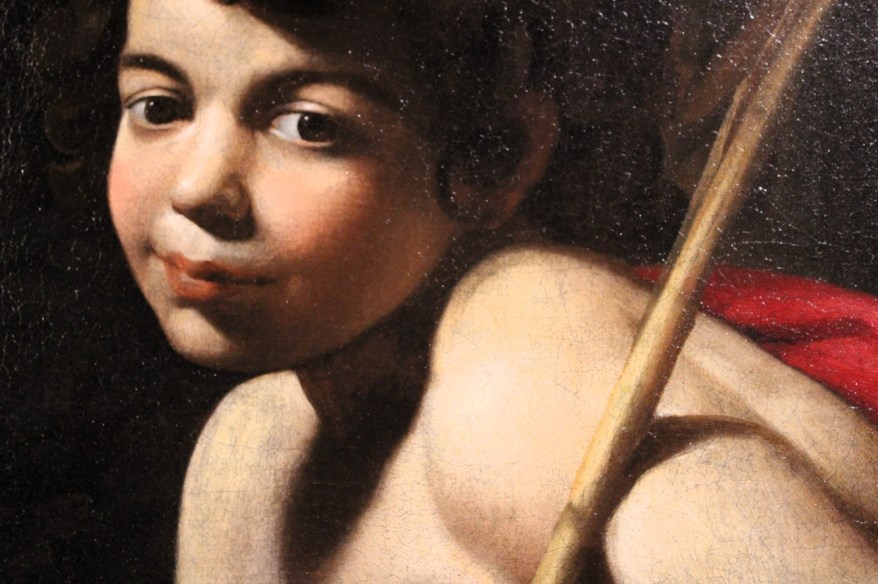
The most famous Saint Thomas in the art world: that of Caravaggio
Today, July 3, the Catholic Church remembers Saint Thomas, the apostle of bold faith. Known for his skepticism and needing concrete evidence to believe in Christ’s resurrection, he has been depicted many times by artists over the centuries.
Certainly the most famous representation is that of Caravaggio who wanted to paint his incredulity.
In the work Caravaggio explicitly refers to the moment in which, after the appearance of Jesus to the apostles, Saint Thomas was reluctant to believe that what he saw before his eyes was precisely the resurrected Christ.
Without hesitation he stated that he would only believe that vision if he put a finger on the wound.
“Eight days later Jesus appeared again to the apostles and seeing Thomas among them said to him: “Put your finger here and look at my hands; stretch out your hand and put it in my side; and do not be an unbeliever, but a believer!” (Jn. 20,19-31).
With an almost photographic approach, Caravaggio paints that moment by placing the four figures against a dark background.
The three-quarter shot allows the viewer to clearly see the scene that is unfolding at that precise moment. The gazes of the apostles and Christ instead invite the spectator to concentrate all his attention on the gesture performed by Saint Thomas.
This painting, made in oil on canvas between 1600 and 1601, was attested among the assets in the possession of Vincenzo Giustiniani as early as 1606. Subsequently, in the inventory of the Giustiniani legacy, the work was described as ‘S. Thomas placing his finger in the Wound of the Side of Our Lord, by Michel’Angelo Caravaggio’.
The canvas remained in the Giustiniani house until, in 1815, the King of Prussia acquired it together with the main nucleus of the collection. Once the work arrived in Berlin, it was deemed unsuitable for the museum: imagine what an absurdity it was.
It was thus made available to the court and ended up enriching the Stadtschloss of Berlin. Then requisitioned by the Russian armed forces during the occupation at the end of the Second World War, it was only returned to Germany in 1958.
Today this masterpiece belongs to the collections of the Bildergalerie in Potsdam but there are other versions also created by the artist, located in a private collection in Bologna and in Paris.
For the moment, your always Michelangelo Buonarroti greets you and will meet you in the next posts and on social media.

Sostienici – Support Us
Se questo blog ti piace e ti appassiona, puoi aiutarci a farlo crescere sempre più sostenendoci in modo concreto condividendo i post, seguendo le pagine social e con un contributo che ci aiuta ad andare avanti con il nostro lavoro di divulgazione. . ENGLISH: If you like and are passionate about this blog, you can help us make it grow more and more by supporting us in a concrete way by sharing posts, following social pages and with a contribution that helps us to move forward with our dissemination work.
10,00 €
-
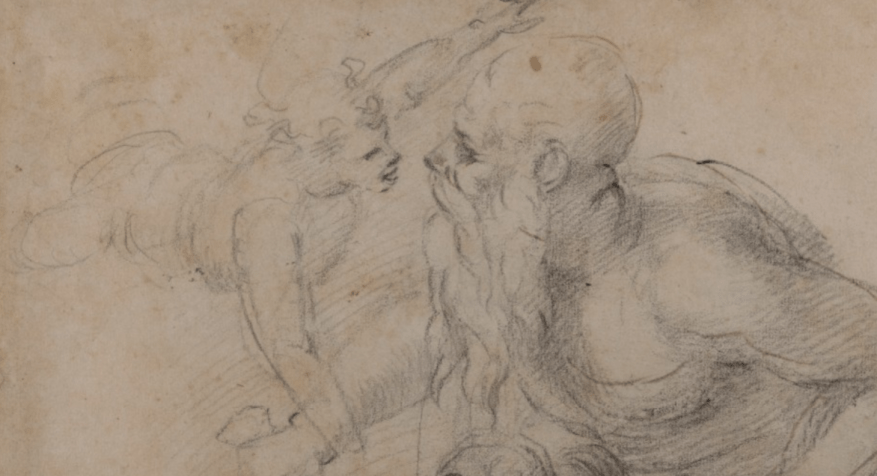
Il Sacrificio di Isacco e quel momento tra la vita e la morte
🇮🇹Oggi voglio raccontarvi alcuni dettagli sul mio disegno del Sacrificio di Isacco, conservato oggi a Casa Buonarroti. Su quel foglio volli tracciare il momento preciso in cui la paura fa spazio al miracolo… 🇬🇧Today I want to tell you some details about my drawing of the Sacrifice of Isaac, now preserved at Casa Buonarroti. On…
-
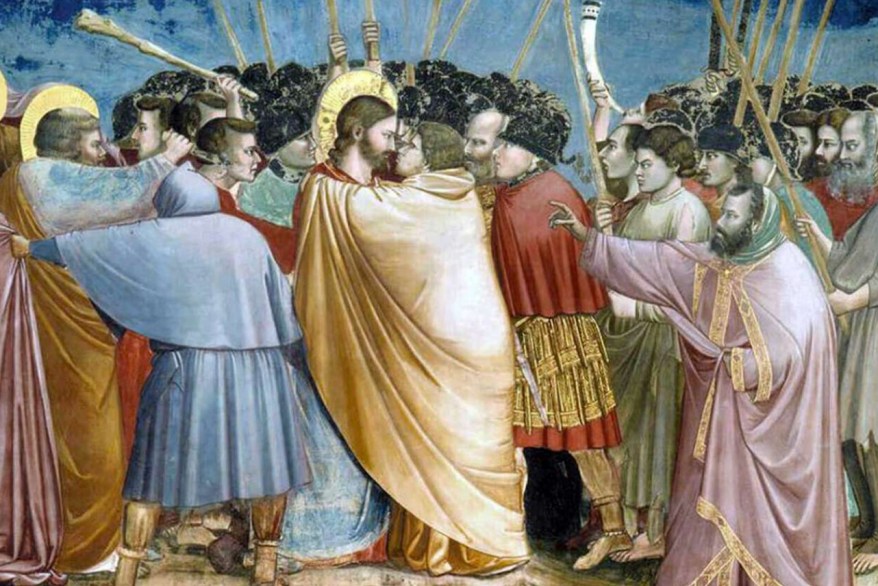
Mercoledì Santo: il giorno del tradimento di Giuda affrescato da Giotto
🇮🇹Il Mercoledì Santo è il giorno del silenzio, della riflessione e del tradimento. È il momento in cui Giuda sceglie di vendere Gesù per trenta denari, segnando uno dei passaggi più dolorosi della Settimana Santa…. 🇬🇧Holy Wednesday is a day of silence, reflection, and betrayal. ✝It is the moment when Judas chooses to sell Jesus…
-
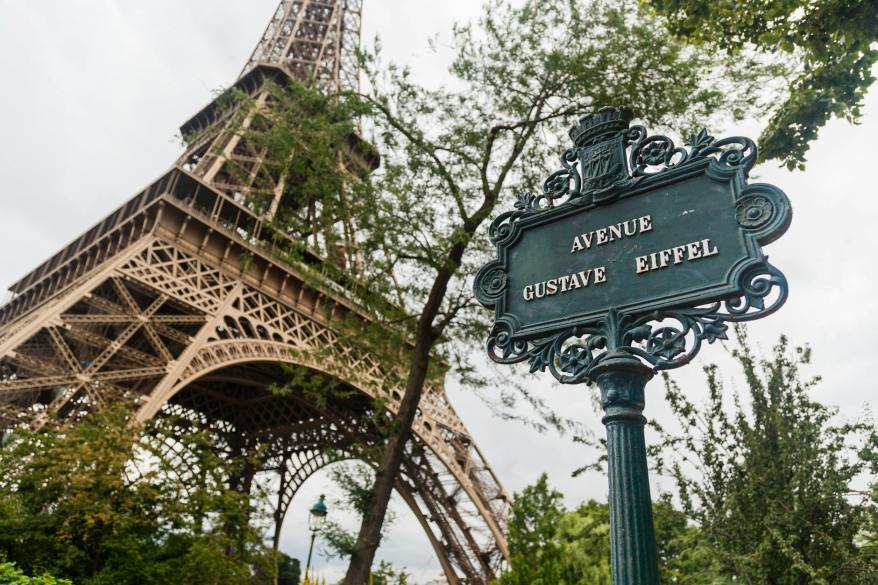
31 marzo 1889: inaugurata la Torre Eiffel tra critiche feroci e un destino inaspettato
🇮🇹Il 31 marzo 1889 segna una data destinata a cambiare per sempre il volto di Parigi e dell’immaginario collettivo globale: viene inaugurata la Torre Eiffel, l’opera più audace e discussa del suo tempo… 🇬🇧March 31, 1889 marks a date destined to change the face of Paris and the global collective imagination forever: the Eiffel Tower,…
Condividi:


Questo sono io





sostienici

Sostienici - Support Us
Se questo blog ti piace e ti appassiona, puoi aiutarci a farlo crescere sempre più sostenendoci in modo concreto condividendo i post, seguendo le pagine social e con un contributo che ci aiuta ad andare avanti con il nostro lavoro di divulgazione. . ENGLISH: If you like and are passionate about this blog, you can help us make it grow more and more by supporting us in a concrete way by sharing posts, following social pages and with a contribution that helps us to move forward with our dissemination work.
€10,00


1 commento »