
La Scultura del giorno: la Bagnante di Andreini
La scultura del giorno che vi propongo oggi è la Bagnante scolpita da Ferdinando Andreini verso la fine dell’Ottocento.
Andreini era stato allievo a Firenze dello scultore Ulisse Cambi e deve la sua fama al busto di Vittorio Emanuele che scolpì per il Salone de’ Cinquecento a Firenze.

La Bagnante fa parte di una serie di opere che Andreini realizzò negli ultimi 25 anni dell’Ottocento che avevano per tema il corpo femminile privo di vesti.
Appartengono a quel periodo, oltre la Bagnante, la Ninfa dei boschi e Psiche.
La Bagnante è completamente nuda ma tiene con le due mani un panneggio che le copre parzialmente il corpo, lasciando intuire cosa celi al di sotto.

Ha un volto caratterizzato da lineamenti delicati, incorniciato da capelli fluenti che le ricadono morbidi sulle spalle mentre sul capo sfoggia un diadema.
Scolpita in candido marmo statuario di Carrara, l’opera appartiene a una collezione privata spagnola ed è firmata sulla base F. E reini.

A catturare l’attenzione dello spettatore in questa opera è l’armonia delle forme e la sensualità del corpo della giovane con quel drappo sottile come un velo che sembra una seconda pelle.

Per il momento il vostro Michelangelo Buonarroti vi saluta dandovi appuntamento ai prossimi post e sui social.



Sostienici – Support Us
Se questo blog ti piace e ti appassiona, puoi aiutarci a farlo crescere sempre più sostenendoci in modo concreto condividendo i post, seguendo le pagine social e con un contributo che ci aiuta ad andare avanti con il nostro lavoro di divulgazione. . ENGLISH: If you like and are passionate about this blog, you can help us make it grow more and more by supporting us in a concrete way by sharing posts, following social pages and with a contribution that helps us to move forward with our dissemination work.
10,00 €
Sculpture of the day: the Bather by Andreini
The sculpture of the day that I propose to you today is the Bather sculpted by Ferdinando Andreini towards the end of the nineteenth century.
Andreini had been a pupil of the sculptor Ulisse Cambi in Florence and owes his fame to the bust of Vittorio Emanuele that he sculpted for the Salone de ‘Cinquecento in Florence.
The Bather is part of a series of works that Andreini created in the last 25 years of the nineteenth century which had as their theme the unclothed female body.
Besides the Bather, the Wood Nymph and Psyche belong to that period.
The Bather is completely naked but she holds a drapery with both hands that only partially covers her body, leaving a clear glimpse of what lies beneath her.
She has a face characterized by delicate features framed by flowing hair that falls softly on her shoulders while she sports a tiara on her head.
Sculpted in white Carrara statuary marble, the work belongs to a private Spanish collection and is signed on the base F. E reini.
What captures the viewer’s attention in this work is the harmony of the shapes and the sensuality of the young woman’s body with that thin drape like a veil that seems like a second skin.
For the moment, your Michelangelo Buonarroti greets you and will meet you in future posts and on social media.
Sostienici – Support Us
Se questo blog ti piace e ti appassiona, puoi aiutarci a farlo crescere sempre più sostenendoci in modo concreto condividendo i post, seguendo le pagine social e con un contributo che ci aiuta ad andare avanti con il nostro lavoro di divulgazione. . ENGLISH: If you like and are passionate about this blog, you can help us make it grow more and more by supporting us in a concrete way by sharing posts, following social pages and with a contribution that helps us to move forward with our dissemination work.
10,00 €
-
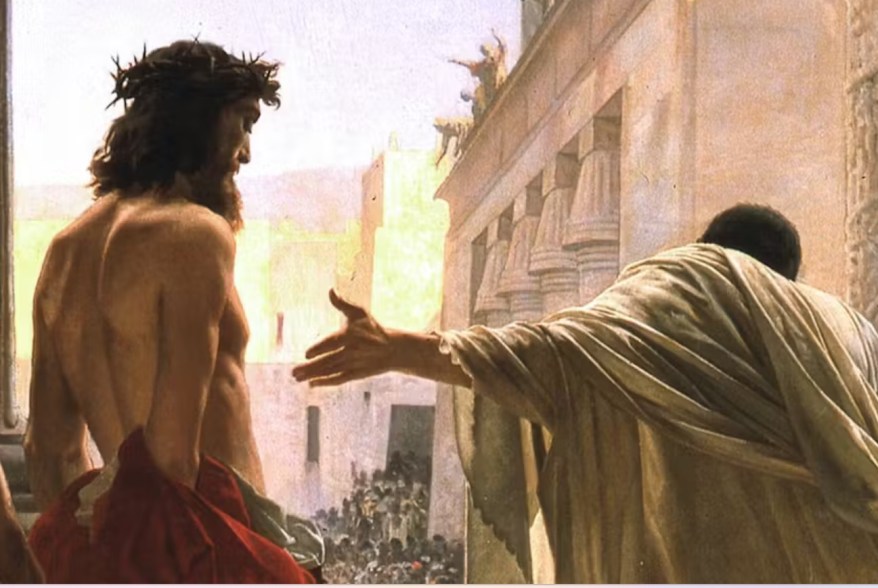
Venerdì Santo: gli “Ecce Homo” più intensi della storia dell’arte
🇮🇹Ecce Homo. Da Antonello da Messina a Tintoretto, fino al sorprendente capolavoro di Antonio Ciseri, questo soggetto ha attraversato i secoli raccontando dolore, umanità e coscienza… 🇬🇧Ecce Homo. From Antonello da Messina to Tintoretto, to Antonio Ciseri’s astonishing masterpiece, this subject has spanned the centuries, recounting pain, humanity, and conscience…
-
Attacco hacker agli Uffizi: rubati dati sensibili, mappe e codici di sicurezza
🇮🇹Attacco hacker alle Gallerie degli Uffizi: rubati dati sensibili, mappe e sistemi di sicurezza. A rischio opere, archivi e cybersicurezza del patrimonio artistico… 🇬🇧Hacker attack on the Uffizi Galleries: sensitive data, maps, and security systems stolen. Works of art, archives, and the cybersecurity of the artistic heritage are at risk…
-
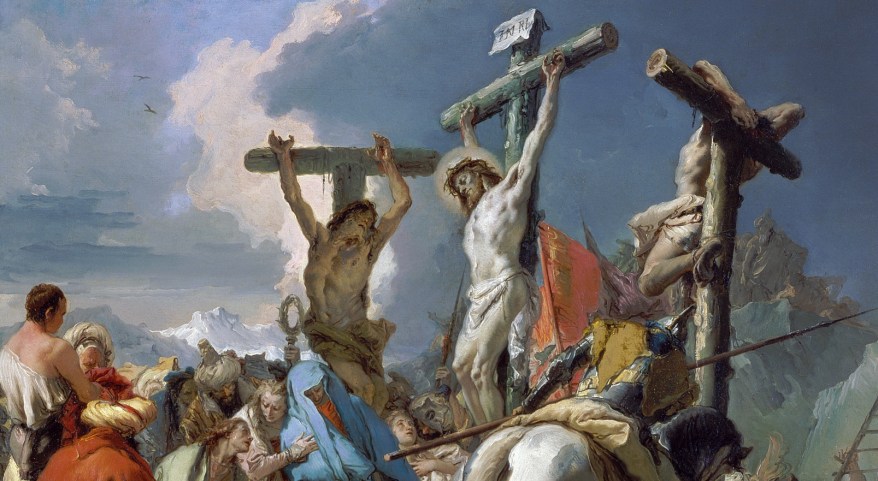
Venerdì Santo: la Crocifissione secondo Tiepolo
🇮🇹Nel giorno del Venerdì Santo, c’è un’opera che riesce ancora a scuotere lo sguardo. La Crocifissione di Giambattista Tiepolo non è come le altre: niente simmetrie perfette, niente distanza. Qui si entra dentro la scena, da un punto di vista obliquo, tra movimento, tensione e umanità… 🇬🇧On Good Friday, there’s a work that still manages…
Condividi:


Questo sono io





sostienici

Sostienici - Support Us
Se questo blog ti piace e ti appassiona, puoi aiutarci a farlo crescere sempre più sostenendoci in modo concreto condividendo i post, seguendo le pagine social e con un contributo che ci aiuta ad andare avanti con il nostro lavoro di divulgazione. . ENGLISH: If you like and are passionate about this blog, you can help us make it grow more and more by supporting us in a concrete way by sharing posts, following social pages and with a contribution that helps us to move forward with our dissemination work.
€10,00


