
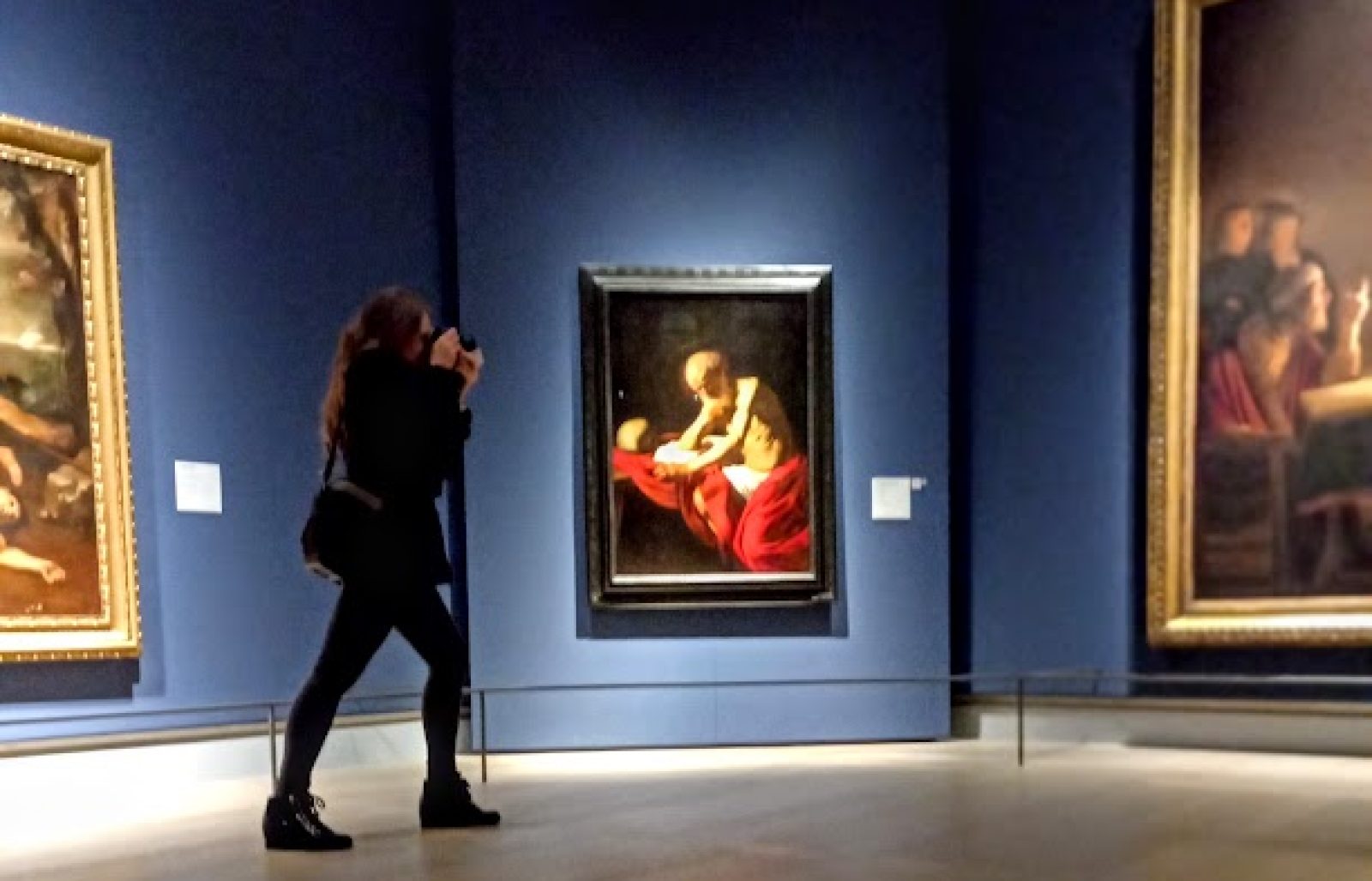
2 giugno 1448: nasce il Ghirlandaio, dalla natura fatto per esser pittore
Era il 2 giugno del 1448 quando venne al mondo Domenico Bigordi, più noto alle cronache come il Ghirlandaio.
Fu il mio primo maestro d’arte e ricordo come se fosse oggi quel giorno d’aprile del 1488, quando entrai ufficialmente a bottega da lui. Avevo allora compiuto tredici anni ma in realtà i primi passi in quel luogo avevo cominciato a muoverli mesi prima.

Sapete che Il Ghirlandaio aprì la sua bottega a Firenze nel 1475? Proprio il medesimo anno in cui venni al mondo io.
Di lui il mio caro amico Giorgio Vasari scrisse ‘dalla natura fatto per esser pittore’.
Domenico inventò di sana pianta una nuova tecnica per ottenere una migliore brillantezza dai metalli preziosi non usando la doratura come era in uso all’epoca ma solamente con il colore. Si può vedere l’uso che fa di questo metodo nella Pala di San Giusto alle Mura che oggi si trova nella Galleria degli Uffizi.

Sono tanti i capolavori che questo mio primo maestro ebbe modo di realizzare nel corso dell’esistenza. Basti pensare alla superba Cappella Tornabuoni nella quale il Ghirlandaio e la sua bottega realizzarono uno dei più interessanti e grandi cicli di affreschi di Firenze.
Dietro l’altare maggiore della Basilica di Santa Maria Novella, fra il 1485 e il 1490, affrescò infatti le scene della vita della Vergine e di San Giovanni Battista.
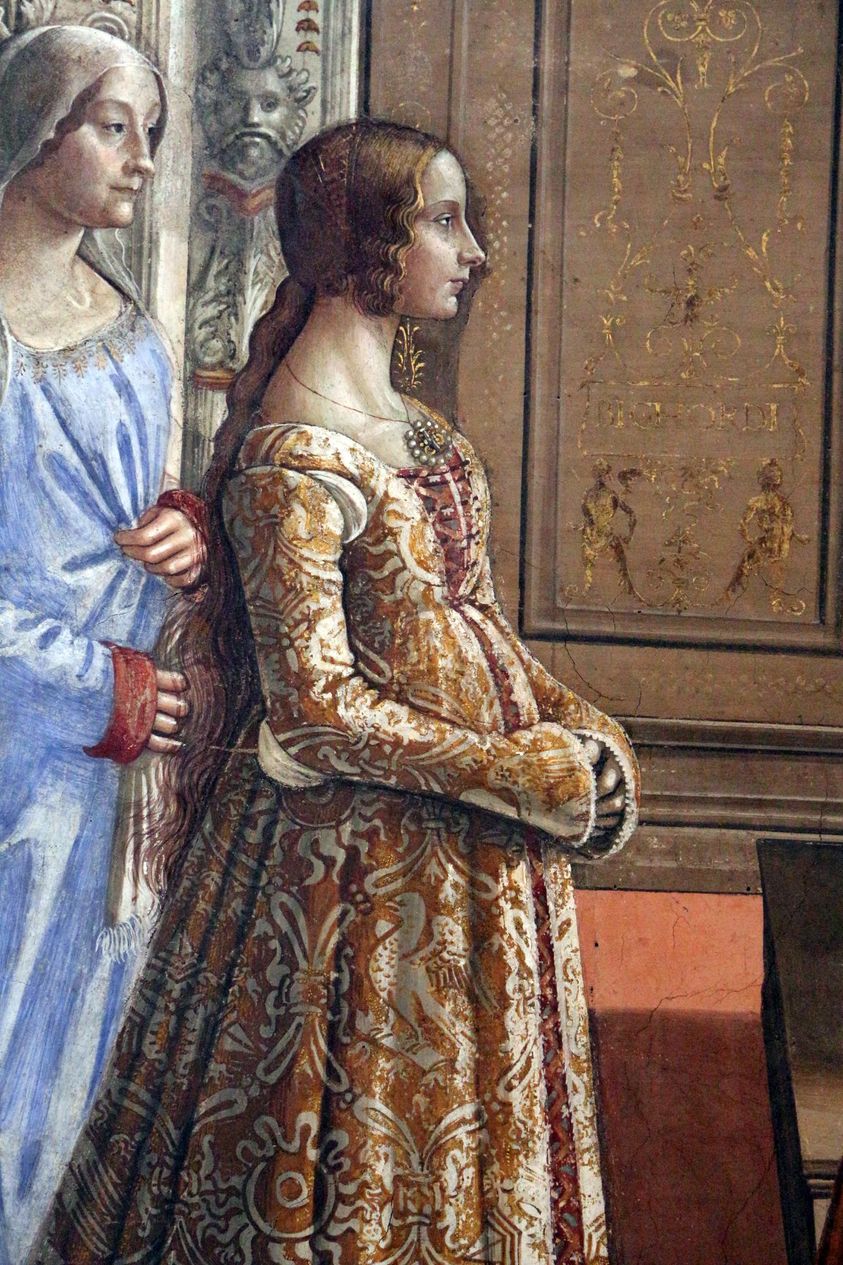
I dipinti e gli affreschi del Ghirlandaio sono caratterizzati da un gran numero di dettagli.
Aveva la capacità di riprodurre fin nel minimo dettaglio i tessuti dell’epoca ma anche i personaggi da lui dipinti sovente riproducevano i personaggi dell’epoca, taluni riconoscibili tutt’oggi.
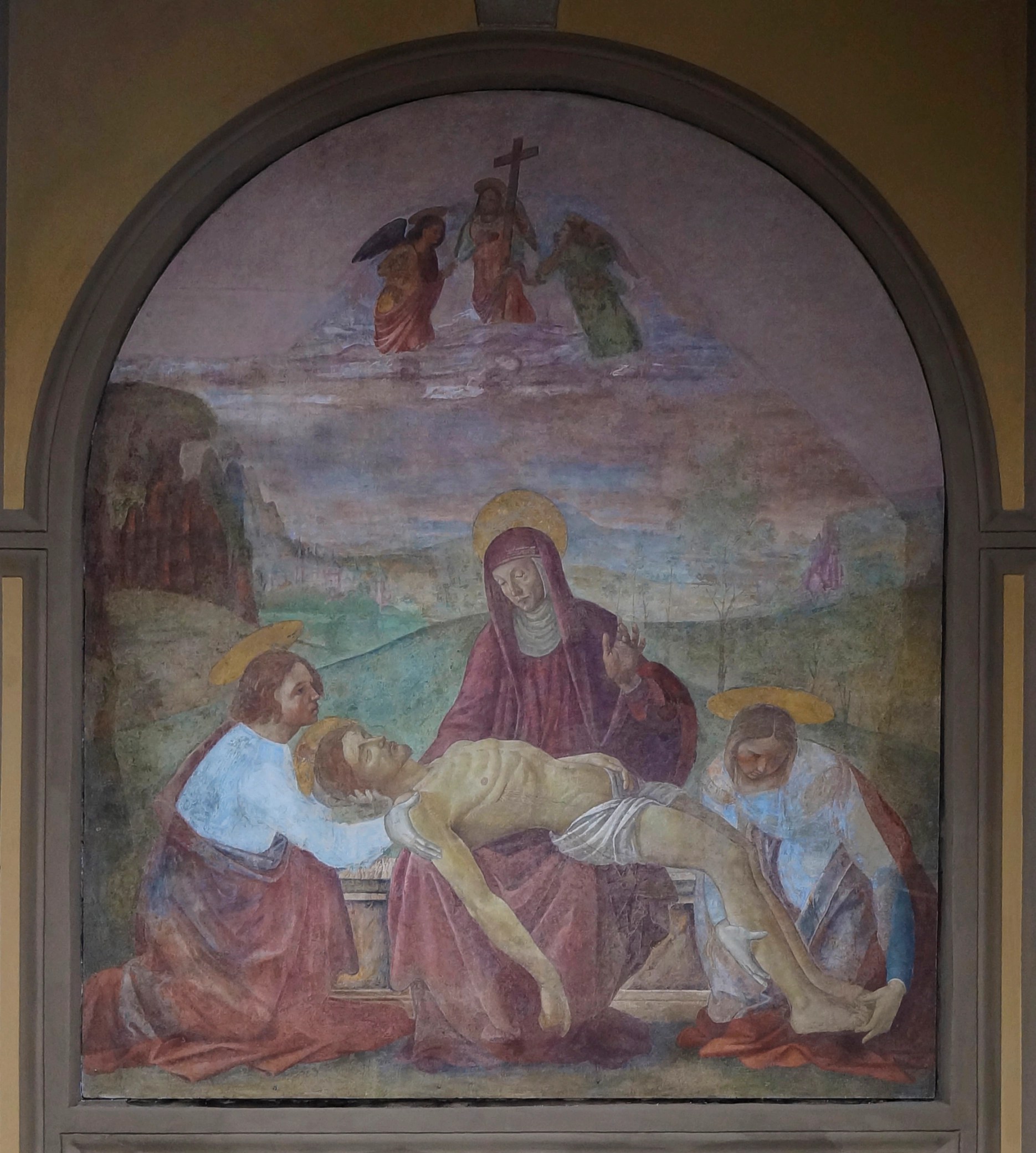
Fu uno dei pittori che venne inviato a Roma da Lorenzo il Magnifico dopo che Sisto IV aveva provveduto ad annullare la precedente scomunica.
Assieme ad altri artisti si mise al servizio del pontefice per decorare il secondo registro della Cappella Sistina. Sua è la Vocazione dei Primi Apostoli affrescata fra il 1481 e il 1482.

Per il momento il sempre vostro Michelangelo Buonarroti vi saluta dandovi appuntamento ai prossimi post e sui social.
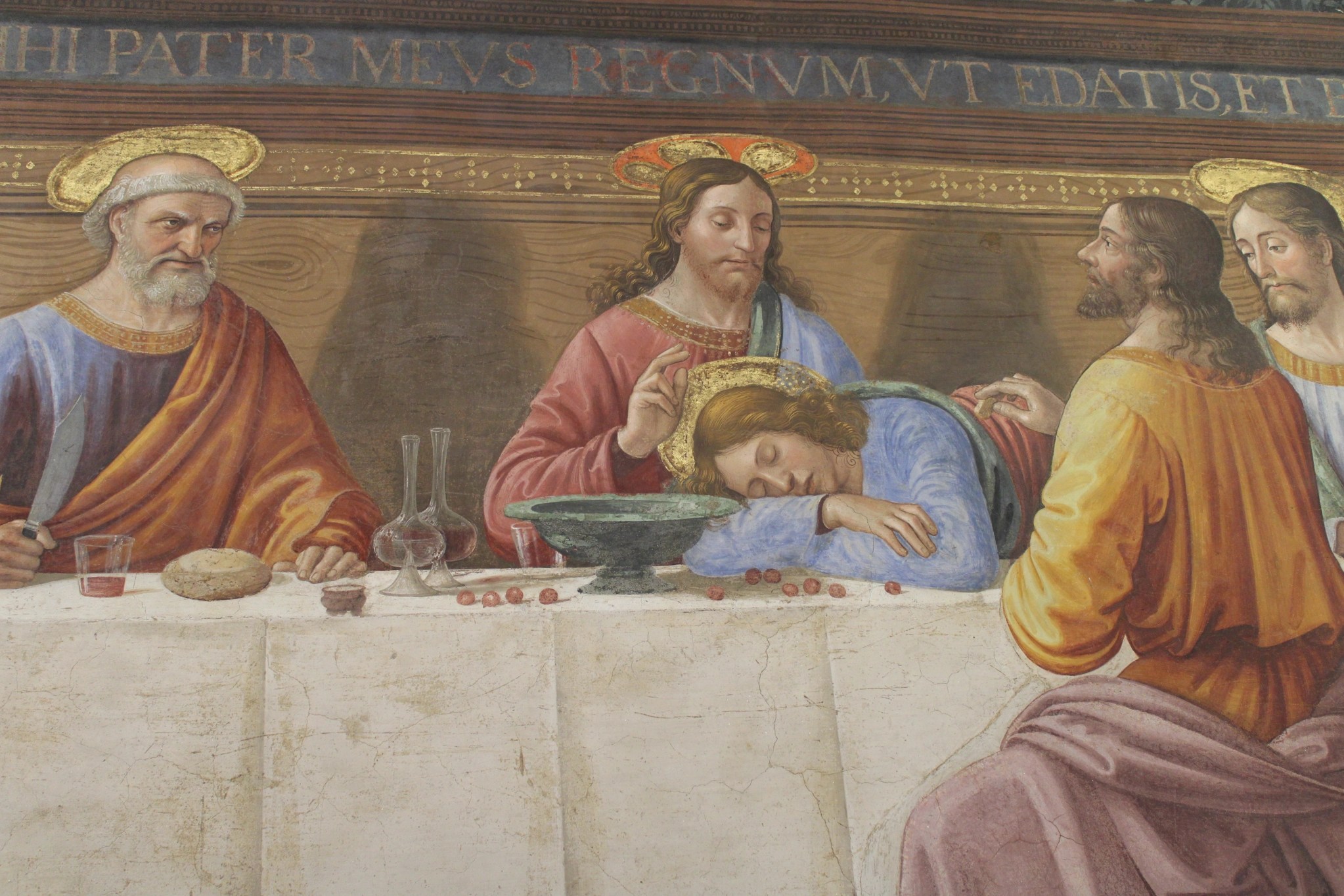
2 June 1448: Ghirlandaio was born, created by nature to be a painter
It was June 2, 1448 when Domenico Bigordi, better known in the news as Ghirlandaio, came into the world.
He was my first art teacher and I remember that day in April 1488 as if it were today, when I officially joined his workshop. I had then turned thirteen but in reality I had begun to take my first steps in that place months earlier.
Do you know that Ghirlandaio opened his workshop in Florence in 1475? The same year I came into the world.
My dear friend Giorgio Vasari wrote about him ‘made by nature to be a painter’.
Domenico invented from scratch a new technique to obtain a better shine from precious metals not using gilding as was in use at the time but only with color. You can see his use of this method in the San Giusto alle Mura Altarpiece which is now in the Uffizi Gallery.
There are many masterpieces that this first teacher of mine was able to create throughout his life. Just think of the superb Tornabuoni Chapel in which Ghirlandaio and his workshop created one of the most interesting and largest fresco cycles in Florence.
Behind the main altar of the Basilica of Santa Maria Novella, between 1485 and 1490, he frescoed scenes from the life of the Virgin and Saint John the Baptist.
Ghirlandaio’s paintings and frescoes are characterized by a large number of details.
He had the ability to reproduce the fabrics of the time down to the smallest detail but also the characters he painted often reproduced the characters of the time, some still recognizable today.
He was one of the painters who was sent to Rome by Lorenzo the Magnificent after Sixtus IV had taken steps to cancel the previous excommunication. Together with other artists he put himself at the service of the pontiff to decorate the second register of the Sistine Chapel. His is the Vocation of the First Apostles frescoed between 1481 and 1482.
For the moment, your always Michelangelo Buonarroti greets you and will meet you in the next posts and on social media.

Sostienici – Support Us
Se questo blog ti piace e ti appassiona, puoi aiutarci a farlo crescere sempre più sostenendoci in modo concreto condividendo i post, seguendo le pagine social e con un contributo che ci aiuta ad andare avanti con il nostro lavoro di divulgazione. . ENGLISH: If you like and are passionate about this blog, you can help us make it grow more and more by supporting us in a concrete way by sharing posts, following social pages and with a contribution that helps us to move forward with our dissemination work.
10,00 €
-
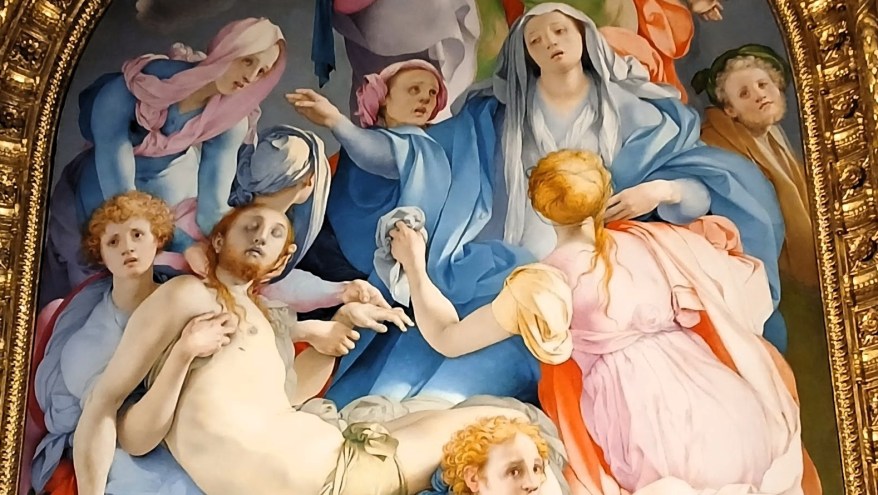
La Deposizione del Pontormo: il capolavoro dell’artista
🇮🇹Ti coinvolge. Ti mette a disagio. Ti costringe a sentire. E’ la Deposizione dalla Croce, dipinta da Jacopo Pontormo tra il 1525 e il 1528 per la Cappella Capponi… 🇬🇧It draws you in. It makes you uncomfortable. It forces you to feel. It’s the Deposition from the Cross, painted by Jacopo Pontormo between 1525 and…
-
Non chiamatelo Braghettone: il 4 aprile del 1566 muore Daniele da Volterra, l’artista che salvò il Giudizio Universale
🇮🇹Braghettone? No, molto di più. Il 4 aprile 1566 moriva Daniele da Volterra, il mio allievo più fedele, l’uomo che mi rimase accanto fino all’ultimo respiro e che salvò il mio Giudizio Universale dalla distruzione… 🇬🇧Braghettone? No, much more. On April 4, 1566, Daniele da Volterra died, my most faithful student, the man who remained…
-
Venerdì Santo: gli “Ecce Homo” più intensi della storia dell’arte
🇮🇹Ecce Homo. Da Antonello da Messina a Tintoretto, fino al sorprendente capolavoro di Antonio Ciseri, questo soggetto ha attraversato i secoli raccontando dolore, umanità e coscienza… 🇬🇧Ecce Homo. From Antonello da Messina to Tintoretto, to Antonio Ciseri’s astonishing masterpiece, this subject has spanned the centuries, recounting pain, humanity, and conscience…
Condividi:


Questo sono io





sostienici

Sostienici - Support Us
Se questo blog ti piace e ti appassiona, puoi aiutarci a farlo crescere sempre più sostenendoci in modo concreto condividendo i post, seguendo le pagine social e con un contributo che ci aiuta ad andare avanti con il nostro lavoro di divulgazione. . ENGLISH: If you like and are passionate about this blog, you can help us make it grow more and more by supporting us in a concrete way by sharing posts, following social pages and with a contribution that helps us to move forward with our dissemination work.
€10,00


