

Ercolano: dal papiro carbonizzato viene individuato il luogo di sepoltura di Platone
Nuove tecnologie stanno rendendo possibile la lettura dei papiri carbonizzati rinvenuti nella celebre Villa dei Papiri di Ercolano e le scoperte fatte fino al momento lasciano a bocca aperta.
Fra le oltre mille parole decifrate individuate grazie a tecnologie di ultima generazione abbinate alla scienza filologica, dal papiro di Ercolano che custodisce la Storia dell’Accademia scritta da Filodemo di Gradara, è stato individuato il luogo di sepoltura di Platone.
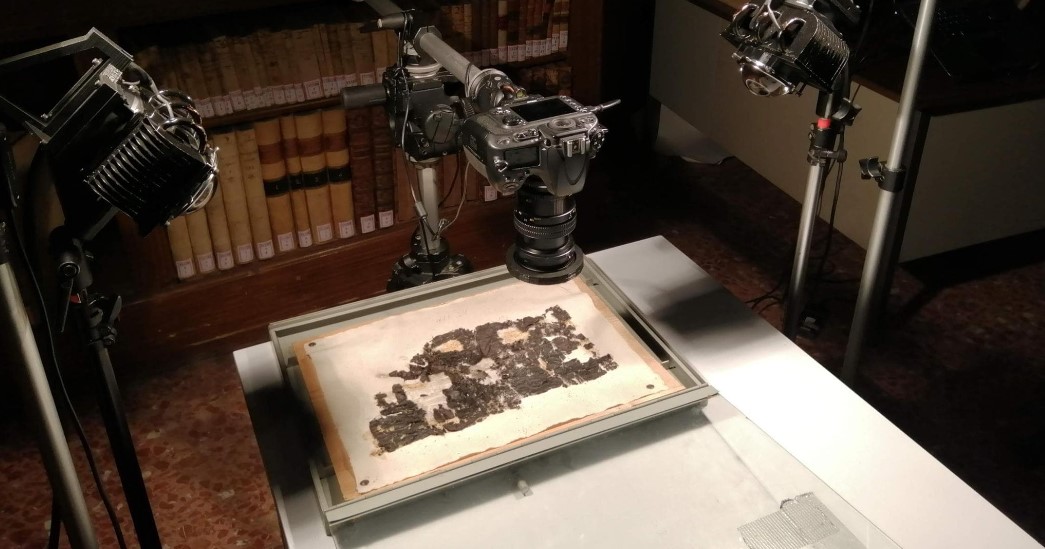
L’avanzamento della ricerca del progetto Greek Schools è stato presentato ieri 23 aprile 2024 presso la Biblioteca Nazionale Vittorio Emanuele III a Napoli.
Lo studio del papiro carbonizzato durante l’eruzione del Vesuvio del 79 d.C. ha reso possibile scoprire informazioni importanti relative a Platone e allo sviluppo dell’Accademia di Atene sotto la guida dei suoi successori.
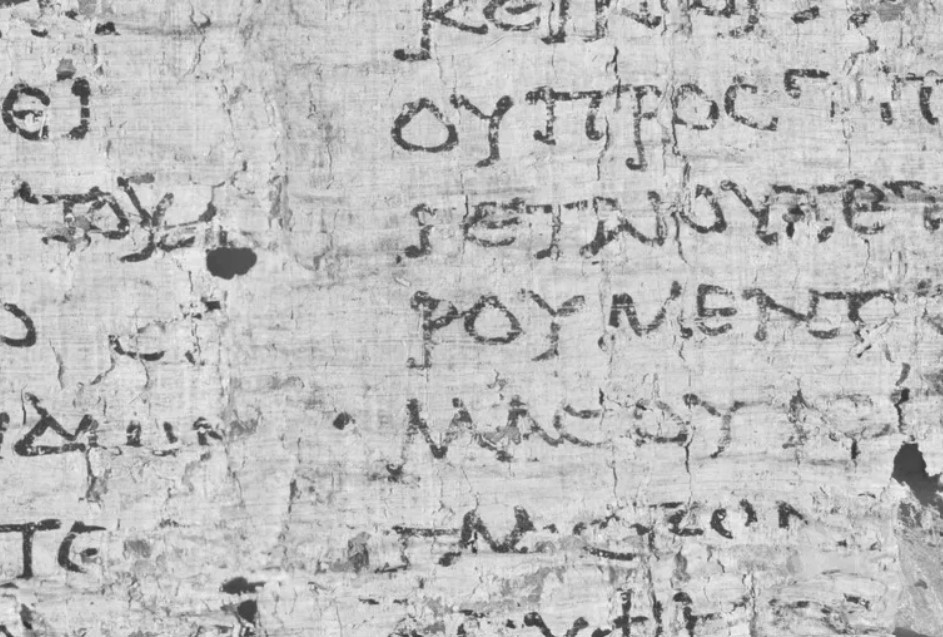
Mentre fino al momento sapevamo che Platone fosse stato sepolto in modo generico nell’Accademia, grazie al papiro si è appurato che le sue spoglie furono tumulate in un giardino a lui dedicato ubicato all’interno dell’Accademia di Atene.
Nel papiro è stata inoltre rintracciata un’informazione ulteriore relativa alla vendita del filosofo come schiavo sull’Isola Egina, nel 404 a.C. durante la conquista dell’isola dopo la morte di Socrate.

Fino al momento invece si era pensato che la vendita come schiavo risalisse a un periodo successivo, ovvero al 387 a.C., quando soggiornò alla corte di Dionisio I di Siracusa, in Sicilia.
Per il momento il sempre vostro Michelangelo Buonarroti vi saluta dandovi appuntamento ai prossimi post e sui social.

Herculaneum: Plato’s burial place is identified from the charred papyrus
New technologies are making it possible to read the charred papyri found in the famous Villa dei Papiri in Herculaneum and the discoveries made so far are astounding.
Plato’s burial place has been identified among the over a thousand deciphered words identified thanks to latest generation technologies combined with philological science, from the Herculaneum papyrus which preserves the History of the Academy written by Philodemus of Gradara.
The progress of the research of the Greek Schools project was presented yesterday 23 April 2024 at the Vittorio Emanuele III National Library in Naples.
The study of the papyrus carbonized during the eruption of Vesuvius in 79 AD. made it possible to discover important information relating to Plato and the development of the Academy of Athens under the leadership of his successors.
While until now we knew that Plato had been buried in a generic way in the Academy, thanks to the papyrus it has been established that his remains were buried in a garden dedicated to him located inside the Academy of Athens.
Further information relating to the sale of the philosopher as a slave on the island of Aegina in 404 BC was also found in the papyrus. during the conquest of the island after the death of Socrates. Until now, however, it had been thought that the sale into slavery dated back to a later period, i.e. 387 BC. when he stayed at the court of Dionysius I of Syracuse, in Sicily.
For the moment, your always Michelangelo Buonarroti greets you and will meet you in the next posts and on social media.

Sostienici – Support Us
Se questo blog ti piace e ti appassiona, puoi aiutarci a farlo crescere sempre più sostenendoci in modo concreto condividendo i post, seguendo le pagine social e con un contributo che ci aiuta ad andare avanti con il nostro lavoro di divulgazione. . ENGLISH: If you like and are passionate about this blog, you can help us make it grow more and more by supporting us in a concrete way by sharing posts, following social pages and with a contribution that helps us to move forward with our dissemination work.
8,00 €
-

Le 10 città d’arte europee più belle da visitare a Natale: musei e luoghi da non perdere
🇮🇹Quali città d’arte europee visitare a Natale? Da Vienna a Parigi, da Praga a Bruges, 10 mete tra mercatini, musei, capolavori e atmosfere da fiaba… 🇬🇧Which European cities of art should you visit at Christmas? From Vienna to Paris, from Prague to Bruges—10 destinations featuring Christmas markets, museums, masterpieces, and a fairytale atmosphere…
-
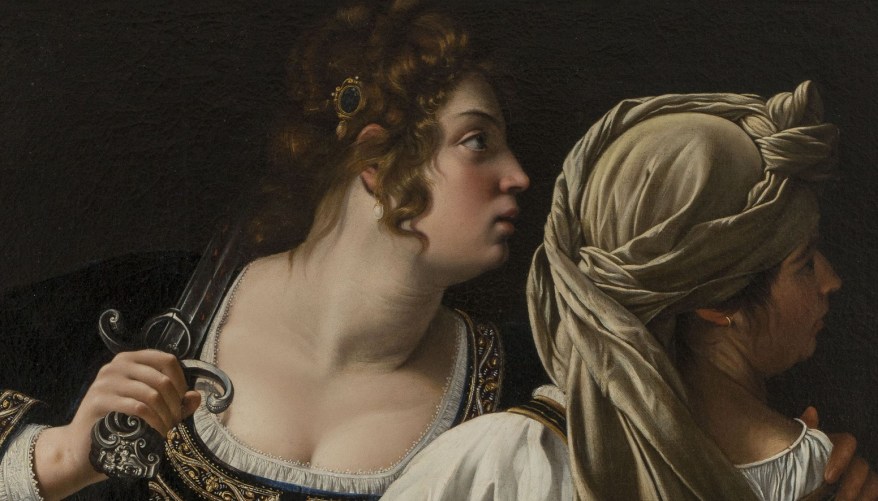
Artemisia Gentileschi a Firenze: la storia, le opere e la mostra agli Innocenti fino al 2027
🇮🇹Artemisia Gentileschi a Firenze: dalle commissioni dei Medici all’Allegoria dell’Inclinazione di Casa Buonarroti. La storia e la mostra agli Innocenti… 🇬🇧Artemisia Gentileschi in Florence: from commissions by the Medici to the *Allegory of Inclination* at Casa Buonarroti. The story and the exhibition at the Ospedale degli Innocenti…
-

26 ottobre 1890: muore Carlo Collodi, lo scrittore toscano che inventò Pinocchio
Il 26 ottobre 1890 moriva a Firenze Carlo Collodi, autore di Pinocchio. Dalla prima pubblicazione nel 1881 al successo mondiale del burattino…
Condividi:


Questo sono io




sostienici

Sostienici - Support Us
Se questo blog ti piace e ti appassiona, puoi aiutarci a farlo crescere sempre più sostenendoci in modo concreto condividendo i post, seguendo le pagine social e con un contributo che ci aiuta ad andare avanti con il nostro lavoro di divulgazione. . ENGLISH: If you like and are passionate about this blog, you can help us make it grow more and more by supporting us in a concrete way by sharing posts, following social pages and with a contribution that helps us to move forward with our dissemination work.
€10,00


