

21 aprile: il Natale di Roma e lo straordinario effetto luminoso al Pantheon
Il 21 aprile si celebra il Natale di Roma ricordando il momento della sua fondazione leggendaria.
Il letterato e militare Marco Terenzio Varrone, nato a Rieti nel 116 a.C, basandosi su calcoli effettuati dall’astrologo Lucio Taurzio, scrisse che Romolo avrebbe gettato le fondamenta per avviare la costruzione della città di Roma il 21 aprile del 753 a.C.

La storia della fondazione di Roma
Come raccontato da Varrone, Romolo avrebbe tracciato il perimetro della nuova città, avviando la costruzione dal colle Palatino.
Gli storici iniziarono a prendere come riferimento della fondazione della città proprio quella data e, ogni 21 aprile, già in tempi antichi, si festeggiava l’origine di Roma tanto che quelle cerimonie fastose vennero raccontate anche da Ovidio.
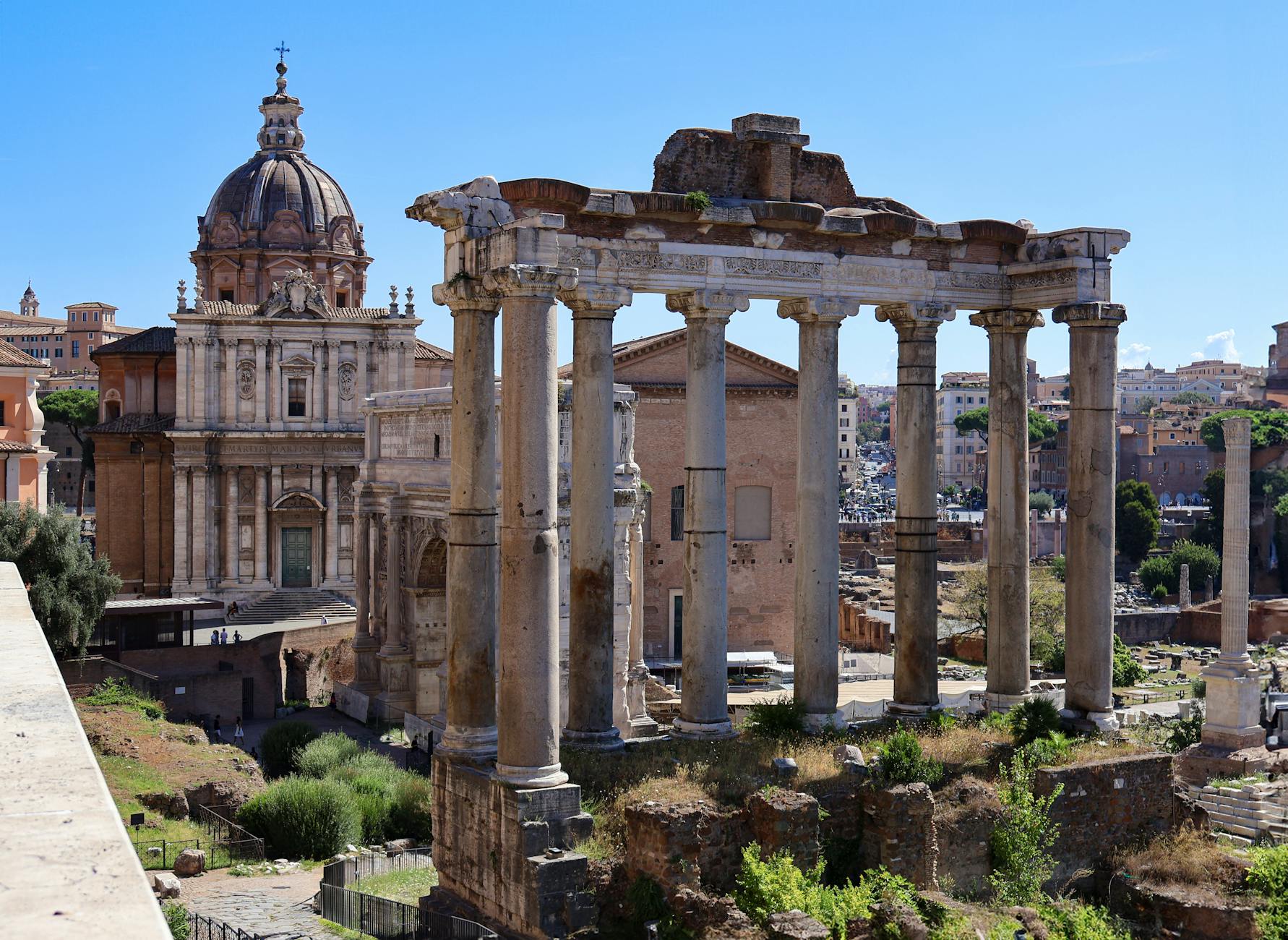
La prima celebrazione del Natale di Roma venne fatta dall’imperatore Claudio, nel 47 d.C. ovvero ottocento anni dopo la presunta fondazione. In realtà quei fasti in pompa magna furono un modo come un altro per far propaganda all’impero.
Ancora oggi il 21 Aprile è un giorno importante per la città di Roma e in tutta l’urbe si festeggia con sfilate ed eventi a tema.
Il Pantheon e la luce che lo trapassa solo il 21 aprile
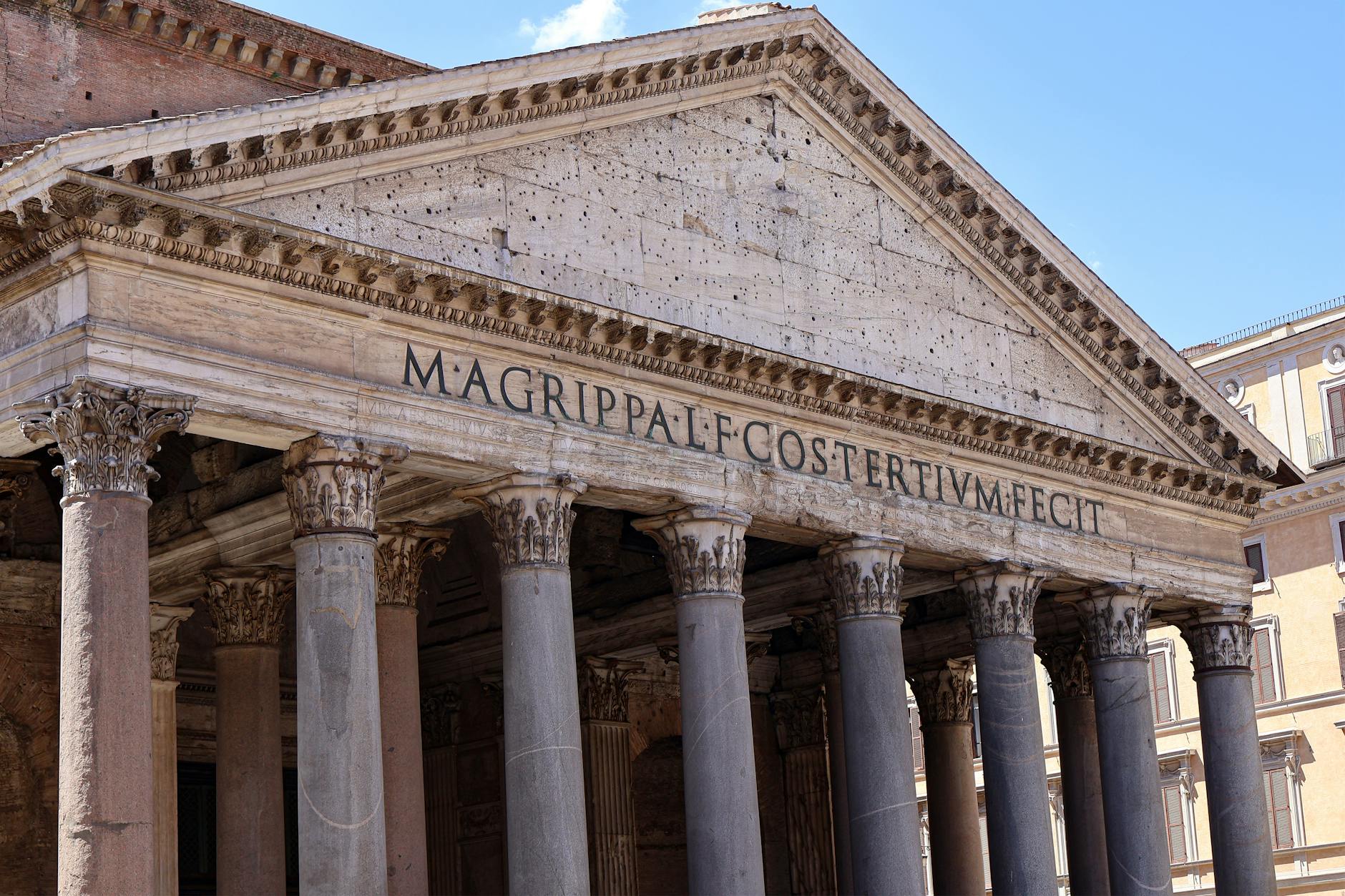
Dovete sapere che proprio il 21 aprile, nel giorno in cui Roma festeggia il suo compleanno, i raggi del sole alle ore 12.00 entrano nel Pantheon attraverso la porta d’ingresso principale.
Mentre oggi da quel varco entrano i visitatori, un tempo era riservata all’ingresso dell’Imperatore. Quello straordinario effetto luminoso che si verifica solo una volta all’anno, a distanza di secoli, continua ad affascinare e regala un tuffo nel passato proprio nel Natale di Roma.

Un momento di grande impatto emotivo e scenografico che fu pensato e realizzato fin dal momento della costruzione del Pantheon voluta da Agrippa nel 27 a.C., genero dell’imperatore Augusto.
Per i l momento il vostro Michelangelo Buonarroti vi saluta dandovi appuntamento ai prossimi post e sui social

April 21: Christmas in Rome and the extraordinary light effect at the Pantheon
On April 21st Rome’s Christmas is celebrated, remembering the moment of its legendary foundation.
The scholar and military man Marco Terenzio Varrone, born in Rieti in 116 BC, based on calculations carried out by the astrologer Lucius Taurzio, wrote that Romulus would have laid the foundations to start the construction of the city of Rome on 21 April 753 BC.
The history of the foundation of Rome
As told by Varro, Romulus would have traced the perimeter of the new city, starting construction from the Palatine Hill.
Historians began to take that date as a reference for the foundation of the city and, every 21 April, already in ancient times, the origin of Rome was celebrated so much so that those sumptuous ceremonies were also recounted by Ovid.
The first celebration of Christmas in Rome was held by Emperor Claudius in 47 AD. that is, eight hundred years after the alleged foundation. In reality, those pompous events were a way like any other to spread propaganda for the empire.
Even today, April 21st is an important day for the city of Rome and throughout the city it is celebrated with parades and themed events.
The Pantheon and the light that passes through it only on April 21st
You should know that on April 21st, the day in which Rome celebrates her birthday, the sun’s rays enter the Pantheon through the main entrance door at 12.00.
While today visitors enter through that gate, it was once reserved for the entrance of the Emperor. That extraordinary luminous effect that occurs only once a year, continues to fascinate centuries later and offers a dive into the past right at Christmas in Rome.
That highly impactful scenographic effect was conceived and created right from the time of the construction of the Pantheon commissioned by Agrippa in 27 BC, son-in-law of the emperor Augustus.
For the moment, your Michelangelo Buonarroti greets you and will meet you in future posts and on social media.

Sostienici – Support Us
Se questo blog ti piace e ti appassiona, puoi aiutarci a farlo crescere sempre più sostenendoci in modo concreto condividendo i post, seguendo le pagine social e con un contributo che ci aiuta ad andare avanti con il nostro lavoro di divulgazione. . ENGLISH: If you like and are passionate about this blog, you can help us make it grow more and more by supporting us in a concrete way by sharing posts, following social pages and with a contribution that helps us to move forward with our dissemination work.
8,00 €
-
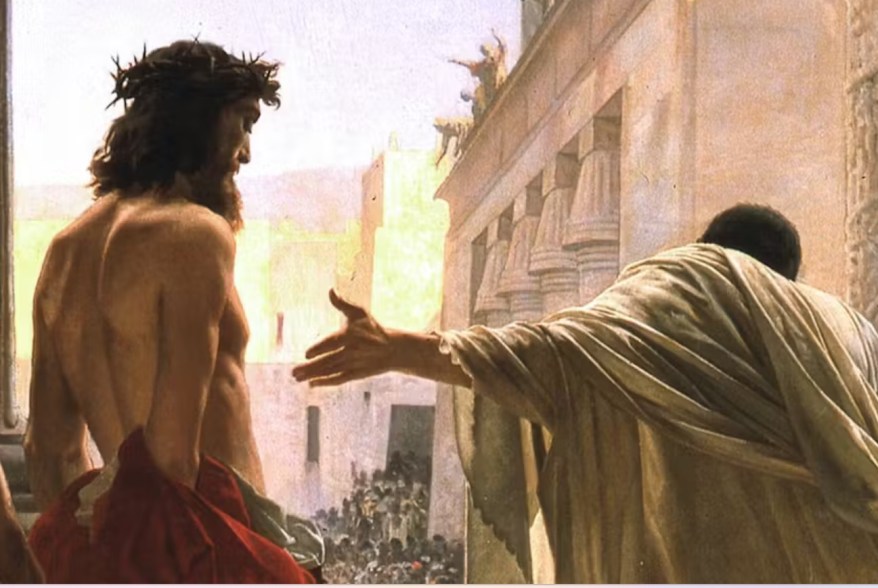
Venerdì Santo: gli “Ecce Homo” più intensi della storia dell’arte
🇮🇹Ecce Homo. Da Antonello da Messina a Tintoretto, fino al sorprendente capolavoro di Antonio Ciseri, questo soggetto ha attraversato i secoli raccontando dolore, umanità e coscienza… 🇬🇧Ecce Homo. From Antonello da Messina to Tintoretto, to Antonio Ciseri’s astonishing masterpiece, this subject has spanned the centuries, recounting pain, humanity, and conscience…
-
Attacco hacker agli Uffizi: rubati dati sensibili, mappe e codici di sicurezza
🇮🇹Attacco hacker alle Gallerie degli Uffizi: rubati dati sensibili, mappe e sistemi di sicurezza. A rischio opere, archivi e cybersicurezza del patrimonio artistico… 🇬🇧Hacker attack on the Uffizi Galleries: sensitive data, maps, and security systems stolen. Works of art, archives, and the cybersecurity of the artistic heritage are at risk…
-
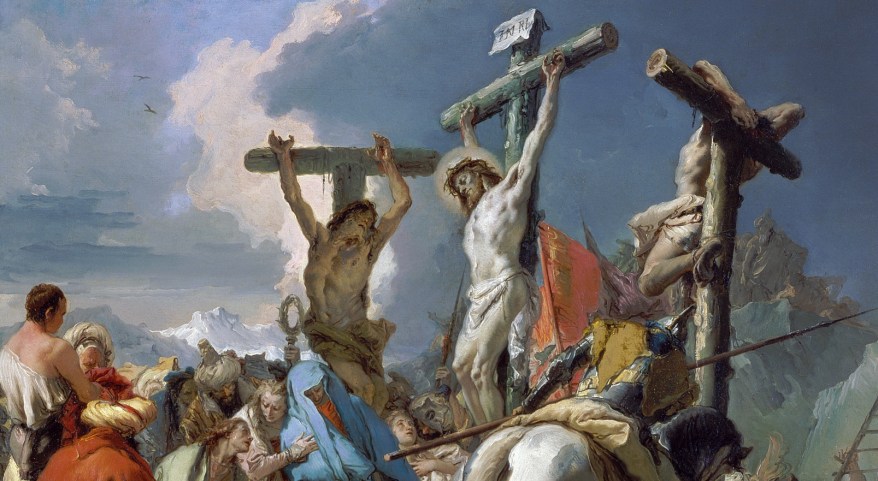
Venerdì Santo: la Crocifissione secondo Tiepolo
🇮🇹Nel giorno del Venerdì Santo, c’è un’opera che riesce ancora a scuotere lo sguardo. La Crocifissione di Giambattista Tiepolo non è come le altre: niente simmetrie perfette, niente distanza. Qui si entra dentro la scena, da un punto di vista obliquo, tra movimento, tensione e umanità… 🇬🇧On Good Friday, there’s a work that still manages…
Condividi:


Questo sono io





sostienici

Sostienici - Support Us
Se questo blog ti piace e ti appassiona, puoi aiutarci a farlo crescere sempre più sostenendoci in modo concreto condividendo i post, seguendo le pagine social e con un contributo che ci aiuta ad andare avanti con il nostro lavoro di divulgazione. . ENGLISH: If you like and are passionate about this blog, you can help us make it grow more and more by supporting us in a concrete way by sharing posts, following social pages and with a contribution that helps us to move forward with our dissemination work.
€10,00


