
La salvezza e la dannazione nel cielo nel Giudizio Universale
Alcuni sospinti da una forza invisibile che non è di questo mondo, altri aiutati da angeli senz’ali, gli eletti si elevano verso il cielo.
Chi con più sforzo e chi con estrema facilità, nella parte sinistra del Giudizio Universale c’è un’umanità che per grazia sta conquistando la gloria dei cieli.
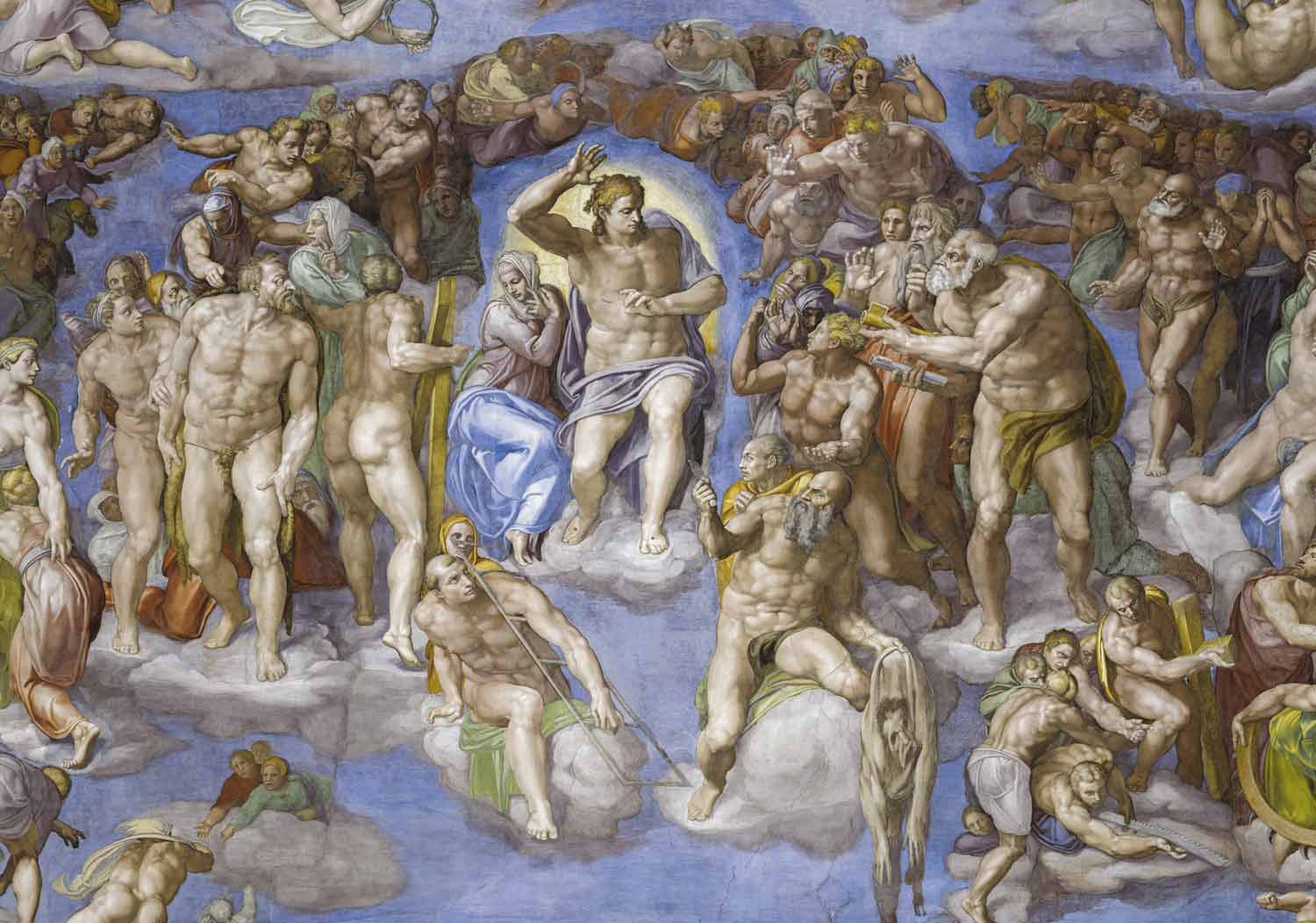
Un angelo vigoroso porge un rosario a un’anima che, aggrappandosi allo stesso, tenta l’ascesa: è la figurazione della salvezza attraverso la preghiera e della redenzione attraverso l’invocazione.
Nella parte destra del grande affresco la situazione è opposta. Lì nessuno si salverà e i corpi risorti attendono solo la dannazione eterna. Non c’è speranza: le anime sono tragicamente consapevoli del loro destino.
Le milizie angeliche si scontrano con coloro che non si danno per vinti e i peccatori vengono finanche presi a pugni da un forzuto angelo.
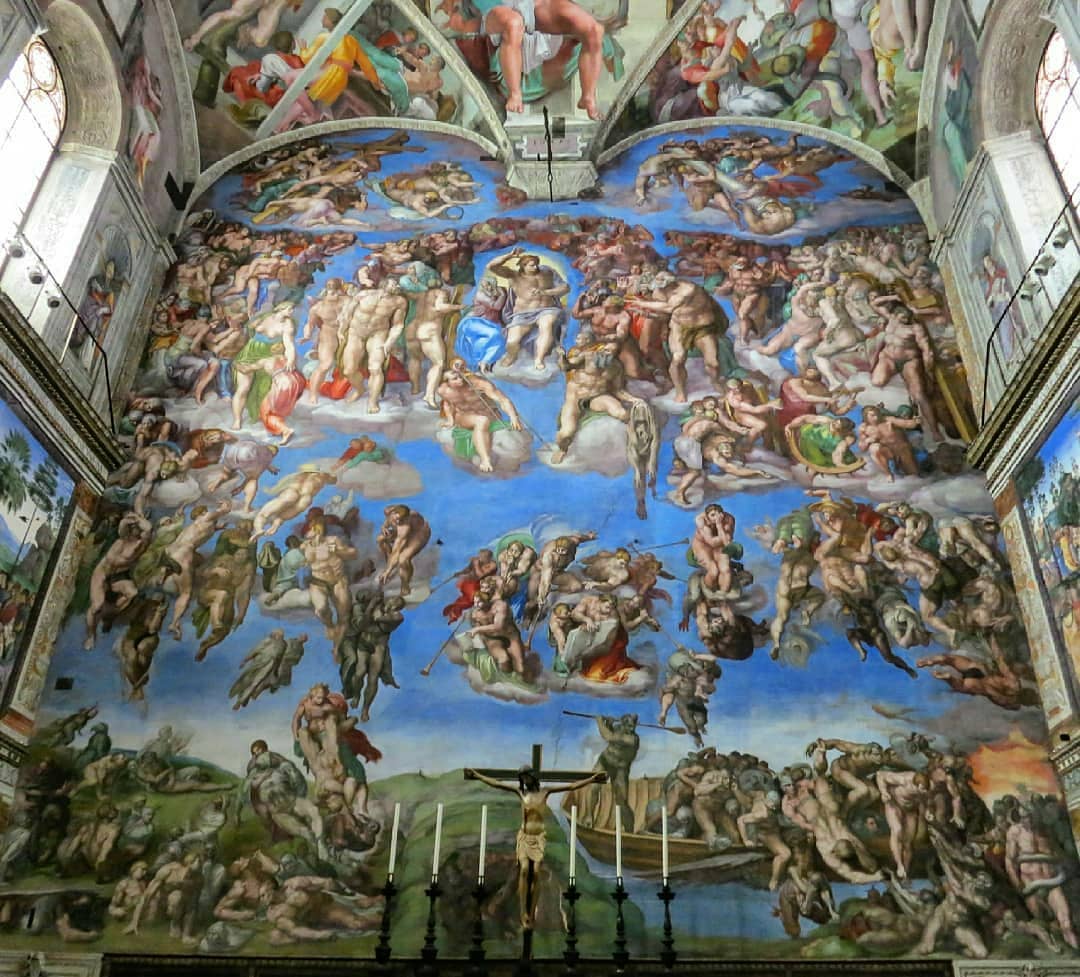
Se aguzzate la vista noterete la presenza delle simbologie riconducibili ai vizi capitali: c’è l’avarizia raffigurata con il sacchetto di danari, la lussuria, l’accidia e altre rappresentazion altri peccati mortali.
Scrisse il Vasari nelle Vite proprio in merito alla parte destra del Giudizio: “Nè si può immaginare quanto di varietà sia nelle teste di que’ diavoli, mostri veramente d’inferno (…) e nel vero moltitudine delle figure, la terribilità e grandezza dell’opera è tale che non si può descrivere, essendo piena di tutti i possibili umani affetti et avendogli tutti maravigliosamente espressi(…)
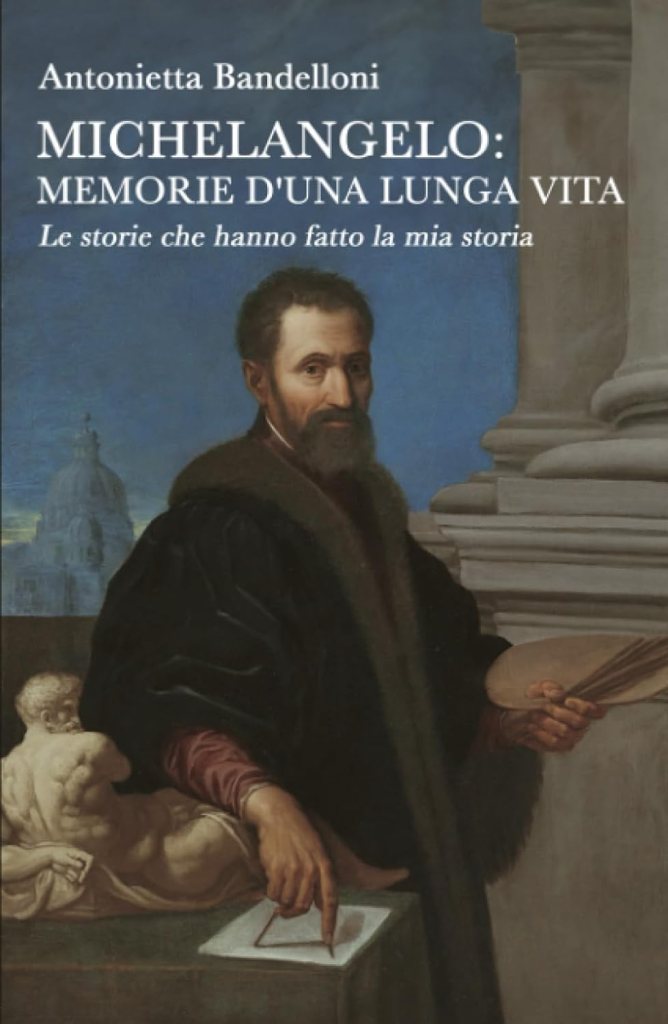
Per il momento il sempre vostro Michelangelo Buonarroti vi saluta dandovi appuntamento ai prossimi post e sui social.
Salvation and damnation in heaven at the Last Judgment
Driven by an invisible force that is not of this world, others aided by wingless angels, the elect rise towards heaven.
Some with more effort and some with extreme ease, on the left side of the Last Judgment, there is a humanity that by grace is conquering the glory of heaven.
A vigorous angel hands a rosary to a soul who, clinging to it, attempts to ascend: it is the representation of salvation through prayer and redemption and conversion through invocation.
On the right side of the large fresco the situation is the opposite. There no one will be saved and the resurrected bodies await only eternal damnation. There is no hope and the souls are tragically aware of their fate. The angelic militias clash with those who do not give up and the sinners are even punched by a strong angel.
If you look closely you will notice the presence of symbols attributable to the capital sins: there is greed depicted with the bag of money, lust, sloth and other mortal sins.
Vasari wrote in the Lives precisely regarding the right side of the Judgment: “Nor can one imagine how much variety there is in the heads of those devils, truly monsters of hell (…) and in the true multitude of figures, the terribleness and greatness of The work is such that it cannot be described, being full of all possible human affections and having all of them marvelously expressed (…)
For the moment, your always Michelangelo Buonarroti greets you and will meet you in the next posts and on social media.

Sostienici – Support Us
Se questo blog ti piace e ti appassiona, puoi aiutarci a farlo crescere sempre più sostenendoci in modo concreto condividendo i post, seguendo le pagine social e con un contributo che ci aiuta ad andare avanti con il nostro lavoro di divulgazione. . ENGLISH: If you like and are passionate about this blog, you can help us make it grow more and more by supporting us in a concrete way by sharing posts, following social pages and with a contribution that helps us to move forward with our dissemination work.
8,00 €
-
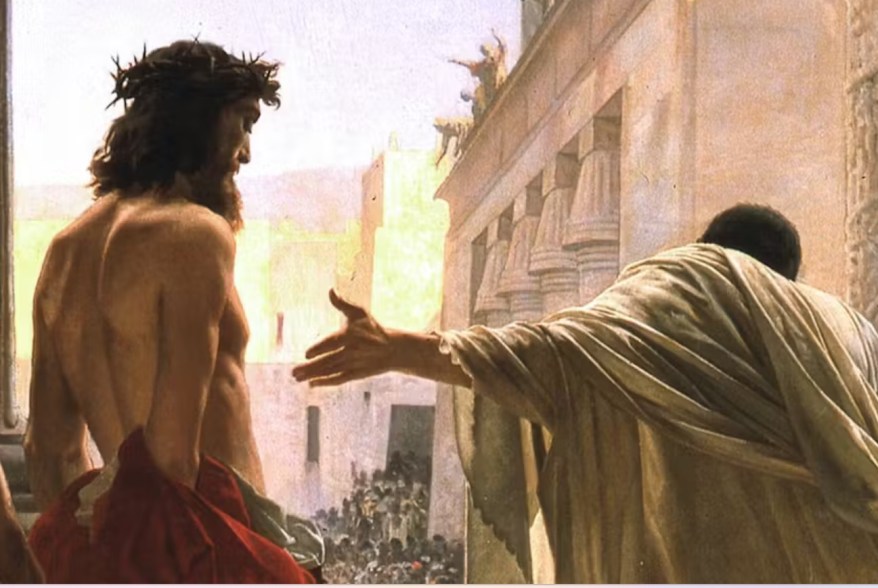
Venerdì Santo: gli “Ecce Homo” più intensi della storia dell’arte
🇮🇹Ecce Homo. Da Antonello da Messina a Tintoretto, fino al sorprendente capolavoro di Antonio Ciseri, questo soggetto ha attraversato i secoli raccontando dolore, umanità e coscienza… 🇬🇧Ecce Homo. From Antonello da Messina to Tintoretto, to Antonio Ciseri’s astonishing masterpiece, this subject has spanned the centuries, recounting pain, humanity, and conscience…
-
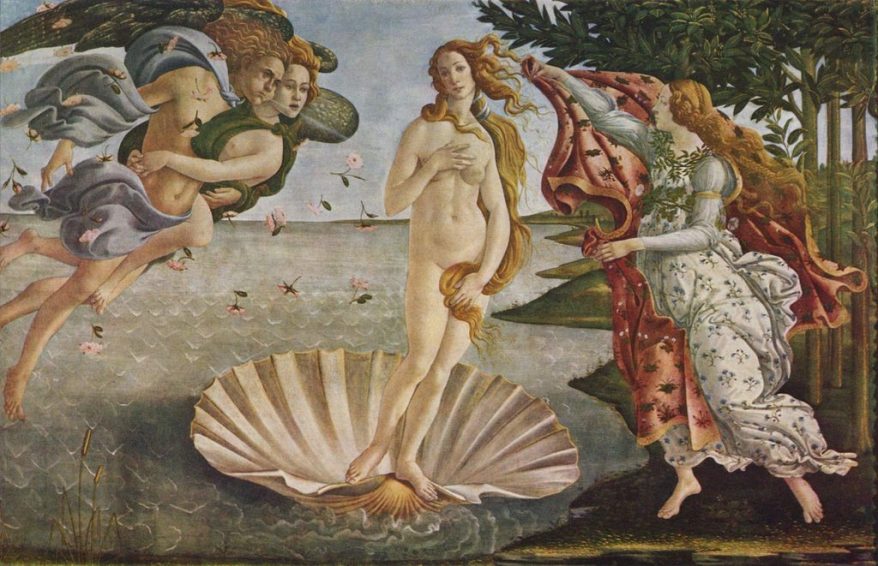
Attacco hacker agli Uffizi: rubati dati sensibili, mappe e codici di sicurezza
🇮🇹Attacco hacker alle Gallerie degli Uffizi: rubati dati sensibili, mappe e sistemi di sicurezza. A rischio opere, archivi e cybersicurezza del patrimonio artistico… 🇬🇧Hacker attack on the Uffizi Galleries: sensitive data, maps, and security systems stolen. Works of art, archives, and the cybersecurity of the artistic heritage are at risk…
-
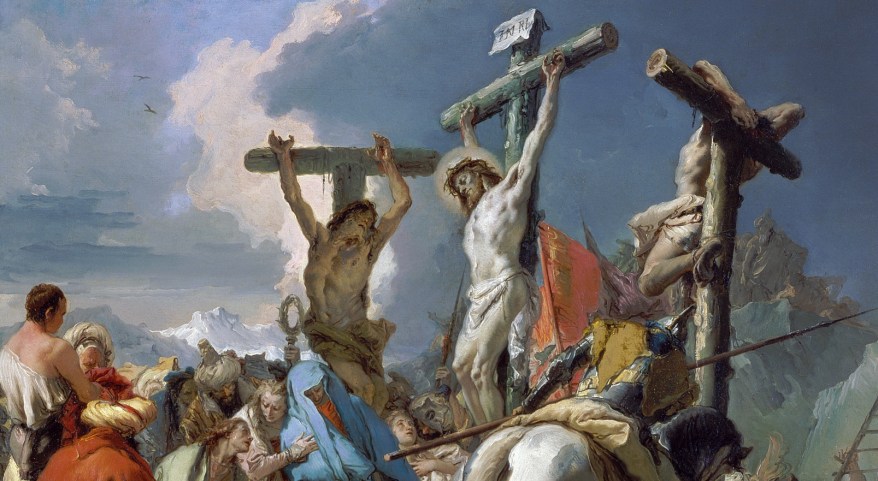
Venerdì Santo: la Crocifissione secondo Tiepolo
🇮🇹Nel giorno del Venerdì Santo, c’è un’opera che riesce ancora a scuotere lo sguardo. La Crocifissione di Giambattista Tiepolo non è come le altre: niente simmetrie perfette, niente distanza. Qui si entra dentro la scena, da un punto di vista obliquo, tra movimento, tensione e umanità… 🇬🇧On Good Friday, there’s a work that still manages…
Condividi:


Questo sono io





sostienici

Sostienici - Support Us
Se questo blog ti piace e ti appassiona, puoi aiutarci a farlo crescere sempre più sostenendoci in modo concreto condividendo i post, seguendo le pagine social e con un contributo che ci aiuta ad andare avanti con il nostro lavoro di divulgazione. . ENGLISH: If you like and are passionate about this blog, you can help us make it grow more and more by supporting us in a concrete way by sharing posts, following social pages and with a contribution that helps us to move forward with our dissemination work.
€10,00


