
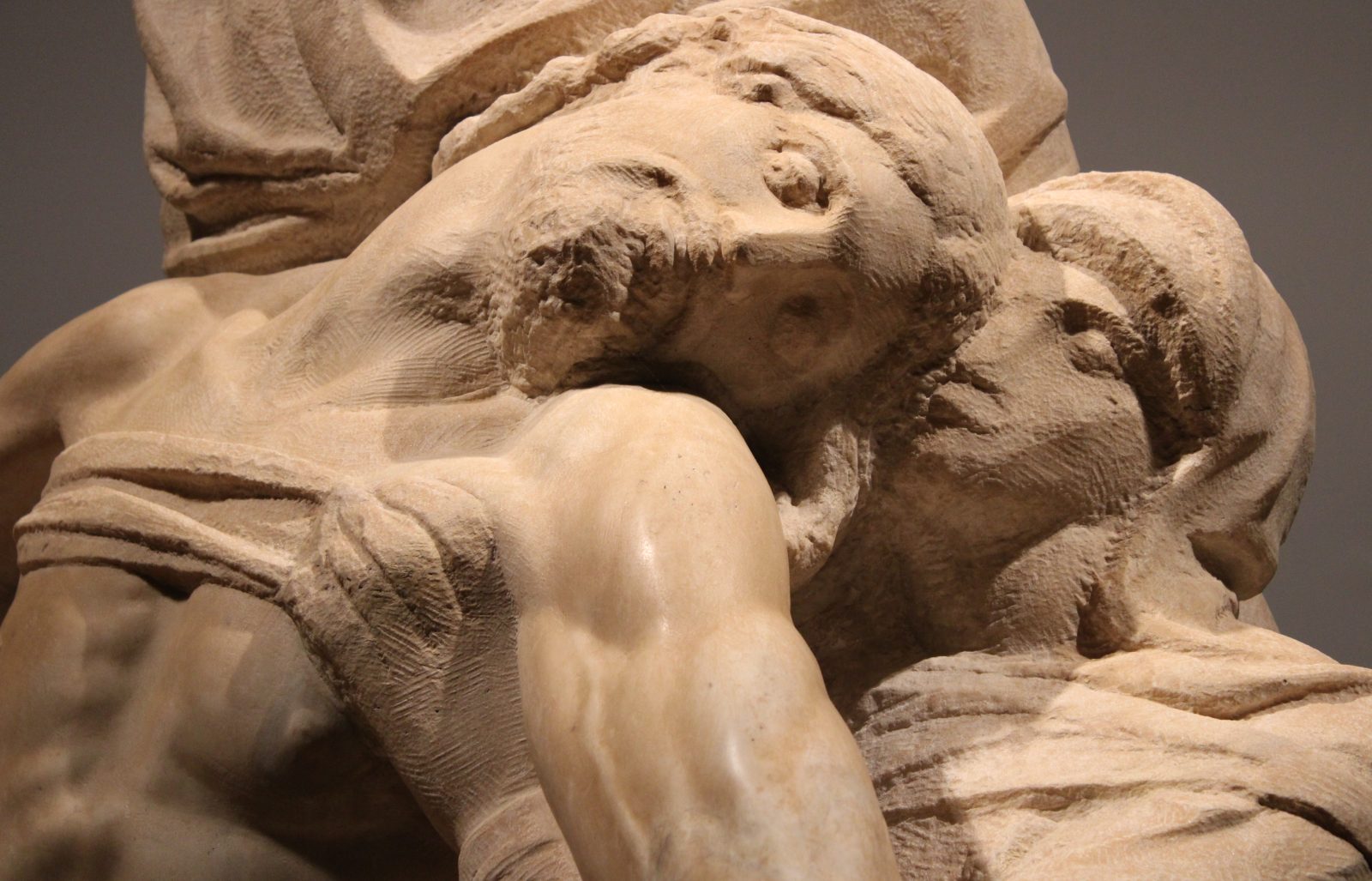
La Scultura del giorno: la Santa Bibiana del Bernini
L’opera del giorno che vi propongo oggi è la Santa Bibiana che, come scrisse Brigati “è la prima scultura veramente barocca del Bernini”.
Era il marzo del 1624 quando fu ritrovato il corpo di Santa Bibiana e papa Urbano VIII, al secolo Maffeo Vincenzo Barberini, pensò fosse giunto il momento di ricostruire l’antica chiesa a lei dedicata.
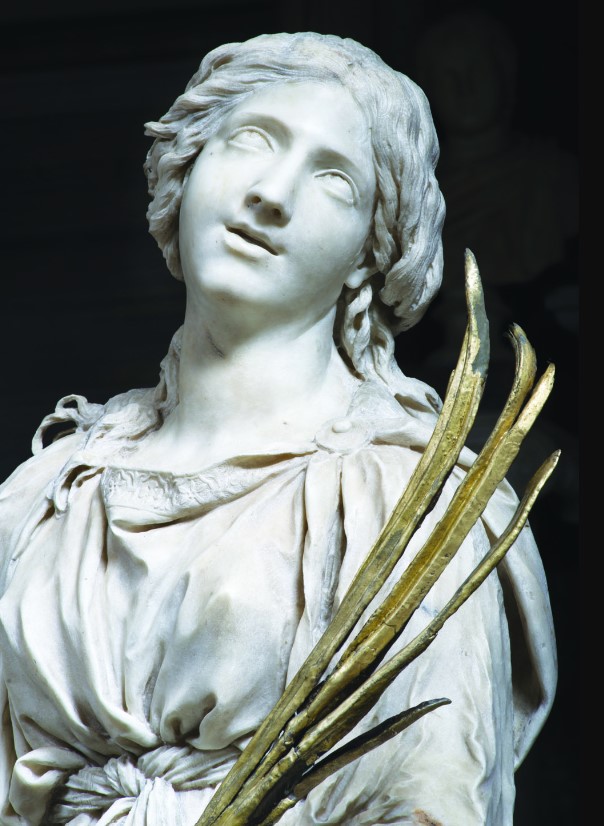
Affidò il progetto nelle mani di Gian Lorenzo Bernini che ancora stava lavorando sul gruppo di Apollo e Dafne ma non solo. Il pontefice volle però che scolpisse anche la scultura di Santa Bibiana da collocare nella nicchia sopra l’Altare Maggiore.
Fu quella la prima commissione pubblica e sacra del Bernini che fino ad allora si era dedicato soprattutto a realizzare soggetti mitologici.

Lo scultore raffigurò la Santa nei momenti che precedettero il suo martirio. Con il gomito destro si sostiene alla colonna che poi verrà adoperata dai carnefici per flagellarla. Il riferimento alla colonna non è casuale: era infatti la preziosa reliquia custodita nella stessa chiesa.
Nella mano opposta tiene la palma simbolo del martirio, realizzata in piombo dorato. Dalla veste panneggiata si intravedono i piedi mentre poco distante si vedono delle foglie del tutto simili a quelle dell’Apollo e Dafne, che alludono però all’erba di Santa Bibiana.
Quest’erba che cresceva rigogliosa attorno alla chiesa era conosciuta per le virtù curative miracolose che possedeva.
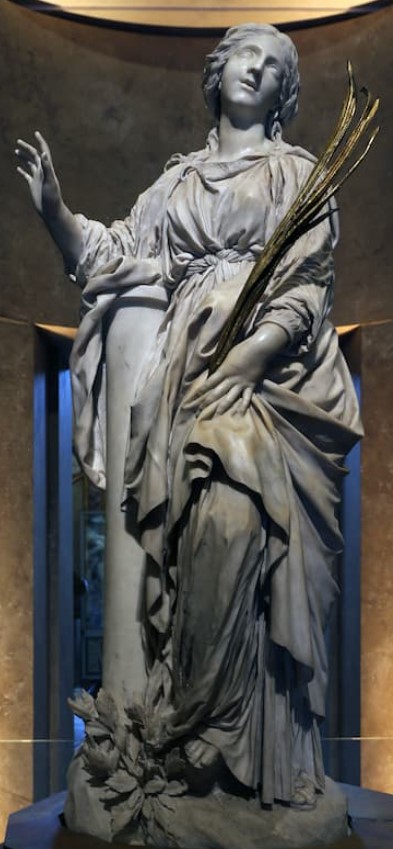
Lo sguardo della martire è rivolto verso l’alto, in direzione di Dio Padre affrescato sulla volta del presbiterio. L’espressione che le segna il viso è estatica, distaccata dalla vita terrena e dalle atrocità che subirà di lì a poco.
Come accennato prima, la scultura in questione si trova nella chiesa di Santa Bibiana a Roma, ubicata nel rione Esquilino.
Per il momento il sempre vostro Michelangelo Buonarroti vi saluta dandovi appuntamento ai prossimi post e sui social.
Sculpture of the day: Bernini’s Santa Bibiana
The sculpture of the day that I propose to you today is the Santa Bibiana which, as Brigati wrote “is Bernini’s first truly baroque sculpture”.
It was March 1624 when the body of Santa Bibiana was found and Pope Urban VIII, born Maffeo Vincenzo Barberini, thought the time had come to rebuild the ancient church dedicated to her.
He entrusted the project into the hands of Gian Lorenzo Bernini who was still working on the Apollo and Daphne group but not only. The pontiff also wanted to entrust him with the creation of the sculpture of Santa Bibiana to be placed in the niche above the High Altar.
That was Bernini’s first public and sacred commission, who until then had dedicated himself above all to creating mythological subjects.
The sculptor wanted to depict her Saint in the moments preceding her martyrdom. With her right elbow she supports herself on the column which will then be used by the executioners to flagellate her. The reference to the column is not accidental but it was kept in the same church as a precious relic.
In her opposite hand he holds the palm symbolizing her martyrdom, made of gilded lead. From her draped dress you can glimpse her feet while not far away you can see leaves completely similar to those of Apollo and Daphne, which however allude to the grass of Santa Bibiana. This herb that grew luxuriantly around the church was known for the miraculous healing properties it possessed.
The martyr’s gaze is turned upwards, in the direction of God the Father frescoed on the vault of the presbytery. The expression that marks her face is ecstatic, detached from earthly life and from the atrocities that she will soon suffer.
As mentioned before, the sculpture in question is located in the church of Santa Bibiana in Rome, located in the Esquilino district.
For the moment, your always Michelangelo Buonarroti greets you and will meet you in the next posts and on social media.

Sostienici – Support Us
Se questo blog ti piace e ti appassiona, puoi aiutarci a farlo crescere sempre più sostenendoci in modo concreto condividendo i post, seguendo le pagine social e con un contributo che ci aiuta ad andare avanti con il nostro lavoro di divulgazione. . ENGLISH: If you like and are passionate about this blog, you can help us make it grow more and more by supporting us in a concrete way by sharing posts, following social pages and with a contribution that helps us to move forward with our dissemination work.
8,00 €
-
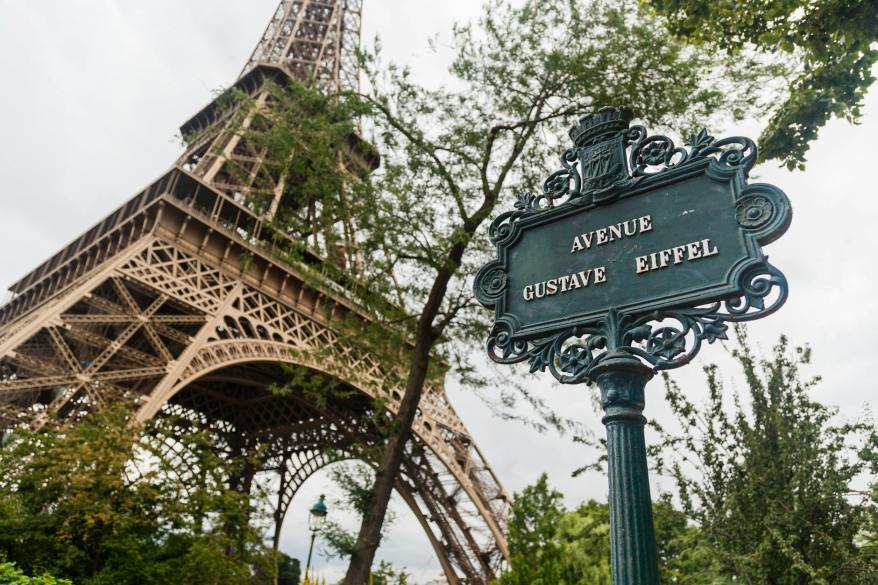
31 marzo 1889: inaugurata la Torre Eiffel tra critiche feroci e un destino inaspettato
🇮🇹Il 31 marzo 1889 segna una data destinata a cambiare per sempre il volto di Parigi e dell’immaginario collettivo globale: viene inaugurata la Torre Eiffel, l’opera più audace e discussa del suo tempo… 🇬🇧March 31, 1889 marks a date destined to change the face of Paris and the global collective imagination forever: the Eiffel Tower,…
-
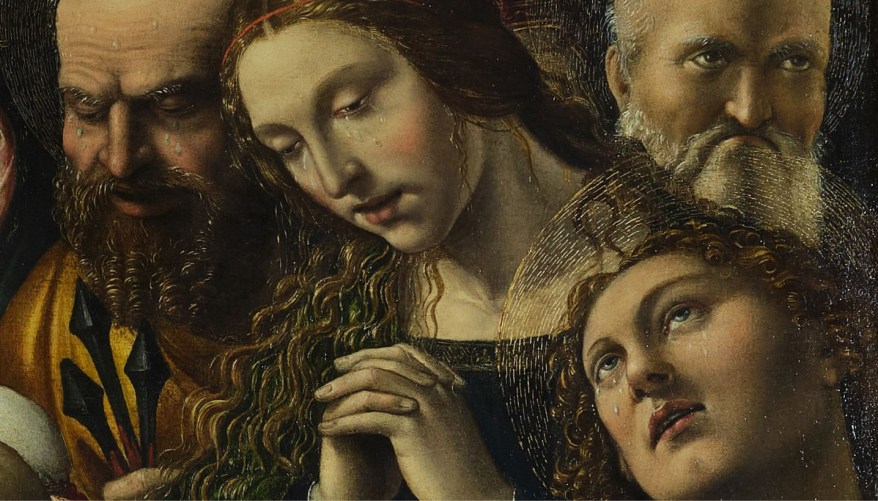
Sodoma in mostra a Torino: il Rinascimento al Museo Accorsi-Ometto
🇮🇹Al Museo di Arti Decorative Accorsi-Ometto arriva una mostra dedicata al Sodoma: oltre 50 opere, alcune mai viste prima, raccontano la formazione dell’artista e il suo dialogo con maestri come Pinturicchio… 🇬🇧An exhibition dedicated to Sodoma arrives at the Accorsi-Ometto Museum of Decorative Arts: over 50 works, some never before seen, recount the artist’s development…
-
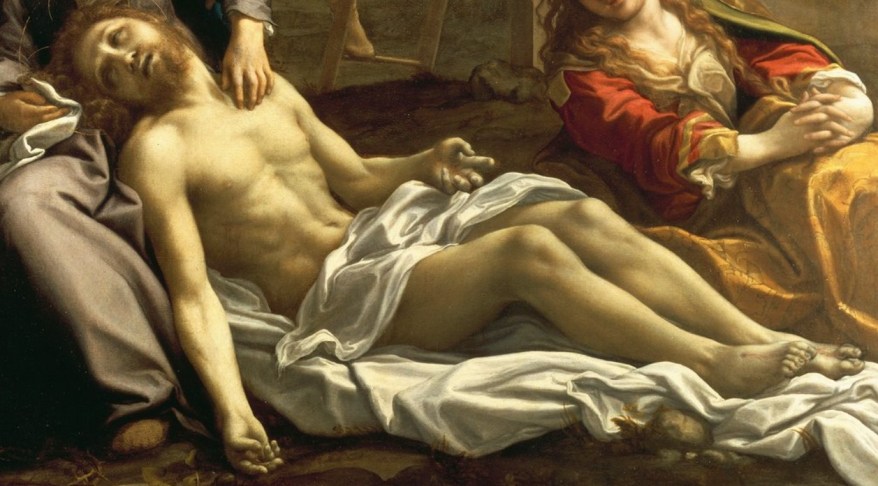
Il Compianto sul Cristo morto di Correggio: pathos e devozione
🇮🇹Con l’inizio della Settimana Santa, vi propongo il Compianto sul Cristo morto di Antonio Allegri, più noto come il Correggio: uno dei vertici assoluti della pittura emiliana del Cinquecento… 🇬🇧With the beginning of Holy Week, I propose the Lamentation over the Dead Christ by Antonio Allegri, better known as Correggio: one of the absolute peaks…
Condividi:


Questo sono io





sostienici

Sostienici - Support Us
Se questo blog ti piace e ti appassiona, puoi aiutarci a farlo crescere sempre più sostenendoci in modo concreto condividendo i post, seguendo le pagine social e con un contributo che ci aiuta ad andare avanti con il nostro lavoro di divulgazione. . ENGLISH: If you like and are passionate about this blog, you can help us make it grow more and more by supporting us in a concrete way by sharing posts, following social pages and with a contribution that helps us to move forward with our dissemination work.
€10,00


